Index
Which type do I even need?
Curtains, drapes, blinds, shades, shutters. What each one is, what it does well, and the head-to-heads that settle it.
Start here
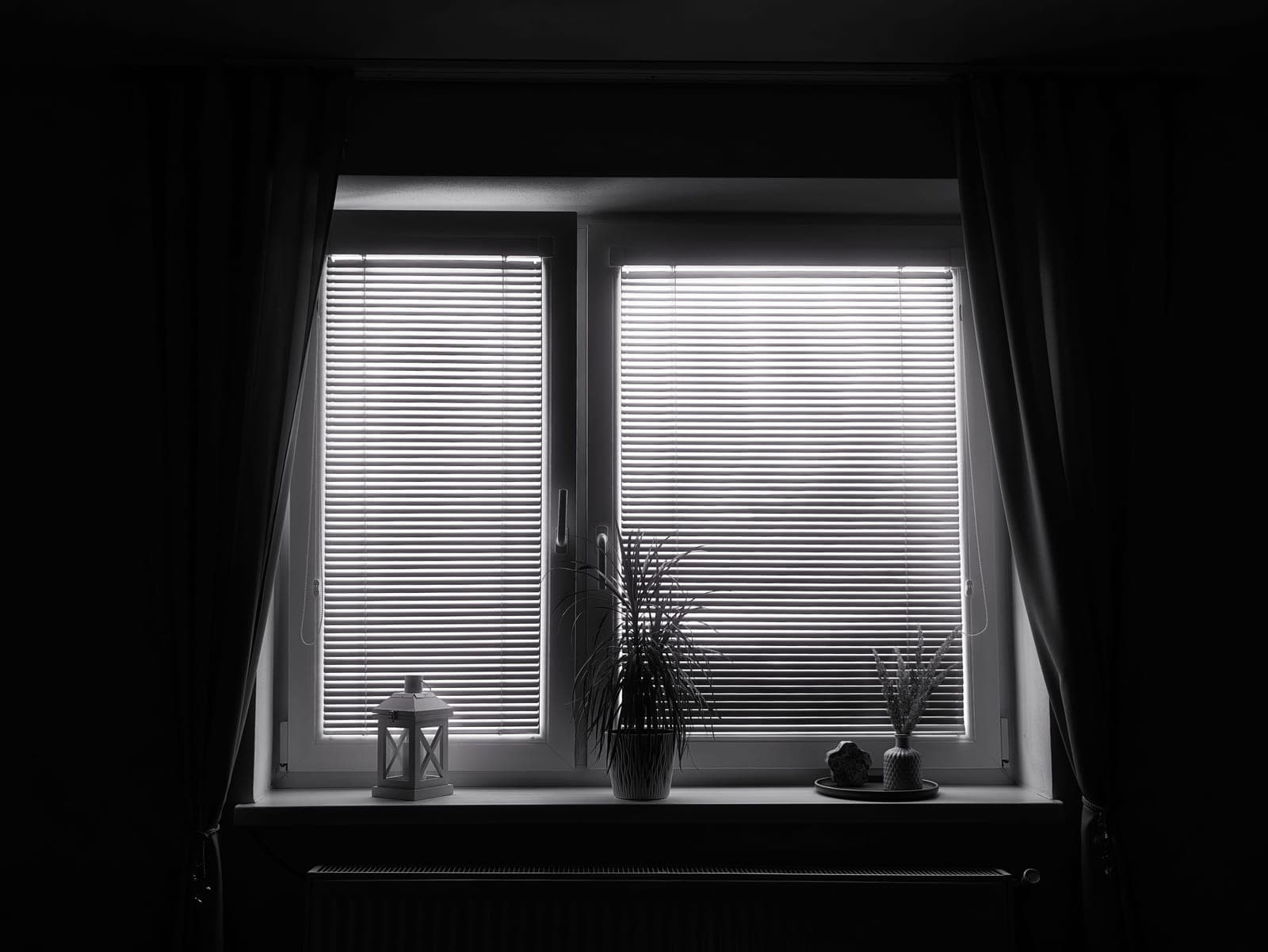
The category names are used loosely enough that they get in the way of deciding. Here are the distinctions that hold up: blinds have slats that tilt; shades are a continuous piece of material that raises and lowers; curtains and drapes hang from a rod and draw sideways, with drapes being the heavier, lined, floor-length version of the same idea; shutters are rigid panels fixed to the window frame itself.
That is not trivia. It predicts behavior. Slats give you directional control — you can aim the light and the sightline, which no shade can do. A continuous shade gives you positional control — it covers the part of the window you lower it over, completely. Curtains give you binary control plus softness, texture and the ability to cover an opening of any awkward shape. Shutters give you both directional control and a permanent, built-in look, at the highest cost and with the least flexibility.
Most rooms end up with a combination, because these are complementary rather than competing. A blind or shade handles the daytime job precisely; a curtain handles the evening job and the way the room feels.
Drape & Dawn earns a commission from qualifying purchases made through links on this page, at no extra cost to you. It does not change what we recommend. Full disclosure.
Start with this one
Basics Cordless Faux Wood Blinds, 2" routeless slats
LEVOLOR · Best overall
Two-inch faux wood with the lift cords routed out of the slat face, so they close without a column of light pinholes. Cordless, humidity-tolerant, and available in the stock sizes that cover most standard openings.
#ad We don’t show prices — check the current one on Amazon. How we’re funded
Everything in this section
Where to go next
Picks
Best roman shades
Fabric softness with a shade's precision — plus the stack depth nobody mentions.
#ad We don’t show prices — check the current one on Amazon. How we’re funded
Picks
Best window blinds
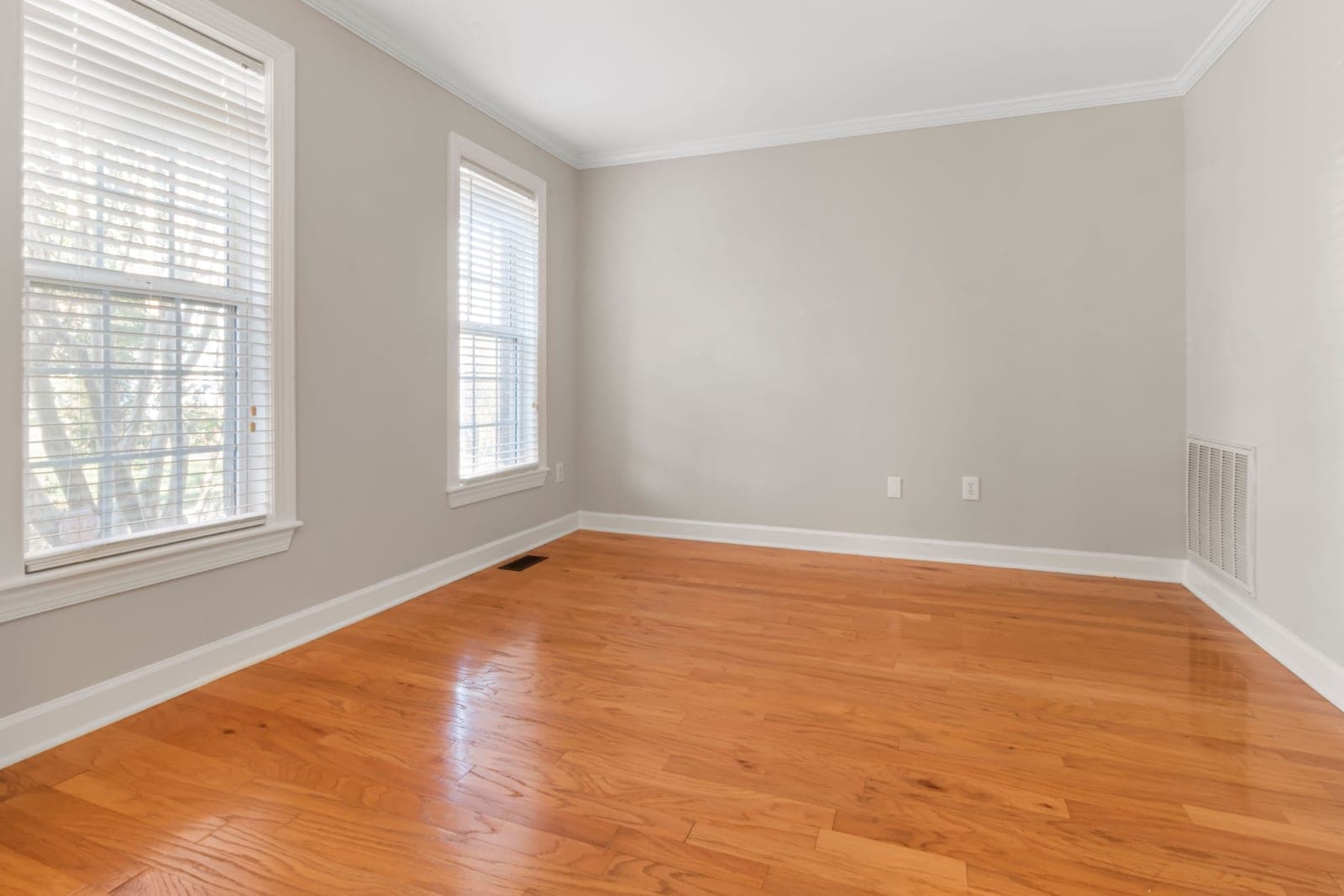
The only covering you can aim — which material suits which room.
#ad We don’t show prices — check the current one on Amazon. How we’re funded

Picks
Best cellular shades
The best-insulating covering there is — and why the fit decides the result.
#ad We don’t show prices — check the current one on Amazon. How we’re funded
Comparison
Curtains vs drapes
Weight and lining are the real difference — and they decide light, warmth and cost.
#ad We don’t show prices — check the current one on Amazon. How we’re funded
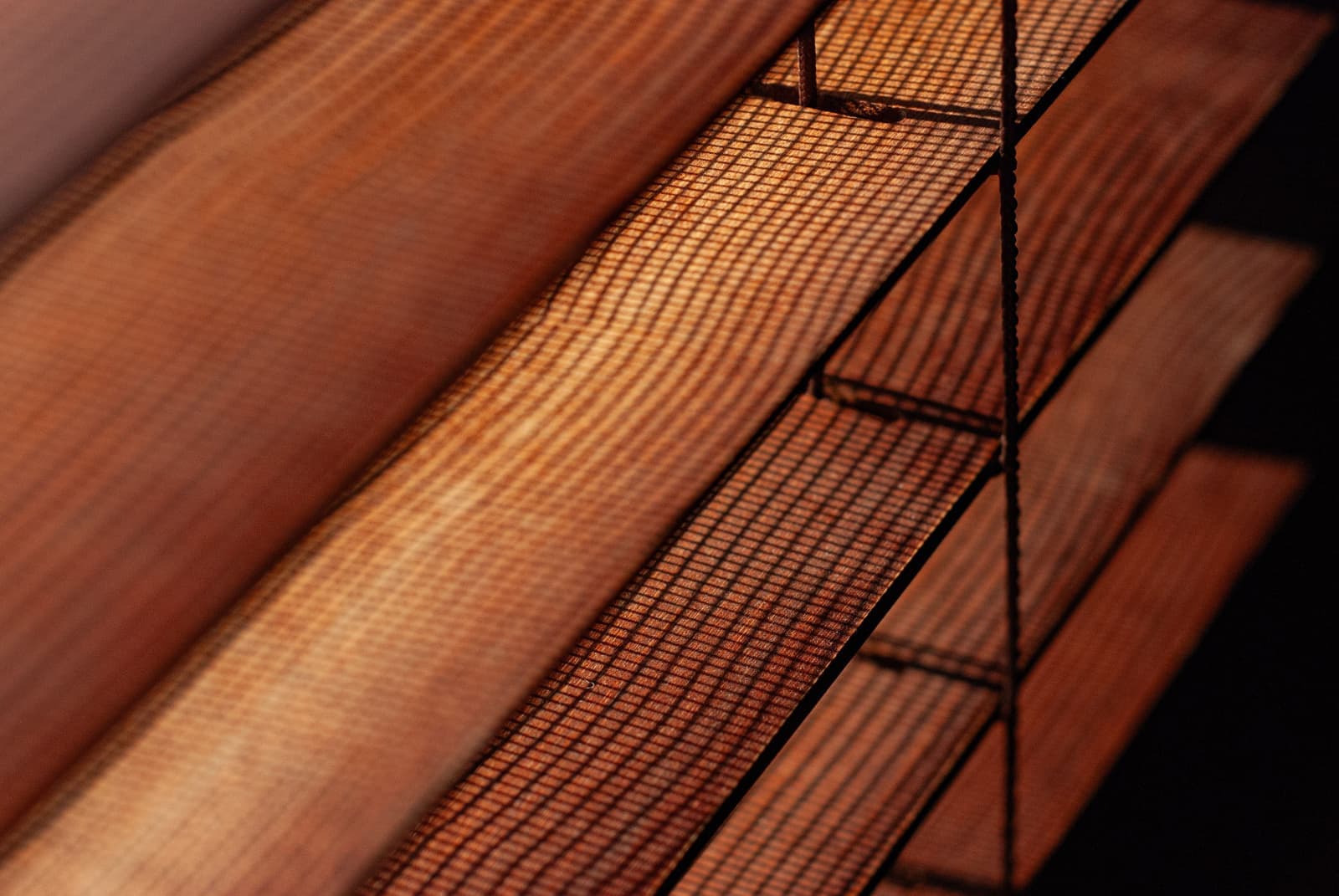
Comparison
Blinds vs shades
Slats that tilt or one piece that raises — everything else follows.
#ad We don’t show prices — check the current one on Amazon. How we’re funded
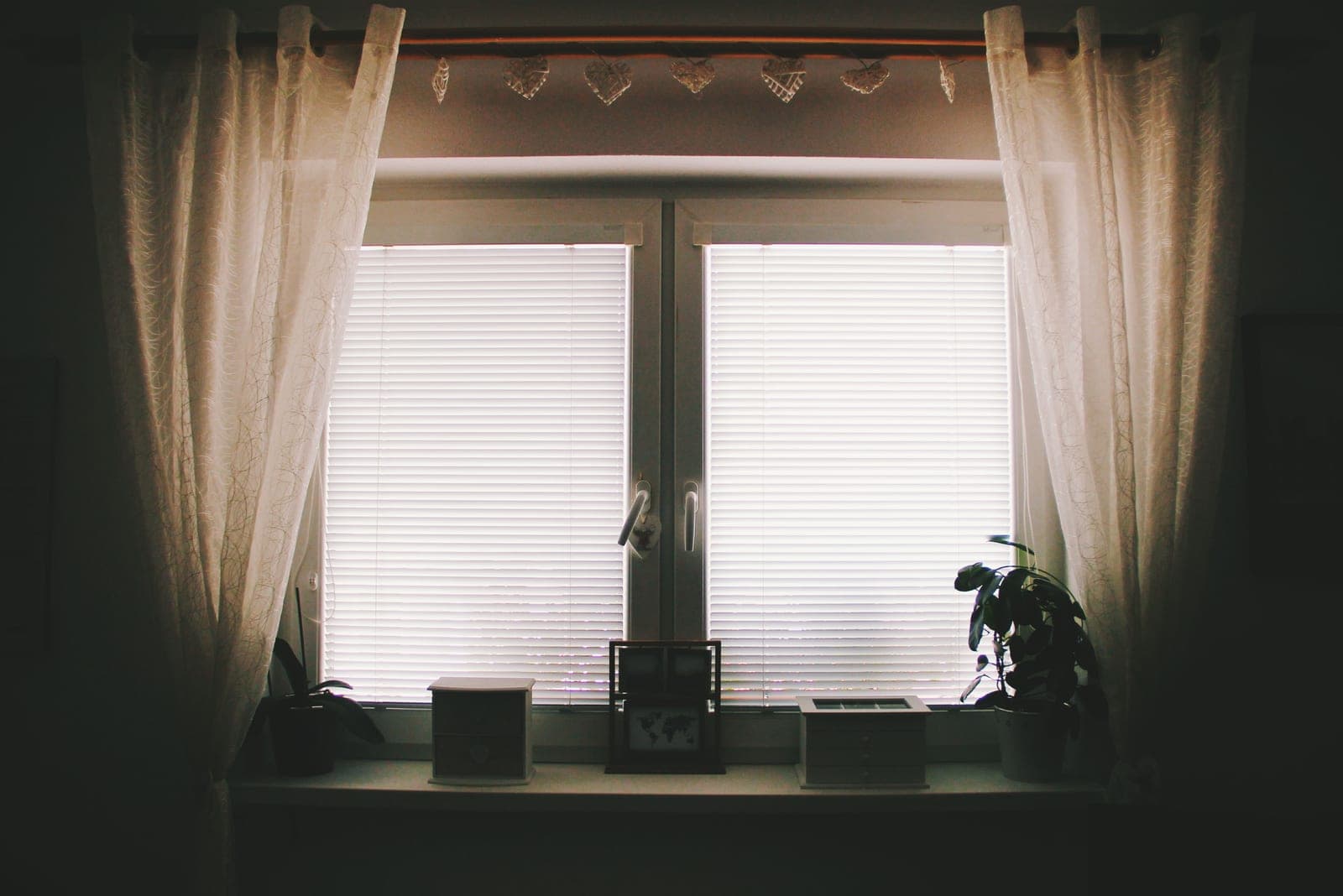
Comparison
Curtains vs blinds
Complete coverage versus precise adjustment — and why most rooms want both.
#ad We don’t show prices — check the current one on Amazon. How we’re funded
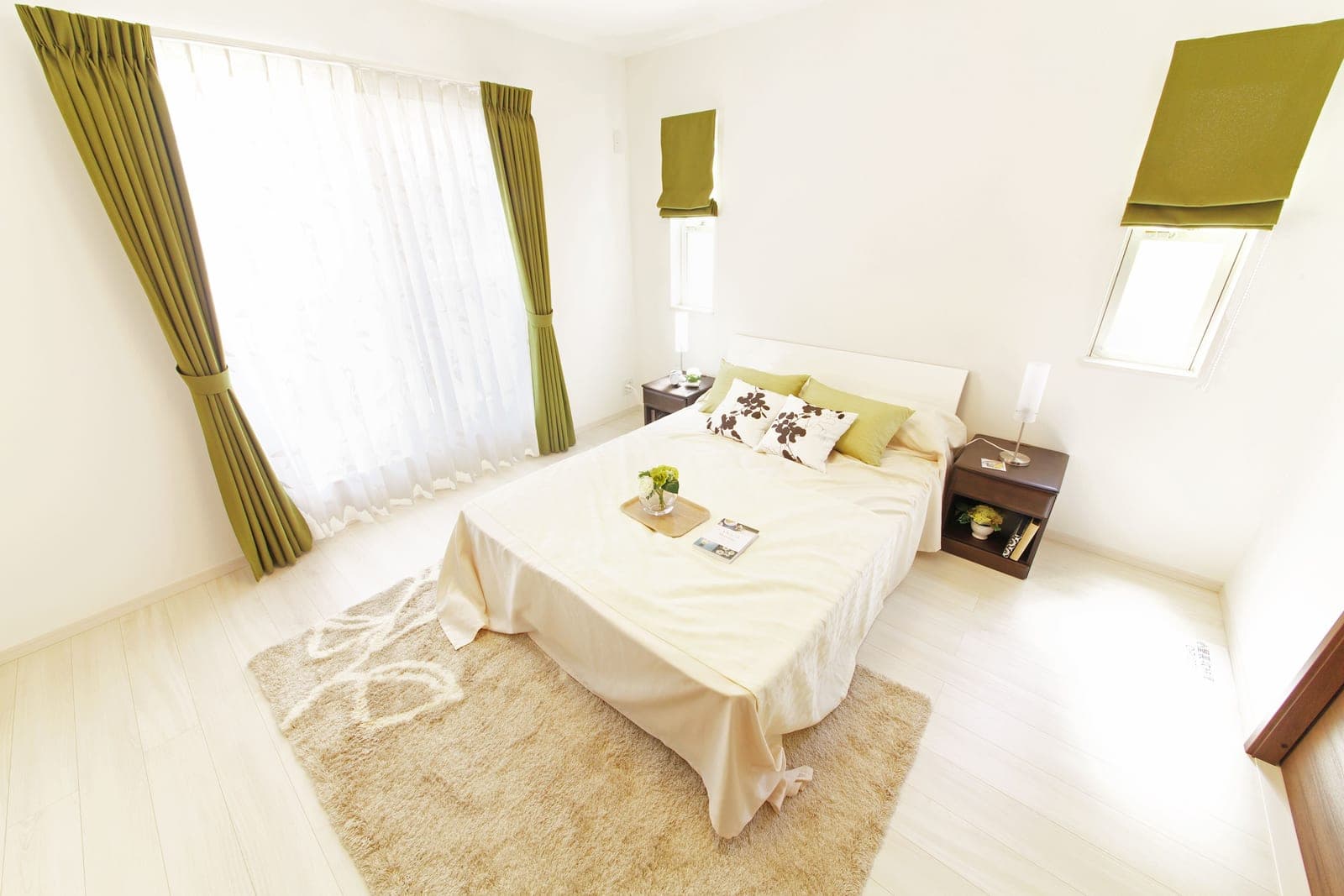
Comparison
Blinds vs cellular shades
Aim the light or insulate the window — two products, two different problems.
#ad We don’t show prices — check the current one on Amazon. How we’re funded
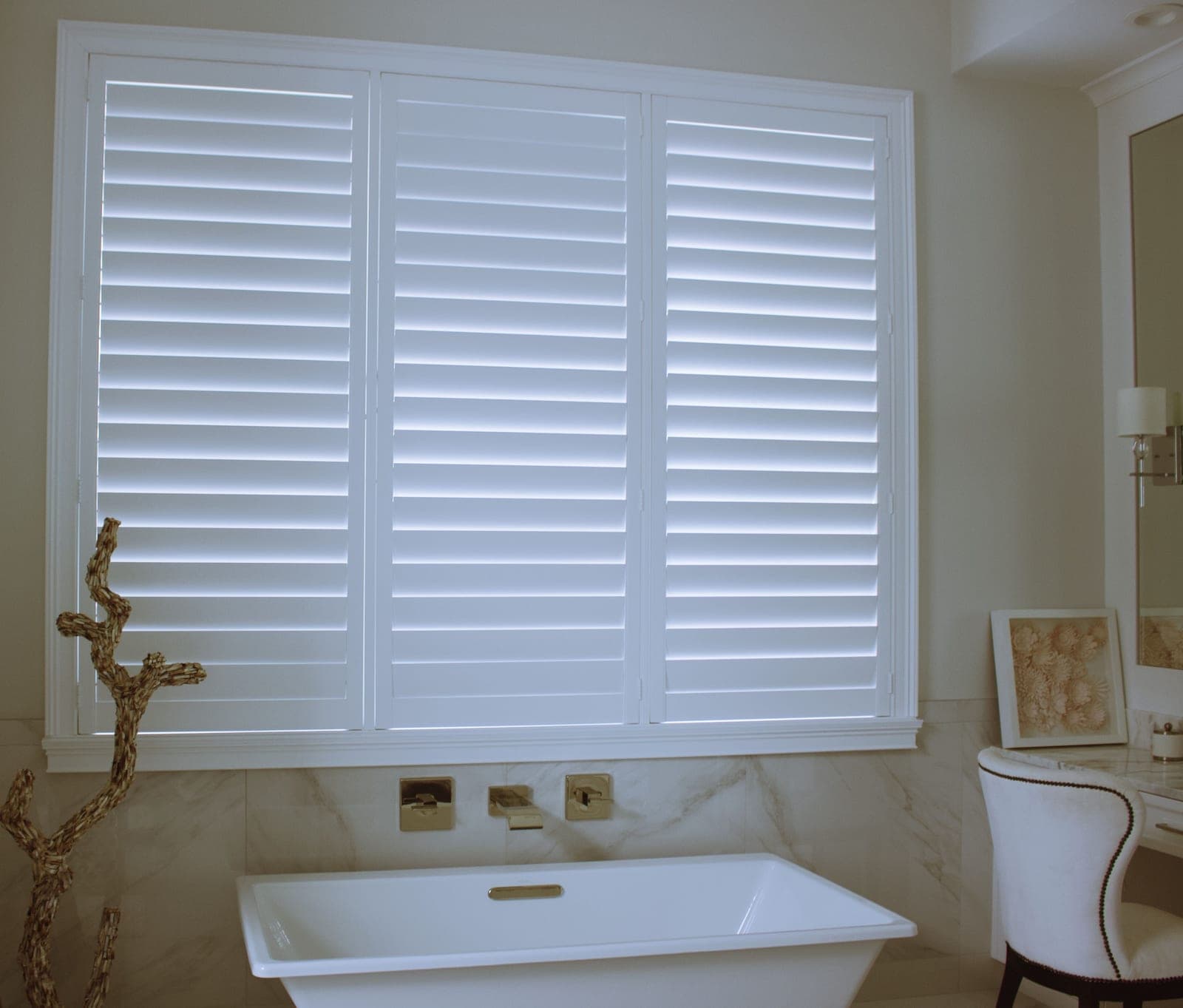
Comparison
Blinds vs shutters
Same tilt control, very different commitment — when shutters actually earn the cost.
#ad We don’t show prices — check the current one on Amazon. How we’re funded
Orientation
The types, side by side
| Type | Control | Best at | Weak at |
|---|---|---|---|
| Blinds (slatted) | Directional — tilt | Aiming light and privacy, cheap, durable | Full blackout, insulation, dust |
| Roller shades | Positional — height | Glare at a specific hour, clean look | Partial coverage subtlety |
| Cellular shades | Positional — height | Insulation, diffusion, blackout options | You cannot see out of them |
| Roman shades | Positional — height | Fabric softness with a shade's control | Cost, cleaning, deep stack at the top |
| Curtains | Binary — open or closed | Blackout, softness, awkward openings, cost | Fine daytime adjustment |
| Drapes | Binary — open or closed | Blackout, insulation, formality | Weight, hardware demands, cost |
| Shutters | Directional — tilt | Permanence, resale appeal, durability | Cost, installation, no softness |
Decision
How to choose in one pass
- 1Name the problem first. Darkness, glare, privacy, cold, or appearance. If you cannot name one, you probably want curtains for the look and nothing else — which is a legitimate answer.
- 2Check the constraint. Depth of the recess, whether you can drill, whether the window gets wet or greasy, whether a child or pet uses the room. Constraints eliminate more options than preferences do.
- 3Pick the control type you need. Directional, positional or binary, from the table above. This narrows five categories to one or two.
- 4Then choose the product, at which point the roundups below do the work — and only then think about color.
If the choice comes down to two specific types, the head-to-heads below are written to settle it: a definitional answer in the first few lines, a decision table, then a plain "choose this if" for each side.
How we choose
Every pick on this site is selected on published specifications and materials, on fitness for the specific problem the page is about, and on the failure patterns that keep coming up in owner feedback. We do not lab-test these products, we do not own a light meter, and we say so rather than implying otherwise. Where a measurement appears it is a manufacturer’s published figure or a named third-party source. Read the full methodology →
FAQ
Questions people actually ask
What's the difference between curtains and drapes?
Weight and lining, mostly. Drapes are heavier, usually lined, and typically floor-length and formal; curtains are lighter, often unlined, and come in any length. Both hang from a rod and draw sideways. The terms are used interchangeably in listings — check the fabric weight and whether it is lined, not the noun. See curtains vs drapes.
What's the difference between blinds and shades?
Blinds have individual slats that tilt, so you can aim the light. Shades are one continuous piece of material that raises and lowers. That is the whole distinction, and it decides which one suits your problem. See blinds vs shades.
Are cellular shades worth it?
For insulation and light diffusion, they are the strongest performer at their price and the honeycomb structure is doing real work. For a window where you want to keep the view, they are the wrong product — a cellular shade is opaque, so lowering it means losing the window entirely.
Can I use blinds and curtains on the same window?
Yes, and it is often the best answer. The blind does the precise daytime job; the curtain covers the edges at night, adds insulation and softens the room. Hang the curtain on an outside mount so it clears the blind's headrail, and keep the rod 4 to 6 inches above the frame.
Which type is cheapest?
Ready-made curtains and cut-to-size paper or vinyl shades, by a wide margin. Custom-fit anything — cellular, roman, shutters — is where the cost climbs, because you are paying for a made-to-measure product rather than one off a shelf.
Also dealing with
Another problem at the same window?
About the author
Janet H.
Janet H. is the owner of Janet Media Group and the person behind Drape & Dawn. She researches every pick against the site's published methodology.
Published by Janet Media Group · Last updated September 23, 2026