Problem 06
Rods, mounting and measuring
Nearly every curtain problem starts as a measuring problem. The numbers that matter, the rod that carries the weight, and where the brackets go.
Start here
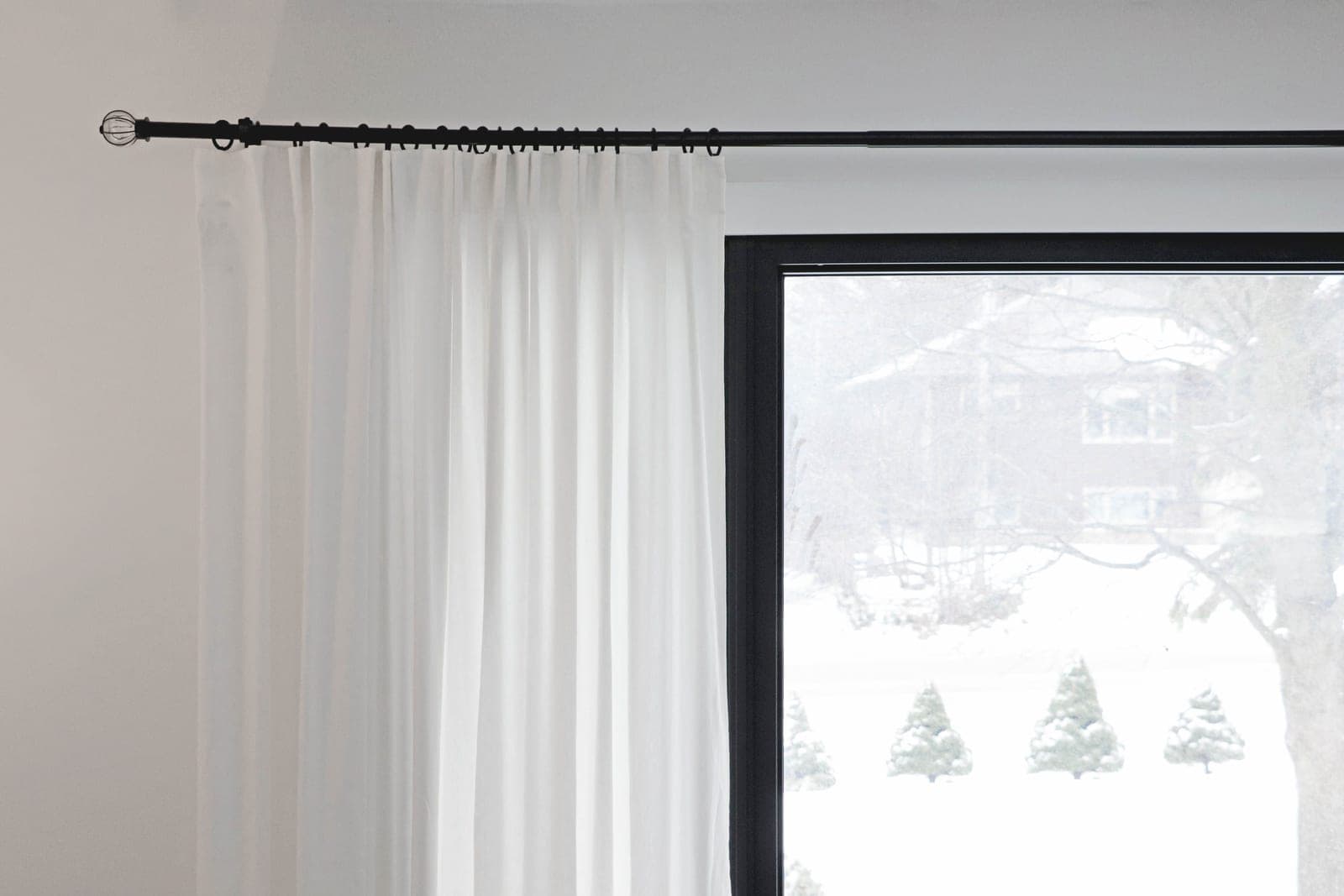
Curtains that look wrong and curtains that fail to block light usually have the same root cause, and it is not the curtains. It is a rod the same width as the window, mounted an inch above the frame, carrying panels that are exactly as wide as the opening. Every one of those three decisions is a measuring decision, and every one is easy to get right if you know the rule.
There are only four numbers that matter, and they are worth committing to memory before you buy anything: the rod width (window width plus 8 to 12 inches, so panels stack off the glass when open), the mounting height (4 to 6 inches above the frame, or higher — up to just under the ceiling), the panel fullness (combined panel width of 2 to 2.5 times the window width, so the fabric gathers instead of hanging flat), and the drop (measured from the rod, not the frame, to wherever you want the hem to land).
Get those four right and inexpensive curtains look considered. Get them wrong and expensive ones look like a mistake — flat, short, and letting a stripe of daylight in at each side.
Drape & Dawn earns a commission from qualifying purchases made through links on this page, at no extra cost to you. It does not change what we recommend. Full disclosure.
Start with this one
Heavy-duty lock-seam drapery rod sets
Rod Desyne · Best overall
Lock-seam steel construction with brackets substantial enough to match. Lock-seam means the tube is rolled and locked rather than thin-walled extrusion, which is what stops it bowing under a pair of lined panels across a wide span. Sets include brackets and fixings.
#ad We don’t show prices — check the current one on Amazon. How we’re funded
Everything in this section
The pages that solve it
Picks
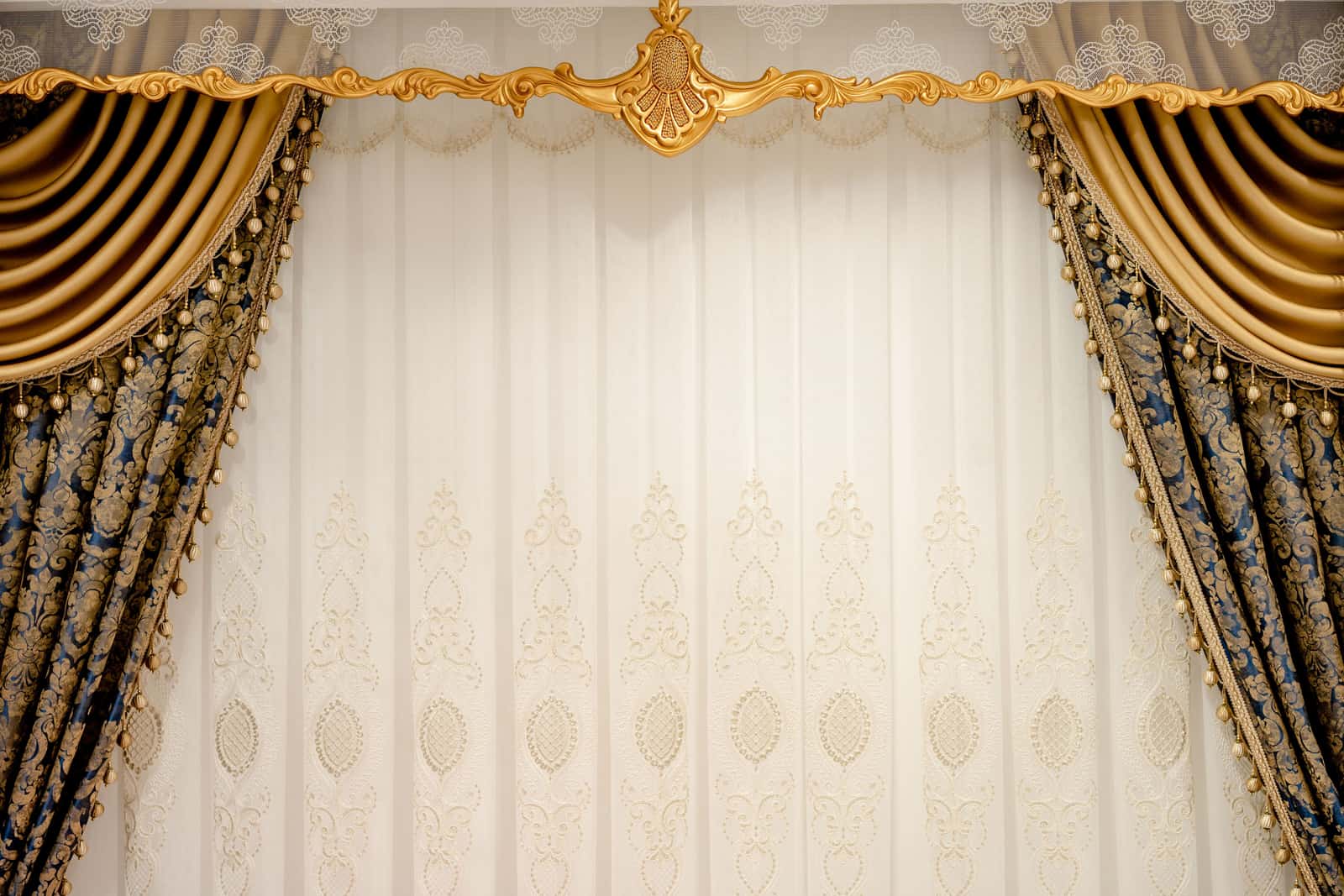
Best curtain rods
The part everyone underspends on — what each rod carries and when to add a support.
#ad We don’t show prices — check the current one on Amazon. How we’re funded
Picks
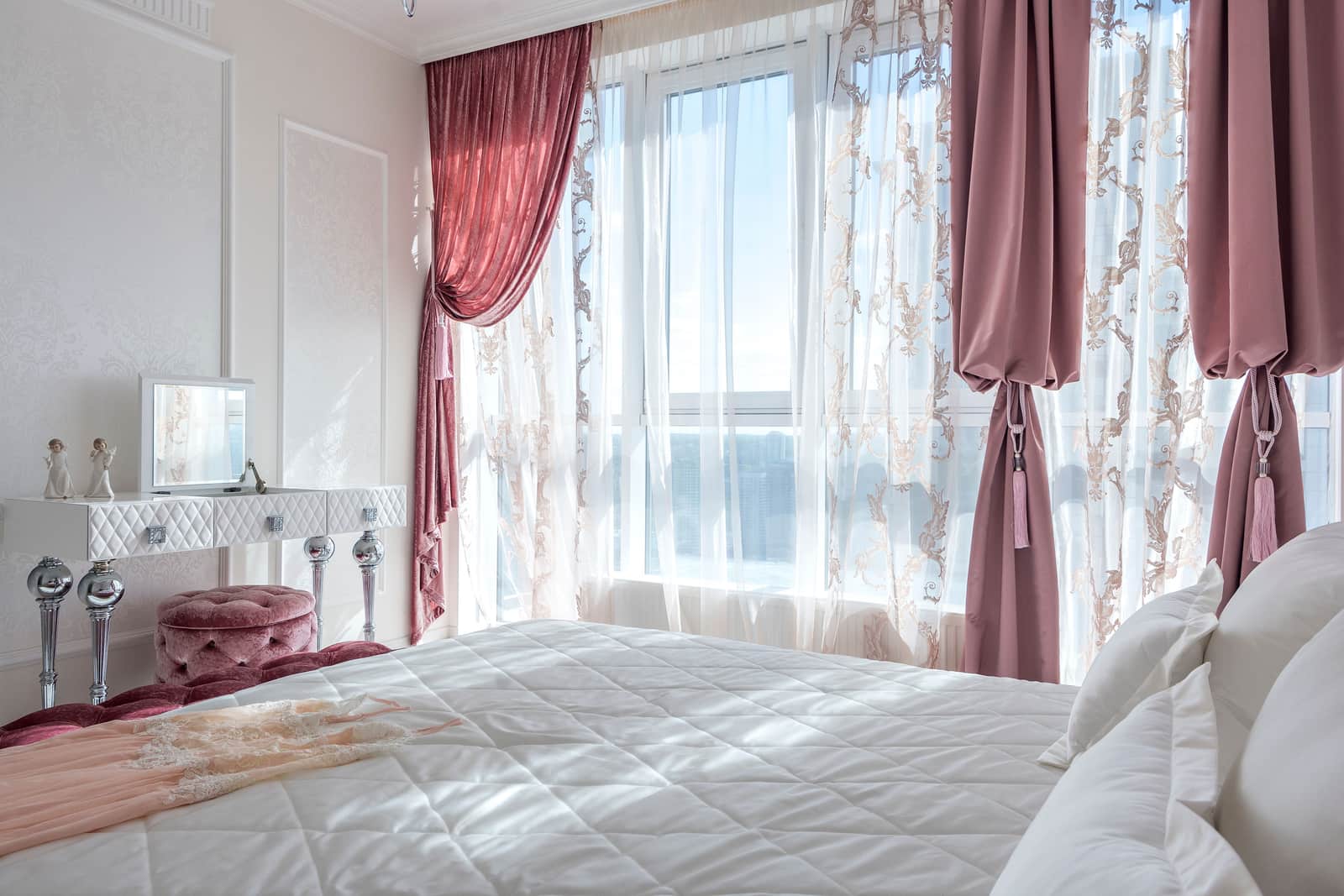
Best curtain rods for heavy curtains
What carries lined blackout panels without bowing — rod, bracket and anchor.
#ad We don’t show prices — check the current one on Amazon. How we’re funded
Picks
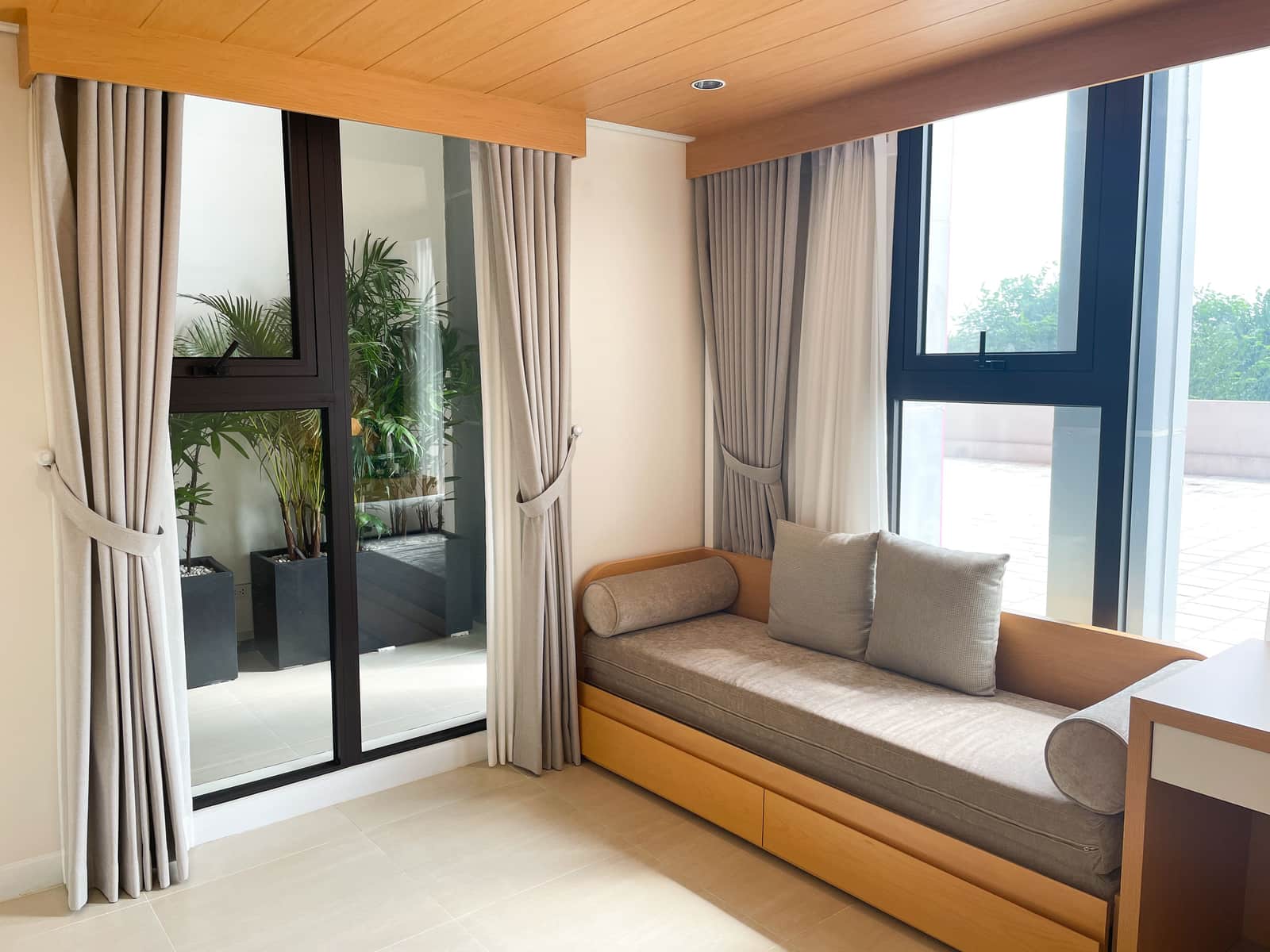
Best curtain rods for bay windows
Connector sets and bay rods for a three-sided opening — and how to measure the angles.
#ad We don’t show prices — check the current one on Amazon. How we’re funded
Comparison
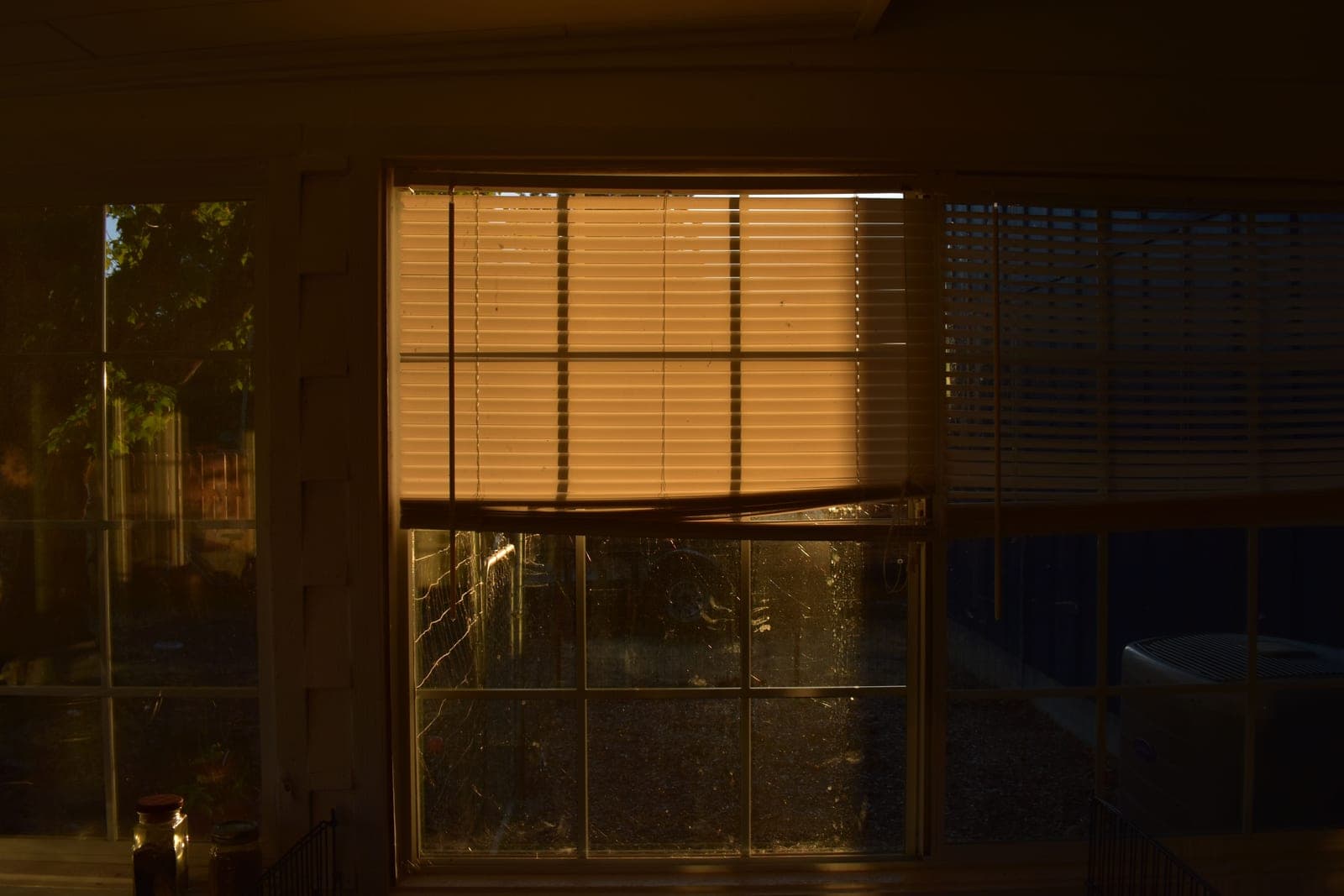
Inside mount vs outside mount
Tidy and leaky, or bigger and light-tight — and how the choice changes your measuring.
#ad We don’t show prices — check the current one on Amazon. How we’re funded

Comparison
Grommet vs rod pocket vs pleated
How each header moves, hangs and leaks light over the top.
#ad We don’t show prices — check the current one on Amazon. How we’re funded
Guide
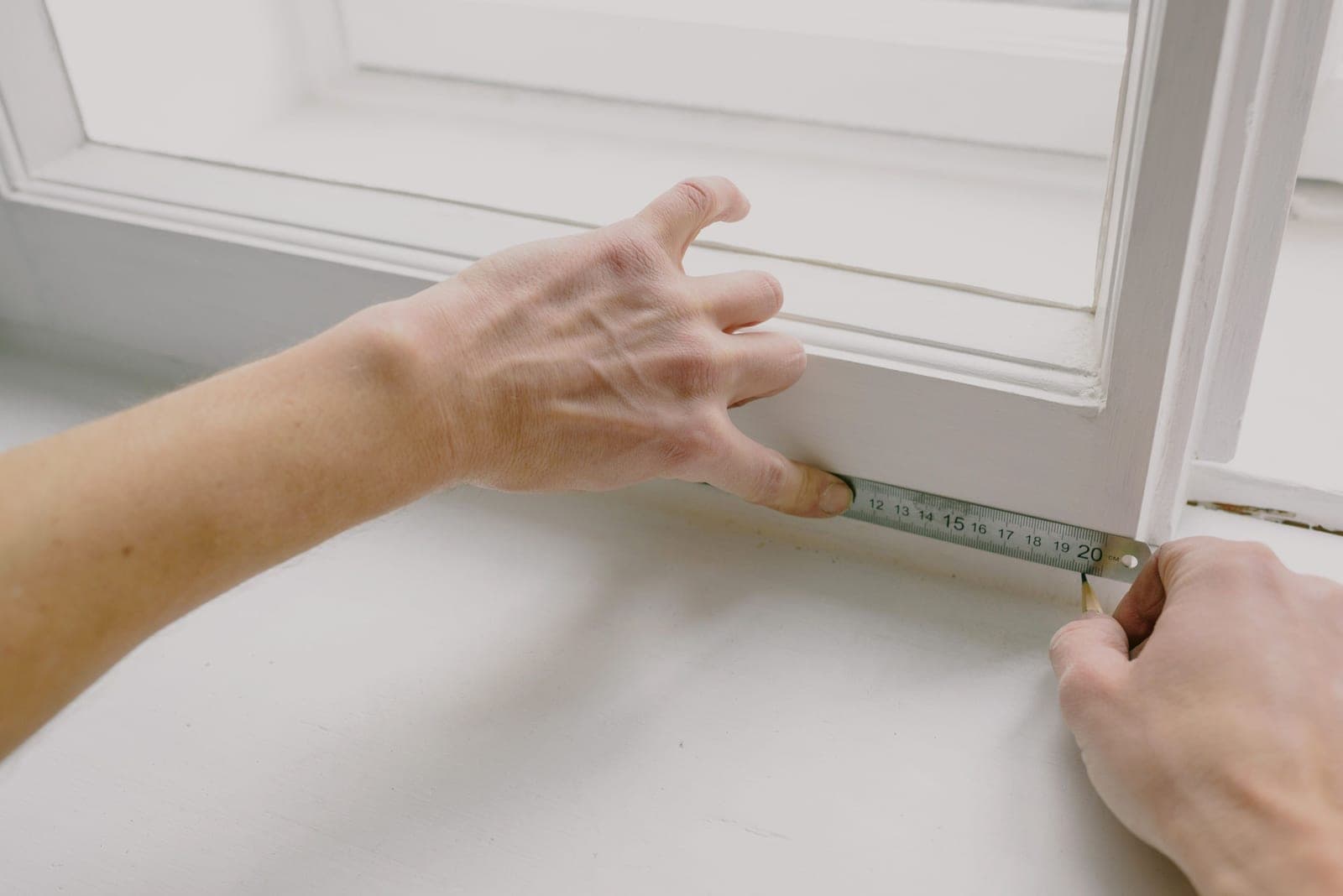
How to measure for curtains
Four steps in order: rod width, fullness, drop from the rod, header.
#ad We don’t show prices — check the current one on Amazon. How we’re funded
Guide
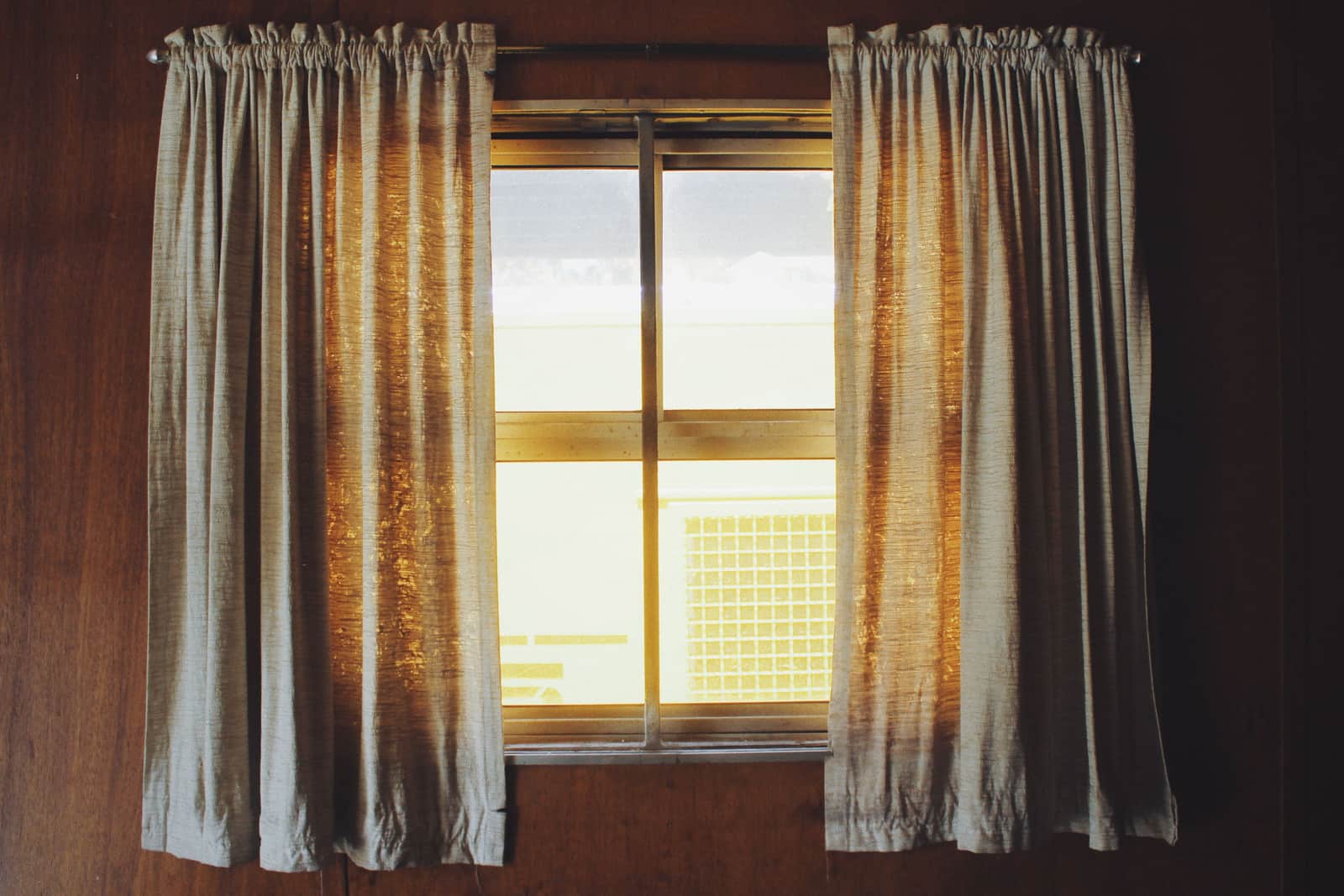
What size curtain rod do I need?
Window plus 8 to 12 inches — with the full size table and support rules.
#ad We don’t show prices — check the current one on Amazon. How we’re funded
Guide
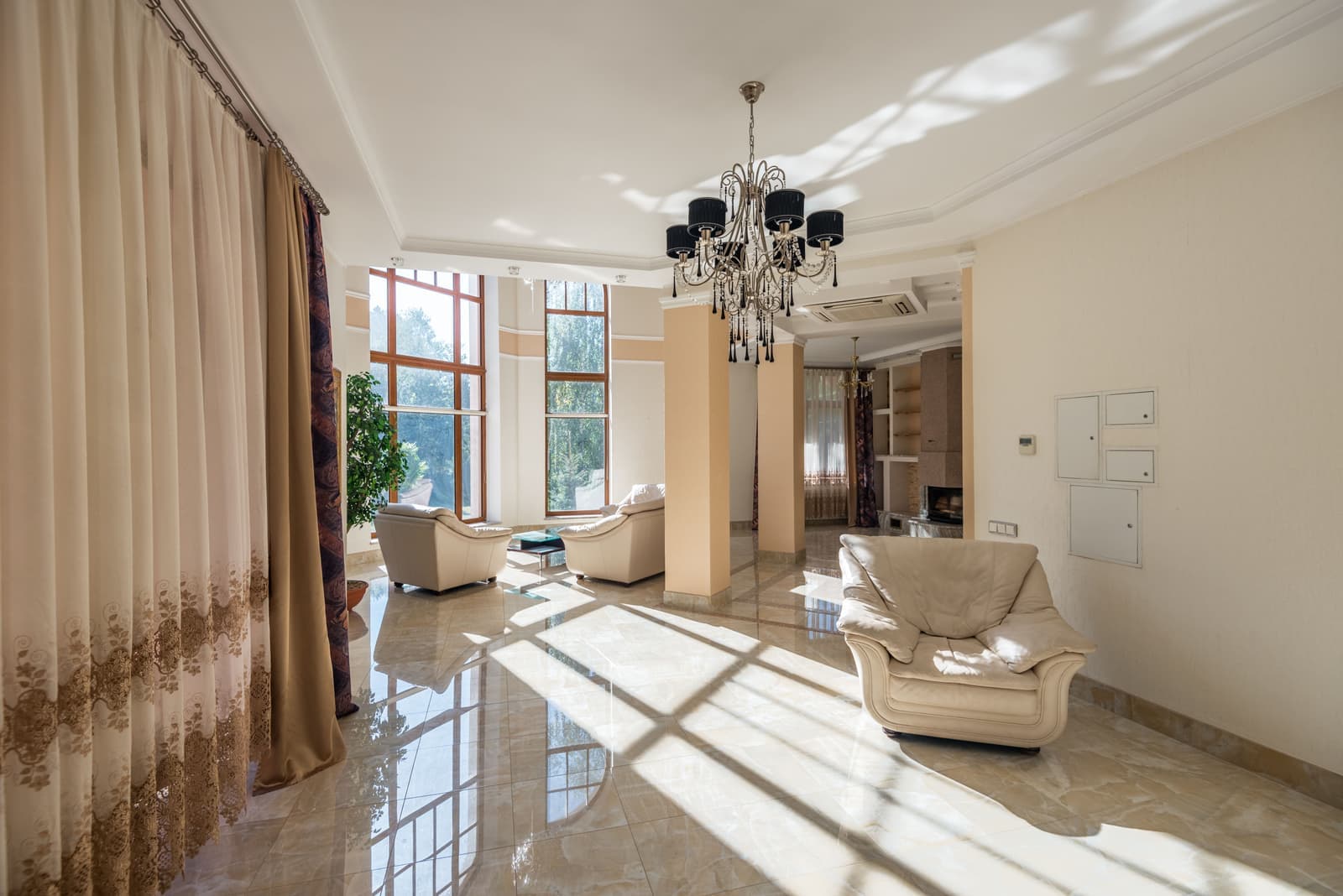
How high to hang curtains
Higher than you think — ceiling height to rod height to curtain length.
#ad We don’t show prices — check the current one on Amazon. How we’re funded
Guide
Curtain length guide
Standard drops, six hem finishes, and the measurement everyone gets wrong.
#ad We don’t show prices — check the current one on Amazon. How we’re funded
Guide
How to clean blinds
Method by material — including the two that must never get wet.
Guide
How to fix cordless blinds
Three faults, three fixes — most take ten minutes and no tools.
Hardware
The rod carries the whole thing
Rod failures come in two flavors and both are predictable. The first is sag: a long span with brackets only at the ends, and the rod bows in the middle under a pair of lined panels. The fix is a center support bracket — any span over about 60 inches wants one, and over 96 inches wants two. Diameter helps too; a 1-inch rod resists bending far better than a 5/8-inch one.
The second is the anchor. A bracket screwed into drywall with nothing behind it will eventually pull out, and it usually takes a chunk of wall with it. Hit a stud if you can; if you cannot, use a toggle or a self-drilling anchor rated well above the load, not the small plastic plugs that come in the box. Blackout panels are heavier than people expect, and a pair of them plus the rod can run to 15 pounds or more.
Header style decides how the panel moves and how the top looks. Grommets slide easily and give a regular, modern wave. Rod pockets look tidy and are effectively fixed — gathering them by hand every time gets old fast. Pleated headers hang the most formally and need rings or hooks. Back tabs sit flat against the wall and reduce light coming over the top, which makes them quietly good for bedrooms.
The mount decision
Inside or outside the frame
This one decision affects light, insulation, cost and appearance all at once, and it is worth making deliberately rather than by default.
| Inside mount | Outside mount | |
|---|---|---|
| Look | Clean, shows the trim, sits in the recess | Bigger, hides the frame, makes windows look larger |
| Light control | Leaks at the sides — always | Can be near-total with enough overlap |
| Insulation | Better if the fit is tight | Better if sealed at the top |
| Needs | A deep enough recess | Wall space each side and above |
| Measuring | Unforgiving — measure three places, take the narrowest | Forgiving — more overlap is better |
| Best for | Shades, blinds, tidy trim | Curtains, blackout, small windows |
Living with it
And then it needs cleaning
Blinds collect dust faster than any other surface in a room because they are horizontal and there are a lot of them. A monthly pass with a microfiber cloth or a vacuum brush takes a couple of minutes and prevents the annual ordeal of taking the whole thing down. How to clean blinds covers the methods that do not bend slats, including which ones can safely go in a bath and which absolutely cannot.
Cordless mechanisms are the other maintenance point. A cordless blind that will not stay up, or will not come down, is usually a spring-tension or lock issue rather than a broken shade — and it is very often fixable in ten minutes without tools. That triad of faults is one of the most-searched blind questions there is and almost nobody answers it properly, so we did: how to fix cordless blinds.
How we choose
Every pick on this site is selected on published specifications and materials, on fitness for the specific problem the page is about, and on the failure patterns that keep coming up in owner feedback. We do not lab-test these products, we do not own a light meter, and we say so rather than implying otherwise. Where a measurement appears it is a manufacturer’s published figure or a named third-party source. Read the full methodology →
FAQ
Questions people actually ask
How wide should a curtain rod be?
The window width plus 8 to 12 inches total — 4 to 6 inches past the frame on each side. That lets open panels stack on the wall instead of over the glass, which keeps the room brighter, and it gives you the overlap that stops side light when they are closed.
How high above the window should I hang curtains?
At least 4 to 6 inches above the frame, and higher looks better on most walls. Many rooms look best with the rod just under the ceiling or the crown molding, which draws the eye up and makes the window read as taller. Table of ceiling heights in how high to hang curtains.
How wide should curtains be compared to the window?
The combined width of your panels should be about 2 to 2.5 times the window width for a proper gather. For a 48-inch window that means roughly 96 to 120 inches of total panel — usually two panels of 50 to 54 inches each. Anything less hangs flat and looks like it shrank.
Do I need a center support bracket?
Over about 60 inches of span, yes — and over 96 inches you want two. Without one a rod carrying lined or blackout panels will visibly bow within weeks. A center bracket also means you can use a lighter rod than you otherwise would.
Inside mount or outside mount?
Outside mount for curtains and for anything where blocking light matters, because overlap is what stops light at the edges. Inside mount for shades and blinds where you want to see the trim and the recess is deep enough. Full comparison in inside mount vs outside mount.
Also dealing with
Another problem at the same window?
About the author
Janet H.
Janet H. is the owner of Janet Media Group and the person behind Drape & Dawn. She researches every pick against the site's published methodology.
Published by Janet Media Group · Last updated September 23, 2026