Problem 02
Glare: when you need the light, just not in your eyes
For the screen you can't read at 3pm, the sun stripe across the sofa, and the room you refuse to make dark just to fix one hour of the day.
Start here
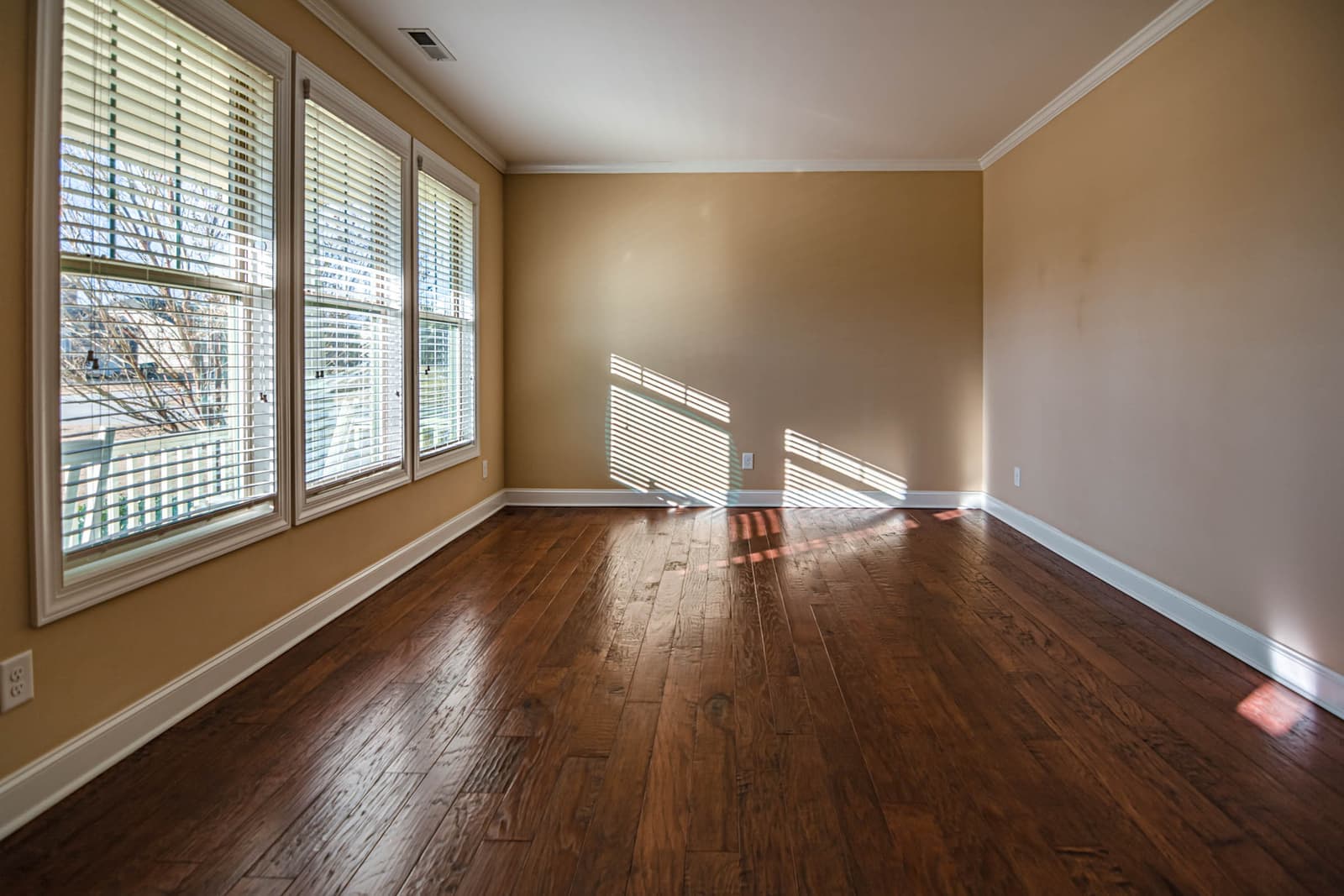
Glare and darkness are opposite problems, and the reason so many people end up unhappy is that they solve the first with a product designed for the second. You put up a heavy panel to stop the sun stripe across your monitor, and now the room is gloomy all day and you are working with the lights on at noon. That is not a fix. That is a trade you did not mean to make.
Glare is direct light — a beam arriving from a narrow angle, hitting your eye or a screen hard enough to overwhelm everything else in view. The useful light in a room is diffuse: the same sun, scattered so it arrives from everywhere at once. A sheer panel or a light-filtering shade does exactly that conversion. It does not remove light from the room; it spreads it out. Rooms treated this way are often brighter-feeling than before, because the eye is no longer clamping down against one blazing hotspot.
So the question on this hub is never "how much light does this block". It is: how well does it scatter what comes through, and how much of the window does it cover at the hour that hurts?
Drape & Dawn earns a commission from qualifying purchases made through links on this page, at no extra cost to you. It does not change what we recommend. Full disclosure.
Start with this one
Deluxe Free-Stop Cordless Roller Shades
CHICOLOGY · Best overall
A cordless free-stop roller: pull it to any height and it holds there, with no chain and nothing to tug. The light-filtering fabric diffuses a hard beam into ambient light, which is the mechanism that actually fixes glare rather than just dimming the room.
#ad We don’t show prices — check the current one on Amazon. How we’re funded
Everything in this section
The pages that solve it
Picks
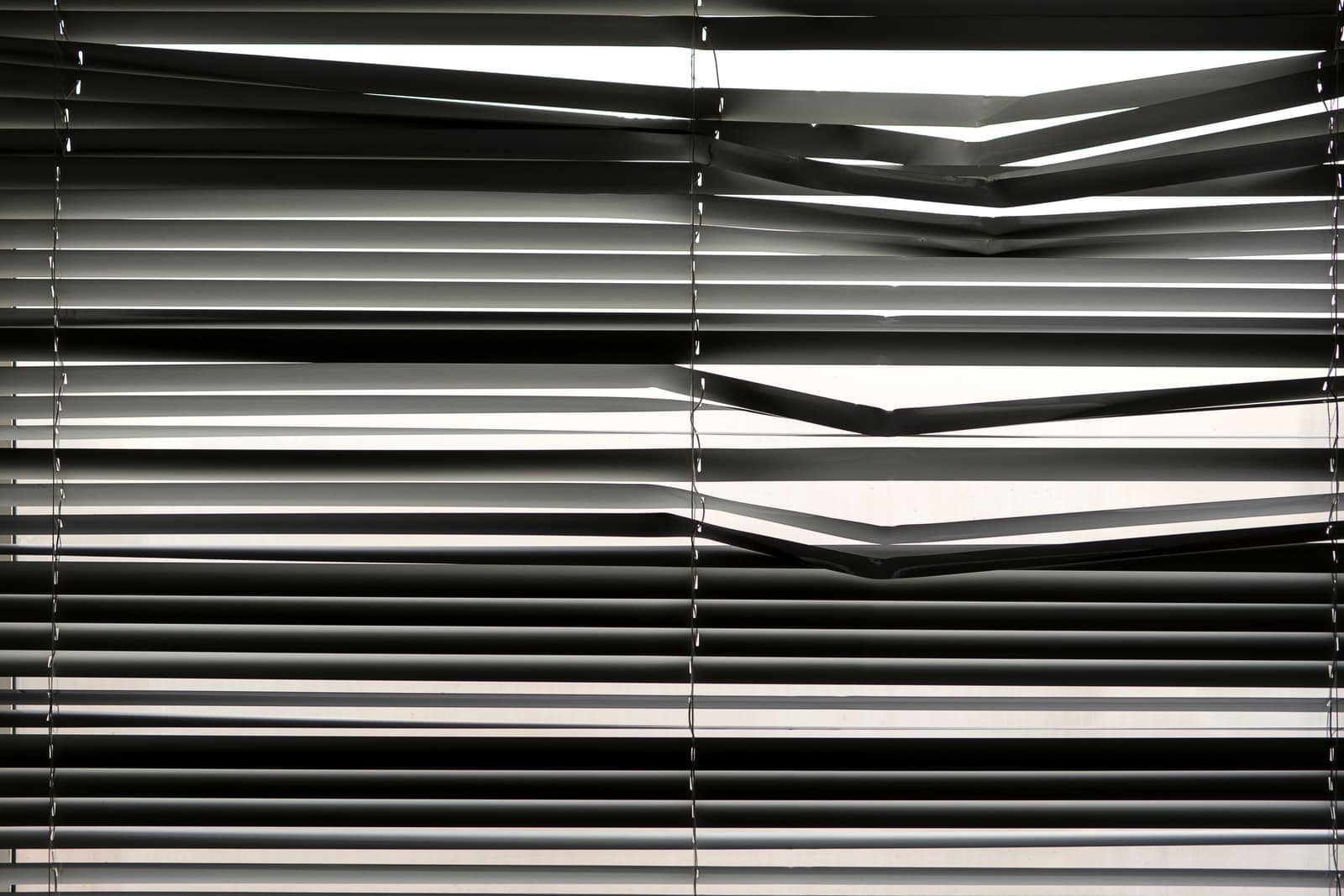
Best roller shades for glare
Lower it to exactly the height of the glare — and the openness number that decides the rest.
#ad We don’t show prices — check the current one on Amazon. How we’re funded
Picks
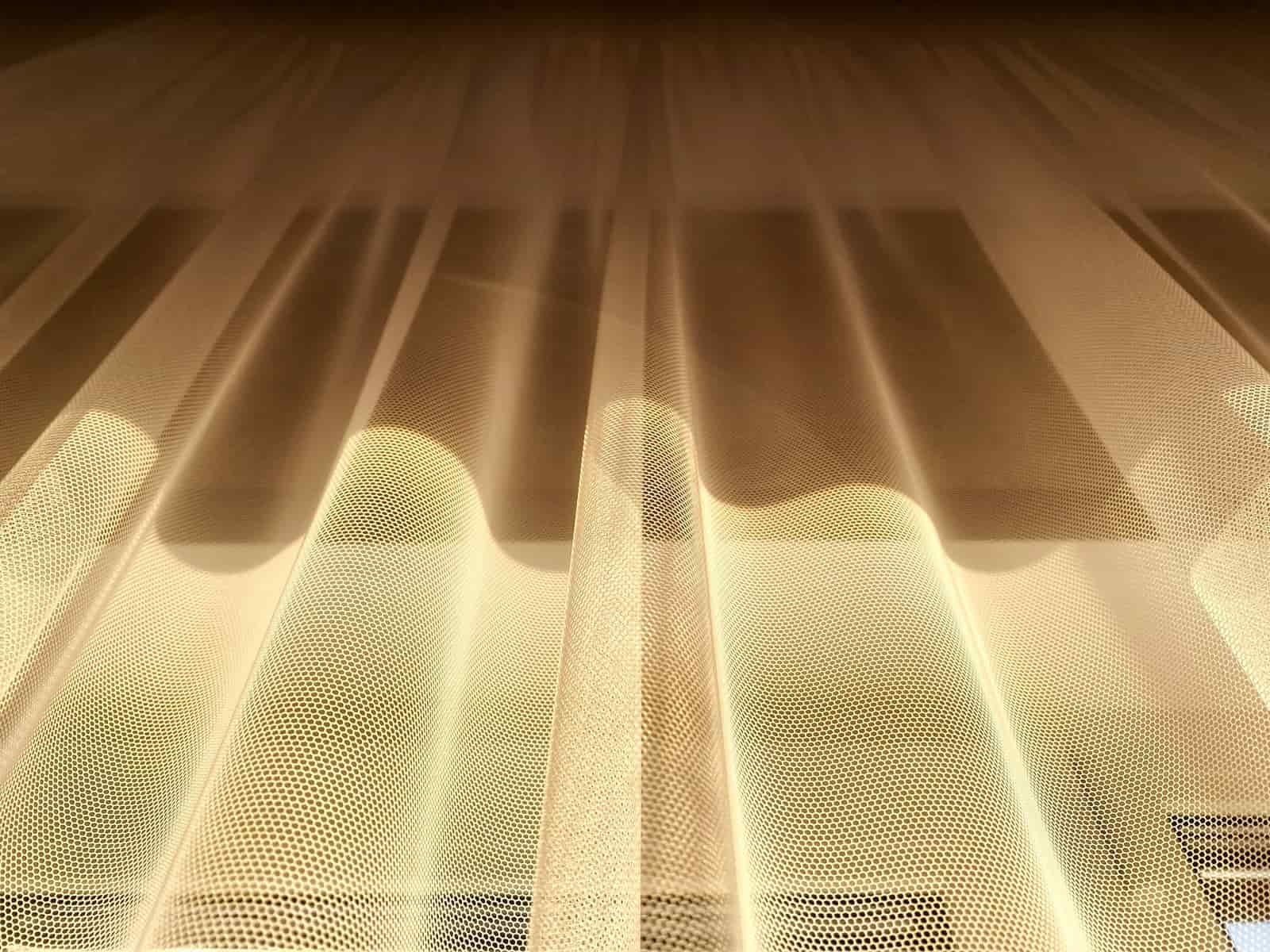
Best sheer curtains
Diffuse harsh daylight without darkening the room — plus the width rule sheers really depend on.
#ad We don’t show prices — check the current one on Amazon. How we’re funded
Picks
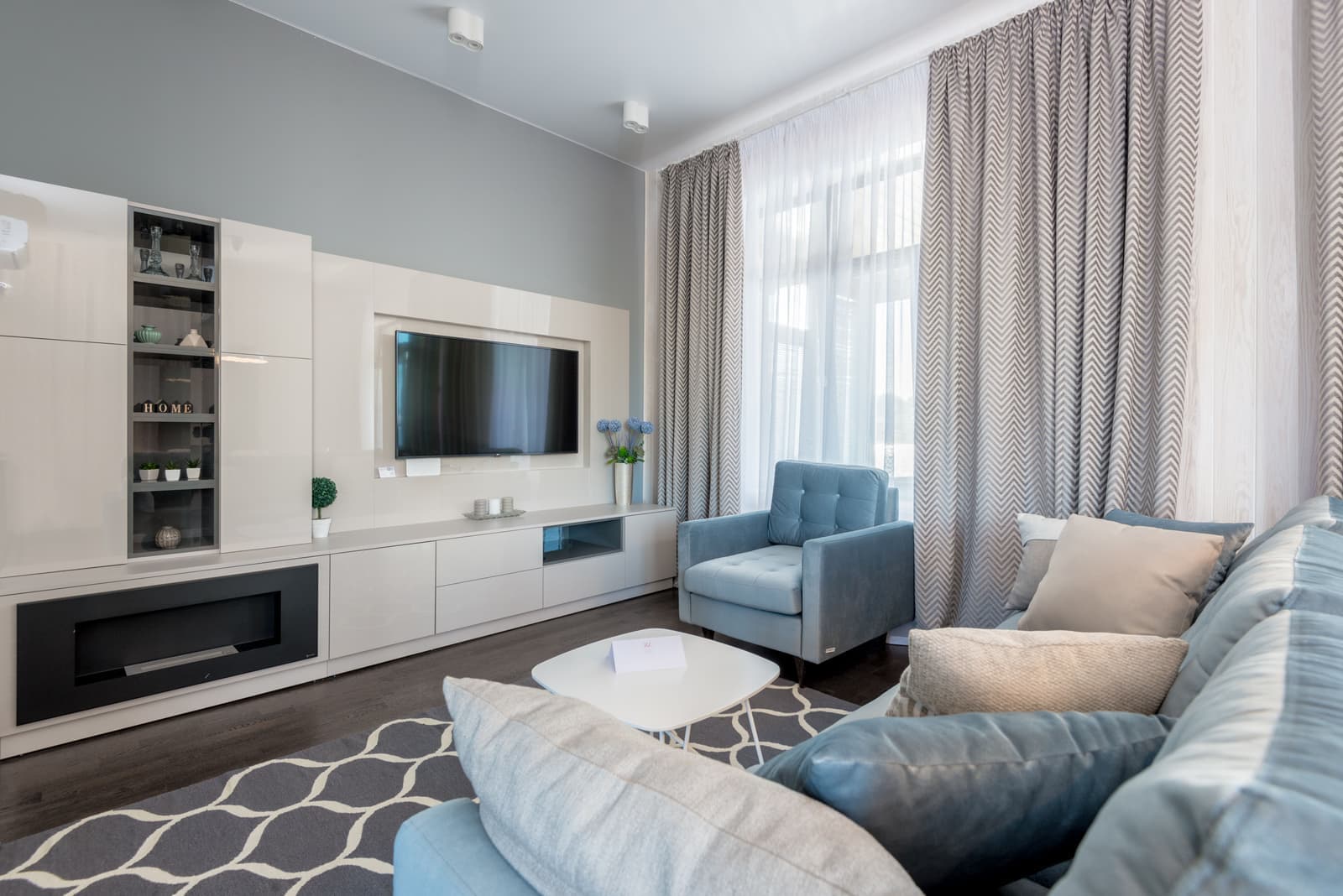
Best curtains for TV glare
Kill the reflection on the screen without turning the living room into a cinema at 2pm.
#ad We don’t show prices — check the current one on Amazon. How we’re funded
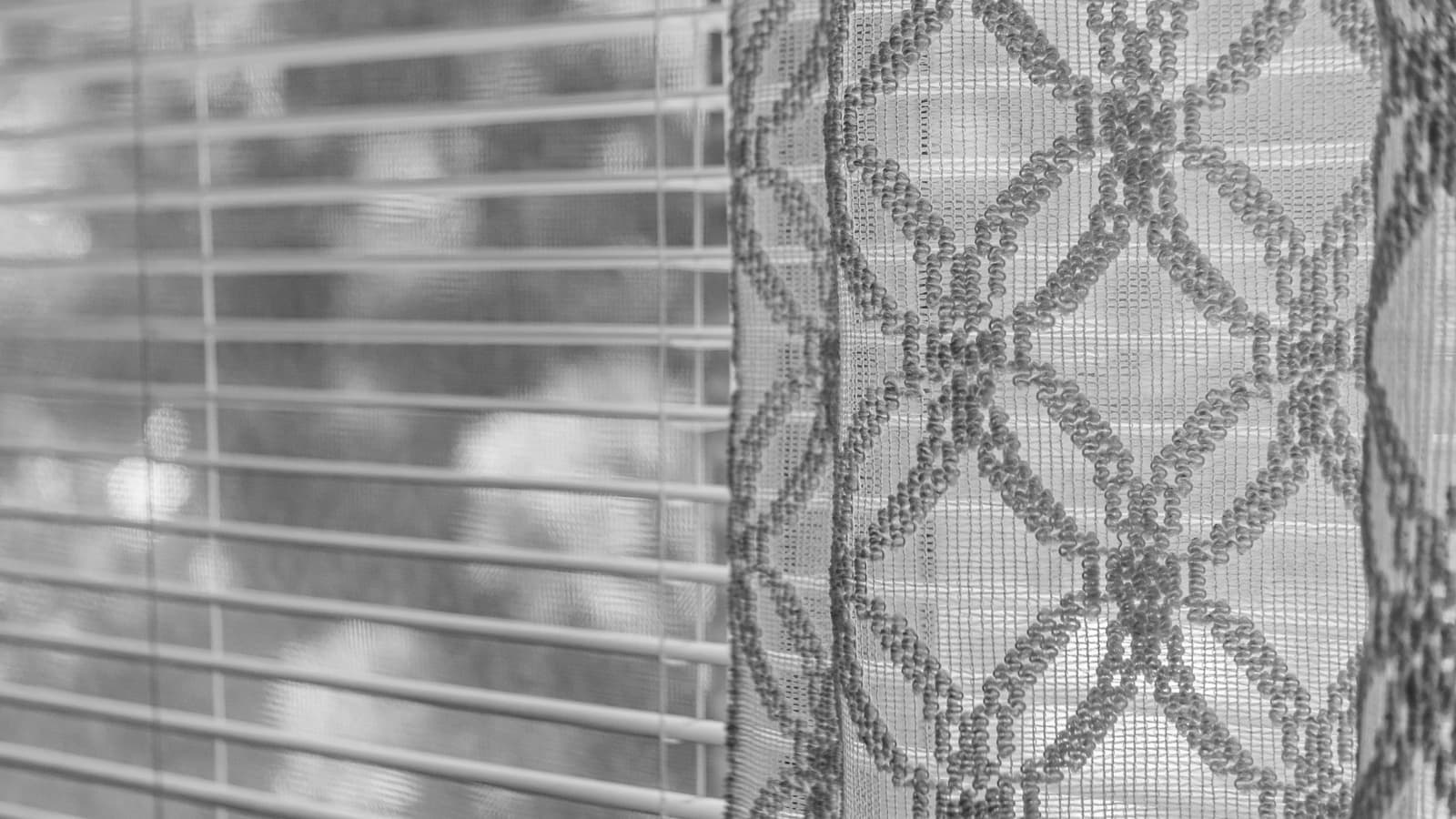
Comparison
Sheer vs light filtering curtains
Transparent versus translucent — and what that changes for privacy and glare.
#ad We don’t show prices — check the current one on Amazon. How we’re funded
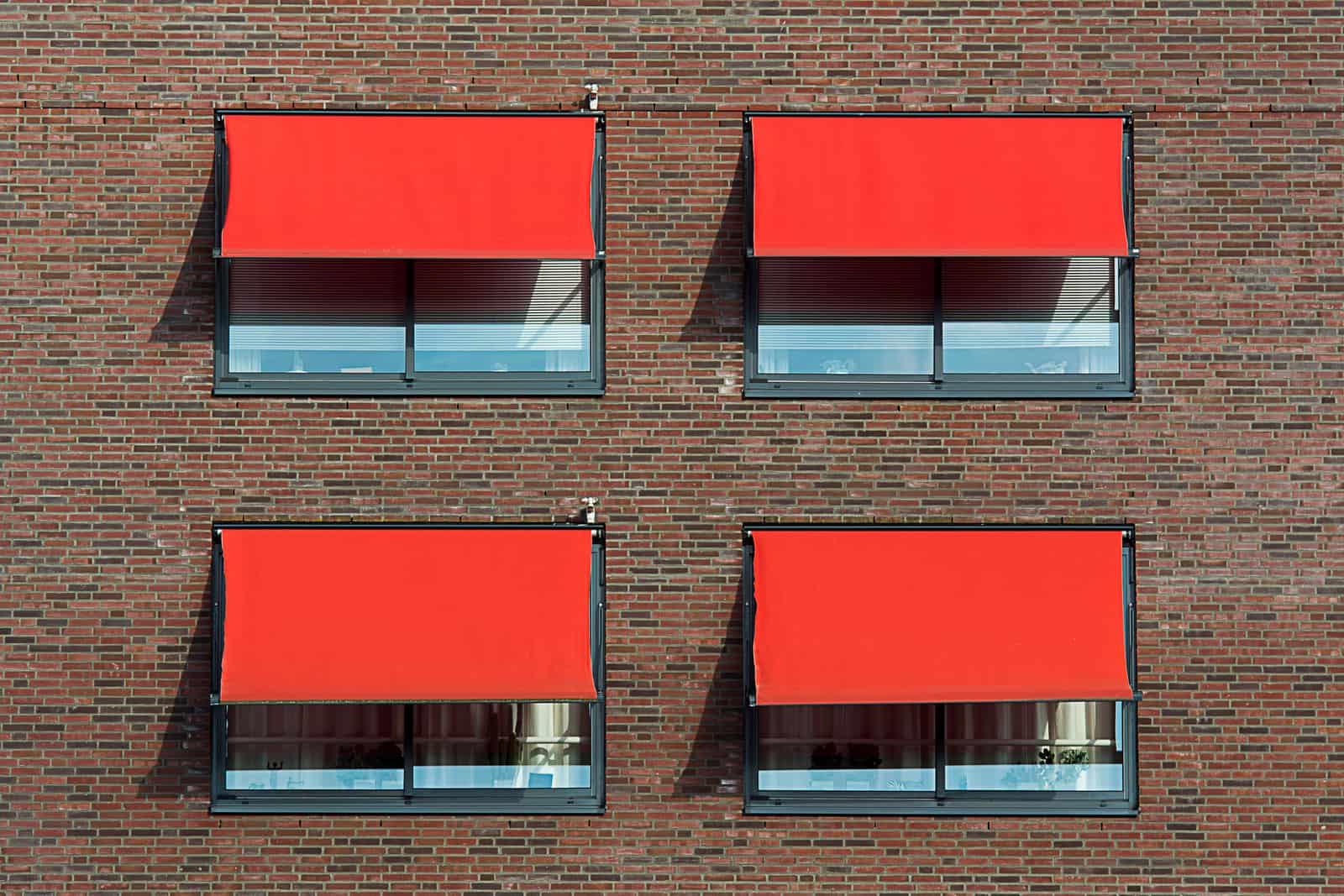
Comparison
Roller shades vs cellular shades
Keep the view or keep the heat — the one trade-off that decides between them.
#ad We don’t show prices — check the current one on Amazon. How we’re funded
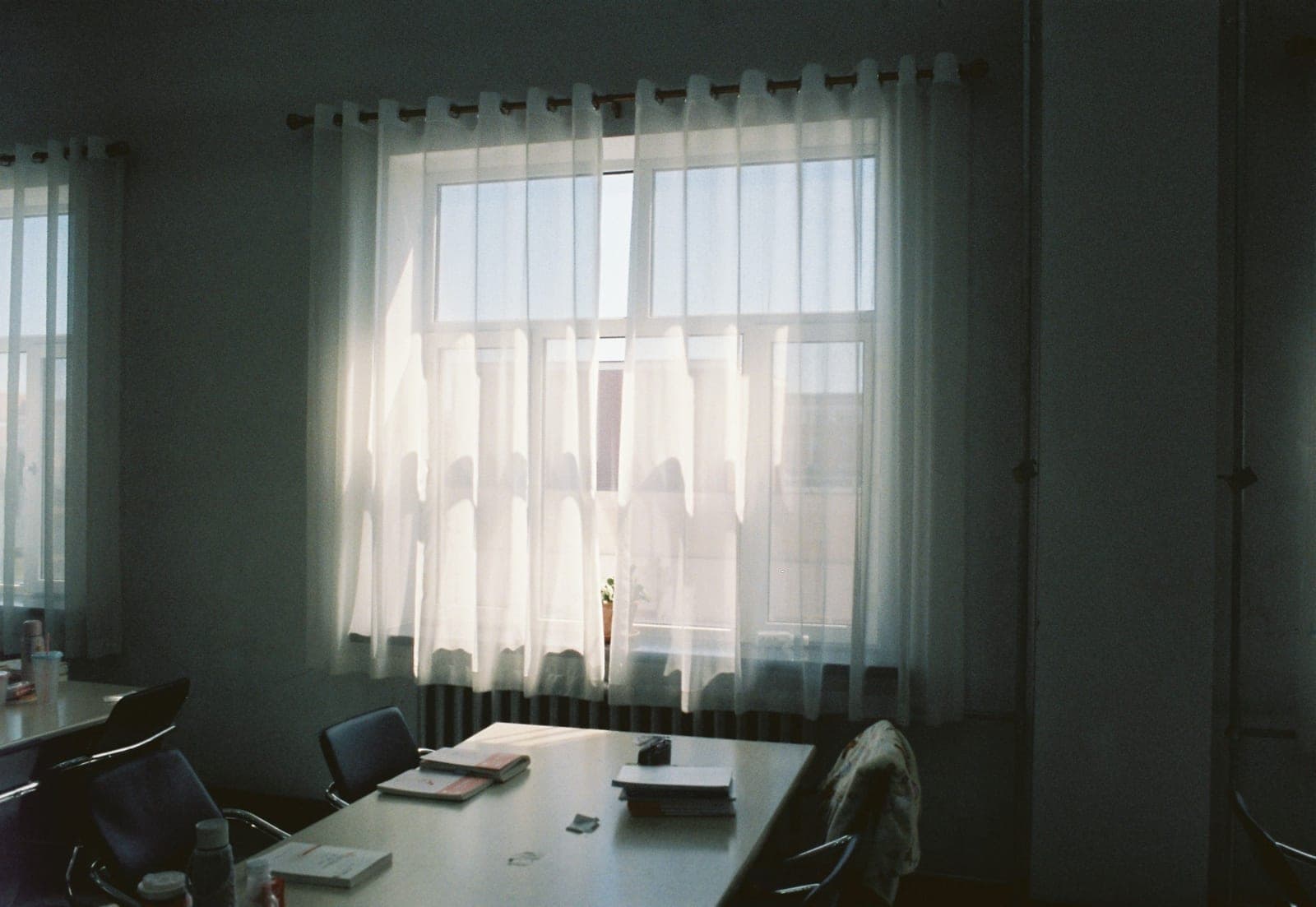
Guide
Do sheer curtains reduce glare?
Yes — for direct sun through the panel. No — for a low sun arriving underneath it.
#ad We don’t show prices — check the current one on Amazon. How we’re funded

Guide
How to stop screen glare from windows
Diagnose reflected versus veiling glare, then fix it — starting with the free option.
#ad We don’t show prices — check the current one on Amazon. How we’re funded
Guide
Outdoor and patio roller shades
Stop the sun before it reaches the glass — mounting, wind and realistic expectations.
#ad We don’t show prices — check the current one on Amazon. How we’re funded
Options
The three things that fix glare
Sheers hang in front of the window and diffuse sunlight into soft ambient light. They are the cheapest fix, the easiest to hang, and they keep the view — mostly. The catch is that a sheer never fully controls a low sun. When the sun drops below the top of the window in late afternoon it comes in under the panel at an angle and the glare comes back for an hour. Sheers also do nothing for privacy after dark.
Light-filtering roller shades pull down from the top, which makes them the correct answer to a low sun. You lower the shade to exactly the height of the problem and leave the rest of the window clear. Roller shades made from solar screen fabric are specified by openness factor — the percentage of the weave that is actually holes. A 5% openness screen kills most glare and keeps a ghost of the view; 1 to 3% is near-opaque in daylight; 10% keeps a clear view and only takes the edge off. That number tells you more than any product description.
Cellular and zebra shades sit in between. A light-filtering cellular shade diffuses beautifully and insulates at the same time, but you cannot see out of it at all. A zebra (dual-roller) shade alternates sheer and opaque bands so you can slide between a clear view and a filtered one — genuinely useful on a window that is a glare problem in the afternoon and a privacy problem at night.
Diagnosis
Match the fix to the hour
| The problem | What's actually happening | What fixes it |
|---|---|---|
| Screen unreadable, sun behind you | Direct light reflecting off the display | Diffuse the source: sheer or light-filtering shade on that window |
| Screen unreadable, window in front of you | Your eye is adapting to the bright window, not the screen | Lower the window's brightness: 3–5% openness roller shade |
| Late-afternoon beam under the curtain | Sun below the top of the window | Top-down covering: roller or cellular shade, lowered to the beam |
| Sun stripe fading a sofa or floor | Direct UV on one surface | Solar screen shade during peak hours |
| Bright but no hotspot, room still feels harsh | High contrast between window and walls | Sheers across the whole window; keeps light, drops contrast |
Before you spend
What to check before you buy
- Which direction does the window face? East is a morning problem, west is an afternoon one, south is all-day in winter. North windows rarely have a glare problem at all and usually need nothing.
- Do you need the view? If yes, you want a roller with a stated openness factor or a zebra shade — not a cellular, which is opaque by design.
- Is privacy part of it? Sheers and solar screens both go transparent at night, from the outside in, once the lights are on indoors. If that matters, you need a second layer — see the privacy hub.
- Inside or outside mount? For glare, inside mount is usually fine: you are not chasing edge-to-edge darkness, so a small light gap at the sides costs you nothing. That makes glare the easiest problem to solve in a rental.
How we choose
Every pick on this site is selected on published specifications and materials, on fitness for the specific problem the page is about, and on the failure patterns that keep coming up in owner feedback. We do not lab-test these products, we do not own a light meter, and we say so rather than implying otherwise. Where a measurement appears it is a manufacturer’s published figure or a named third-party source. Read the full methodology →
FAQ
Questions people actually ask
Do sheer curtains actually reduce glare?
Yes, for direct sun arriving above the panel's coverage. A sheer scatters a hard beam into soft ambient light, and for most living rooms that is the whole fix. It works less well for low afternoon sun, which arrives under the curtain at an angle. Detail in do sheer curtains reduce glare.
What openness factor should I get for a roller shade?
For a work screen, 3% or 5% — enough to cut the glare while keeping some of the view. For pure comfort in a living room, 10% keeps a clear view and takes the edge off. Below 3% and you have effectively bought a room-darkening shade with a slightly different name.
Will light-filtering shades still give me privacy?
During the day, from outside, mostly yes. At night, no — once your lights are on and it is dark outside, the effect reverses and a light-filtering shade shows silhouettes clearly. This surprises people every time. The fix is a second, opaque layer or a dual shade.
Sheers or a roller shade — which should I pick?
Sheers if the window is decorative and the glare is general; a roller if the glare is a specific beam at a specific hour, because you can lower a roller to exactly the height that hurts and leave the rest of the window open. Many rooms end up with both: sheers for the look, a roller behind for the two bad hours.
Does glare-control fabric block heat too?
Solar screen fabric does, meaningfully — it is designed to reject a share of solar radiation before it enters the room, and the tighter the weave the more it rejects. A plain polyester sheer does almost nothing thermally. If heat matters as much as glare, start at keeping heat out.
Also dealing with
Another problem at the same window?
About the author
Janet H.
Janet H. is the owner of Janet Media Group and the person behind Drape & Dawn. She researches every pick against the site's published methodology.
Published by Janet Media Group · Last updated September 23, 2026