Problem 03
Privacy: being seen when you didn't plan to be
Street-facing glass, a neighbor's window ten feet away, a bathroom that overlooks a path — and the awkward fact that privacy reverses after dark.
Start here
Here is the thing about window privacy that almost nobody is told before they buy: it reverses at night. Every product that gives you daytime privacy by being brighter on the outside than the inside — sheers, solar screens, frosted film, one-way mirror film, light-filtering shades — stops working the moment the sun goes down and your lamps come on. The bright side is now indoors. The transparency flips with it, and you become considerably more visible than you were at noon.
This single fact explains most privacy disappointment. People test a product at 2pm, see a satisfying blur from the sidewalk, and discover at 9pm that they have been broadcasting. So the useful question is not "is this private". It is "is this private at the hour I actually care about" — and for most homes that hour is after dark.
The second useful question is what kind of privacy you need. Obscuring a silhouette is a much easier job than blocking sightlines into a specific part of the room, and the products differ accordingly. A bathroom needs full obscurity at head height. A street-facing living room usually just needs the bottom third of the window handled.
Drape & Dawn earns a commission from qualifying purchases made through links on this page, at no extra cost to you. It does not change what we recommend. Full disclosure.
Start with this one
Basics Cordless Faux Wood Blinds, 2" routeless slats
LEVOLOR · Best overall
Two-inch faux wood slats with the cord route moved off the face of the slat, so they close without a column of light pinholes down the middle. Cordless lift, stock sizes that cover most standard openings, and the humidity tolerance faux wood gives you.
#ad We don’t show prices — check the current one on Amazon. How we’re funded
Everything in this section
The pages that solve it
Picks
Best blinds for privacy
Aim your privacy with slats — plus the routeless detail that decides if they close properly.
#ad We don’t show prices — check the current one on Amazon. How we’re funded
Picks
Best privacy curtains
Opaque panels that stop a silhouette at night — without making the room gloomy by day.
#ad We don’t show prices — check the current one on Amazon. How we’re funded
Picks
Best window privacy film
Renter-safe privacy with no hardware — and why mirrored film is the one to avoid.
#ad We don’t show prices — check the current one on Amazon. How we’re funded
Comparison
Top down bottom up vs standard shades
Cover the half people see through, keep the half that gives you daylight.
#ad We don’t show prices — check the current one on Amazon. How we’re funded
Guide
Which way to turn blinds for privacy
Slats up blocks the street; slats down blocks the upstairs neighbor. Here's why.
Guide
Privacy at night without losing daylight
Daytime tricks reverse after dark — the layered setups that handle both.
#ad We don’t show prices — check the current one on Amazon. How we’re funded
Guide
Bathroom window privacy options
Privacy that survives steam — film, cellular shades, faux wood and café curtains compared.
#ad We don’t show prices — check the current one on Amazon. How we’re funded
Comparison
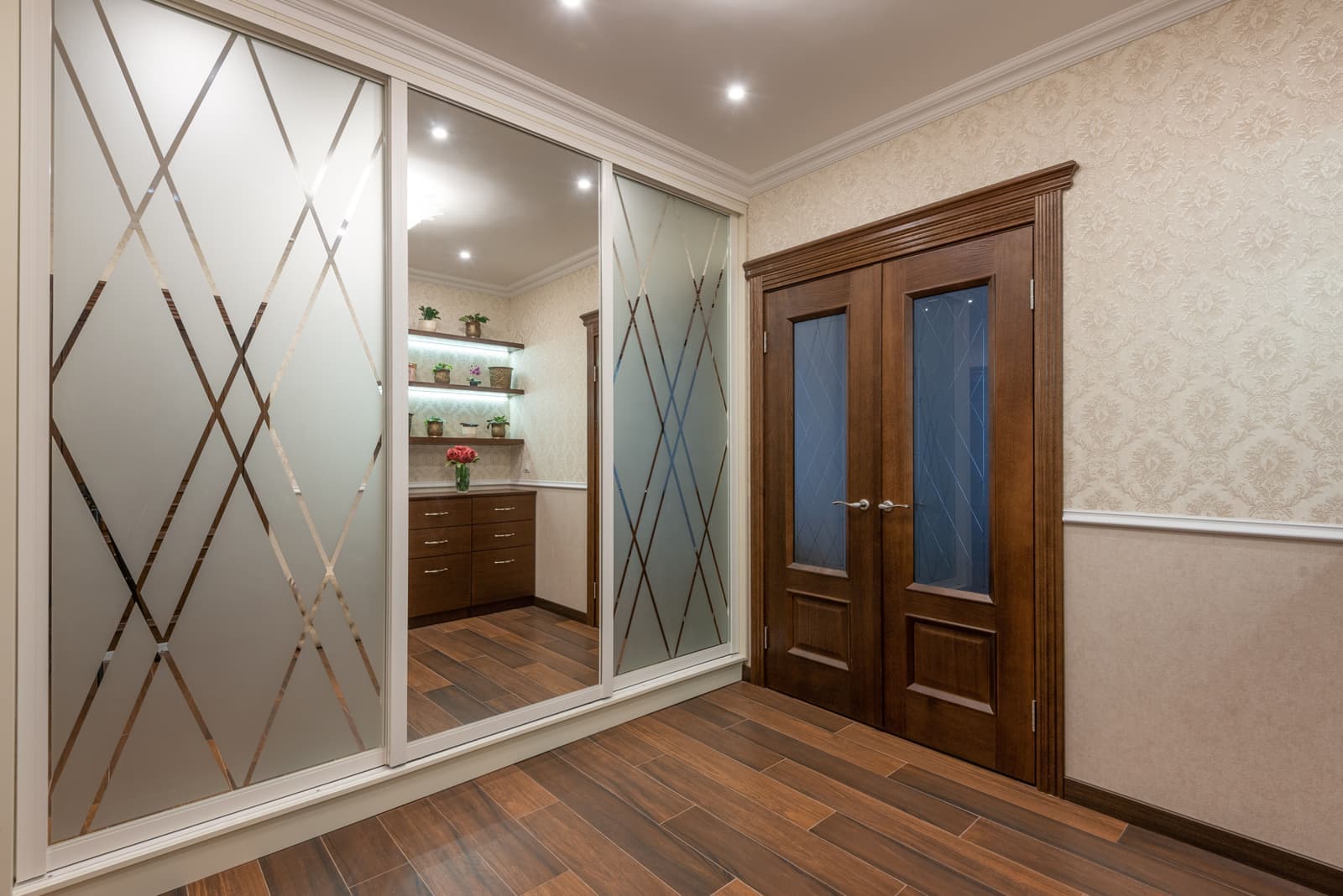
Privacy film vs frosted glass
Same look, very different commitment — and cost.
#ad We don’t show prices — check the current one on Amazon. How we’re funded
Options
The four approaches
Slatted blinds are the only product on this list that lets you aim your privacy. Tilt the slats and you choose what a person at a given height can see — which is why they remain the default for street-level windows. They work at night as well as during the day, provided you turn them the right way, and that direction matters more than people think: which way to turn blinds for privacy explains why.
Privacy film is a permanent-feeling fix for a window you never need to see out of — a bathroom, a stairwell, a front door sidelight. Static-cling film goes on with water alone, peels off cleanly, and is the one genuinely renter-safe option in this category. The limitation is absolute: film does not adjust. What it obscures, it obscures all the time. And the mirror-finish "one-way" films are the worst offenders for the night reversal — they depend entirely on which side is brighter.
Top-down bottom-up shades are the most underrated product in window treatments and the correct answer to the most common privacy request there is: cover the lower half of the window, keep the daylight and the sky. You lower the shade from the top instead of raising it from the bottom. Street-facing rooms that would otherwise sit in permanent gloom stay bright all day.
Opaque curtains are the blunt instrument, and blunt is sometimes right. Nothing beats a lined panel drawn across the glass at night. The trade is that it is all-or-nothing and you lose the window entirely while it is closed, which is why most street-facing rooms work best with curtains layered over something adjustable.
Diagnosis
Pick by what you're actually covering
| Situation | Daytime | After dark | Best fit |
|---|---|---|---|
| Street-level living room | Lower half only | Full coverage wanted | Top-down bottom-up shade, curtains for evening |
| Bathroom | Full obscurity | Full obscurity | Privacy film, or a cellular shade |
| Bedroom facing a neighbor | Partial | Full — and dark | Blackout shade or lined curtain; see the blackout hub |
| Front door sidelight | Obscure silhouettes | Same | Static-cling film |
| Kitchen over a sink | Rarely needed | Partial | Café curtain or a light-filtering shade |
| Home office on a ground floor | Screen not visible from outside | Full | Blinds, tilted slats-up |
Honest limits
What privacy products don't do
No window covering is a security product. Obscuring a view makes a room less interesting to a passerby, and that is genuinely worth something — but any listing that frames film or blinds as a security measure is selling past what the product does.
Frosted film also does not block light, and this is a feature rather than a flaw. It scatters light instead of stopping it, so a bathroom with film on the glass stays bright and becomes unviewable at the same time. If you want privacy and darkness, film is the wrong product and a blackout cellular shade is the right one.
How we choose
Every pick on this site is selected on published specifications and materials, on fitness for the specific problem the page is about, and on the failure patterns that keep coming up in owner feedback. We do not lab-test these products, we do not own a light meter, and we say so rather than implying otherwise. Where a measurement appears it is a manufacturer’s published figure or a named third-party source. Read the full methodology →
FAQ
Questions people actually ask
Can people see through my blinds at night?
If the slats are open at all, yes — more than you would expect, because the room is now the bright side. Closing them fully is the fix, and turning them so the curved side faces out (slats up on the inside) closes the sightline from below, which is the one that matters at street level.
Does window privacy film work at night?
Frosted and patterned films work in both directions because they physically scatter light rather than depending on a brightness difference. Mirrored or 'one-way' films do not: they reverse after dark and show the inside of the room clearly. For a window that matters at night, pick frosted, not mirrored.
What's the best privacy option that still lets light in?
A top-down bottom-up shade, by a distance. It covers the bottom of the window — the part people can see through — and leaves the top open for daylight and sky. Compared against standard shades in top-down bottom-up vs standard shades.
Are sheer curtains private?
During the day, at a distance, roughly. At night, no — not at all. A sheer with the lights on behind it shows silhouettes clearly from outside. Treat sheers as a glare and softness product that happens to give a little daytime privacy, never as a privacy product.
What's the best renter-friendly privacy fix?
Static-cling privacy film. It needs no adhesive, applies with water and a squeegee, peels off with no residue at move-out, and can be repositioned while you get it straight. For an adjustable option, a cut-to-size cordless shade in the recess plus a tension rod — see the renter-safe hanging hub.
Also dealing with
Another problem at the same window?
About the author
Janet H.
Janet H. is the owner of Janet Media Group and the person behind Drape & Dawn. She researches every pick against the site's published methodology.
Published by Janet Media Group · Last updated September 23, 2026