Roundup
Best curtain rods
The rod is the part everyone underspends on and the part that decides whether the curtains work.
By Janet H. · Last updated September 23, 2026 · How we choose
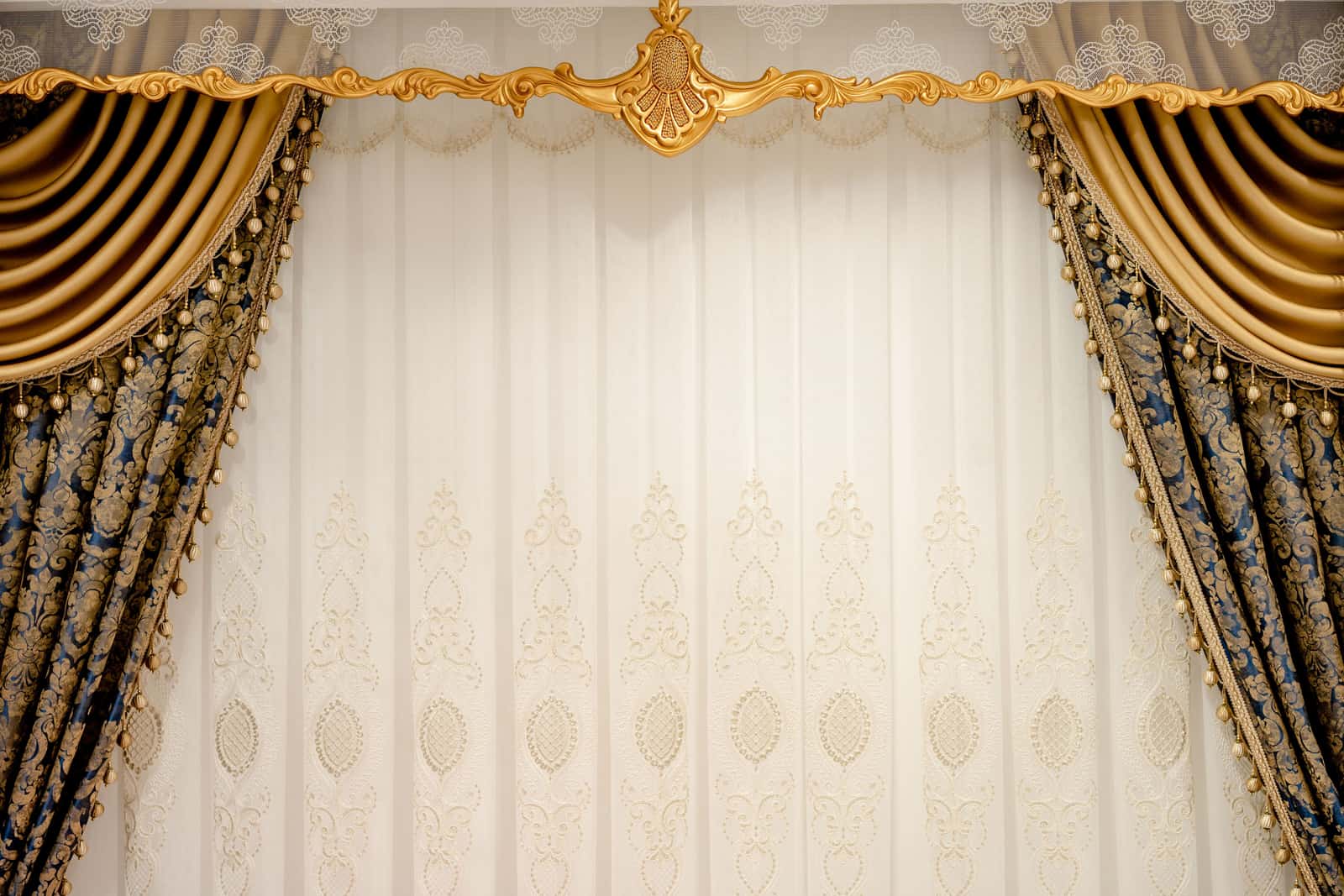
The rod is the component people spend least on and the one that determines whether everything else works. Too narrow and light comes down both sides of the curtain. Too thin and it bows in the middle within a month. Mounted too low and the window looks squat and leaks light over the top. None of that is fixable by buying better curtains.
Two numbers do most of the work. Width: the window plus 8 to 12 inches, so panels stack on the wall rather than over the glass and there is overlap at the edges. Diameter: 1 inch for anything lined or heavy, 5/8 inch only for sheers and short spans. Then add a center support bracket over about 60 inches of span, and two over 96.
Drape & Dawn earns a commission from qualifying purchases made through links on this page, at no extra cost to you. It does not change what we recommend. Full disclosure.
Before the list
What separates a good rod from a cheap one
Wall thickness, not just diameter. Two rods can both measure 1 inch and behave completely differently depending on how thick the tube wall is. A lock-seam steel rod resists bending far better than a thin-wall aluminum one of the same diameter. You can feel it in the hand.
The brackets. Most rod sets fail at the bracket rather than the rod — thin stamped brackets flex under load and let the rod droop at the ends. Look for brackets with a real fixing plate and more than one screw hole.
Projection and returns. Projection is how far the rod stands off the wall; it needs to clear whatever is behind the curtain, including a blind headrail or a deep sill. A return is a bend that carries the rod back to the wall at each end, closing the gap between panel and wall — which is the single biggest light leak on a badly-hung blackout curtain. Wrap-around rods build that return in.
| # | Best for | Product | Diameter | Construction | Best load | Price |
|---|---|---|---|---|---|---|
| 1 | Best overall | Heavy-duty lock-seam drapery rod sets Lined, thermal or blackout panels, and any span over about 60 inches where a lighter rod would sag. | 3/4–1 in | Lock-seam steel | Heavy | Check price on Amazon #ad We don’t show prices — check the current one on Amazon. How we’re funded |
| 2 | Best for blocking light | Room Darkening Blackout Curtain Rod, wrap-around Any bedroom where the point of the curtains is darkness. This is the single highest-value hardware upgrade for a blackout setup. | ~1 in | Steel, wrap-around | Medium to heavy | Check price on Amazon #ad We don’t show prices — check the current one on Amazon. How we’re funded |
| 3 | Best value | Drapery Treatment Window Curtain Rod Standard windows with medium-weight curtains, and anyone doing several windows at once where the cost adds up. | 3/4 in | Steel | Light to medium | Check price on Amazon #ad We don’t show prices — check the current one on Amazon. How we’re funded |
| 4 | Best looking | Chelsea decorative window curtain rod Living rooms, dining rooms and bedrooms where the rod is visible and the curtains are medium weight. | 5/8–1 in | Steel | Light to medium | Check price on Amazon #ad We don’t show prices — check the current one on Amazon. How we’re funded |
| 5 | Best no-drill option | Rogers Twist & Fit No Tools Camlock Tension Rod Rentals, and any window where a wall fixing is not an option. | 5/8 in | Steel, camlock | Light | Check price on Amazon #ad We don’t show prices — check the current one on Amazon. How we’re funded |
01 — Best overall
Heavy-duty lock-seam drapery rod sets
Rod Desyne
Lock-seam steel construction with brackets substantial enough to match. Lock-seam means the tube is rolled and locked rather than thin-walled extrusion, which is what stops it bowing under a pair of lined panels across a wide span. Sets include brackets and fixings.
Who it’s for: Lined, thermal or blackout panels, and any span over about 60 inches where a lighter rod would sag.
The catch: Heavier and plainer than decorative alternatives. If the rod is meant to be a feature of the room, the finish options here are functional rather than beautiful.
At a glance
- Diameter
- 3/4–1 in
- Construction
- Lock-seam steel
- Best load
- Heavy
- Includes
- Rod, brackets, fixings
- Center support
- Recommended over 60 in
#ad We don’t show prices — check the current one on Amazon. How we’re funded
02 — Best for blocking light
Room Darkening Blackout Curtain Rod, wrap-around
Amazon Basics
A curved wrap-around rod whose ends bend back to the wall, so the curtain edge meets the wall instead of ending in open air. That built-in return closes the biggest light path on a blackout installation without needing separate return brackets.
Who it’s for: Any bedroom where the point of the curtains is darkness. This is the single highest-value hardware upgrade for a blackout setup.
The catch: The curve means the panel cannot slide all the way to the wall, so the stack sits slightly further onto the glass when open. A small price for closing the side gaps.
At a glance
- Diameter
- ~1 in
- Construction
- Steel, wrap-around
- Best load
- Medium to heavy
- Includes
- Rod, brackets, fixings
- Center support
- Included on wider sizes
#ad We don’t show prices — check the current one on Amazon. How we’re funded
03 — Best value
Drapery Treatment Window Curtain Rod
Ivilon
A straightforward rod-and-bracket set at a sensible price, in the diameters and spans that cover most standard windows. Everything needed is in the box, which is not universally true in this category.
Who it’s for: Standard windows with medium-weight curtains, and anyone doing several windows at once where the cost adds up.
The catch: Bracket hardware is adequate rather than generous. On a wide span with heavy panels, add a center support rather than trusting the two end brackets.
At a glance
- Diameter
- 3/4 in
- Construction
- Steel
- Best load
- Light to medium
- Includes
- Rod, brackets, fixings
- Center support
- Add over 60 in
#ad We don’t show prices — check the current one on Amazon. How we’re funded
04 — Best looking
Chelsea decorative window curtain rod
Kenney
A decorative rod with finials designed to be seen, in finishes that suit a living room where the hardware is part of the look rather than a thing to hide behind a valance.
Who it’s for: Living rooms, dining rooms and bedrooms where the rod is visible and the curtains are medium weight.
The catch: Decorative finials add length beyond the bracket span, so measure the wall you actually have — a rod that fits the window may not fit between a window and a corner.
At a glance
- Diameter
- 5/8–1 in
- Construction
- Steel
- Best load
- Light to medium
- Includes
- Rod, finials, brackets
- Center support
- Add over 60 in
#ad We don’t show prices — check the current one on Amazon. How we’re funded
05 — Best no-drill option
Rogers Twist & Fit No Tools Camlock Tension Rod
Kenney
Here for renters and anyone who cannot drill. A camlock tension rod inside the recess holds light curtains with no fixings at all, and the mechanical lock holds its tension better than a spring does.
Who it’s for: Rentals, and any window where a wall fixing is not an option.
The catch: It lives inside the recess, so it cannot be wider or higher than the window — which means it structurally cannot fix edge light. Light curtains only.
At a glance
- Diameter
- 5/8 in
- Construction
- Steel, camlock
- Best load
- Light
- Includes
- Rod only
- Center support
- Not possible
#ad We don’t show prices — check the current one on Amazon. How we’re funded
Buying guide
Choosing and fitting
Sizing the rod
Buy a rod whose adjusted length sits comfortably in the middle of its range, not at the very end. Telescoping rods are weakest at full extension, because the overlap between the two halves is minimal there. A rod rated 48–84 inches used at 80 inches is a much floppier object than the same rod used at 60.
Anchoring into the wall
Hit a stud where you can. Where you cannot, use a toggle or a self-drilling anchor rated well above the load — not the small gray plastic plugs that come in the box, which are the commonest cause of a bracket pulling out and taking a lump of drywall with it. Lined panels plus a rod can run to 15 pounds or more.
Center supports
Over 60 inches, add one. Over 96, add two. A center bracket costs very little and means you can use a lighter rod than you otherwise would. The only catch is that a standard center bracket blocks the curtain from sliding past it — if you need panels to travel the full width, use a support designed to let rings pass.
Rings or no rings
Rings slide better than anything, hold a pleated header correctly, and let you use a plain curtain on a rod without grommets. Grommet panels slide directly on the rod and need none. Rod-pocket panels gather onto the rod and effectively do not move at all — fine for a fixed decorative panel, frustrating on a curtain you open twice a day.
Methodology
How we chose
Selection is on construction, diameter and bracket design, on the span range each product covers, and on whether the set includes the hardware you actually need. We do not load-test rods and do not state a capacity of our own. Methodology.
FAQ
Questions people actually ask
How wide should a curtain rod be?
The window width plus 8 to 12 inches total, so the rod extends 4 to 6 inches past the frame on each side. That lets open panels stack on the wall rather than over the glass, and gives the overlap that stops light at the edges.
What diameter curtain rod do I need?
1 inch for lined, thermal or blackout panels and for any wide span. 5/8 inch is fine for sheers and short windows. Wall thickness matters as much as diameter — a lock-seam steel rod resists bending far better than a thin-wall tube of the same size.
When do I need a center support bracket?
Over about 60 inches of span, and two supports over 96 inches. Without one, a rod carrying lined panels will visibly bow within weeks. A center bracket also lets you use a lighter rod than you otherwise could.
What is a wrap-around curtain rod?
A rod whose ends curve back to the wall, so the curtain edge meets the wall instead of hanging in open air. It closes the side gap that causes most blackout disappointment, without needing separate return brackets.
Can I hang a curtain rod into drywall without studs?
Yes, with proper toggle or self-drilling anchors rated well above the load — not the small plastic plugs supplied in most boxes. A rod plus lined panels can exceed 15 pounds, which those plugs will not hold indefinitely.
Keep going
Read next
Rods & Mounting
What size curtain rod do I need?
Window plus 8 to 12 inches — with the full size table and support rules.
Rods & Mounting
Best curtain rods for heavy curtains
What carries lined blackout panels without bowing — rod, bracket and anchor.
Rods & Mounting
How high to hang curtains
Higher than you think — ceiling height to rod height to curtain length.

Blackout
How to fix curtain light gaps
Close the side, top, middle and bottom gaps — the cheapest fix for a bright room.
Renter-Friendly
Best no-drill curtain rods
Match the mount to the weight and surface — what each no-drill option really holds.
About the author
Janet H.
Janet H. is the owner of Janet Media Group and the person behind Drape & Dawn. She researches every pick against the site's published methodology.
Published by Janet Media Group · Last updated September 23, 2026