Index
Picks by room
Every room asks a different question of its windows. Here's what each one actually needs, and which problem to solve first.
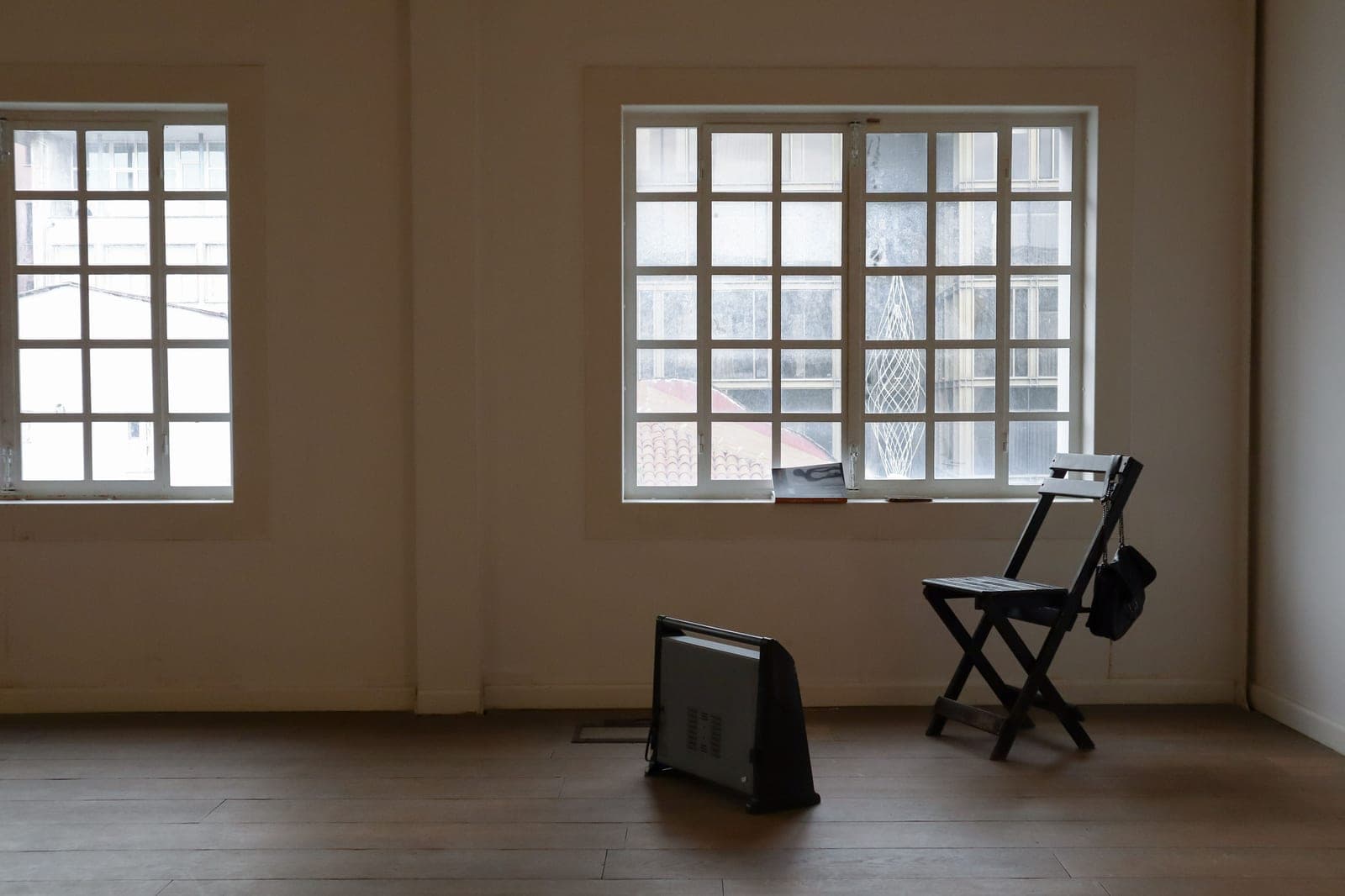
Start here
Room-by-room is how people shop and problem-by-problem is how windows actually work, so these pages do the translation. Each one starts with the two or three window problems that room reliably has, names the product category that solves each, and sends you to the roundup where we make the actual picks.
The value in thinking room-first is that it surfaces the conflicts. A kitchen window is a moisture and cleaning problem before it is a light problem. A bathroom needs privacy that survives steam. A nursery needs blackout and must have a cordless lift, which is a safety requirement rather than a preference. Those constraints rule out whole product categories before you get anywhere near choosing a color.
Drape & Dawn earns a commission from qualifying purchases made through links on this page, at no extra cost to you. It does not change what we recommend. Full disclosure.
Start with this one
Thermal Insulated Blackout Curtains
NICETOWN · Best curtain layer
Triple-weave blackout with no coating to crack, washable, and available in 108-inch drops for a near-ceiling mount. Mounted wide and high it closes the side and top light paths that a shade cannot reach.
#ad We don’t show prices — check the current one on Amazon. How we’re funded
Everything in this section
Where to go next
Room
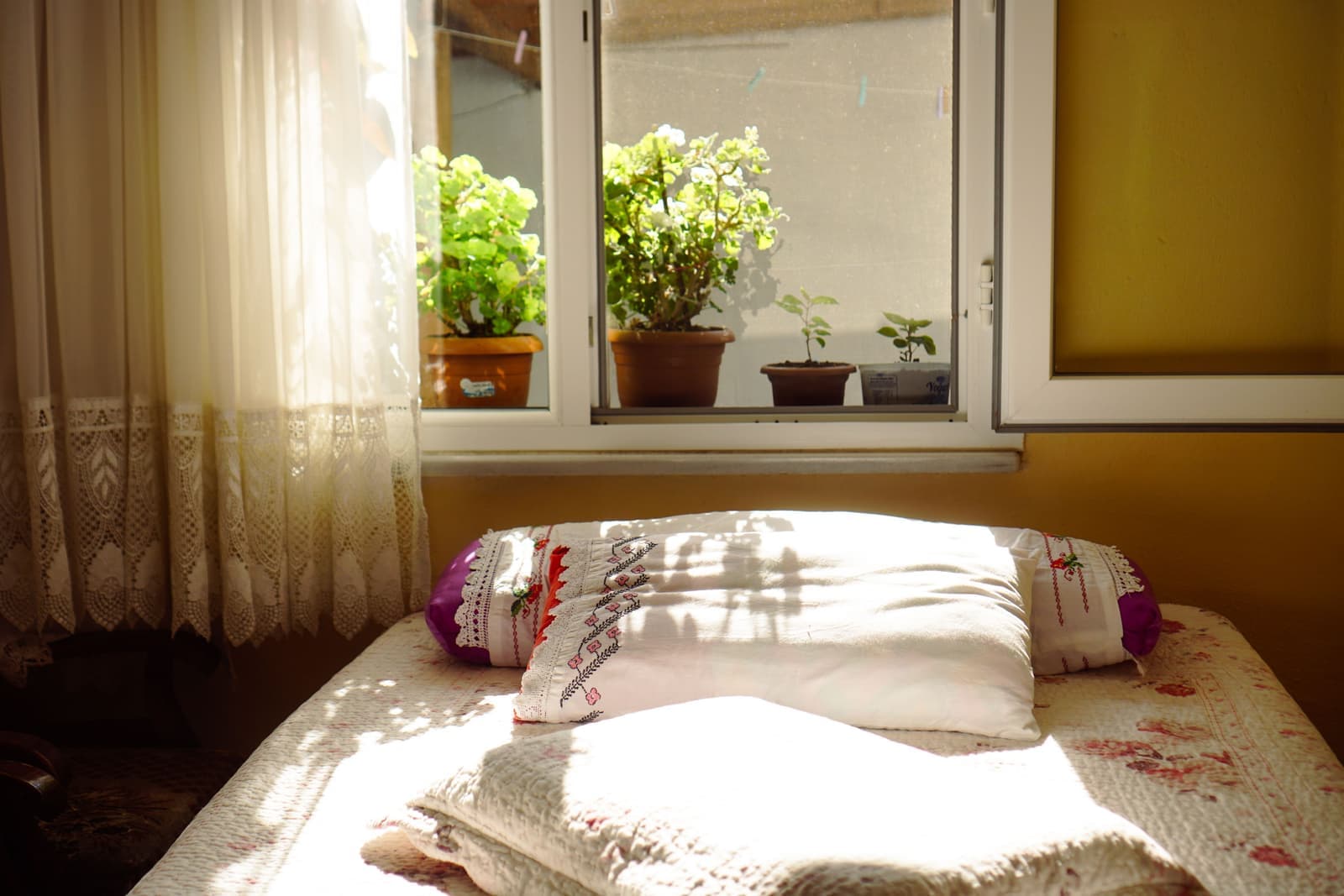
Window treatments for a bedroom
Darkness, warmth and privacy from one window — in the right order.
#ad We don’t show prices — check the current one on Amazon. How we’re funded
Room
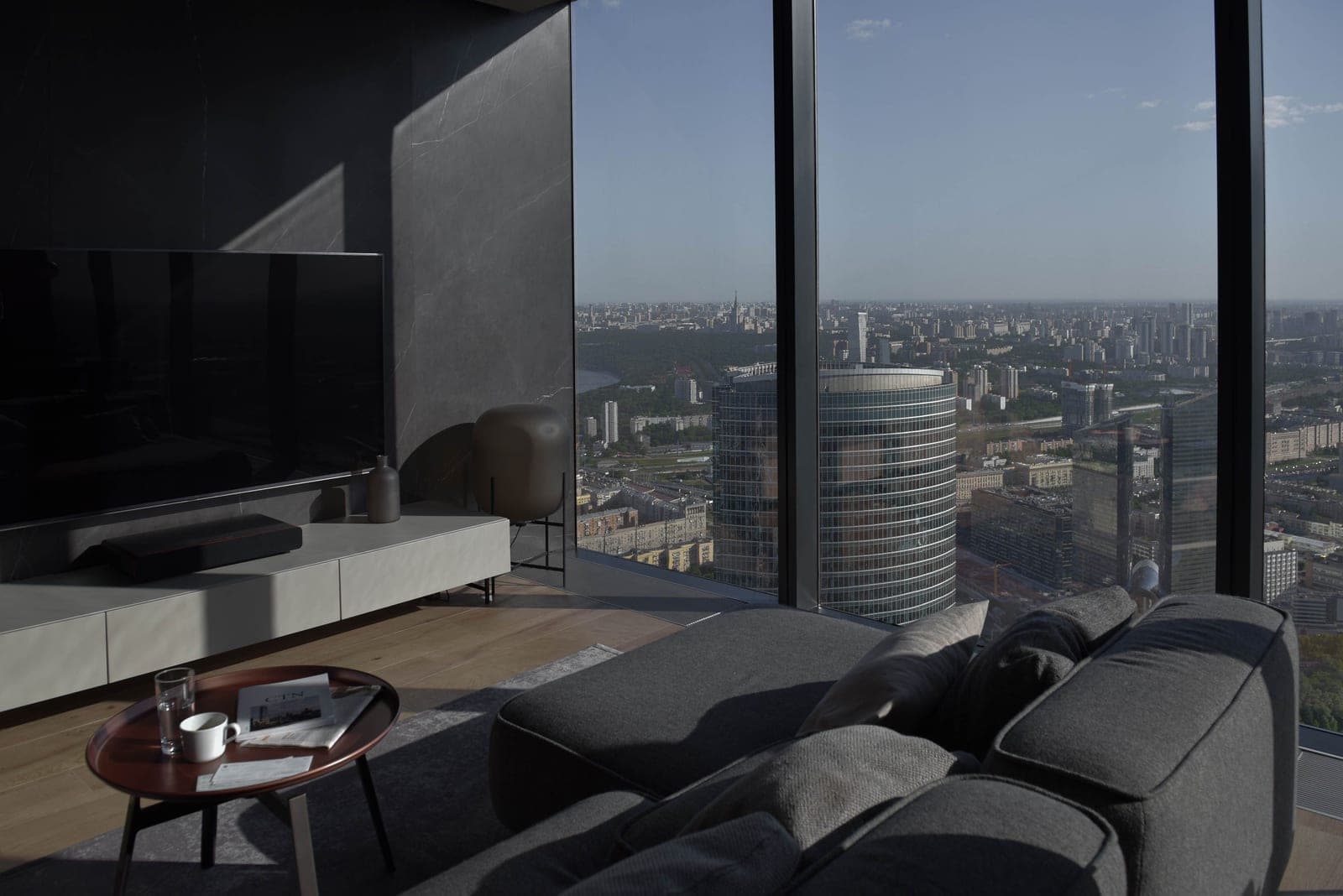
Window treatments for a living room
Glare, evening privacy and a big opening — handled with two light layers, not one heavy one.
#ad We don’t show prices — check the current one on Amazon. How we’re funded

Room
Window treatments for a kitchen
A cleaning problem before a light problem — choose the material first.
#ad We don’t show prices — check the current one on Amazon. How we’re funded
Room
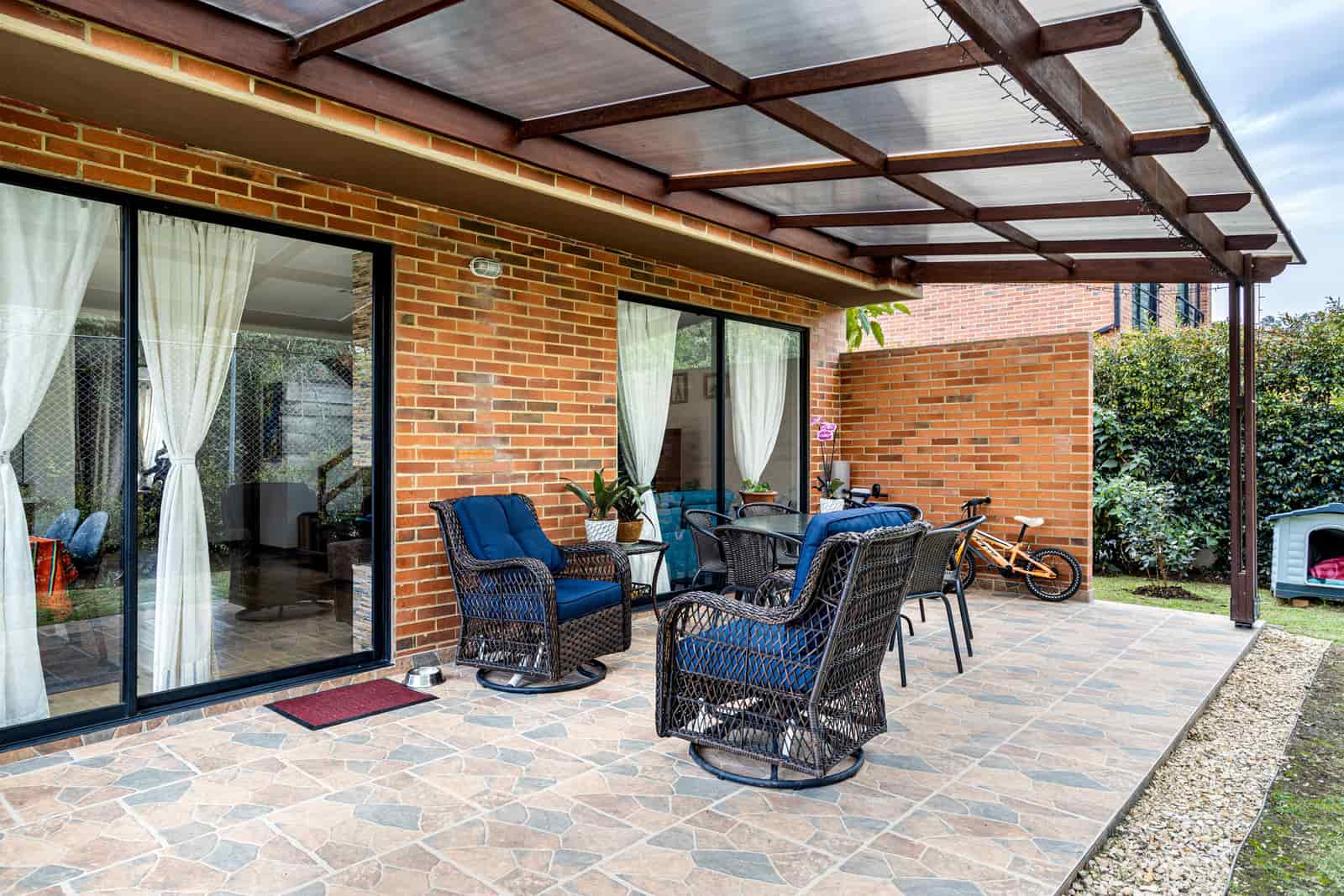
Window treatments for sliding glass doors
Wide, walked through daily, and usually the coldest surface in the room.
#ad We don’t show prices — check the current one on Amazon. How we’re funded
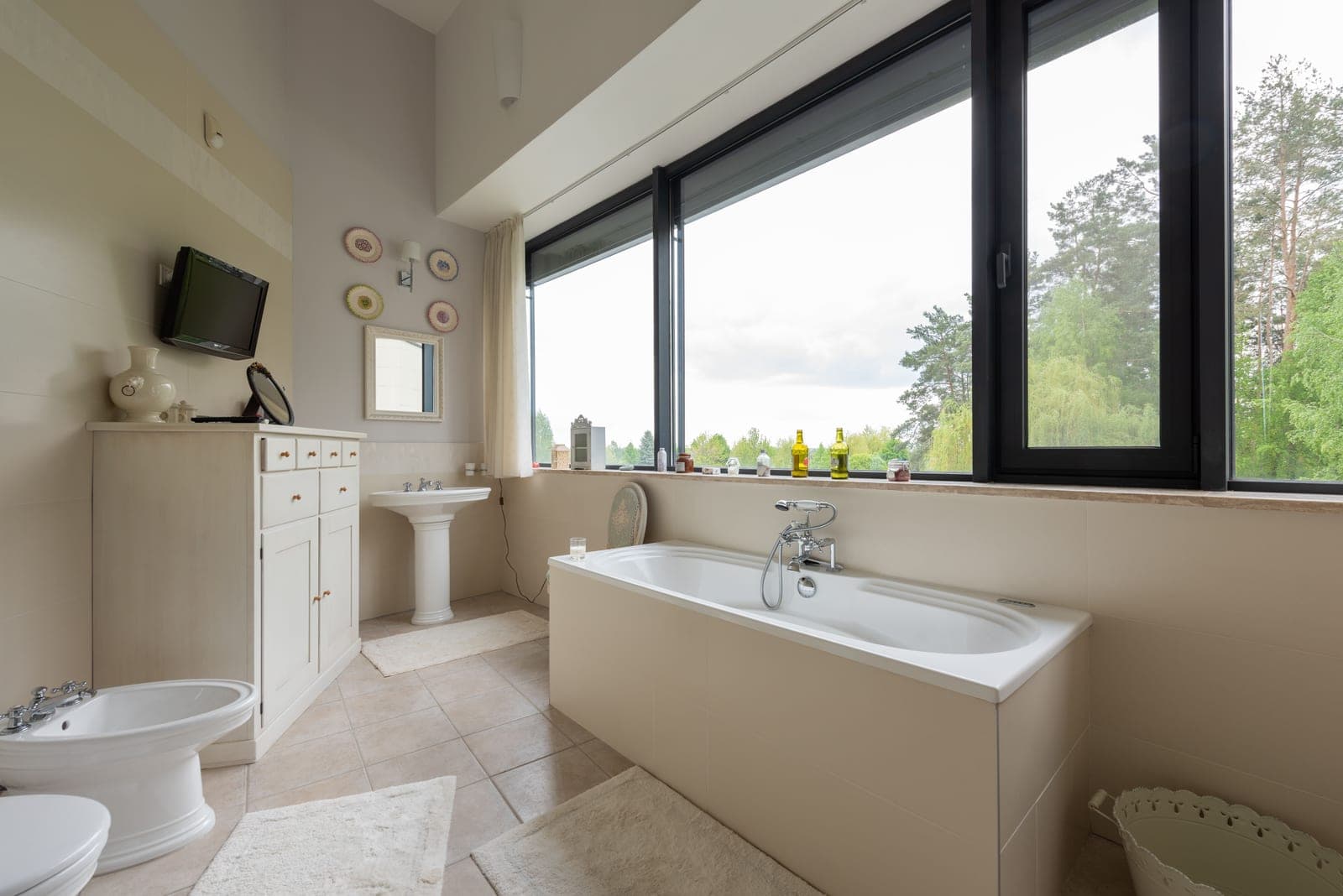
Room
Window treatments for a bathroom
Privacy that survives steam, without losing the daylight.
#ad We don’t show prices — check the current one on Amazon. How we’re funded
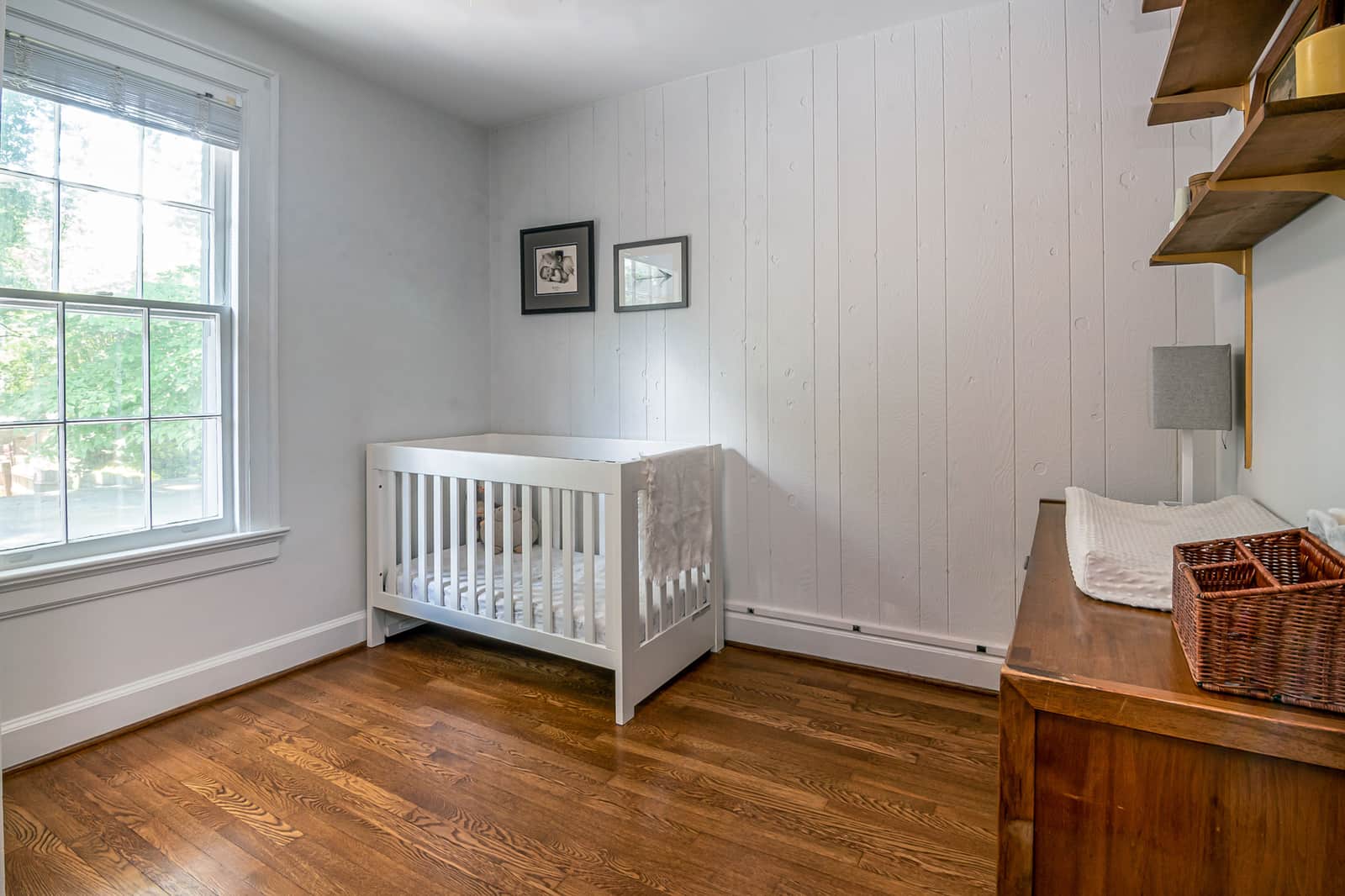
Room
Window treatments for a nursery
Cordless is non-negotiable — plus the layers that stop a 5am wake-up.
#ad We don’t show prices — check the current one on Amazon. How we’re funded
How to read these pages
The constraint that usually decides it
| Room | The real constraint | Where to start |
|---|---|---|
| Bedroom | Darkness at the hour you sleep | Blackout |
| Nursery | Darkness plus cord safety — cordless is not optional | Blackout |
| Living room | Glare on screens, privacy at night, big openings | Glare |
| Kitchen | Grease, steam and cleanability before anything else | Rooms → kitchen |
| Bathroom | Privacy that survives humidity | Privacy |
| Sliding glass doors | Stacking clearance and traffic through the opening | Rooms → sliding doors |
One rule holds across every room on this list: measure before you shop, not after. The width of the opening determines which products are even available to you, and the mounting depth determines whether an inside-mount shade is possible at all. Both take two minutes with a tape measure and both eliminate the most expensive category of mistake. Start at how to measure for curtains.
How we choose
Every pick on this site is selected on published specifications and materials, on fitness for the specific problem the page is about, and on the failure patterns that keep coming up in owner feedback. We do not lab-test these products, we do not own a light meter, and we say so rather than implying otherwise. Where a measurement appears it is a manufacturer’s published figure or a named third-party source. Read the full methodology →
FAQ
Questions people actually ask
Should every room in the house have the same window treatment?
Matching hardware across a floor looks deliberate, but matching the covering itself rarely survives contact with what each room needs. A blackout panel in a kitchen is a grease magnet; a sheer in a bedroom will not let you sleep past sunrise. Keep the rod finish consistent and let the coverings differ.
Which room should I do first?
The bedroom, nearly always. It is the room where a window problem costs you something measurable — sleep — and it is the one where the right treatment makes an immediate, obvious difference. Living rooms are more visible but the problem there is usually comfort rather than function.
Can I use the same curtains on different-sized windows in one room?
Yes, if you keep the rod height and the hem line consistent across them. The eye reads a shared top line and a shared bottom line as order, even when the windows themselves differ in width. Mismatched heights are what looks wrong, not mismatched widths.
What's the most commonly over-bought room?
The living room. It is the room people decorate rather than diagnose, and it often ends up with heavy lined panels for a problem that a sheer and a roller shade would have solved for much less — while keeping the daylight everybody actually wanted.
Also dealing with
Another problem at the same window?
About the author
Janet H.
Janet H. is the owner of Janet Media Group and the person behind Drape & Dawn. She researches every pick against the site's published methodology.
Published by Janet Media Group · Last updated September 23, 2026