Room
Window treatments for a home office
Every other room wants light managed for comfort. An office wants it managed for a screen — and that is a different specification.
By Janet H. · Last updated October 11, 2026 · How we choose

A home office is the one room where the window is judged by a machine. You can live with a living room that is a bit bright; you cannot read a monitor with the sun reflecting off it, and you cannot appear on a video call backlit by your own window. Both of those are height-and-direction problems rather than brightness problems, which is why the covering that works in a bedroom is usually wrong here.
The setup that solves it, in short: a solar-screen roller shade or a sheer layer to diffuse the beam, lowered to the height the glare is at, plus something opaque for the hours the sun is directly in the window. What you are buying is adjustability at a particular height, not darkness.
Drape & Dawn earns a commission from qualifying purchases made through links on this page, at no extra cost to you. It does not change what we recommend. Full disclosure.
Glare
Problem one — glare on the screen
Screen glare has two separate causes and they want different fixes. Reflected glare is the window appearing as a bright rectangle in your display, and it is caused by a window behind you. Veiling glare is the room being so much brighter than the screen that the screen looks washed out, and it is caused by a window beside or in front of you. Work out which you have by turning the monitor off: if you can see the window reflected in the dark panel, it is reflection.
Reflection is solved by covering the specific band of window that appears in the screen — usually the top third — and that is a roller shade's exact strength. Veiling glare is solved by diffusing the light rather than removing it, which is what a sheer does. How to stop screen glare from windows walks through both, including the desk positions that avoid the problem entirely.
Video
Problem two — how you look on a call
A window behind you turns you into a silhouette, because the camera exposes for the brightest thing in frame. A window in front of you is excellent lighting and brutal at 4pm when the sun is in it. The fix for the first is to cover the window behind you with something that cuts the light without going dark — a solar screen or a light-filtering roller at half height does this well. The fix for the second is a sheer that softens the sun into a large, flattering source instead of a hard one.
If the office has only one window and it is behind the desk, a shade you can set at any height is worth more than any other property. A free-stop cordless roller holds wherever you leave it, which is the mechanism that makes this practical rather than fiddly.
Heat
Problem three — the room overheats in the afternoon
A small room with a computer in it and a west-facing window becomes unusable in July. Solar screen fabric rejects a share of solar radiation before it enters the room, which helps meaningfully; a cellular shade insulates better but costs you the view entirely. Neither competes with shading the glass from outside. The full account is in best blinds to keep heat out and best curtains to keep heat out.
One thing that makes it worse: a dark blackout panel closed over an afternoon window absorbs solar energy and re-radiates it into the room from a surface just inside the glass. If your office already runs hot, a light-colored or reflective-backed panel is the version that actually helps.
Privacy
Problem four — privacy during the day
A ground-floor office facing a path has a privacy requirement that lasts all working day, which is different from a bedroom's evening requirement. A top-down-bottom-up shade is made for exactly this: lower the top rail and you cover eye level while daylight continues over the top. Top down bottom up vs standard shades explains the mechanism and what it costs.
What to buy
The setup most home offices want
For a window behind or beside the desk: a free-stop cordless roller in a solar screen or light-filtering fabric, inside mounted, set to whatever height the glare is at that hour. Add a sheer if the room has a second window and the complaint is harshness rather than reflection. For a ground-floor window with a sightline, swap the roller for a top-down-bottom-up cellular shade. If you also sleep in the room — a spare bedroom doubling as an office — add curtains over the top rather than trying to make one covering do both; best curtains for a bedroom covers that layer.
First step
Before you buy
Sit at the desk at the worst hour and look at where the light is actually coming from, then measure the window properly before ordering — inside or outside mount, width in three places, drop in three places. How to measure for blinds has the sequence, and inside mount vs outside mount covers the decision a shallow recess forces.
What we’d buy
The products behind this advice
Picked against the criteria above, not the other way round. Prices are read from Amazon and refreshed daily; each link goes to the current listing.
| # | Best for | Product | Type | Fabric | Price |
|---|---|---|---|---|---|
| 1 | For glare on the screen | Snap-N-Glide Cordless Roller Shades, solar screen A window behind or beside the desk, where you need a specific band covered and the rest left bright. | Roller shade | Solar screen | Check price on Amazon #ad No current price for this one — check it on Amazon. How we’re funded |
| 2 | For an all-day sightline | 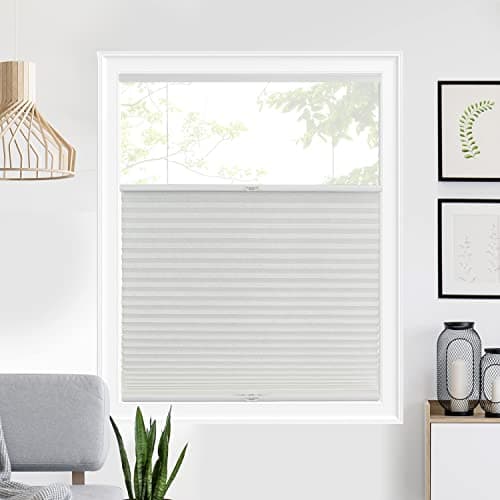 Ground-floor offices facing a path: eye level covered, daylight still arriving over the top. | Cellular shade | Filtering or blackout | $138.95 · View on Amazon #ad Price as of November 3, 2026, and it can change. How we’re funded |
| 3 | For a room that is simply harsh | 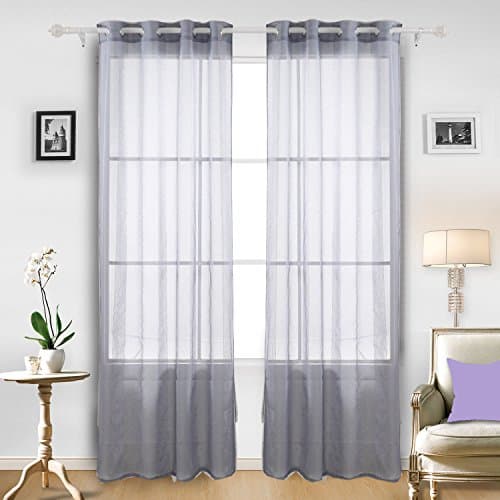 Veiling glare rather than reflection — diffusing the beam instead of removing the light. | Sheer curtain | — | $35.28 · View on Amazon #ad Price as of November 3, 2026, and it can change. How we’re funded |
01 — For glare on the screen
Snap-N-Glide Cordless Roller Shades, solar screen
CHICOLOGY
Solar-screen fabric is woven with a stated openness factor, so it strips out glare and a share of solar heat while you can still see through the weave.
Who it’s for: A window behind or beside the desk, where you need a specific band covered and the rest left bright.
The catch: Solar screens reverse after dark: with your lights on, the weave shows the room clearly from outside. A street-facing window needs a second layer for the evening.
At a glance
- Type
- Roller shade
- Fabric
- Solar screen
- Operation
- Cordless
- Fit
- Cut to size
#ad No current price for this one — check it on Amazon. How we’re funded
02 — For an all-day sightline
Top Down Bottom Up Cellular Shades
CHICOLOGY
Two movable rails, so the shade can be lowered from the top to cover the lower window while the daylight above keeps coming in — or closed fully at night.
Who it’s for: Ground-floor offices facing a path: eye level covered, daylight still arriving over the top.
The catch: Costs meaningfully more than a plain lift and there is more mechanism to fail. On an unoverlooked window you would never use the feature.
At a glance
- Type
- Cellular shade
- Fabric
- Filtering or blackout
- Operation
- Cordless, dual rail
- Fit
- Made to size
#ad Price as of November 3, 2026, and it can change. How we’re funded
03 — For a room that is simply harsh
Faux linen sheer curtains
Deconovo
Slubbed faux-linen sheers that scatter a hard beam into soft ambient light. The texture is the point — it diffuses more unevenly and therefore more effectively than a flat voile.
Who it’s for: Veiling glare rather than reflection — diffusing the beam instead of removing the light.
The catch: No privacy after dark at all, and the fabric creases badly out of the packet. Expect to steam them or live with fold lines for weeks.
At a glance
- Type
- Sheer curtain
- Weave
- Faux linen
- Care
- Machine wash cold
- Width
- ~52 in per panel
#ad Price as of November 3, 2026, and it can change. How we’re funded
FAQ
Questions people actually ask
What is the best window covering for a home office?
A free-stop cordless roller shade in solar screen or light-filtering fabric. The reason is height: screen glare arrives at a specific band of the window at a specific hour, and a roller lets you cover exactly that band and leave the rest of the room bright. A blind can only approximate it by dimming everything.
How do I stop glare on my monitor from a window?
Work out whether the window is reflecting in the screen or just out-brightening it. Reflection is fixed by covering the band of window that appears in the display, usually the top third. Out-brightening is fixed by diffusing the light with a sheer or a light-filtering fabric rather than blocking it.
Should the desk face the window or away from it?
Side-on is best: no window reflected in the screen, and no window behind you turning you into a silhouette on calls. Facing the window is good for video lighting and bad in the late afternoon. Backing onto the window is the worst of both and the arrangement most likely to need a shade.
What window treatment is best for video calls?
Something that softens a window in front of you rather than removing it — a sheer or a light-filtering roller — and something that cuts a window behind you to near the brightness of your face. A solar screen at half height does the second job while keeping the room bright.
Do I need blackout curtains in a home office?
Only if the room doubles as a bedroom or you watch footage that needs a dark room. For screen work, blackout is counterproductive: a dark room with a bright monitor is more tiring than a bright room with a diffused window. Diffuse the light rather than removing it.
Keep going
Read next

Glare
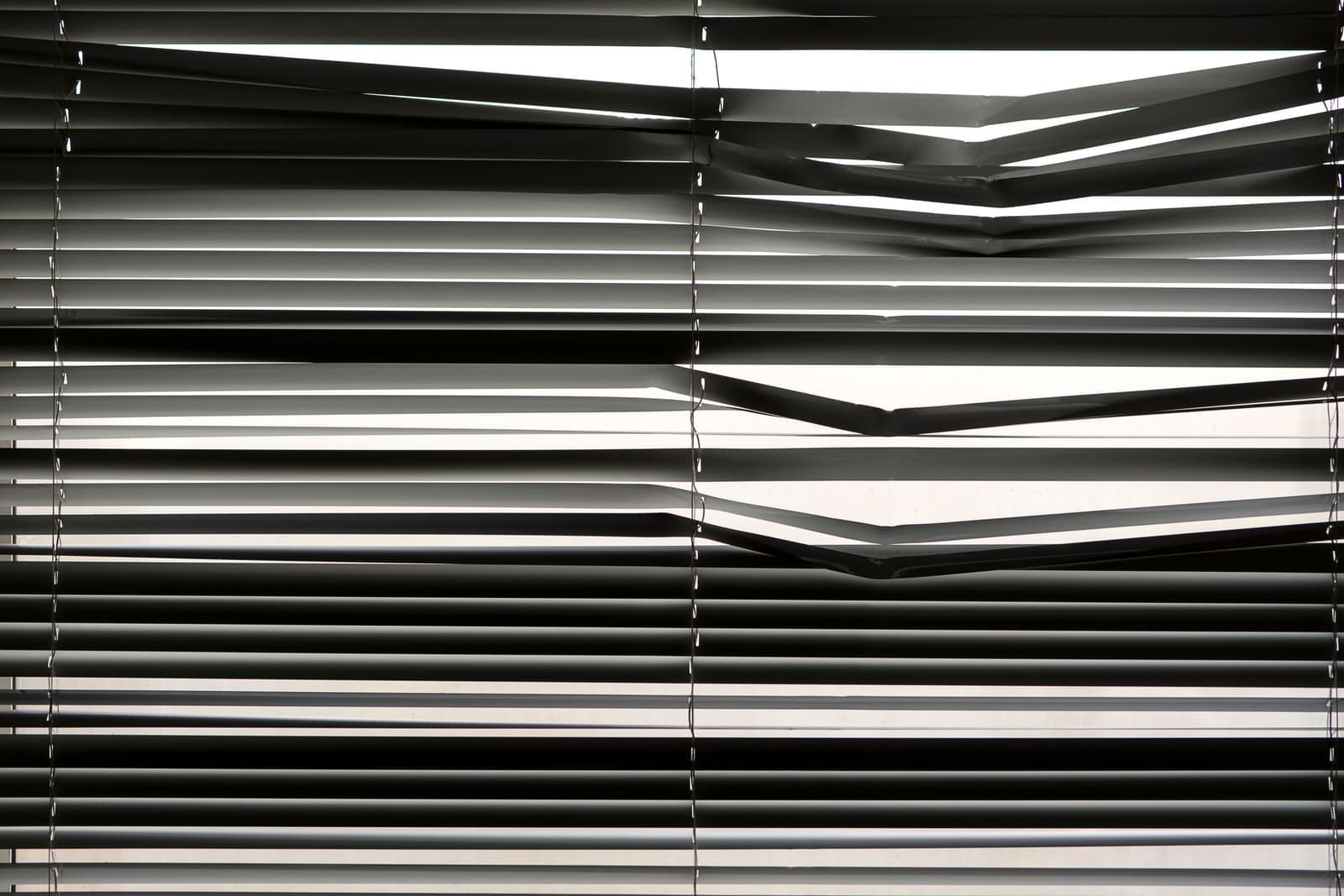
How to stop screen glare from windows
Diagnose reflected versus veiling glare, then fix it — starting with the free option.
Glare
Best roller shades for glare
Lower it to exactly the height of the glare — and the openness number that decides the rest.
Privacy
Top down bottom up vs standard shades
Cover the half people see through, keep the half that gives you daylight.
Glare
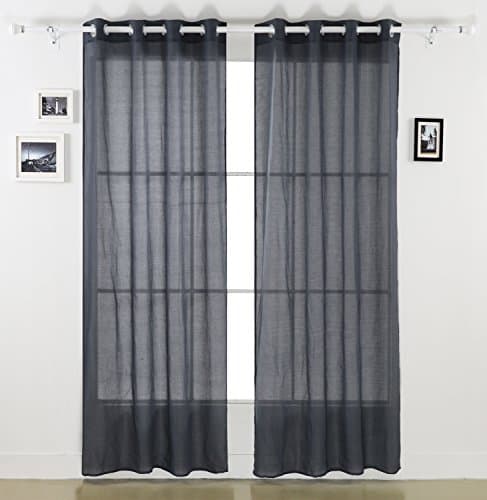
Best sheer curtains
Diffuse harsh daylight without darkening the room — plus the width rule sheers really depend on.
About the author
Janet H.
Janet H. is the owner of Janet Media Group and the person behind Drape & Dawn. She researches every pick against the site's published methodology.
Published by Janet Media Group · Last updated October 11, 2026