Problem 01
Blackout: when the room has to be dark
For rooms that get light at the wrong hour — 5am summer sun, a streetlight outside the glass, a nap that has to happen at 2pm.
Start here
Almost everyone who buys blackout curtains and stays disappointed made the same mistake, and it was not the fabric. They bought a panel that genuinely blocks light, hung it on a rod the width of the window, and then woke up at 5am to a bright halo around all four edges. The fabric was never the problem. The gap was.
Light behaves like water here. It finds the smallest opening and floods through it, and a half-inch gap down the side of a panel will light a room more than a slightly thinner weave ever will. So the order of operations on this hub is deliberate: mounting and coverage first, fabric second. If you get the first right, a mid-priced curtain will darken a room properly. If you get it wrong, nothing you spend fixes it.
The other thing worth knowing before you spend anything: "blackout" is a marketing word, not a standard. There is no certification behind it and no body policing its use. Some panels sold as blackout block essentially all light; others are room-darkening fabric with a confident label. The way to tell them apart is not the name on the listing — it is the construction, and that is what this hub teaches you to read.
Drape & Dawn earns a commission from qualifying purchases made through links on this page, at no extra cost to you. It does not change what we recommend. Full disclosure.
Start with this one
Thermal Insulated Blackout Curtains
NICETOWN · Best overall
The triple-weave panel that most blackout recommendations end up at, and for a defensible reason: the light blocking comes from three woven polyester layers rather than a coating, so there is no backing to crack or peel, and the panels take a cold machine wash. Sold in a wide range of drops and colors, including the 96 and 108-inch lengths that most ranges skip.
#ad We don’t show prices — check the current one on Amazon. How we’re funded
Everything in this section
The pages that solve it
Picks
Best blackout curtains for a room that's too bright
Panels that block light, plus the mounting rule that decides whether any of them works.
#ad We don’t show prices — check the current one on Amazon. How we’re funded
Picks
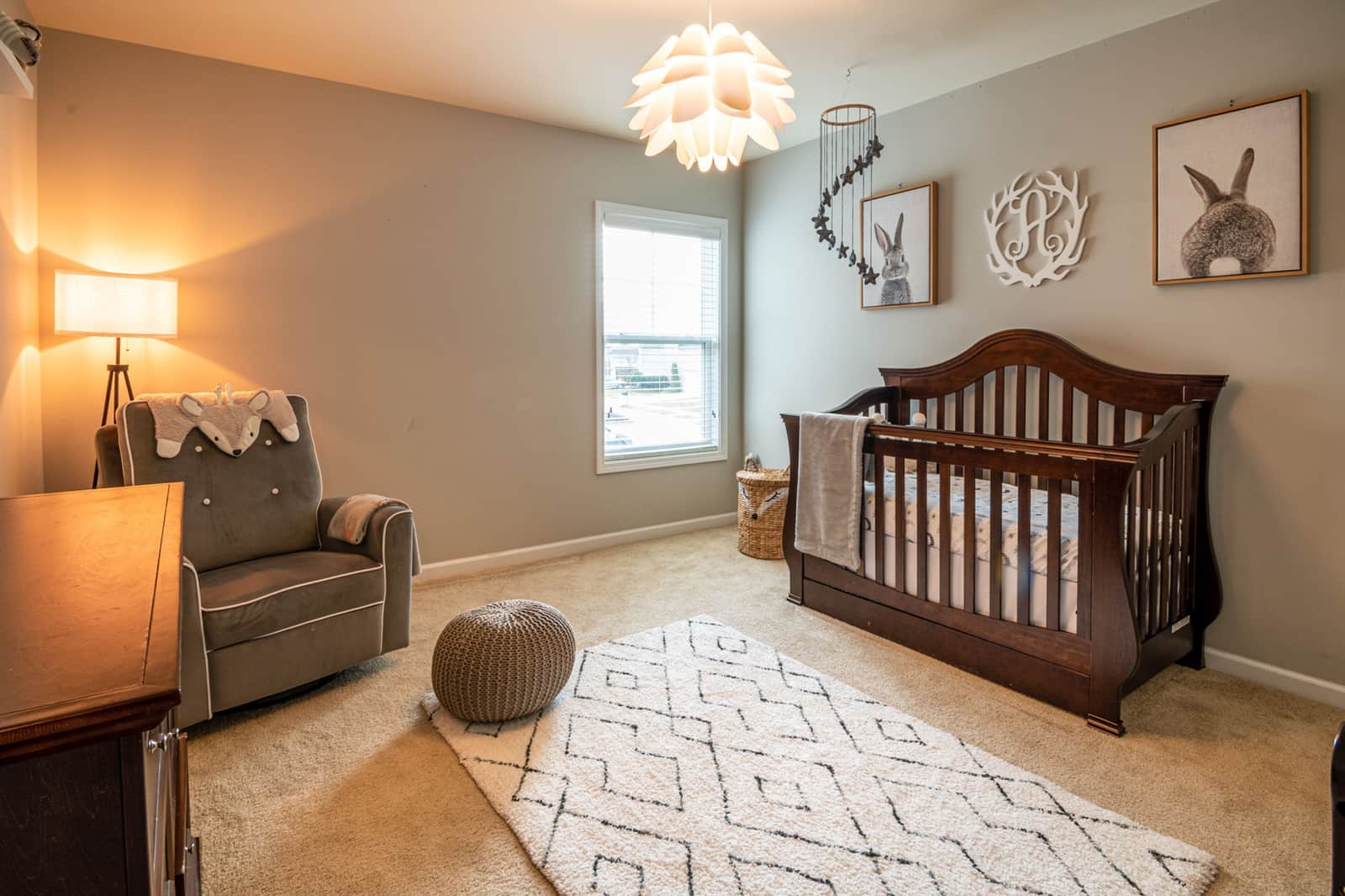
Best blackout curtains for a nursery
Cordless-safe darkness for a nursery, and the two-layer setup that actually holds at 5am.
#ad We don’t show prices — check the current one on Amazon. How we’re funded
Picks
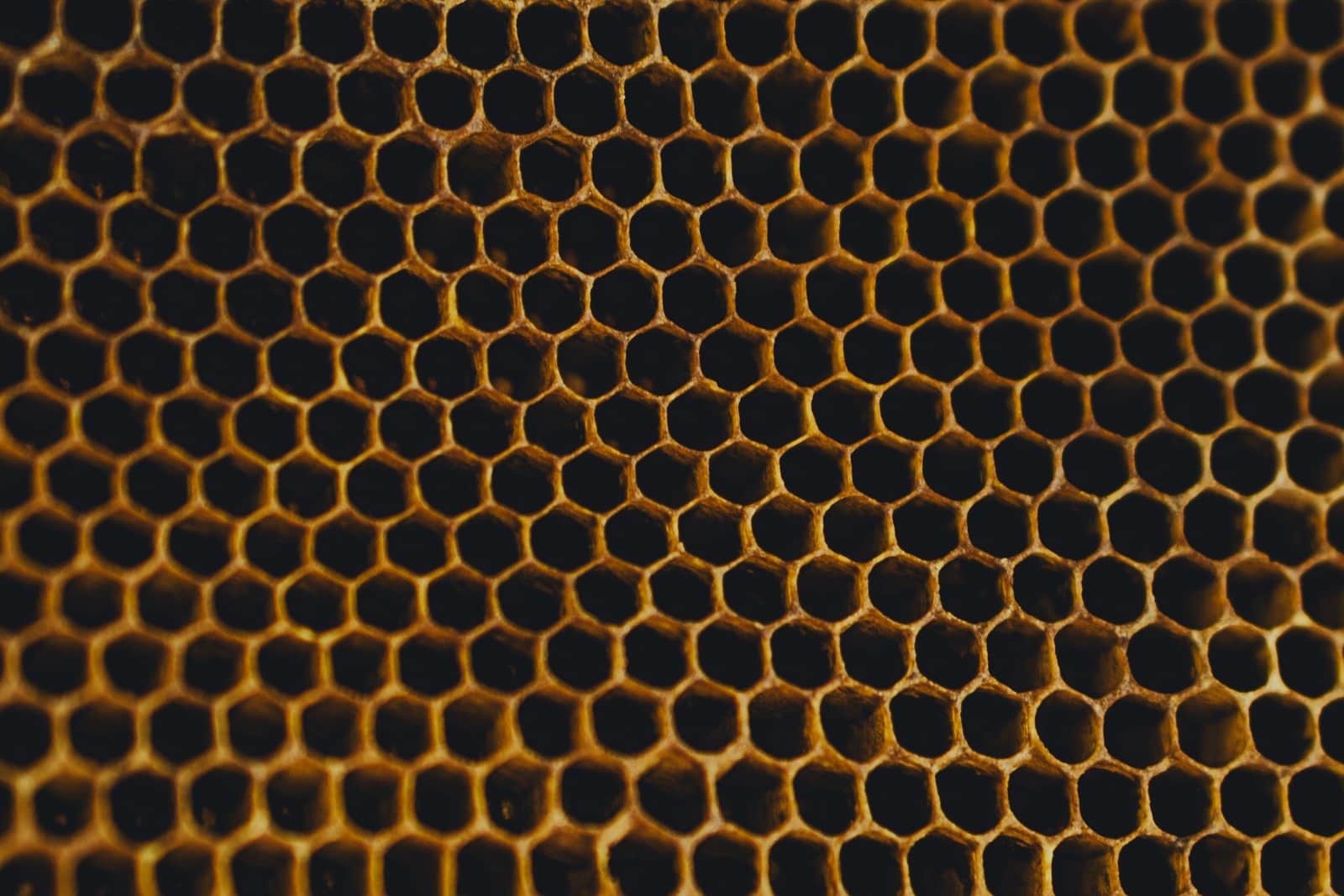
Best blackout cellular shades
Honeycomb shades that darken and insulate together, and how to fit them so they do both.
#ad We don’t show prices — check the current one on Amazon. How we’re funded
Picks
Best blackout curtain liners
Add darkness behind curtains you already like, without replacing anything.
#ad We don’t show prices — check the current one on Amazon. How we’re funded
Comparison
Blackout vs room darkening
Neither label is regulated — here's the real difference and which room wants which.
#ad We don’t show prices — check the current one on Amazon. How we’re funded
Guide
Do blackout curtains actually work?
The fabric works. The mounting usually doesn't. Here's how to tell which one is failing you.
#ad We don’t show prices — check the current one on Amazon. How we’re funded
Guide
How to block light from windows
Every method for blocking window light, ranked by darkness achieved and effort required.
#ad We don’t show prices — check the current one on Amazon. How we’re funded
Guide
How to fix curtain light gaps
Close the side, top, middle and bottom gaps — the cheapest fix for a bright room.
#ad We don’t show prices — check the current one on Amazon. How we’re funded
Comparison
Blackout curtains vs blackout liners
Replace the curtain or hide a liner behind it — cost, weight and flexibility compared.
#ad We don’t show prices — check the current one on Amazon. How we’re funded
The mechanism
What actually blocks light
Three constructions do the work, and they behave differently enough that picking the wrong one for your window is the second most common way this goes sideways.
Triple-weave fabric blocks light through density: three layers of tightly woven polyester, usually with a black yarn sandwiched in the middle, all woven as one piece. Nothing is bonded on, so nothing can peel or crack, and the panels stay machine washable. This is the construction behind most of the well-regarded blackout curtains sold online, and for a bedroom it is usually the right default.
Coated fabric blocks light with an applied backing — typically acrylic foam or a thin silver-colored thermal layer. It can block more light than a comparable weave and it reflects more heat, but coatings are the layer that fails: they stiffen, crack along fold lines, and eventually flake. Most coated panels want hand-washing or a cold gentle cycle at the most.
Cell structure is what cellular (honeycomb) shades use. Air pockets in the fabric block both light and heat, and because the shade sits inside the window opening rather than hanging in front of it, the light path is shorter and more controllable. The trade is at the edges, where the shade meets the track — which is exactly where a side-channel blackout shade earns its money.
Order of operations
Start with the window, not the product
Before you compare a single panel, answer three questions about the window itself. They determine which product category can even work for you, and they take about two minutes.
- 1Can you mount outside the frame? An outside mount — a rod fixed to the wall, extending at least 6 to 8 inches past the glass on each side and hung several inches above the frame — is the single biggest lever on how dark a room gets. If you can do it, do it.
- 2Can you drill? If you rent and the answer is no, your realistic options narrow to tension rods inside the recess, tap-in brackets on wooden trim, and cut-to-size shades — all covered on the renter-safe hanging hub. An inside-mount solution will always leak more light at the edges, so plan for a second layer.
- 3Where is the light coming from? A streetlight at a fixed angle is a different problem from a wall of east-facing summer sun. The first is often solved by blocking one edge; the second needs full coverage plus something at the top of the window where light reflects off the ceiling.
Honest limits
What blackout does not do
A heavy blackout panel will take some edge off outside noise, but it is not soundproofing and nothing sold as a curtain is. Mass and sealing stop sound, and a curtain that hangs loose in front of a window provides neither in any serious quantity. What it reliably does is dull high-frequency sound and reduce echo inside the room. If your problem is traffic rumble or a neighbor's bass, a curtain is not the fix — and anyone selling you one as such is overselling it.
Blackout fabric also traps heat, which is a benefit in January and a genuine annoyance in July. A closed blackout panel on a sun-facing window absorbs solar heat and re-radiates a good deal of it into the room. If your bedroom runs hot, read keeping heat out before you commit to a dark, heavy panel on a south or west window.
How we choose
Every pick on this site is selected on published specifications and materials, on fitness for the specific problem the page is about, and on the failure patterns that keep coming up in owner feedback. We do not lab-test these products, we do not own a light meter, and we say so rather than implying otherwise. Where a measurement appears it is a manufacturer’s published figure or a named third-party source. Read the full methodology →
FAQ
Questions people actually ask
Do blackout curtains actually work?
The fabric almost always does. The installation usually doesn't. A good blackout panel blocks nearly all light passing through it, but light still travels around it — over the top, down the sides, and under the hem. Mount the rod above the frame and 6 to 8 inches wider on each side and most of that disappears. Full detail in do blackout curtains work.
What's the difference between blackout and room darkening?
Neither term is regulated, but in practice room-darkening fabric dims a room to comfortable dusk while blackout aims at true darkness. Room darkening is usually the better call for a living room or a nursery where you still want to see; blackout earns its place in a bedroom, a shift worker's room, or a media room. See blackout vs room darkening.
Do blackout curtains block sound?
Partially, and less than the listings imply. Heavy fabric absorbs some high-frequency sound and cuts echo inside the room, which makes a space feel quieter. It does almost nothing for low-frequency noise like traffic or bass, because stopping that takes mass and an airtight seal that no curtain provides.
Can I get full blackout without drilling?
You can get close. A cut-to-size cordless shade mounted inside the frame plus a tension-rod curtain in front of it gets most rentals dark enough to sleep. You will still see a thin line of light where the shade meets the track — that is the inside-mount tax, and it is why layering matters more for renters. See window treatments for renters.
Does a blackout liner work as well as a blackout curtain?
For light blocking, yes — a proper liner is the same kind of fabric, just hung behind something else. The difference is flexibility: a liner lets you keep curtains you like and add darkness behind them, and it can be removed in winter or taken to a new home. Compared in blackout curtains vs blackout liners.
Also dealing with
Another problem at the same window?
About the author
Janet H.
Janet H. is the owner of Janet Media Group and the person behind Drape & Dawn. She researches every pick against the site's published methodology.
Published by Janet Media Group · Last updated September 23, 2026