Guide
Blackout curtains for night shift workers
Everyone else needs a dark room for two hours at dawn. You need one at noon, in full sun, every day — and that is a different specification.
By Janet H. · Last updated October 11, 2026 · How we choose
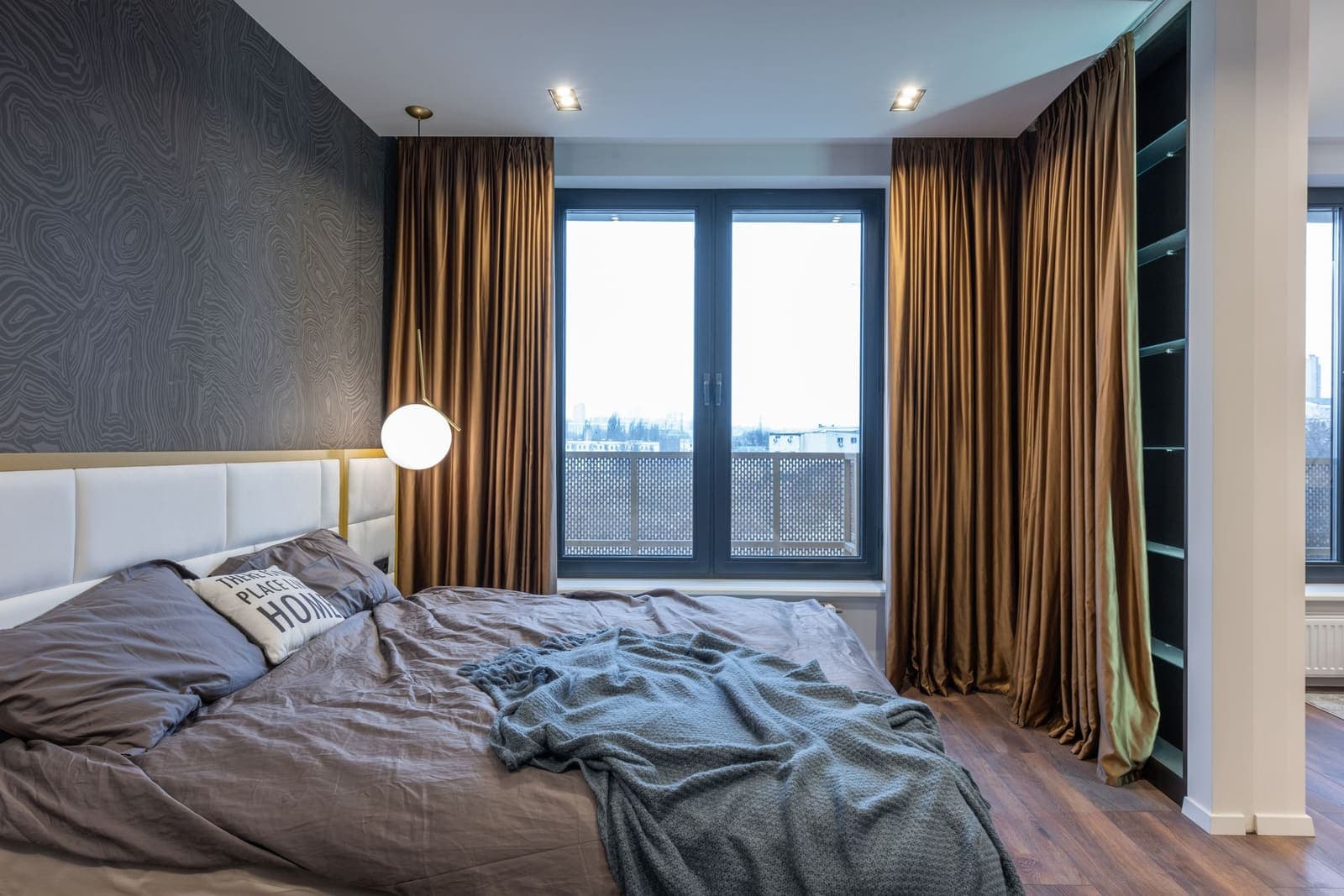
If you sleep during the day, no single curtain will do it. The arrangement that works is two layers: a blackout shade fitted tightly to the glass, and blackout curtains on a rod mounted close to the ceiling and 8 to 12 inches wider than the window on each side. The shade handles the pane; the curtains handle the edges, which is where every failure in a daytime-dark room actually happens.
The reason shift workers need more than everyone else is simple arithmetic. Dawn light is weak and lasts an hour or two. Midday sun on a south-facing window is orders of magnitude brighter, and it is there for your entire sleep. A gap that is invisible at 5am is a bright line across the bed at 1pm, and a fabric that is good enough for dusk glows like a lampshade at noon.
Drape & Dawn earns a commission from qualifying purchases made through links on this page, at no extra cost to you. It does not change what we recommend. Full disclosure.
Diagnose first
Find out what is actually failing
Before buying anything, stand in the room at the brightest hour with the current coverings closed, let your eyes adjust for a minute, and look at the window rather than the room. One of two things will be true.
- A bright halo tracing the frame — light is coming around the covering at the top, sides or bottom. This is an edge-leak problem and a better fabric will not fix it. The fix is mounting.
- The panel itself glowing evenly — light is passing through the fabric. This is a material problem and a denser panel or an added liner fixes it.
Most rooms fail the first test, which is why the most expensive curtain in the world hung on a rod the width of the window still leaves you squinting. Do blackout curtains work covers the diagnosis in more detail, and how to fix curtain light gaps covers each leak individually.
The build
Layer one: cover the glass
A blackout cellular or roller shade fitted inside the recess, as close to the glass as the frame allows, kills most of the light before it reaches the room — and a cellular shade also slows heat moving through the window, which matters when you are sleeping through the hottest part of the day. It will still leave a light gap down each side where the brackets hold it clear of the frame. That is expected; the curtains deal with it.
If the room is a rental or you need something this week, a no-tools pleated blackout shade cut to width with scissors does the same job for a fraction of the price and comes off cleanly.
The build
Layer two: cover the edges
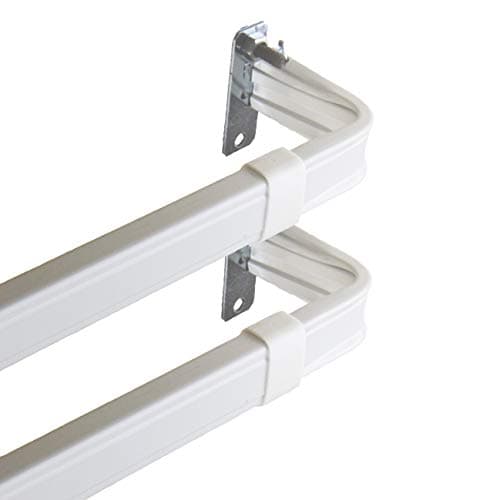
This is the layer that makes the difference, and it is almost entirely about where the rod goes. Mount it close to the ceiling, not just above the frame, so there is no gap above the fabric. Extend it 8 to 12 inches past the window on each side, so the panels overlap wall rather than ending at the frame. Choose a wrap-around or blackout rod whose ends curve back to the wall, which closes the side channel a straight rod leaves. And take the panels to the floor, because light bouncing off a pale floor under a short hem is real.
The header matters more here than anywhere. Grommet panels hang an inch off the wall with open gaps between the grommets and light pours over the top. A back-tab panel or a pelmet above the rod closes it. Grommet vs rod pocket vs pleated has the comparison, and how high to hang curtains has the measurement.
Summer
The heat problem nobody warns you about
Sleeping through the afternoon means your blackout layer is absorbing full sun for hours. Dark blackout fabric absorbs that energy, heats up, and radiates it into the room from a surface a few inches inside the glass — so a bedroom that is dark can still be the hottest room in the house. A light-colored or silver-backed panel facing the glass reflects more of it before it is absorbed, and a cellular shade behind the curtain helps further. Best curtains to keep heat out covers the mechanism.
Details that matter at noon
The rest of the room
At midday brightness, a few things that are irrelevant at dawn become obvious.
- Light under the door from a lit hallway — a draft excluder solves it and helps with noise.
- Standby LEDs on a TV, a charger or a smoke alarm, which are genuinely bright in a properly dark room.
- A gap at the top of the curtain caused by the rod being too close to the frame rather than the ceiling.
- Light reflecting off a pale wall beside the window and around the edge of the panel — mounting wider is the fix.
The other half
Noise, since you are also sleeping during the day
Daytime is when deliveries, mowers and traffic happen, and no curtain will stop them. Heavy panels at proper fullness do reduce the reflected noise inside a room, which is worth something, but the honest limits are set out in do blackout curtains block sound. Sealing the air gaps around the window does more for noise than any fabric and also kills drafts.
Recommendation
What we would buy
A blackout cellular shade inside the recess, an uncoated triple-weave blackout panel in a drop long enough for a near-ceiling rod, and a wrap-around blackout rod mounted wide. If you already have curtains you like, a detachable blackout liner behind them plus a better rod will usually get you there more cheaply than replacing the panels. The picks below are the specific products for each of those roles.
What we’d buy
The products behind this advice
Picked against the criteria above, not the other way round. Prices are read from Amazon and refreshed daily; each link goes to the current listing.
| # | Best for | Product | Type | Operation | Price |
|---|---|---|---|---|---|
| 1 | Layer one, on the glass | 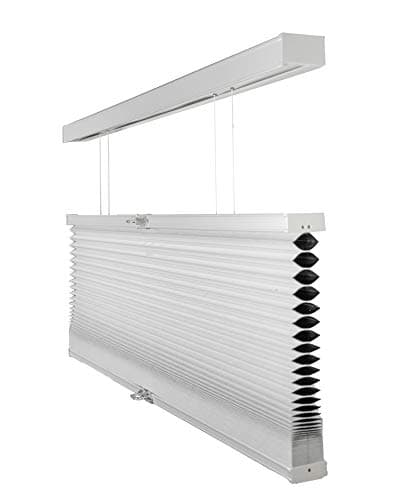 Covering the pane itself, fitted as tightly inside the recess as the frame allows. | Cellular shade | Cordless | $150.28 · View on Amazon #ad Price as of November 3, 2026, and it can change. How we’re funded |
| 2 | Layer two, over the edges | 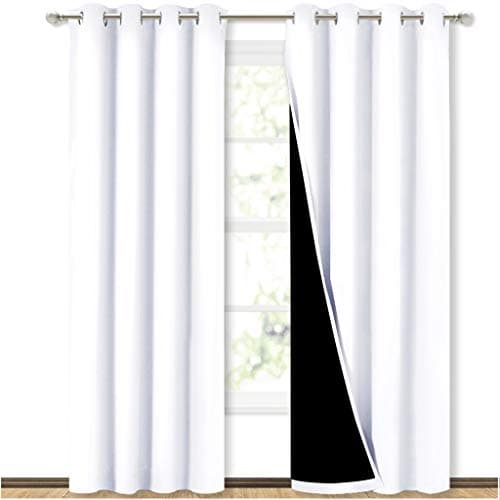 Mounted near the ceiling and well past the frame, to close what no inside-mounted shade can reach. | Blackout curtain | — | $19.99 · View on Amazon #ad Price as of November 3, 2026, and it can change. How we’re funded |
| 3 | The mounting that decides it | 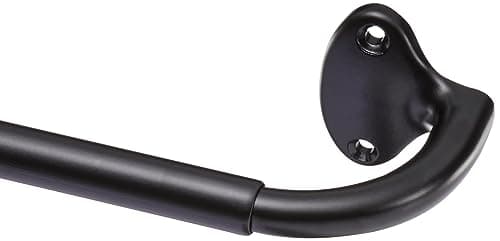 Anyone whose diagnosis came back as edge light — which is most people sleeping in daylight. | Curtain rod | — | $29.97 · View on Amazon #ad Price as of November 3, 2026, and it can change. How we’re funded |
| 4 | If you need it dark this week | 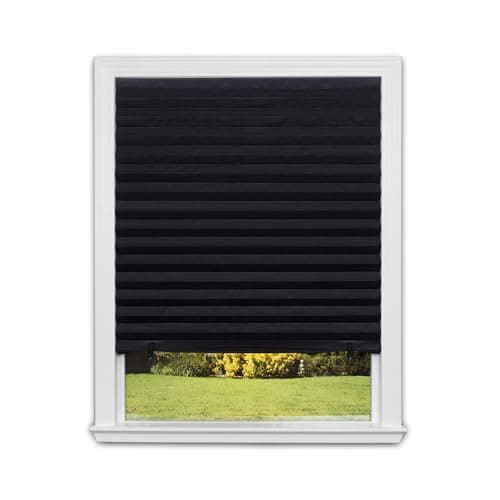 A new room, a rental, or a shift pattern that started before the curtains arrived. | Pleated paper shade | Cordless | $29.97 · View on Amazon #ad Price as of November 3, 2026, and it can change. How we’re funded |
01 — Layer one, on the glass
Blackout Cellular Shades, cordless
CHICOLOGY
Cordless blackout honeycomb fitted inside the recess: it blocks light across the glass and traps still air against it, so it darkens and insulates with one product.
Who it’s for: Covering the pane itself, fitted as tightly inside the recess as the frame allows.
The catch: Inside-mounted it leaves a light outline on all four edges. Side channels or a curtain over the top are what close that.
At a glance
- Type
- Cellular shade
- Fabric
- Blackout
- Operation
- Cordless
- Fit
- Made to size
#ad Price as of November 3, 2026, and it can change. How we’re funded
02 — Layer two, over the edges
Thermal Insulated Blackout Curtains
NICETOWN
Triple-weave polyester with no coating to crack or peel, machine washable, and sold in a wider ladder of drops than most ranges — including the 108-inch length a near-ceiling rod needs.
Who it’s for: Mounted near the ceiling and well past the frame, to close what no inside-mounted shade can reach.
The catch: The grommet header holds the panel an inch off the wall with open gaps between grommets, so light still comes over the top. Add a pelmet, or choose a back-tab version, if that is your problem.
At a glance
- Type
- Blackout curtain
- Construction
- Triple-weave, uncoated
- Care
- Machine wash cold
- Drops
- 63 / 84 / 96 / 108 in
#ad Price as of November 3, 2026, and it can change. How we’re funded
03 — The mounting that decides it
Room Darkening Blackout Curtain Rod, wrap-around
Amazon Basics
A curved rod whose ends bend back to the wall, so the curtain edge meets the wall instead of ending in open air. That built-in return closes the biggest light path on a blackout setup without separate return brackets.
Who it’s for: Anyone whose diagnosis came back as edge light — which is most people sleeping in daylight.
The catch: The curve keeps the stack slightly over the glass when the panels are open, costing a little daylight.
At a glance
- Type
- Curtain rod
- Feature
- Built-in returns
- Spans
- 28–48 and 48–88 in
- Supports
- Center bracket on wide sizes
#ad Price as of November 3, 2026, and it can change. How we’re funded
04 — If you need it dark this week
No Tools Original Blackout Pleated Paper Shade
Redi Shade
Trim to width with scissors and clip into the frame by hand — no drill, no brackets, no cords. The manufacturer states it blocks 99% of light.
Who it’s for: A new room, a rental, or a shift pattern that started before the curtains arrived.
The catch: It is paper. It creases along the pleats and does not enjoy daily raising and lowering. Budget to replace rather than repair.
At a glance
- Type
- Pleated paper shade
- Fitting
- Trim and clip, no tools
- Operation
- Cordless
- Light
- Manufacturer states 99%
#ad Price as of November 3, 2026, and it can change. How we’re funded
FAQ
Questions people actually ask
What curtains are best for sleeping during the day?
An opaque, preferably uncoated blackout panel long enough to reach the floor from a rod mounted near the ceiling — paired with a blackout shade on the glass. No single layer gets a room dark enough for midday sun; the shade covers the pane and the curtains cover the edges it cannot reach.
Why is my room still bright with blackout curtains?
Almost always because light is coming around the fabric rather than through it. The rod is too narrow, too low, or both, and the panels end at the frame instead of overlapping the wall. Mount the rod close to the ceiling and 8 to 12 inches wider on each side before buying different curtains.
Do I need a shade as well as curtains?
For daytime sleeping, yes. The shade handles the pane itself, including the part behind the curtain that glows all afternoon. The curtains handle the gap at the top and the channels down each side that no inside-mounted shade can cover. Either layer alone leaves a visible outline of the window.
Do blackout curtains make the room hotter?
A dark one can. Blackout fabric absorbs solar energy and re-radiates part of it inward, so a closed dark panel on an afternoon-sun window warms the room it is meant to protect. A light-colored or silver-backed panel reflects more before it is absorbed, and a cellular shade behind it helps further.
Is a blackout liner as good as new blackout curtains?
Usually yes, and often better value — the liner adds opacity to panels you already like and comes off for washing. What it does not fix is the mounting, so if the diagnosis was edge leakage, spend on the rod first and the liner second.
Keep going
Read next
Blackout
How to block light from windows
Every method for blocking window light, ranked by darkness achieved and effort required.
Blackout
How to fix curtain light gaps
Close the side, top, middle and bottom gaps — the cheapest fix for a bright room.
Blackout
Best blackout curtains for a room that's too bright
Panels that block light, plus the mounting rule that decides whether any of them works.
Rods & Mounting
How high to hang curtains
Higher than you think — ceiling height to rod height to curtain length.
About the author
Janet H.
Janet H. is the owner of Janet Media Group and the person behind Drape & Dawn. She researches every pick against the site's published methodology.
Published by Janet Media Group · Last updated October 11, 2026