Roundup
Best blackout curtains for a room that's too bright
Six panels that genuinely block light — and the honest limitation on each one, because a roundup where everything is perfect is not a roundup.
By Janet H. · Last updated September 23, 2026 · How we choose
Most people shopping for blackout curtains have already bought a pair once. They block some light, the room is dimmer, and yet there is still a bright halo around the window at 5am in June. That is the experience that sends people looking for a better curtain, and it is usually the wrong conclusion — the fabric was fine. The installation was letting the light in around it.
So before the picks: buy a rod 8 to 12 inches wider than your window, mount it 4 to 6 inches above the frame, and use panels whose combined width is at least twice the window width. Do that with a mid-priced curtain and the room goes genuinely dark. Skip it and the most expensive panel here will still leak. Everything below assumes you have done it.
Drape & Dawn earns a commission from qualifying purchases made through links on this page, at no extra cost to you. It does not change what we recommend. Full disclosure.
Before the list
How to read these picks
Blackout panels differ on three axes that matter and a dozen that do not. The three: construction (triple-weave versus coated), header (how it hangs and how much light comes over the top), and care (whether you can machine-wash it). Color, pattern and thread-count claims are noise.
Triple-weave panels block light with density alone — three woven layers, usually with a black yarn at the core. Nothing is bonded on, so nothing peels, and they generally survive a washing machine. Coated panels have a backing applied to the fabric, typically an acrylic foam or a silver-tone thermal layer. They can block marginally more light and reflect more heat, but the coating is the part that fails: it stiffens along fold lines and eventually cracks. That is the whole trade, and it is why we do not treat coated panels as automatically better.
| # | Best for | Product | Construction | Header | Care | Price |
|---|---|---|---|---|---|---|
| 1 | Best overall | Thermal Insulated Blackout Curtains Anyone starting from scratch on a bedroom window, especially if you want something you can wash rather than replace. | Triple-weave, no coating | Grommet | Machine wash cold | Check price on Amazon #ad We don’t show prices — check the current one on Amazon. How we’re funded |
| 2 | Best for a hot, sunny window | Thermal Insulated Blackout Curtains West or south-facing rooms that get uncomfortably hot in summer, where you want darkness and heat rejection from the same panel. | Coated, silver thermal back | Grommet | Gentle cold, avoid heat | Check price on Amazon #ad We don’t show prices — check the current one on Amazon. How we’re funded |
| 3 | Best for genuine darkness | 100% Blackout Curtains with black liner A bedroom where you want the room to be properly dark but do not want to live with a charcoal-gray wall of fabric. | Face fabric + sewn black liner | Grommet | Machine wash cold, low tumble | Check price on Amazon #ad We don’t show prices — check the current one on Amazon. How we’re funded |
| 4 | Best value | Blackout Thermal Insulated Curtains Guest rooms, a first pair while you work out what you want, or a wide window where you need an odd number of panels. | Triple-layer woven | Grommet or back tab | Machine wash cold | Check price on Amazon #ad We don’t show prices — check the current one on Amazon. How we’re funded |
| 5 | Best for a softer look | Thermal insulated energy-efficient panels Living rooms and bedrooms where the curtain is part of the room's appearance and you are willing to trade a little absolute darkness for it. | Woven, varies by line | Grommet / rod pocket | Machine wash cold | Check price on Amazon #ad We don’t show prices — check the current one on Amazon. How we’re funded |
| 6 | Best if you already have curtains | Blackout Curtain Liners with detachable rings Anyone with curtains they like and a room that is too bright — and renters, who can take the liners to the next place and leave the landlord's curtains alone. | Triple-weave liner | Detachable rings / hooks | Machine wash cold | Check price on Amazon #ad We don’t show prices — check the current one on Amazon. How we’re funded |
01 — Best overall
Thermal Insulated Blackout Curtains
NICETOWN
The triple-weave panel that most blackout recommendations end up at, and for a defensible reason: the light blocking comes from three woven polyester layers rather than a coating, so there is no backing to crack or peel, and the panels take a cold machine wash. Sold in a wide range of drops and colors, including the 96 and 108-inch lengths that most ranges skip.
Who it’s for: Anyone starting from scratch on a bedroom window, especially if you want something you can wash rather than replace.
The catch: The grommet header leaves a gap between panel and wall, so light still comes over the top. In a room with a streetlight above the window you will want a back-tab version or a pelmet.
At a glance
- Construction
- Triple-weave, no coating
- Header
- Grommet
- Care
- Machine wash cold
- Typical drops
- 63 / 84 / 96 / 108 in
- Best mount
- Outside, rod 8–12 in wider
#ad We don’t show prices — check the current one on Amazon. How we’re funded
02 — Best for a hot, sunny window
Thermal Insulated Blackout Curtains
Deconovo
A coated panel with a silver-tone thermal backing that faces the glass. The coating reflects a meaningful share of solar radiation before the fabric can absorb it, which is the mechanism that matters on a window taking direct afternoon sun — as opposed to simply absorbing the heat and passing it on to the room.
Who it’s for: West or south-facing rooms that get uncomfortably hot in summer, where you want darkness and heat rejection from the same panel.
The catch: The coating is the failure point. It stiffens along fold lines over time and does not love a washing machine — treat these as cold gentle cycle at most, and expect a shorter life than an uncoated weave.
At a glance
- Construction
- Coated, silver thermal back
- Header
- Grommet
- Care
- Gentle cold, avoid heat
- Typical drops
- 63 / 84 / 96 in
- Best mount
- Outside, coated side to glass
#ad We don’t show prices — check the current one on Amazon. How we’re funded
03 — Best for genuine darkness
100% Blackout Curtains with black liner
Deconovo
A decorative face fabric with a separate black liner sewn behind it — effectively a lined curtain sold as one product. The liner does the light blocking and the face fabric does the looking, which is why these can be a lighter color on the room side without giving up darkness.
Who it’s for: A bedroom where you want the room to be properly dark but do not want to live with a charcoal-gray wall of fabric.
The catch: Two bonded layers make these heavier and bulkier than a single triple-weave panel. They stack wider when open, so you need more wall beside the window, and a lightweight rod will sag under a pair of them.
At a glance
- Construction
- Face fabric + sewn black liner
- Header
- Grommet
- Care
- Machine wash cold, low tumble
- Typical drops
- 63 / 72 / 84 / 96 in
- Best mount
- Outside, rod with center support
#ad We don’t show prices — check the current one on Amazon. How we’re funded
04 — Best value
Blackout Thermal Insulated Curtains
H.VERSAILTEX
Three interior woven layers, sold at the affordable end of the category and usually as single panels, which is quietly useful — it lets you buy three panels for a wide window instead of being forced into pairs that leave you short or oversupplied.
Who it’s for: Guest rooms, a first pair while you work out what you want, or a wide window where you need an odd number of panels.
The catch: Color consistency between separately-ordered panels is the recurring complaint in this price bracket. If you need three or more, order them in one go rather than adding a panel later.
At a glance
- Construction
- Triple-layer woven
- Header
- Grommet or back tab
- Care
- Machine wash cold
- Typical drops
- 63 / 84 / 96 in
- Best mount
- Outside
#ad We don’t show prices — check the current one on Amazon. How we’re funded
05 — Best for a softer look
Thermal insulated energy-efficient panels
Sun Zero
A room-darkening-to-blackout range with more textile character than the flat polyester most of this category is made from — weaves and finishes that read as furnishing fabric rather than as a blackout product. Sold as single panels in a wide color range.
Who it’s for: Living rooms and bedrooms where the curtain is part of the room's appearance and you are willing to trade a little absolute darkness for it.
The catch: Light blocking varies noticeably across the range — some lines in it are room-darkening rather than true blackout. Read the specific product's description rather than assuming the brand is uniform.
At a glance
- Construction
- Woven, varies by line
- Header
- Grommet / rod pocket
- Care
- Machine wash cold
- Typical drops
- 63 / 84 / 95 in
- Best mount
- Outside
#ad We don’t show prices — check the current one on Amazon. How we’re funded
06 — Best if you already have curtains
Blackout Curtain Liners with detachable rings
NICETOWN
Blackout panels designed to hang behind curtains you already own, on rings that snap open so they go onto an existing rod without taking anything down. The liner does the light blocking; your existing curtains keep doing the decorating.
Who it’s for: Anyone with curtains they like and a room that is too bright — and renters, who can take the liners to the next place and leave the landlord's curtains alone.
The catch: A liner only covers what it hangs behind. If your existing curtains are narrower than the window, the liner will be too, and the side gaps stay exactly where they were.
At a glance
- Construction
- Triple-weave liner
- Header
- Detachable rings / hooks
- Care
- Machine wash cold
- Typical drops
- Sized to 63–108 in curtains
- Best mount
- Behind existing panels
#ad We don’t show prices — check the current one on Amazon. How we’re funded
Buying guide
What actually matters when you're choosing
Panel width, not window width
This is the number people get wrong most often. A single panel described as "52 inches wide" does not cover a 52-inch window — not in any way you would want. Curtains need fullness: the combined width of your panels should be roughly 2 to 2.5 times the window width, so that the fabric gathers into folds instead of stretching flat. A 48-inch window wants around 96 to 120 inches of total panel, which is two 52-inch panels at the low end. Buying to the window's measurement leaves you with something that looks like a flat sheet and lets light run down the gathers.
Length, measured from the rod
The drop is measured from the rod, not the top of the window frame, and since the rod sits 4 to 6 inches above the frame, the panel needs to be that much longer than you first assumed. Standard drops are 63, 84, 96 and 108 inches. For a bedroom, floor length or half an inch above the floor is right — a panel stopping at the sill leaves an open path for light to bounce off the wall below and into the room. Detail in the curtain length guide.
Header style, and the light over the top
Grommet panels slide easily and hang in an even wave, but the fabric sits an inch or so away from the wall and light comes over the top through the gap between grommets. Back-tab and rod-pocket headers hold the panel closer to the wall and leak less. If your problem is a streetlight above the window rather than sun at the sides, that difference is worth more than any fabric upgrade. See grommet vs rod pocket vs pleated.
Weight, and whether your rod can take it
A pair of lined blackout panels at 96 inches is heavier than most people expect — enough that a thin rod on end brackets alone will visibly bow within weeks. If your span is over about 60 inches, add a center support bracket. If your panels are heavy and the window is wide, start from best curtain rods for heavy curtains instead of buying the rod that came bundled.
Heat, which cuts both ways
Blackout fabric absorbs solar energy. In winter that helps — a closed panel slows heat loss through the glass overnight. In summer, on a west-facing window, a dark closed panel absorbs the afternoon sun and re-radiates a good share of it into the room. If your bedroom already runs hot, a light-colored or silver-backed panel is the better call, and best curtains to keep heat out covers why.
Methodology
How we chose
We select on published construction and materials, on fitness for the specific problem this page is about — a room that needs to be dark — and on the failure patterns that recur across owner feedback rather than headline scores. We do not lab-test these panels, we do not own a light meter, and we do not claim a measured light-blocking percentage of our own. Where a figure appears it is the manufacturer's and is labeled as such. The full criteria are on the methodology page.
FAQ
Questions people actually ask
How much wider than the window should blackout curtains be?
The rod wants to be 8 to 12 inches wider than the window overall, and the combined width of the panels should be 2 to 2.5 times the window width. Both numbers matter: the rod width gives you the overlap that stops side light, and the panel width gives you the fullness that stops light running down flat fabric.
Are triple-weave or coated blackout curtains better?
Triple-weave for longevity and washability; coated for maximum heat rejection on a sun-facing window. The coating blocks slightly more light and reflects more heat, but it is also the layer that cracks over time. For a bedroom that gets normal use, triple-weave is the safer default.
Will blackout curtains stop my room getting hot?
Only partly, and a dark panel can make it worse. Blackout fabric absorbs solar energy and re-radiates some of it inward. A silver-backed or light-colored panel reflects more before it is absorbed. The genuinely effective version of this is stopping the heat outside the glass — see best curtains to keep heat out.
Do I need a blackout curtain or a blackout liner?
A liner if you already have curtains you like or you rent and would rather not replace what is there. A curtain if you are starting from nothing, because one panel is simpler to hang and lighter on the rod than two layers. Compared properly in blackout curtains vs blackout liners.
Can I machine wash blackout curtains?
Triple-weave panels, usually yes on a cold gentle cycle — check the label. Coated panels, usually not: heat and agitation are what make the backing crack, so hand washing or spot cleaning is safer. Nothing in this category likes a hot dryer.
Sources
What we referenced
Keep going
Read next
Blackout
How to fix curtain light gaps
Close the side, top, middle and bottom gaps — the cheapest fix for a bright room.
Blackout
Blackout vs room darkening
Neither label is regulated — here's the real difference and which room wants which.
Blackout
Blackout curtains vs blackout liners
Replace the curtain or hide a liner behind it — cost, weight and flexibility compared.
Rods & Mounting
Best curtain rods for heavy curtains
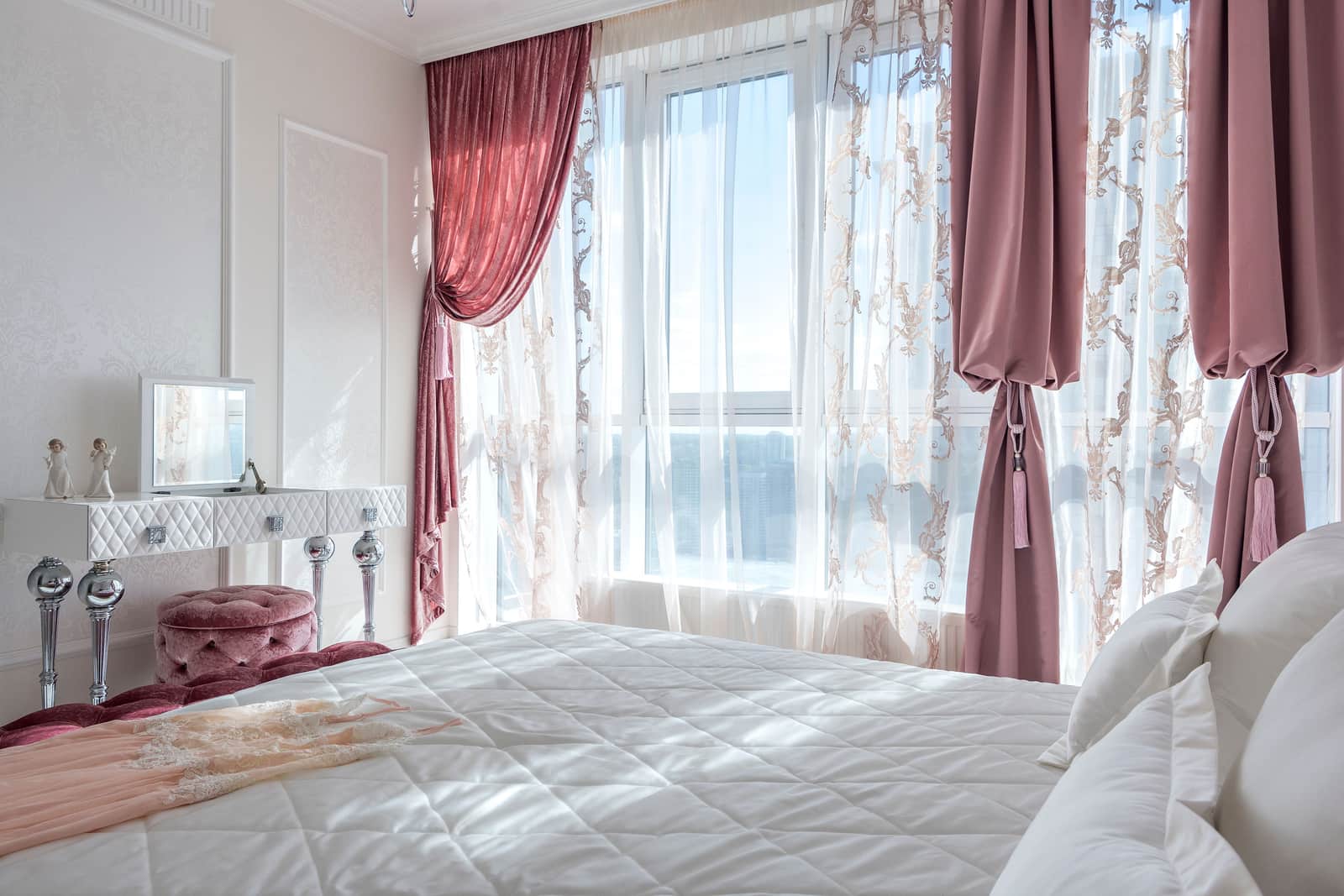
What carries lined blackout panels without bowing — rod, bracket and anchor.
Rods & Mounting
How to measure for curtains
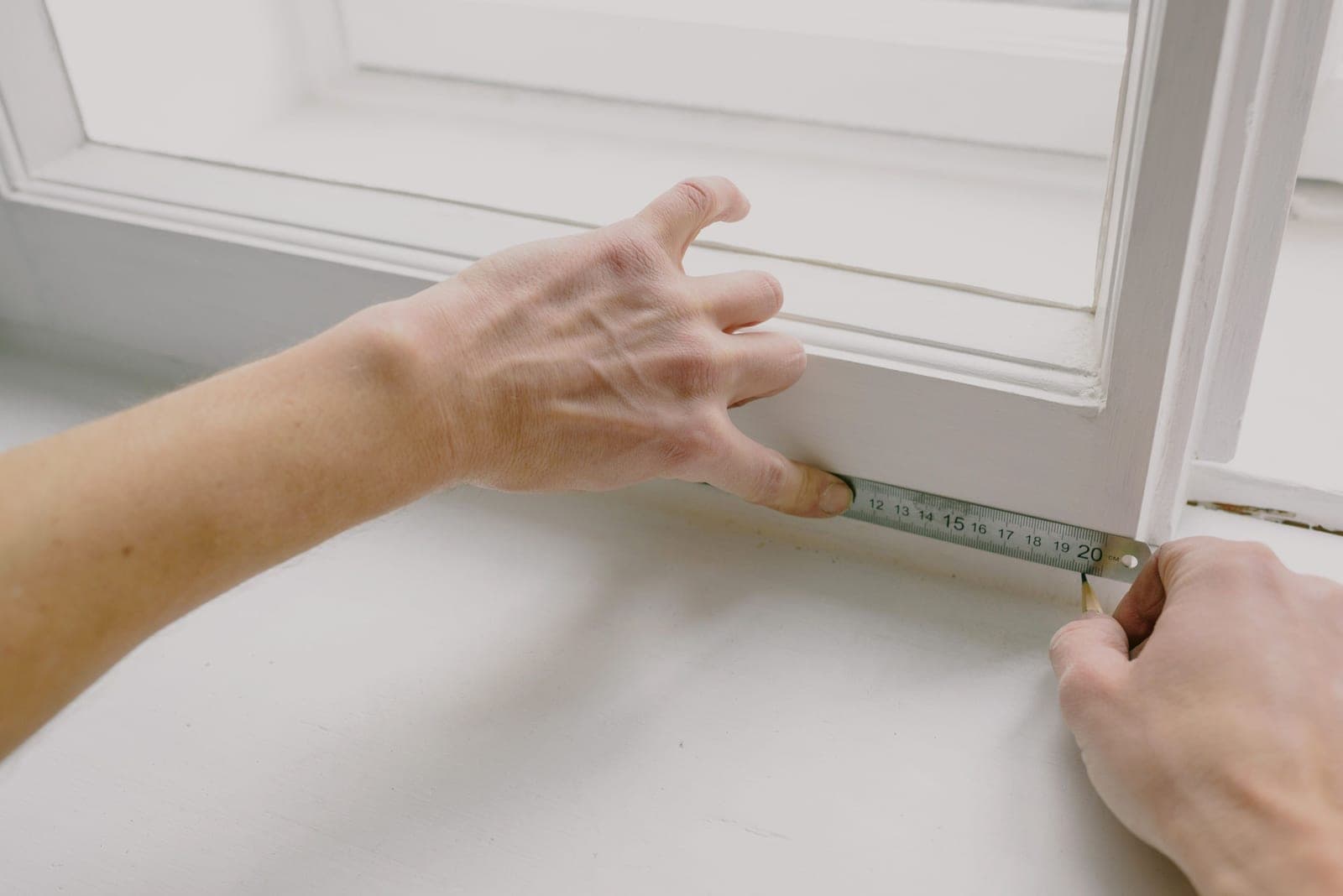
Four steps in order: rod width, fullness, drop from the rod, header.
Rooms
Window treatments for a bedroom
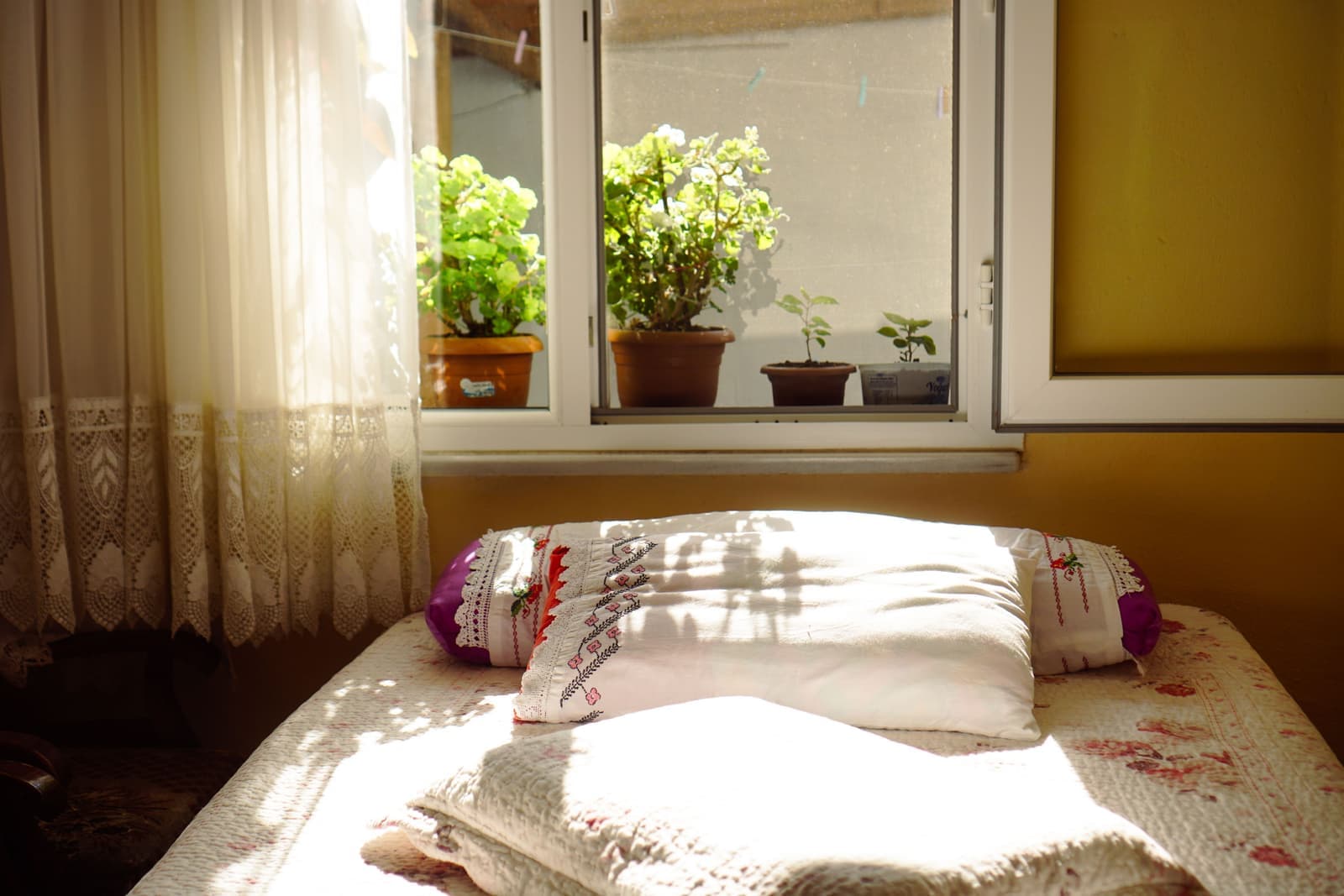
Darkness, warmth and privacy from one window — in the right order.
About the author
Janet H.
Janet H. is the owner of Janet Media Group and the person behind Drape & Dawn. She researches every pick against the site's published methodology.
Published by Janet Media Group · Last updated September 23, 2026