Roundup
Best curtain rods for heavy curtains
Lined blackout panels are heavier than people expect. Here's what carries them without bowing in the middle.
By Janet H. · Last updated September 23, 2026 · How we choose
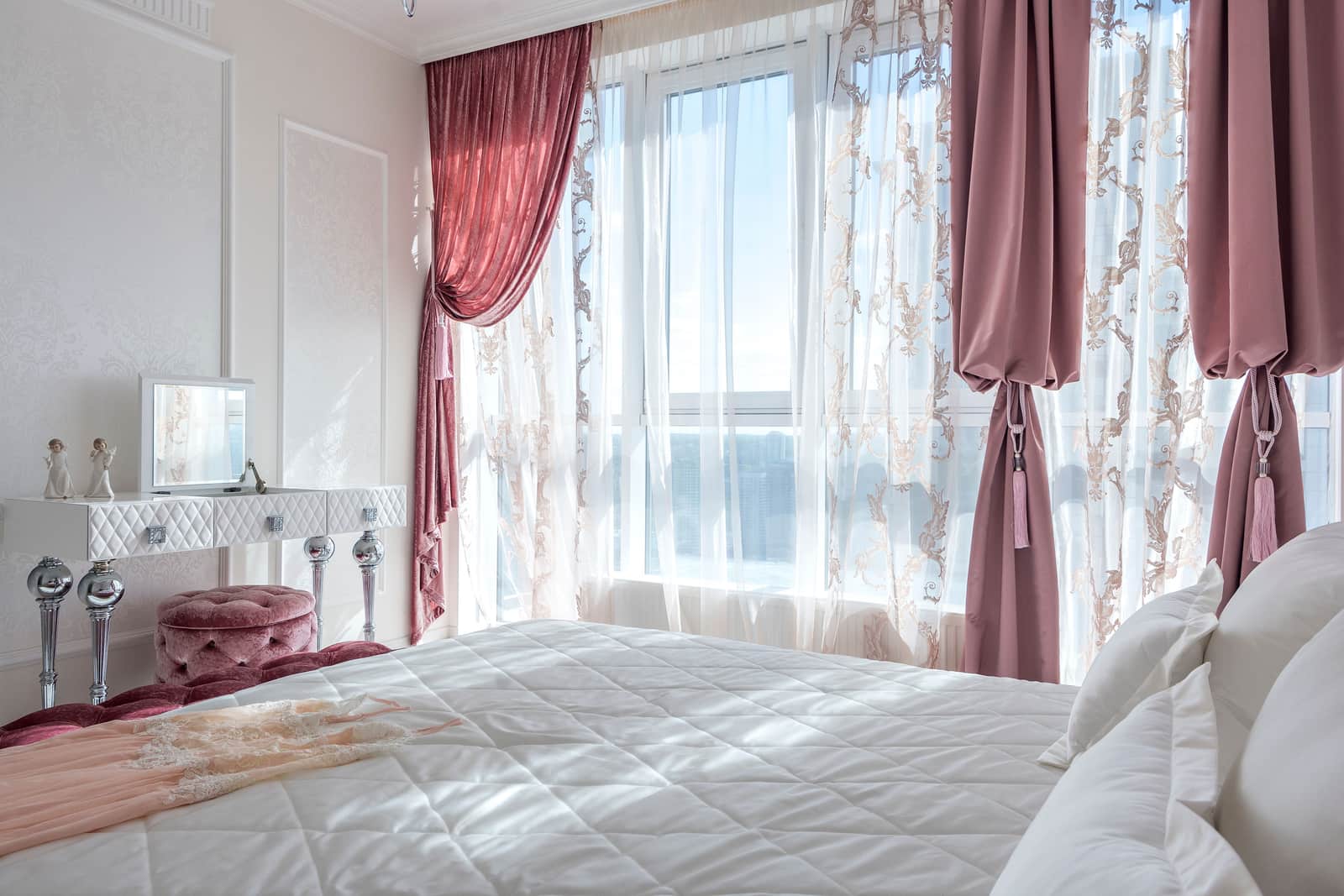
A pair of lined blackout panels at 96 inches is a genuinely heavy object, and most people discover this only when the rod starts to dip in the middle or a bracket pulls out of the drywall. The failure is predictable and preventable, and it comes down to three things: the rod's stiffness, the brackets, and the anchors.
Any one of those being marginal will spoil the installation regardless of how good the other two are. A beautiful heavy-gauge rod on flimsy stamped brackets still droops at the ends.
Drape & Dawn earns a commission from qualifying purchases made through links on this page, at no extra cost to you. It does not change what we recommend. Full disclosure.
Before the list
Where heavy installations fail
Sag in the middle. The rod bends between the two end brackets. Fixed by a center support, a larger diameter, or a thicker tube wall — in that order of cost-effectiveness. A center bracket is the cheapest solution by a wide margin.
Droop at the ends. The brackets themselves flex, so the rod tips down at each end even though the middle is straight. This is a bracket problem and no rod upgrade fixes it. Look for brackets with a proper fixing plate and two or more screw positions.
Pull-out. The fixing comes out of the wall. This is an anchor problem: the small plastic plugs supplied in most rod sets are not rated for this kind of load in drywall. Use toggles or self-drilling anchors, or hit a stud.
Telescoping weakness. A two-part adjustable rod near the top of its range has minimal overlap between the halves and flexes there. Buy a rod whose range puts your span in the middle, not at the limit.
| # | Best for | Product | Diameter | Construction | Supports | Price |
|---|---|---|---|---|---|---|
| 1 | Best overall | Heavy-duty lock-seam drapery rod set Lined, thermal and blackout panels, and any span where a standard rod has already disappointed you. | 3/4–1 in | Lock-seam steel | Center bracket available | Check price on Amazon #ad We don’t show prices — check the current one on Amazon. How we’re funded |
| 2 | Best for heavy blackout panels | Room Darkening Blackout Curtain Rod, curved, 48–88 in Bedrooms with wide windows and lined blackout panels, where both weight and edge light are problems. | ~1 in | Steel, wrap-around | Center bracket on wide sizes | Check price on Amazon #ad We don’t show prices — check the current one on Amazon. How we’re funded |
| 3 | Best value | Drapery Treatment Window Curtain Rod, 3/4 in Standard-width windows with lined curtains, where you need something better than a budget rod but not a full heavy-duty set. | 3/4 in | Steel | Add center over 60 in | Check price on Amazon #ad We don’t show prices — check the current one on Amazon. How we’re funded |
| 4 | Best decorative heavy option | Chelsea standard decorative window curtain rod Living and dining rooms where the rod is part of the decor and the curtains are lined but not extreme. | 5/8–1 in | Steel | Add center over 60 in | Check price on Amazon #ad We don’t show prices — check the current one on Amazon. How we’re funded |
01 — Best overall
Heavy-duty lock-seam drapery rod set
Rod Desyne
The brand most consistently named for heavy drapery hardware, using lock-seam tube rather than thin-wall extrusion. The brackets are proportioned to the rod, which is the detail that stops the ends drooping under load.
Who it’s for: Lined, thermal and blackout panels, and any span where a standard rod has already disappointed you.
The catch: Function over appearance. The finishes are plain, so if the rod is meant to be a decorative feature you will be compromising on looks.
At a glance
- Diameter
- 3/4–1 in
- Construction
- Lock-seam steel
- Supports
- Center bracket available
- Includes
- Rod, brackets, fixings
- Best span
- Wide
#ad We don’t show prices — check the current one on Amazon. How we’re funded
02 — Best for heavy blackout panels
Room Darkening Blackout Curtain Rod, curved, 48–88 in
Amazon Basics
A wrap-around rod in the wider span range, sold specifically for heavy curtains. The curve closes the side gap, and the wider sizes ship with a center support — the two things a heavy blackout installation needs most.
Who it’s for: Bedrooms with wide windows and lined blackout panels, where both weight and edge light are problems.
The catch: The curved ends mean panels cannot stack fully clear of the glass, so you lose a little daylight when they are open.
At a glance
- Diameter
- ~1 in
- Construction
- Steel, wrap-around
- Supports
- Center bracket on wide sizes
- Includes
- Rod, brackets, fixings
- Best span
- 48–88 in
#ad We don’t show prices — check the current one on Amazon. How we’re funded
03 — Best value
Drapery Treatment Window Curtain Rod, 3/4 in
Ivilon
A solid steel rod-and-bracket set at a modest price, adequate for medium-heavy panels on spans up to around 60 inches without additional support.
Who it’s for: Standard-width windows with lined curtains, where you need something better than a budget rod but not a full heavy-duty set.
The catch: Below the heavy-duty tier. Over 60 inches or with genuinely heavy blackout panels, add a center support or step up.
At a glance
- Diameter
- 3/4 in
- Construction
- Steel
- Supports
- Add center over 60 in
- Includes
- Rod, brackets, fixings
- Best span
- Up to ~60 in
#ad We don’t show prices — check the current one on Amazon. How we’re funded
04 — Best decorative heavy option
Chelsea standard decorative window curtain rod
Kenney
A decorative rod with enough substance to carry lined panels, for rooms where the hardware is visible and a plain heavy-duty rod would look wrong.
Who it’s for: Living and dining rooms where the rod is part of the decor and the curtains are lined but not extreme.
The catch: Decorative first, structural second. For genuinely heavy panels on a wide span, a dedicated heavy-duty rod is the safer choice.
At a glance
- Diameter
- 5/8–1 in
- Construction
- Steel
- Supports
- Add center over 60 in
- Includes
- Rod, finials, brackets
- Best span
- Up to ~72 in
#ad We don’t show prices — check the current one on Amazon. How we’re funded
Buying guide
Fitting it so it lasts
Count the supports before you buy the rod
Span up to 60 inches: two end brackets. 60 to 96 inches: add one center support. Over 96 inches: two. If the panels need to travel the full width, specify a support that lets rings pass rather than a plain saddle bracket.
Find the studs
A stud finder costs very little and changes the outcome. Fixing even one bracket into a stud transforms a marginal installation. Where the stud positions do not match your bracket positions, use toggle anchors — they spread the load behind the board rather than gripping the crumbly face of it.
Consider a track instead
For very heavy panels across a wide opening, a ceiling-mounted or wall-mounted track carries the load along its whole length rather than at two or three points. It looks less decorative and it handles weight that no decorative rod comfortably will. It also closes the top gap, which helps with both light and heat.
Methodology
How we chose
Selection is on tube construction and diameter, bracket design, and whether center supports are included or available. We do not load-test and do not publish a weight capacity of our own. Methodology.
FAQ
Questions people actually ask
How heavy are blackout curtains?
Heavier than most people expect — a pair of lined panels at 96 inches plus the rod can exceed 15 pounds. That is well past what small plastic drywall plugs will hold and enough to bow a thin rod across a wide span.
How do I stop my curtain rod sagging?
Add a center support bracket — over 60 inches of span you need one, over 96 you need two. It costs very little and works better than upgrading to a larger-diameter rod.
What anchors should I use for a heavy curtain rod?
A stud where possible. Otherwise toggle or self-drilling anchors rated well above the load, which spread the force behind the board. Not the small gray plastic plugs that come in the box.
Is a thicker rod always better?
Not necessarily — wall thickness matters as much as diameter. A lock-seam steel rod at 3/4 inch can be stiffer than a thin-wall aluminum tube at 1 inch. And a center support beats both for a fraction of the cost.
Should I use a track instead of a rod?
For very heavy panels across a wide opening, yes. A track carries the load along its whole length rather than at two or three points, and a ceiling-mounted track also closes the light and heat gap above the curtain.
Keep going
Read next
Rods & Mounting
Best curtain rods
The part everyone underspends on — what each rod carries and when to add a support.
Blackout
Best blackout curtains for a room that's too bright
Panels that block light, plus the mounting rule that decides whether any of them works.
Rods & Mounting
What size curtain rod do I need?
Window plus 8 to 12 inches — with the full size table and support rules.

Drafts
Best thermal curtains
Panels worth buying — and the sealing that doubles what any of them achieve.
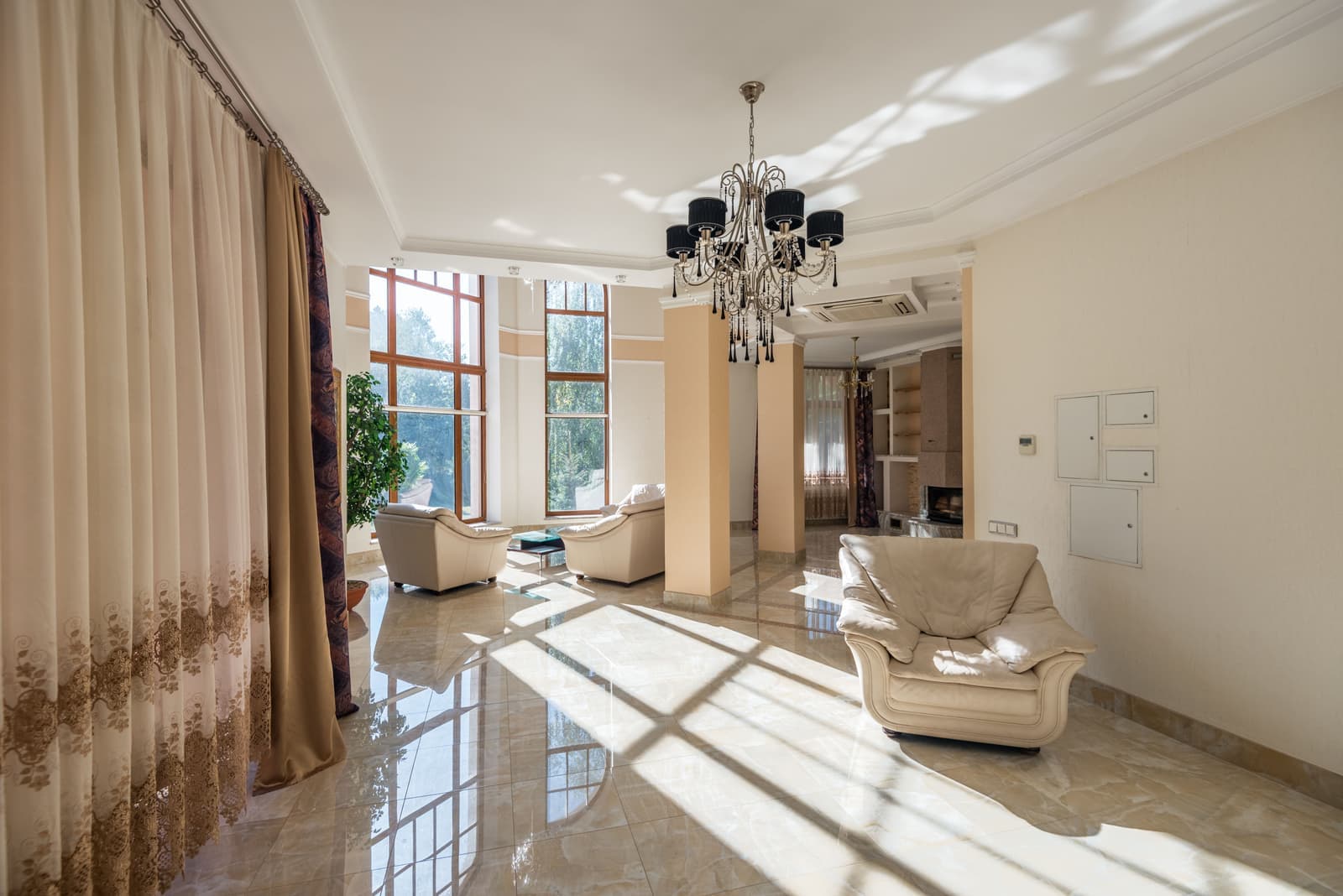
Rods & Mounting
How high to hang curtains
Higher than you think — ceiling height to rod height to curtain length.
About the author
Janet H.
Janet H. is the owner of Janet Media Group and the person behind Drape & Dawn. She researches every pick against the site's published methodology.
Published by Janet Media Group · Last updated September 23, 2026