Guide
How to measure for curtains
Nearly every curtain problem starts as a measuring problem. Four steps, in this order, and it stops being one.
By Janet H. · Last updated September 23, 2026 · How we choose
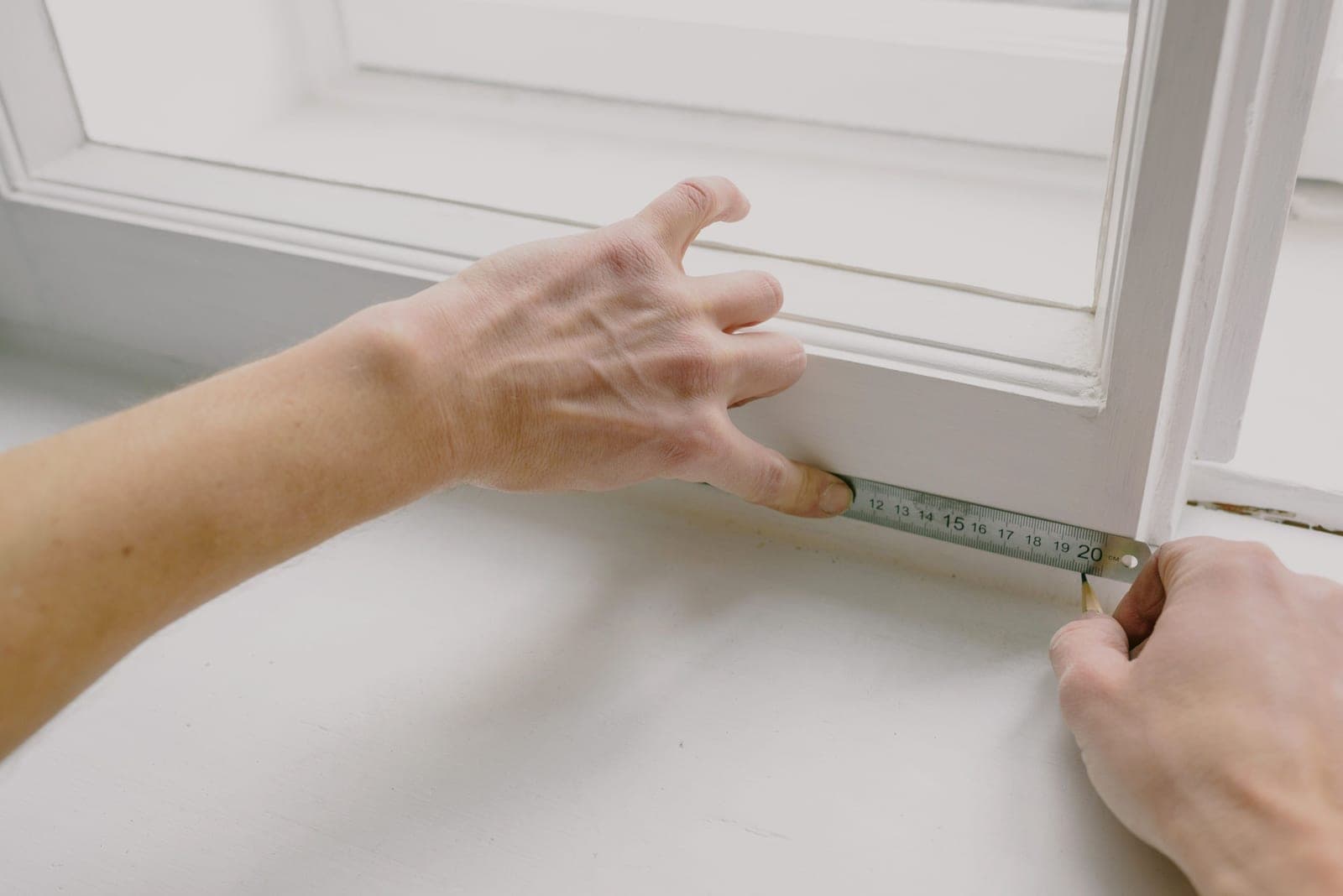
Four measurements, in this order: the rod width (window plus 8 to 12 inches), the total panel width (2 to 2.5 times the window width), the drop (measured from the rod, not the frame), and the header style. Get those right and inexpensive curtains look considered.
The mistake almost everyone makes is measuring the window and buying curtains that size. A 48-inch window needs roughly 96 to 120 inches of combined panel, on a rod around 58 inches wide. Measuring the window and buying to it produces flat, short curtains with daylight down both sides.
Drape & Dawn earns a commission from qualifying purchases made through links on this page, at no extra cost to you. It does not change what we recommend. Full disclosure.
Measuring
The four steps
- 1
Rod width — window width plus 8 to 12 inches
Measure the outside of the window frame, then add 4 to 6 inches for each side. That extra length is where the open panels stack, so they sit on the wall rather than covering the glass, and it is what gives you overlap at the edges when they are closed.
- 2
Rod height — 4 to 6 inches above the frame, or higher
Measure up from the top of the frame. Higher looks better on most walls, and many rooms look best with the rod just under the ceiling or the crown molding. Mark the bracket positions before you commit — this measurement changes the drop.
- 3
Panel width — 2 to 2.5 times the window width, combined
Add up the widths of all the panels you plan to hang. For a 48-inch window that is 96 to 120 inches total, usually two panels of 50 to 54 inches. Sheers want more, around 2.5 to 3 times. Less than 2 times and the curtain hangs flat.
- 4
Drop — from the rod, not the frame
Measure from where the rod will sit down to where you want the hem: the floor, half an inch above it, or the sill. Because the rod sits above the frame, the panel needs to be that much longer than the window. Standard drops are 63, 84, 96 and 108 inches.
Reference
Where the hem should land
| Finish | Where it lands | Suits |
|---|---|---|
| Float | ½ in above the floor | Everyday rooms, curtains you open daily |
| Kiss | Just touching the floor | Bedrooms, a slightly softer look |
| Break | 1–2 in on the floor | Formal rooms, heavy drapes |
| Puddle | 4+ in pooling on the floor | Decorative panels that never move |
| Sill | ½ in below the sill | Kitchens, bathrooms, radiators below |
| Apron | 4 in below the sill | Small windows, café-style rooms |
The failure mode
What goes wrong
- Measuring the window instead of the rod. The single most common error, and it produces curtains that are too narrow and too short at the same time.
- Forgetting the rod height in the drop. A rod mounted 6 inches above the frame needs a panel 6 inches longer than you first estimated.
- Assuming the panel width is the coverage. A 52-inch panel does not cover a 52-inch window in any way you would want — fullness is the point.
- Measuring one place only. Floors are not level and windows are not square. Measure the drop at both ends and use the shorter if you want the hem to clear the floor everywhere.
- Measuring with the tape sagging. On a long drop a soft tape sags enough to add an inch. Keep it taut, or use a rigid tape.
Next step
Then buy the rod
With the width and height decided, the rod comes next — and it is the component that carries everything else. Diameter, bracket quality and whether you need a center support all follow from the span and the weight of the panels.
| # | Best for | Product | Diameter | Best load | Supports | Price |
|---|---|---|---|---|---|---|
| 1 | Best for heavy panels | Heavy-duty lock-seam drapery rod set Spans over 60 inches, and any lined, thermal or blackout panel. | 3/4–1 in | Heavy | Center bracket available | Check price on Amazon #ad We don’t show prices — check the current one on Amazon. How we’re funded |
| 2 | Best if you're chasing darkness | Room Darkening Blackout Curtain Rod, wrap-around Bedrooms measured for blackout, where the side gap is the thing you are trying to eliminate. | ~1 in | Medium to heavy | Included on wide sizes | Check price on Amazon #ad We don’t show prices — check the current one on Amazon. How we’re funded |
| 3 | Best for standard windows | Drapery Treatment Window Curtain Rod Ordinary windows measured at up to about 60 inches of rod span. | 3/4 in | Light to medium | Add over 60 in | Check price on Amazon #ad We don’t show prices — check the current one on Amazon. How we’re funded |
01 — Best for heavy panels
Heavy-duty lock-seam drapery rod set
Rod Desyne
Once you have your span and know the panels are lined or blackout, this is the construction that will not bow. Lock-seam steel tube with brackets proportioned to match.
Who it’s for: Spans over 60 inches, and any lined, thermal or blackout panel.
The catch: Plain finishes. If the rod is a visible feature of the room, you are trading appearance for stiffness.
At a glance
- Diameter
- 3/4–1 in
- Best load
- Heavy
- Supports
- Center bracket available
- Includes
- Rod, brackets, fixings
#ad We don’t show prices — check the current one on Amazon. How we’re funded
02 — Best if you're chasing darkness
Room Darkening Blackout Curtain Rod, wrap-around
Amazon Basics
A wrap-around rod that curves back to the wall at each end. Since you have already measured for 4 to 6 inches of overlap per side, this converts that overlap into a closed edge rather than a panel hanging in open air.
Who it’s for: Bedrooms measured for blackout, where the side gap is the thing you are trying to eliminate.
The catch: The curve keeps the stack slightly over the glass when the panels are open.
At a glance
- Diameter
- ~1 in
- Best load
- Medium to heavy
- Supports
- Included on wide sizes
- Includes
- Rod, brackets, fixings
#ad We don’t show prices — check the current one on Amazon. How we’re funded
03 — Best for standard windows
Drapery Treatment Window Curtain Rod
Ivilon
A straightforward set for a standard span with medium-weight panels — everything in one box, at a price that works when you are doing several windows.
Who it’s for: Ordinary windows measured at up to about 60 inches of rod span.
The catch: Add a center support if your measurement came out over 60 inches.
At a glance
- Diameter
- 3/4 in
- Best load
- Light to medium
- Supports
- Add over 60 in
- Includes
- Rod, brackets, fixings
#ad We don’t show prices — check the current one on Amazon. How we’re funded
For the rod-width arithmetic in more detail, including the table by window size, see what size curtain rod do I need. For the height decision, how high to hang curtains.
FAQ
Questions people actually ask
How wide should curtains be compared to the window?
The combined width of your panels should be about 2 to 2.5 times the window width. For a 48-inch window that is roughly 96 to 120 inches of total panel — usually two panels of 50 to 54 inches each.
Do I measure the window or the rod for curtain length?
The rod. The drop is measured from where the rod will sit down to the hem, and since the rod is 4 to 6 inches above the frame, the panel needs to be that much longer than the window opening.
How wide should the curtain rod be?
The window width plus 8 to 12 inches total — 4 to 6 inches past the frame on each side. That gives you somewhere for the open panels to stack and the overlap that stops light at the edges.
What are standard curtain lengths?
63, 84, 96 and 108 inches are the common drops. Measure from your rod position to the hem and pick the nearest one up, then hem if you need it shorter — a panel that is too short cannot be fixed.
How much fullness do sheer curtains need?
More than opaque ones — 2.5 to 3 times the window width. The gathers are what diffuse the light, so a sheer hung flat barely works at all.
Keep going
Read next
Rods & Mounting
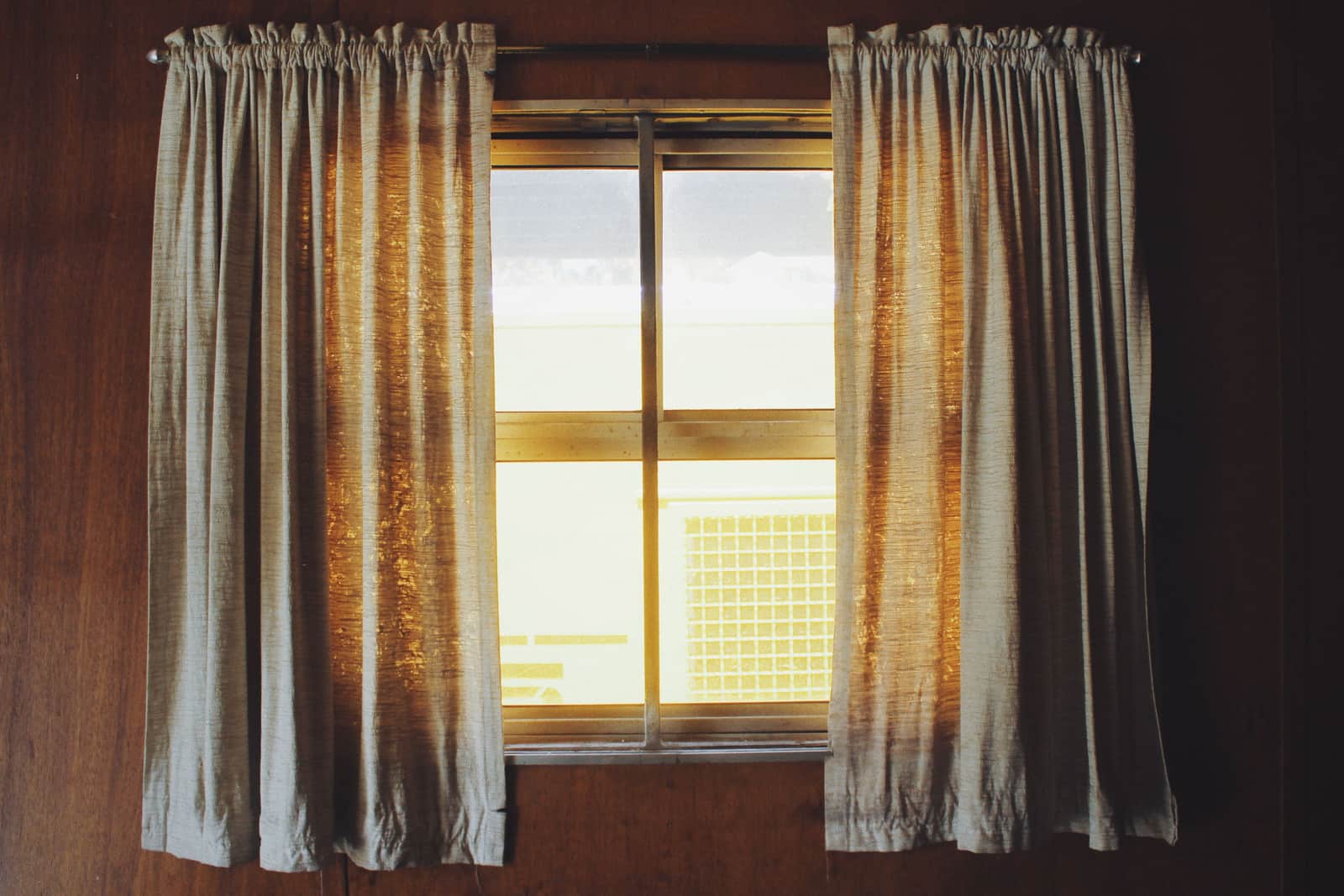
What size curtain rod do I need?
Window plus 8 to 12 inches — with the full size table and support rules.
Rods & Mounting
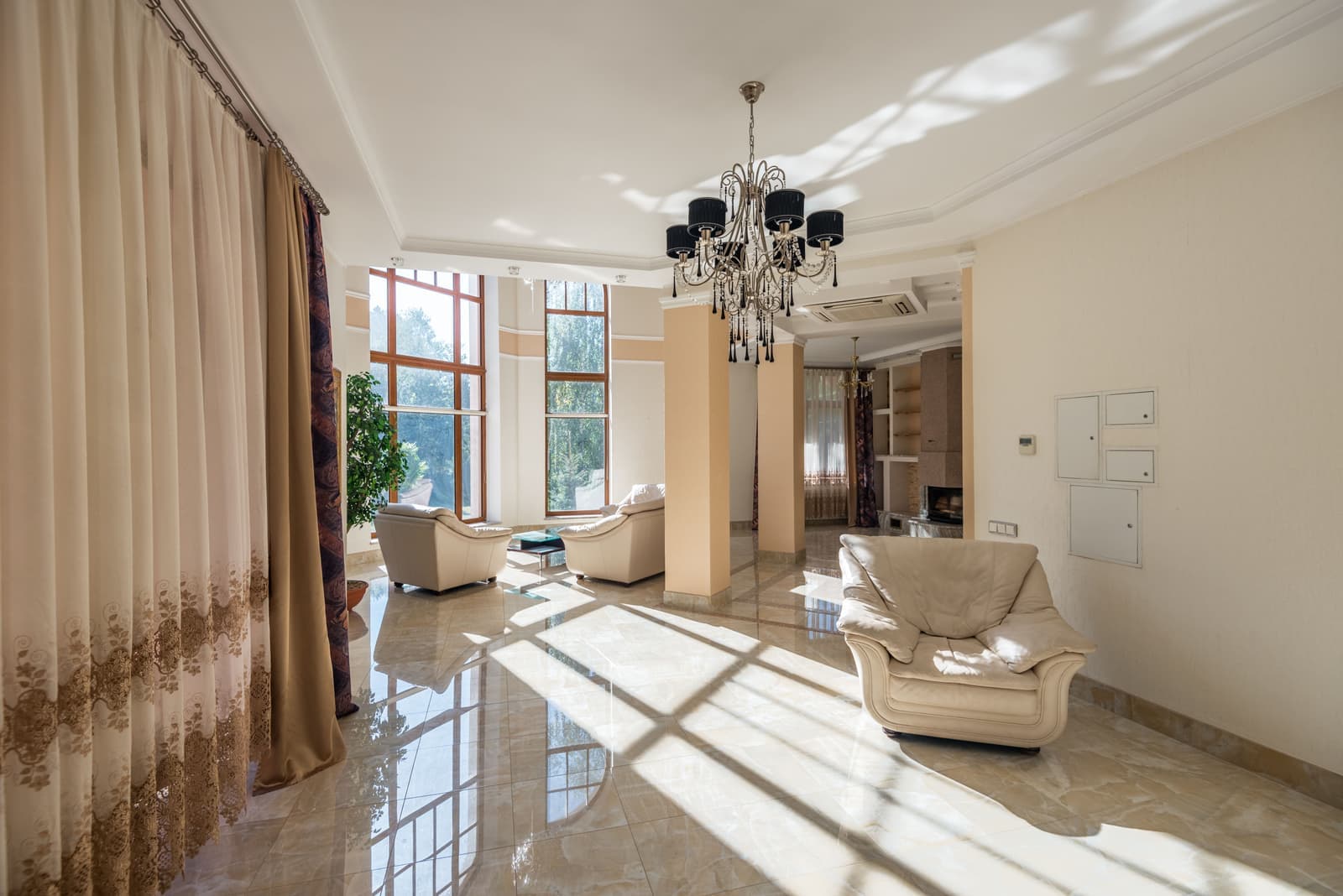
How high to hang curtains
Higher than you think — ceiling height to rod height to curtain length.
Rods & Mounting
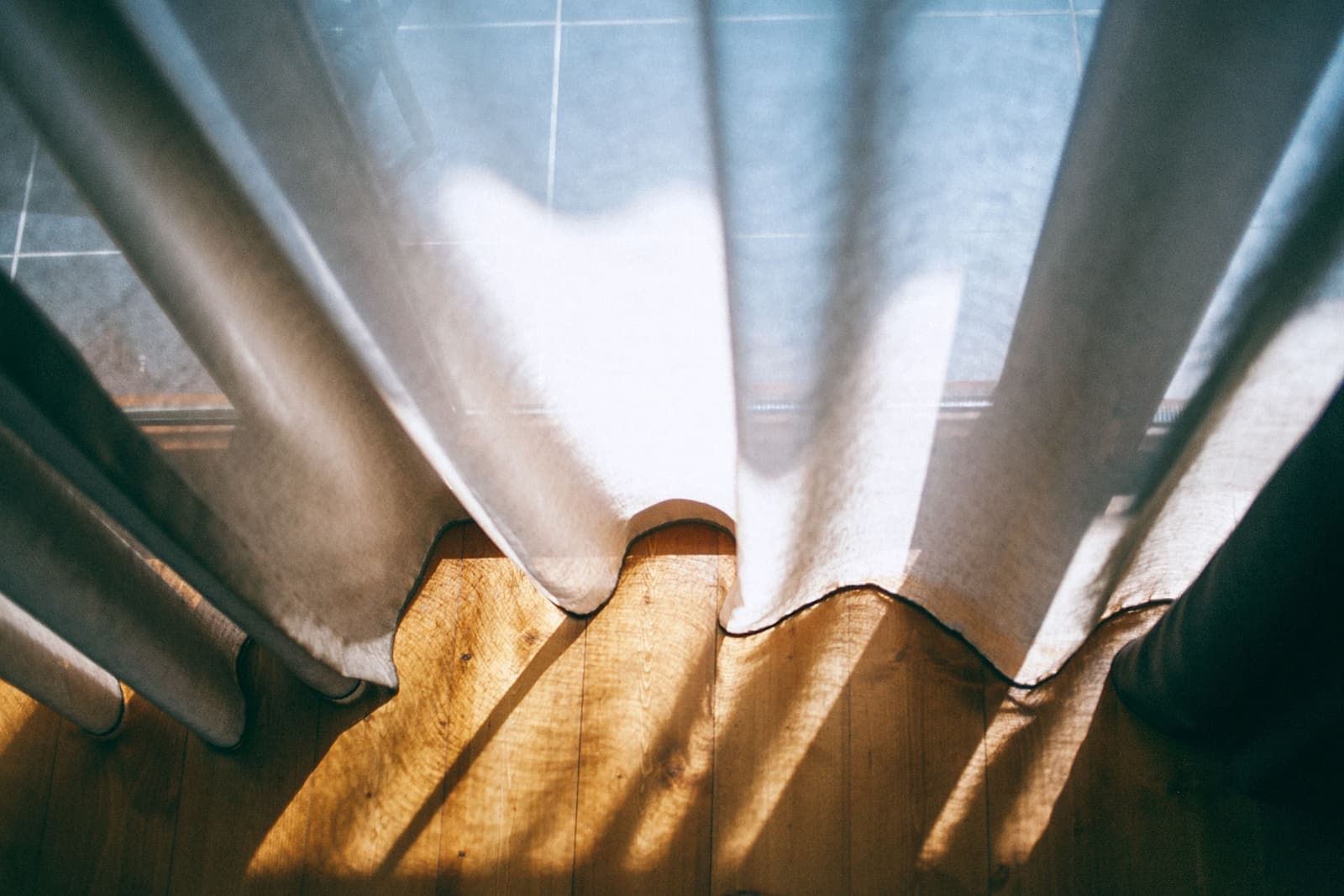
Curtain length guide
Standard drops, six hem finishes, and the measurement everyone gets wrong.
Rods & Mounting
Inside mount vs outside mount
Tidy and leaky, or bigger and light-tight — and how the choice changes your measuring.

Rods & Mounting
Best curtain rods
The part everyone underspends on — what each rod carries and when to add a support.
About the author
Janet H.
Janet H. is the owner of Janet Media Group and the person behind Drape & Dawn. She researches every pick against the site's published methodology.
Published by Janet Media Group · Last updated September 23, 2026