Guide
How to fix curtain light gaps
The gap at the side is letting in more light than the fabric ever blocked. Here's how to close each one, cheapest first.
By Janet H. · Last updated September 23, 2026 · How we choose

A curtain light gap is a mounting problem, and every one of them has a cheap fix. Side gaps close with a wider rod and return brackets; top gaps close with a pelmet or a higher mount; the middle closes with more panel width; the bottom closes with a longer drop. None of that requires new curtains.
This is the page to read before you spend money on better fabric, because in most bright bedrooms the fabric was never the problem. Work through the gaps in order — sides first, they leak the most.
Drape & Dawn earns a commission from qualifying purchases made through links on this page, at no extra cost to you. It does not change what we recommend. Full disclosure.
Biggest leak first
Gap 1 — the sides
If the rod is roughly the width of the window, the panels have nowhere to overlap and light runs straight down both edges. The fix is a rod 8 to 12 inches wider than the window, so each panel extends 4 to 6 inches onto the wall beyond the frame.
Then add returns. A return bracket holds the rod away from the wall and bends the end of the rod back to it, so the panel wraps round and touches the wall instead of ending in mid-air. This is the single most effective thing you can do, and return brackets cost very little. Wrap-around and "C"-shaped rods do the same job in one piece.
If you cannot move the rod — a rental, a fixed track — the workable substitutes are magnetic edge strips (on a steel frame), a strip of hook-and-loop tape holding the panel edge to the wall, or simply tucking the panel edge behind a piece of furniture placed against the wall. Inelegant, but it works.
The one people miss
Gap 2 — the top
Light coming over the header hits the ceiling and scatters through the whole room, which is why a top gap feels worse than its size suggests. Grommet headers are the worst offenders: the panel hangs an inch or so off the wall and there are open gaps between each grommet.
- Raise the rod closer to the ceiling so there is less wall above the curtain for light to travel down.
- Fit a pelmet or a board across the top. A painted board fixed above the rod, projecting a few inches, closes the path completely and also helps thermally by stopping the convection loop.
- Use a ceiling-mounted track instead of a wall rod — no gap above by definition.
- Switch the header to back tab or rod pocket, both of which hold the panel much closer to the wall than grommets do.
Where the panels meet
Gap 3 — the middle
Two panels that meet edge to edge will separate as they settle, and a vertical slit of daylight appears down the center. They need to overlap by 3 to 4 inches, which means more total panel width than most people buy — aim for 2 to 2.5 times the window width combined.
Cheap fixes if you do not want another panel: a couple of magnetic curtain clips holding the overlap closed, a long bulldog clip at eye height, or a center-overlap track where one carrier crosses the other. Any of the three costs less than a curtain.
Light from below
Gap 4 — the bottom
Panels that stop at the sill leave light bouncing off the wall below and up into the room — less obvious than a side gap but it lifts the whole room's brightness. Floor-length panels, or a half-inch off the floor, close it. Remember the drop is measured from the rod, so a rod mounted 6 inches above the frame needs panels 6 inches longer than you first estimated. See the curtain length guide.
The exception
When it really is the fabric
If the light is an even glow across the whole panel rather than a line at an edge, the fabric is passing light and no amount of mounting will fix it. Hold a section up to a bright lamp: a true blackout weave shows nothing. If yours glows, it is room-darkening fabric and you want a genuine blackout panel — best blackout curtains — or a liner behind what you have.
What we’d buy
The products behind this advice
Picked against the criteria above, not the other way round. We don’t show prices because we don’t have a live price feed — each link goes to the current listing.
| # | Best for | Product | Type | Feature | Price |
|---|---|---|---|---|---|
| 1 | Closes the side gap | Room Darkening Blackout Curtain Rod, wrap-around The single highest-value fix if light is running down both edges of your curtains. | Curtain rod | Built-in returns | Check price on Amazon #ad We don’t show prices — check the current one on Amazon. How we’re funded |
| 2 | If the rod is also sagging | Heavy-duty lock-seam drapery rod set Wide spans and lined panels, where a wider rod alone is not enough. | Curtain rod | — | Check price on Amazon #ad We don’t show prices — check the current one on Amazon. How we’re funded |
| 3 | If the fabric glows too | Blackout Curtain Liners with detachable rings Curtains that passed the lamp test badly — a liner fixes opacity without new panels. | Blackout liner | — | Check price on Amazon #ad We don’t show prices — check the current one on Amazon. How we’re funded |
01 — Closes the side gap
Room Darkening Blackout Curtain Rod, wrap-around
Amazon Basics
A curved rod whose ends bend back to the wall, so the curtain edge meets the wall instead of ending in open air. That built-in return closes the biggest light path on a blackout setup without separate return brackets.
Who it’s for: The single highest-value fix if light is running down both edges of your curtains.
The catch: The curve keeps the stack slightly over the glass when the panels are open, costing a little daylight.
At a glance
- Type
- Curtain rod
- Feature
- Built-in returns
- Spans
- 28–48 and 48–88 in
- Supports
- Center bracket on wide sizes
#ad We don’t show prices — check the current one on Amazon. How we’re funded
02 — If the rod is also sagging
Heavy-duty lock-seam drapery rod set
Rod Desyne
Lock-seam steel tube with brackets proportioned to match, which is what stops a rod bowing in the middle or drooping at the ends under lined panels.
Who it’s for: Wide spans and lined panels, where a wider rod alone is not enough.
The catch: Function over appearance — the finishes are plain. If the rod is meant to be a decorative feature, you are trading looks for stiffness.
At a glance
- Type
- Curtain rod
- Diameter
- 3/4–1 in
- Load
- Heavy
- Supports
- Center bracket available
#ad We don’t show prices — check the current one on Amazon. How we’re funded
03 — If the fabric glows too
Blackout Curtain Liners with detachable rings
NICETOWN
Blackout liners on rings that snap open, so they go onto an existing rod behind curtains you already own without taking anything down.
Who it’s for: Curtains that passed the lamp test badly — a liner fixes opacity without new panels.
The catch: A liner inherits your curtains' coverage. If they are narrower or shorter than the window, the liner will be too, and the gaps stay exactly where they were.
At a glance
- Type
- Blackout liner
- Construction
- Woven blackout
- Care
- Machine wash cold
- Attachment
- Detachable snap rings
#ad We don’t show prices — check the current one on Amazon. How we’re funded
FAQ
Questions people actually ask
How do I stop light coming in at the sides of my curtains?
Widen the rod so each panel extends 4 to 6 inches past the frame, then add return brackets so the panel edge wraps back to the wall. Those two changes together close the largest light path in a typical bedroom.
What is a curtain return and do I need one?
A return is the bit of rod that bends back to the wall at each end, so the curtain edge touches the wall rather than hanging in open air. For blackout, yes — it is the cheapest meaningful upgrade to curtains you already own.
How do I close the gap at the top of my curtains?
Physically block it: a pelmet or board above the rod, a ceiling-mounted track, or a back-tab header that sits flat against the wall. Raising the rod nearer the ceiling helps as well, because there is less wall for light to run down.
My curtains don't meet in the middle. What now?
They need to overlap by 3 to 4 inches rather than just touching, which usually means more total panel width. As a cheap interim, magnetic curtain clips or a center-overlap track will hold the join closed.
Will fixing the gaps be enough, or do I need new curtains?
Check the fabric first: hold it to a bright lamp. No glow means the fabric is fine and fixing the gaps will get you there. An even glow means it is room-darkening fabric and you need a true blackout panel or a liner behind it.
Keep going
Read next
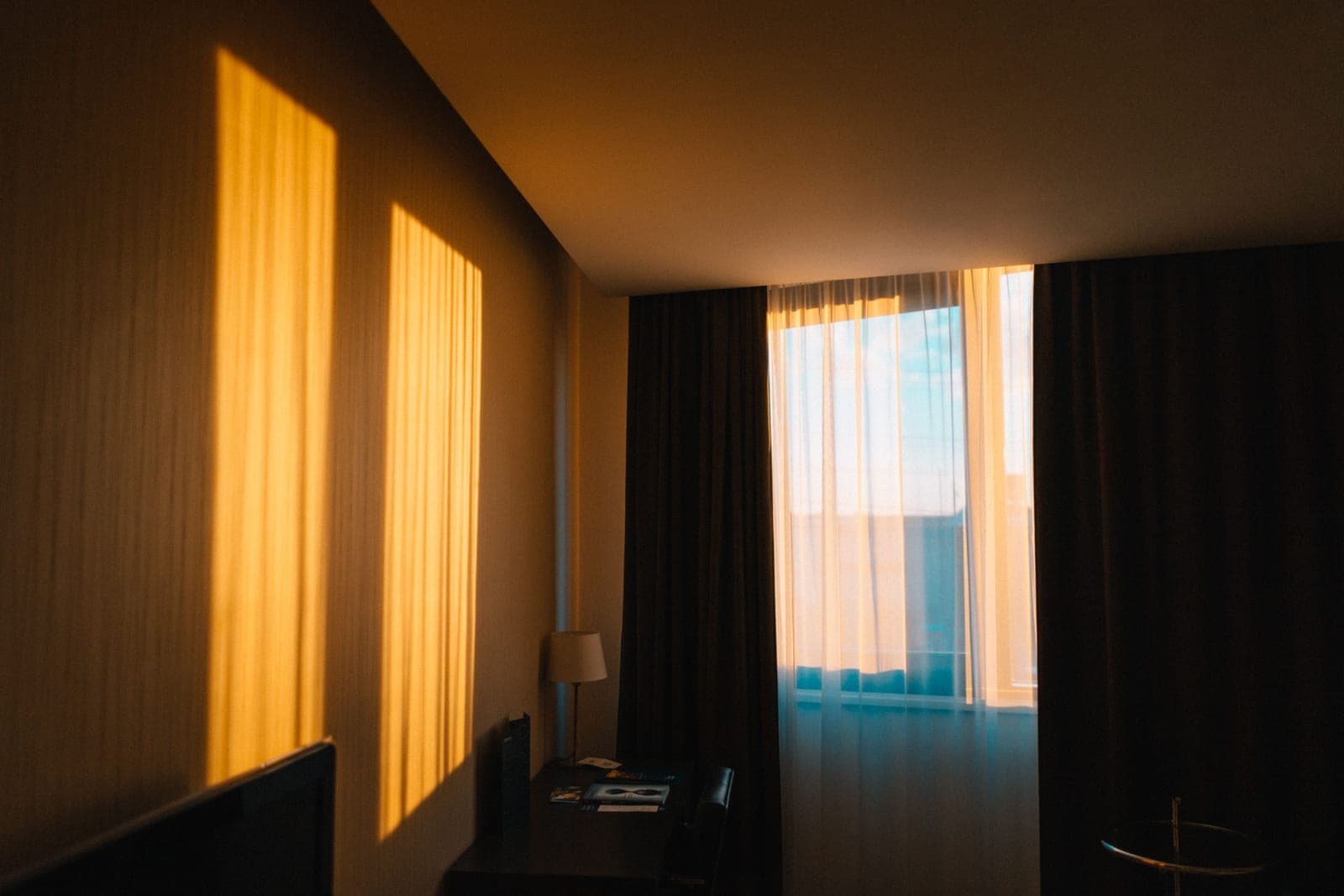
Blackout
Do blackout curtains actually work?
The fabric works. The mounting usually doesn't. Here's how to tell which one is failing you.
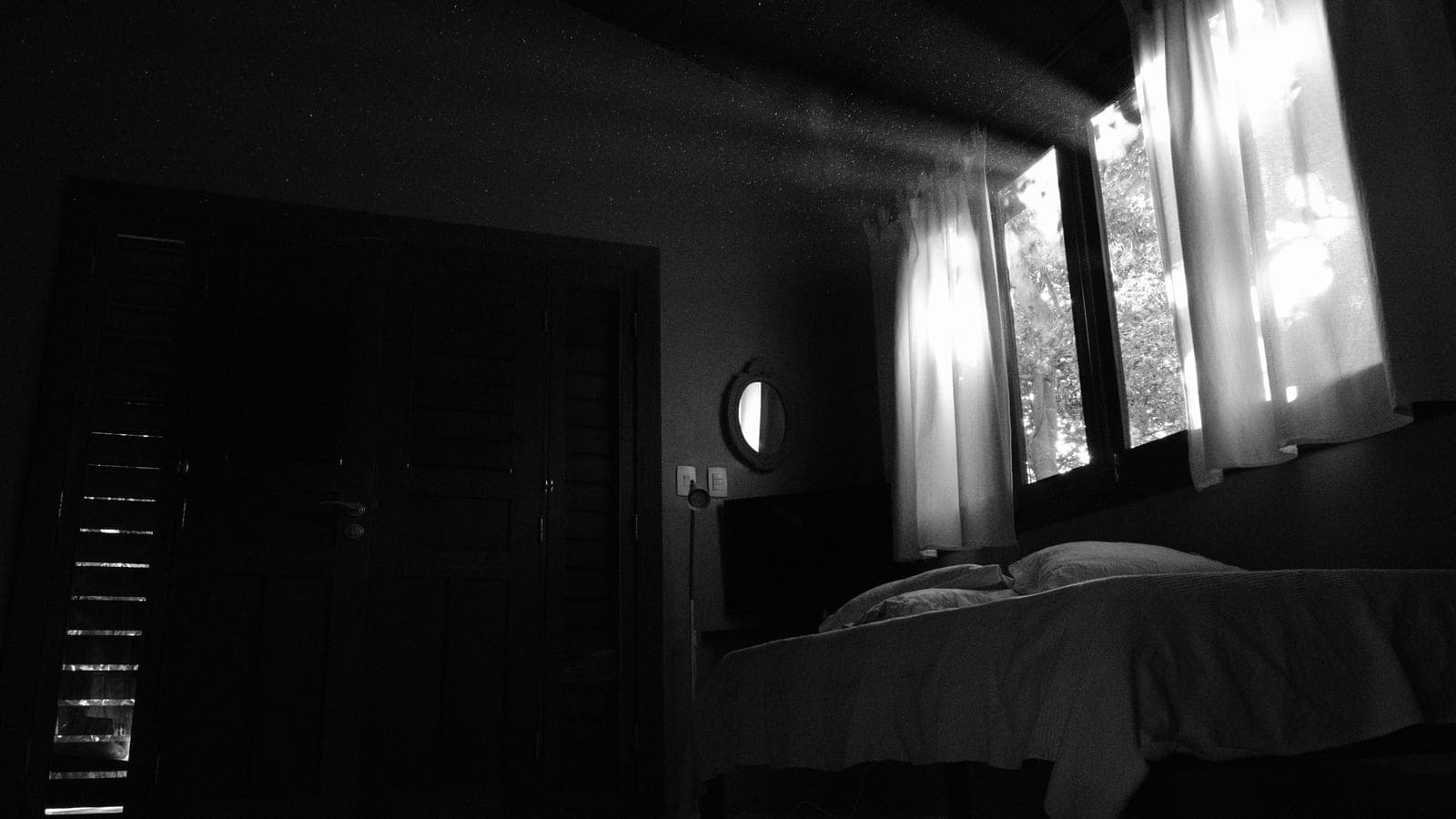
Blackout
Best blackout curtains for a room that's too bright
Panels that block light, plus the mounting rule that decides whether any of them works.
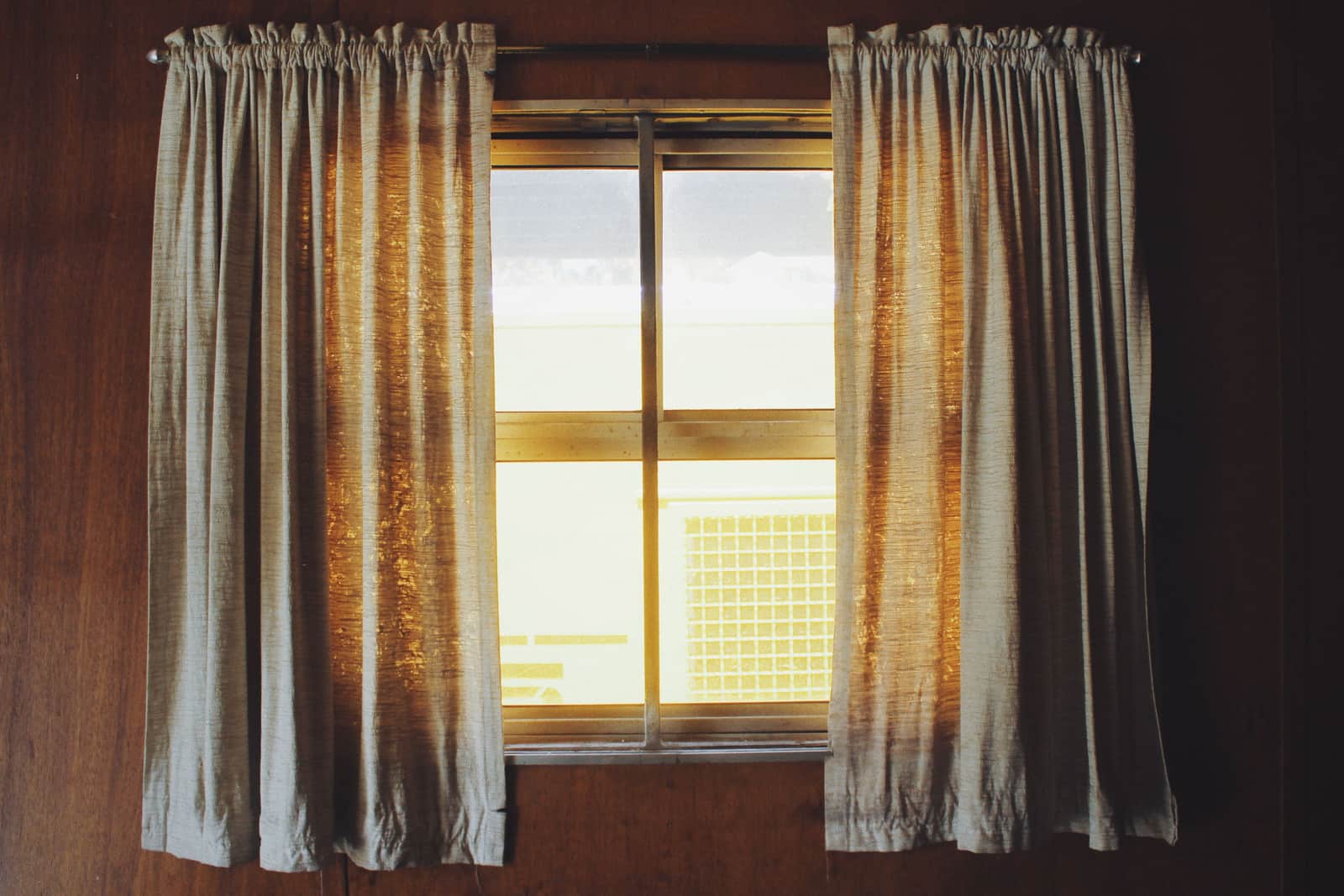
Rods & Mounting
What size curtain rod do I need?
Window plus 8 to 12 inches — with the full size table and support rules.
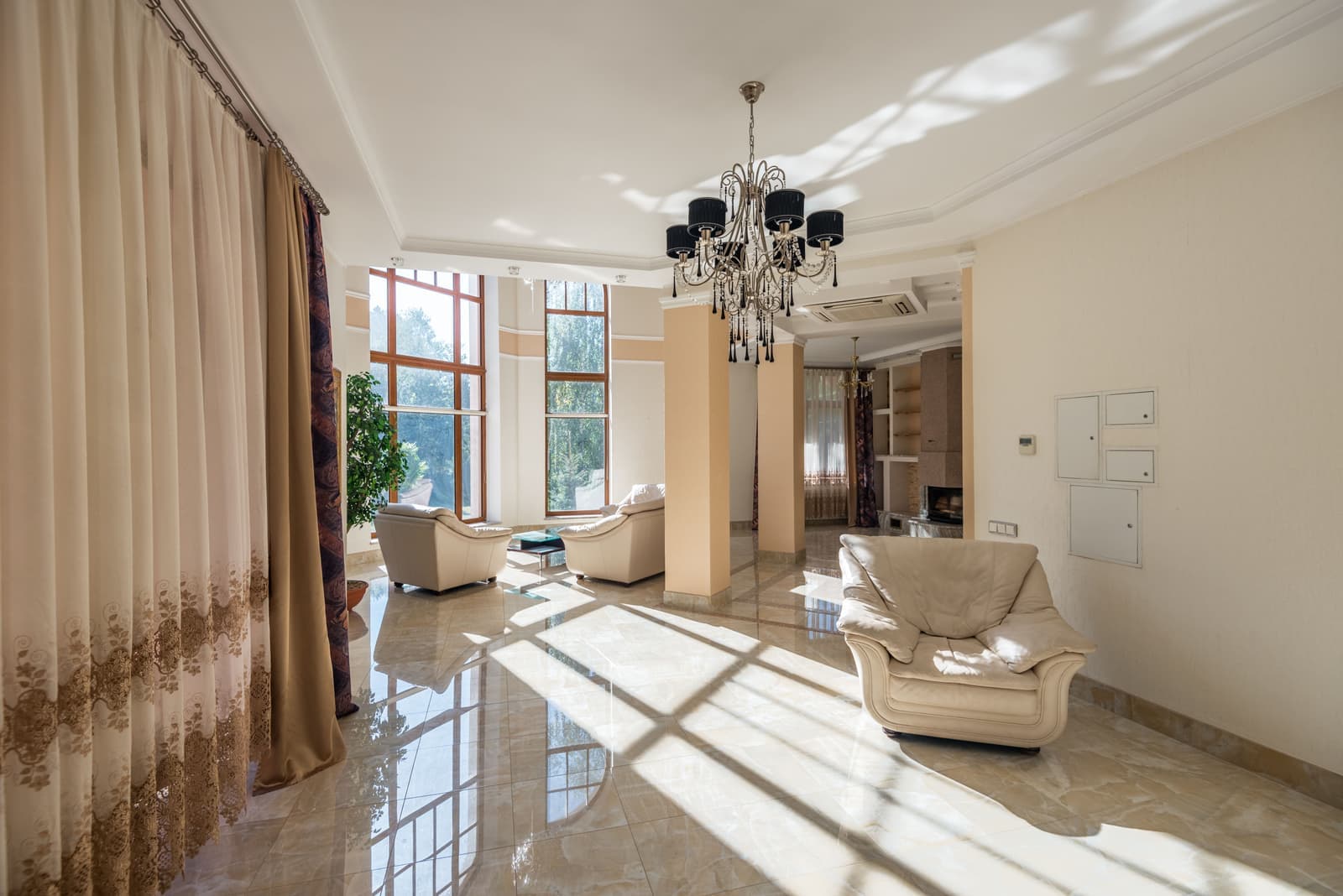
Rods & Mounting
How high to hang curtains
Higher than you think — ceiling height to rod height to curtain length.
Rods & Mounting
Curtain length guide
Standard drops, six hem finishes, and the measurement everyone gets wrong.
About the author
Janet H.
Janet H. is the owner of Janet Media Group and the person behind Drape & Dawn. She researches every pick against the site's published methodology.
Published by Janet Media Group · Last updated September 23, 2026