Guide
How to block light from windows
Every method that works, from a five-minute fix to a fully dark room, with an honest note on what each one costs you.
By Janet H. · Last updated September 23, 2026 · How we choose
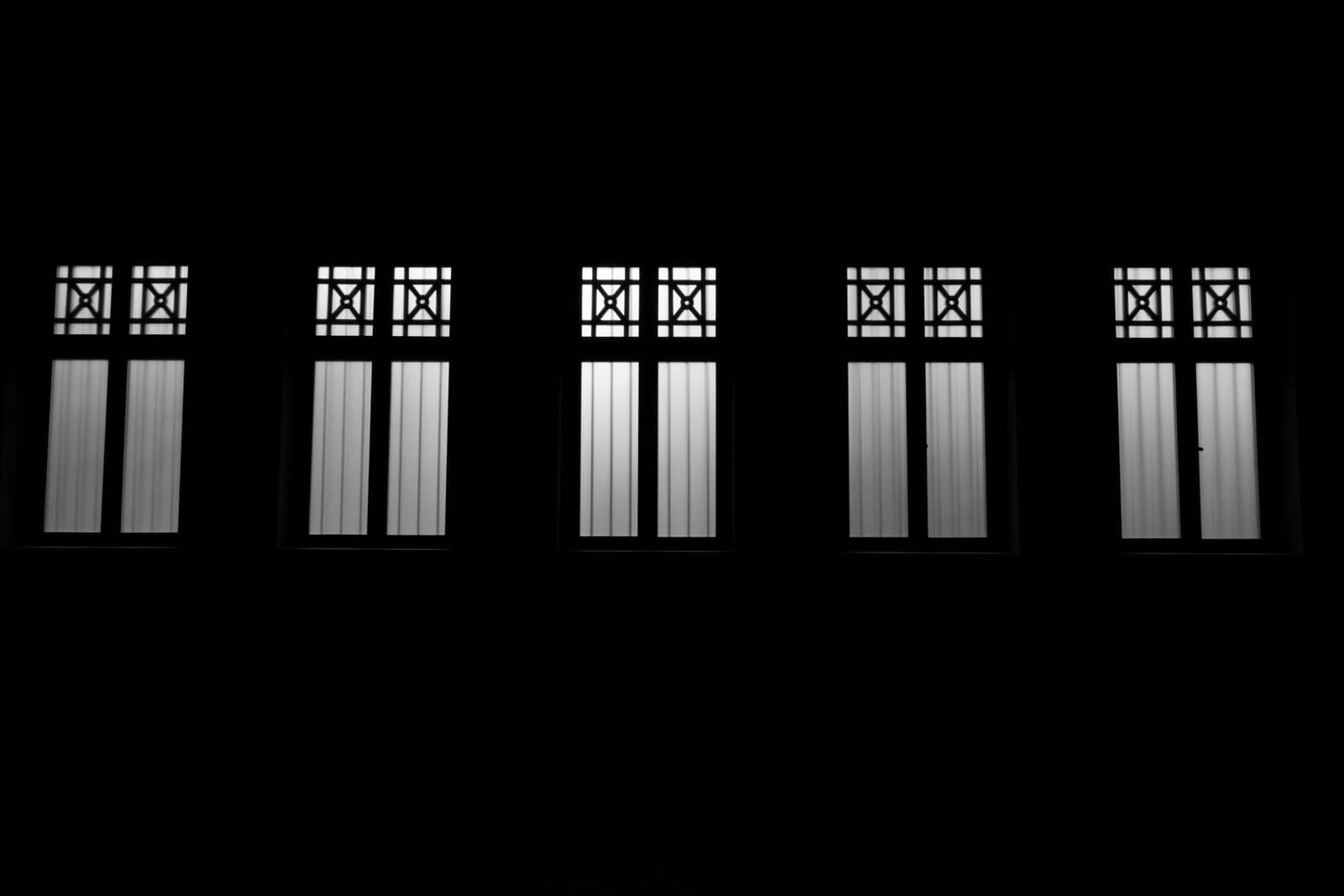
To block window light properly you have to cover the opening and seal the edges — in that order. Covering the glass is the easy part and almost any opaque material does it. Sealing the edges is what separates a dim room from a dark one, and it is the step most setups skip.
Below, the methods that work, ordered by how dark they get. Each one names what it costs you in money, effort or appearance, because the right answer depends on which of those you have least of.
Drape & Dawn earns a commission from qualifying purchases made through links on this page, at no extra cost to you. It does not change what we recommend. Full disclosure.
Options
The methods, ranked
| Method | How dark | Effort | Drill? | Cost |
|---|---|---|---|---|
| Blackout curtain, wide outside mount | Very dark | Medium | Usually | Low–medium |
| Blackout cellular shade with side channels | Effectively total | High | Yes | High |
| Blackout shade + curtain over it | Effectively total | High | Usually | Medium–high |
| Blackout liner behind existing curtains | Dark | Low | No | Low |
| Cut-to-size cordless blackout shade | Dark in the middle, leaks at edges | Low | No | Low |
| Pelmet or box over the curtain top | Closes the top gap only | Medium | Yes | Low |
| Blackout film or foil on the glass | Very dark | Low | No | Very low |
| Portable suction-cup blackout blind | Dark over the pane | Very low | No | Low |
Where light gets in
The five light paths, and how to close each
- 1
The sides
The biggest single leak in most rooms. Mount the rod 4 to 6 inches past the frame on each side and use returns — brackets that bend the panel back to the wall — so there is no gap between fabric and wall. For shades, this is what side channels do.
- 2
The top
Light comes over the header, especially through the gaps between grommets, and bounces off the ceiling into the whole room. A pelmet, a mounted board, a ceiling-fixed track or a back-tab header all close it. This is the gap people notice last and it matters more than it looks.
- 3
The middle
Where two panels meet they should overlap by several inches, not just touch. If yours meet edge to edge, you need more total panel width or an overlapping master-carrier track.
- 4
The bottom
A panel stopping at the sill lets light bounce off the wall below and up into the room. Floor length — or a little past it — closes the path. Measure from the rod, not the frame.
- 5
The glass itself
Only relevant if the fabric is actually passing light, which means it is room-darkening rather than blackout. Hold it to a lamp: any visible glow and the fabric is the problem.
Renting
If you can't drill
Renting limits you to inside-mount solutions, which are structurally worse at blocking light because they cannot overlap the frame. The workable approach is to layer two imperfect things: a cut-to-size cordless blackout shade inside the recess to handle the glass, plus a tension-rod curtain in front to handle the edges. Neither is enough alone; together they get most rooms dark enough to sleep.
The unglamorous option that outperforms both: blackout film on the glass. It is opaque, it costs almost nothing, static-cling versions peel off cleanly, and it blocks light completely across the pane. It also makes the window look like a window with something taped over it, which is why most people use it on one room and not the front of the house. It works, though. Full options in window treatments for renters.
Next step
What to buy once you've diagnosed it
If the fabric is fine and the coverage is wrong, start with a wider rod — what size curtain rod do I need. If the fabric is passing light, the panels that do not are in best blackout curtains. If you want the shade layer, best blackout cellular shades covers it.
What we’d buy
The products behind this advice
Picked against the criteria above, not the other way round. We don’t show prices because we don’t have a live price feed — each link goes to the current listing.
| # | Best for | Product | Type | Fitting | Price |
|---|---|---|---|---|---|
| 1 | The glass layer | Blackout Cellular Shades, cordless Covering the pane itself, fitted tightly inside the recess. | Cellular shade | — | Check price on Amazon #ad We don’t show prices — check the current one on Amazon. How we’re funded |
| 2 | The edge layer | Thermal Insulated Blackout Curtains Mounted wide and high outside the frame, to close what the shade cannot reach. | Blackout curtain | — | Check price on Amazon #ad We don’t show prices — check the current one on Amazon. How we’re funded |
| 3 | The no-tools option | No Tools Original Blackout Pleated Paper Shade Rentals and rooms that need to be dark this week. | Pleated paper shade | Trim and clip, no tools | Check price on Amazon #ad We don’t show prices — check the current one on Amazon. How we’re funded |
01 — The glass layer
Blackout Cellular Shades, cordless
CHICOLOGY
Cordless blackout honeycomb fitted inside the recess: it blocks light across the glass and traps still air against it, so it darkens and insulates with one product.
Who it’s for: Covering the pane itself, fitted tightly inside the recess.
The catch: Inside-mounted it leaves a light outline on all four edges. Side channels or a curtain over the top are what close that.
At a glance
- Type
- Cellular shade
- Fabric
- Blackout
- Operation
- Cordless
- Fit
- Made to size
#ad We don’t show prices — check the current one on Amazon. How we’re funded
02 — The edge layer
Thermal Insulated Blackout Curtains
NICETOWN
Triple-weave polyester with no coating to crack or peel, machine washable, and sold in a wider ladder of drops than most ranges — including the 108-inch length a near-ceiling rod needs.
Who it’s for: Mounted wide and high outside the frame, to close what the shade cannot reach.
The catch: The grommet header holds the panel an inch off the wall with open gaps between grommets, so light still comes over the top. Add a pelmet, or choose a back-tab version, if that is your problem.
At a glance
- Type
- Blackout curtain
- Construction
- Triple-weave, uncoated
- Care
- Machine wash cold
- Drops
- 63 / 84 / 96 / 108 in
#ad We don’t show prices — check the current one on Amazon. How we’re funded
03 — The no-tools option
No Tools Original Blackout Pleated Paper Shade
Redi Shade
Trim to width with scissors and clip into the frame by hand — no drill, no brackets, no cords. The manufacturer states it blocks 99% of light.
Who it’s for: Rentals and rooms that need to be dark this week.
The catch: It is paper. It creases along the pleats and does not enjoy daily raising and lowering. Budget to replace rather than repair.
At a glance
- Type
- Pleated paper shade
- Fitting
- Trim and clip, no tools
- Operation
- Cordless
- Light
- Manufacturer states 99%
#ad We don’t show prices — check the current one on Amazon. How we’re funded
FAQ
Questions people actually ask
How do I block light from a window without curtains?
A cut-to-size cordless blackout shade inside the frame, blackout film applied directly to the glass, or a portable suction-cup blind. Film is the cheapest and the darkest; the shade is the one that looks like a deliberate choice.
How do I block light coming over the top of my curtains?
Nothing about the fabric fixes it — you need to close the gap physically. A pelmet or a board mounted above the rod, a ceiling-fixed track, or swapping to a back-tab header that holds the panel against the wall all work.
What's the cheapest way to make a room dark?
Blackout film or foil on the glass. It is inexpensive, it blocks light completely, and the static-cling versions leave no residue. It looks exactly as improvised as it sounds, which is the trade.
How do I block light from a window above a door?
A transom is usually too high and too shallow for a curtain, so film on the glass or a small cut-to-size cordless shade is the practical answer. For a permanent fix, an inside-mounted cellular shade cut to the opening works well.
Can I block light without making the room look dark all day?
Yes — use a top-down bottom-up shade or keep the blocking layer removable. A ring-on blackout liner clips off in the morning, and a top-down shade covers the lower window while leaving the daylight above it.
Keep going
Read next
Blackout
How to fix curtain light gaps
Close the side, top, middle and bottom gaps — the cheapest fix for a bright room.
Blackout
Best blackout curtains for a room that's too bright
Panels that block light, plus the mounting rule that decides whether any of them works.
Blackout
Best blackout cellular shades
Honeycomb shades that darken and insulate together, and how to fit them so they do both.
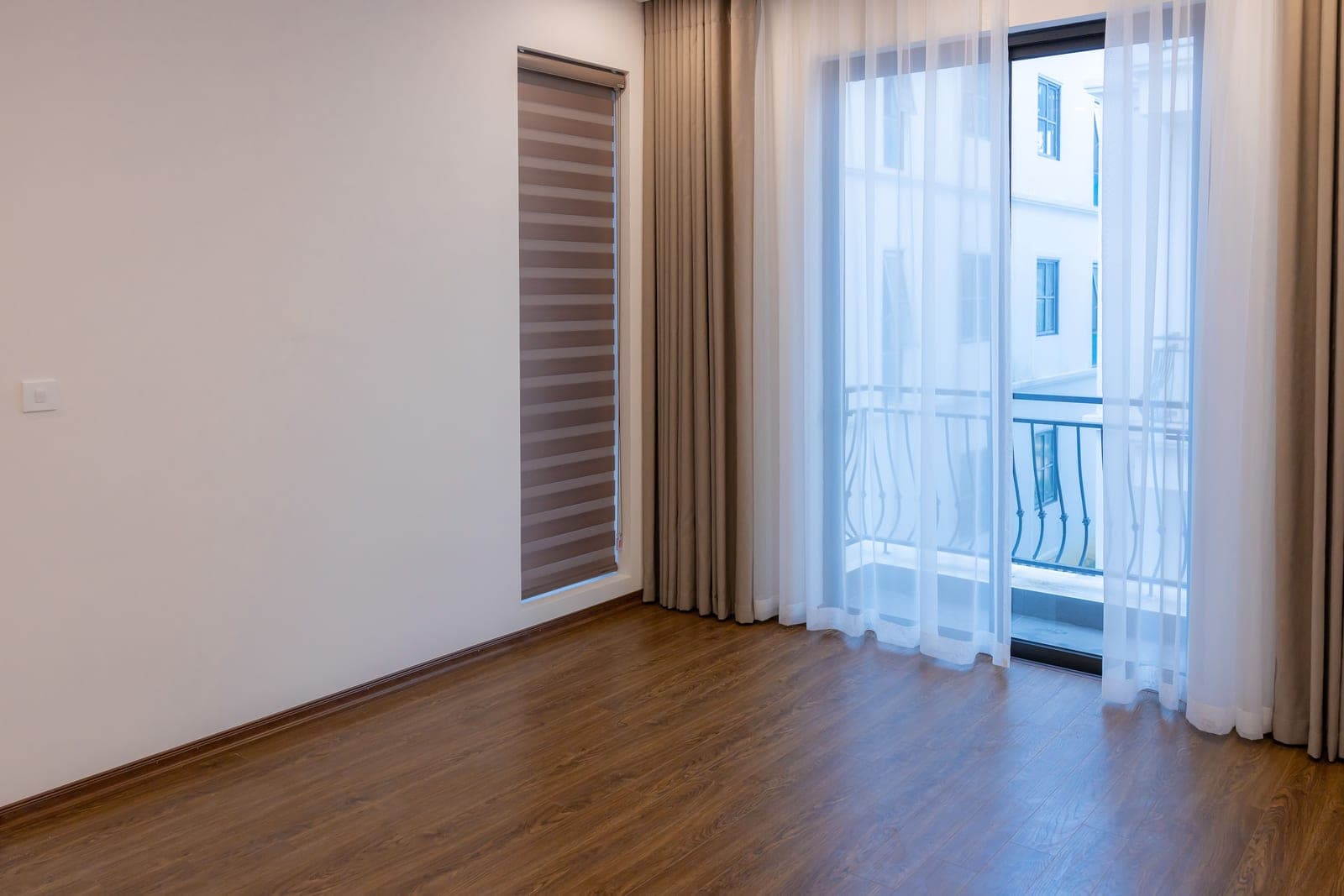
Renter-Friendly
Window treatments for renters
Everything that works without a drill, organized by the problem you're solving.
Rods & Mounting
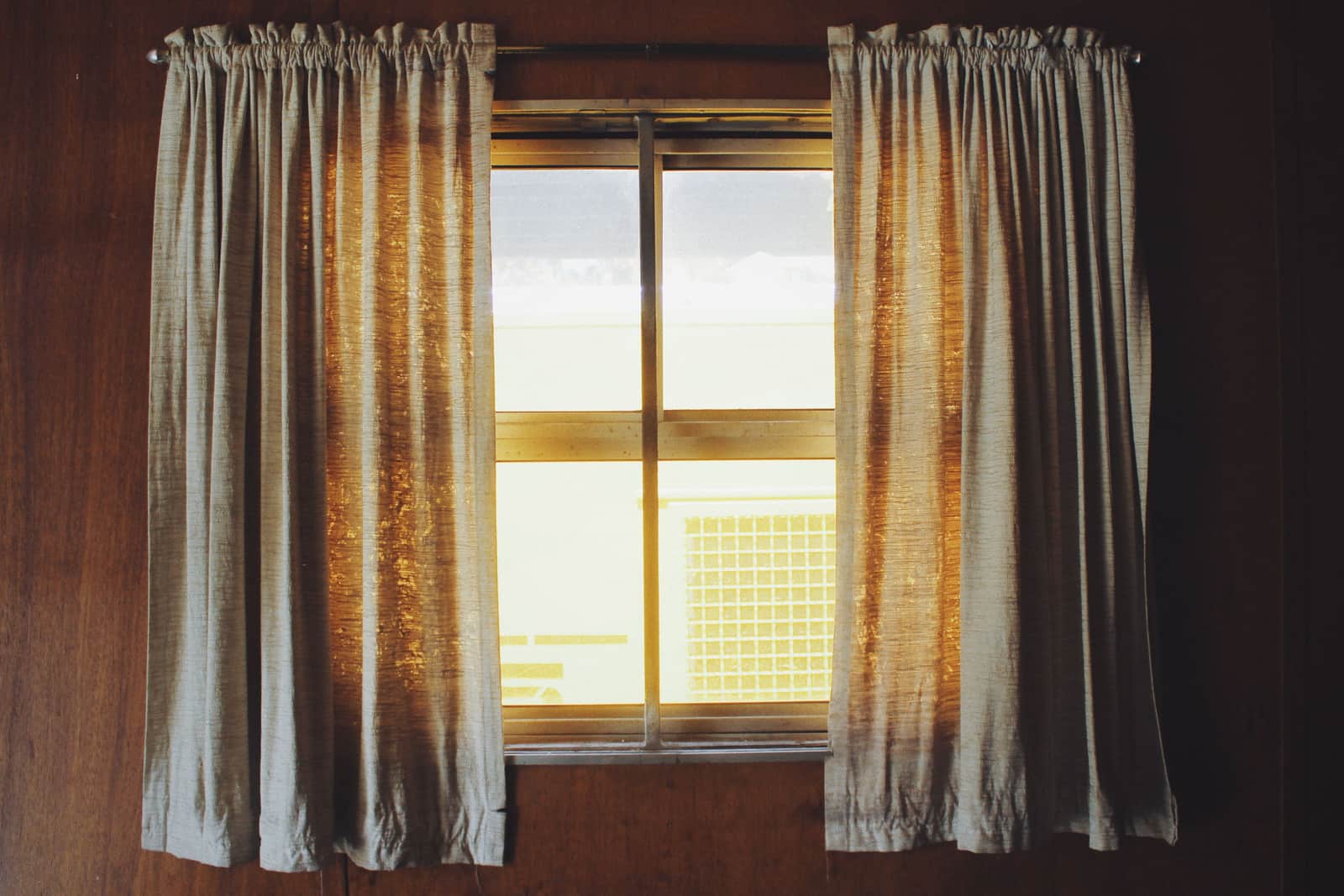
What size curtain rod do I need?
Window plus 8 to 12 inches — with the full size table and support rules.
About the author
Janet H.
Janet H. is the owner of Janet Media Group and the person behind Drape & Dawn. She researches every pick against the site's published methodology.
Published by Janet Media Group · Last updated September 23, 2026