Roundup
Best blackout cellular shades
The only product that does darkness and insulation with the same piece of fabric — and the edge-gap problem that decides how well it works.
By Janet H. · Last updated September 23, 2026 · How we choose
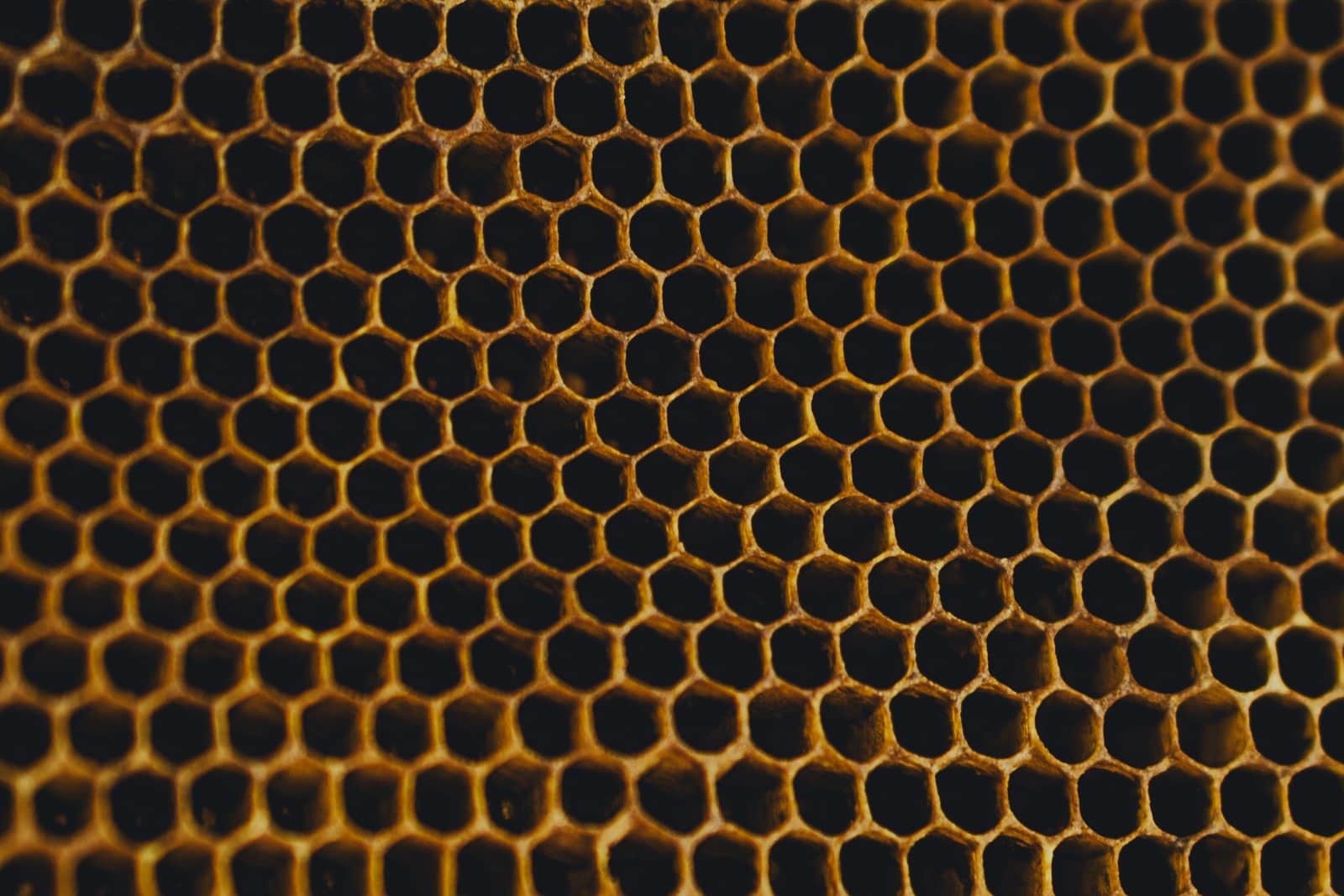
Cellular shades — honeycomb shades, the same thing — are the one window covering that does two jobs with a single piece of material. The hexagonal cells trap air against the glass, which insulates, and in a blackout fabric the same structure blocks light. Nothing else in this category does both without layering.
The reason they are not a universal answer: they are opaque and positional. Lowered, you lose the window entirely — there is no partial-view setting, no tilt, no daylight-while-covered option unless you buy the top-down bottom-up version. And the insulation depends on a tight fit, which means the measuring has to be right to a sixteenth of an inch.
Drape & Dawn earns a commission from qualifying purchases made through links on this page, at no extra cost to you. It does not change what we recommend. Full disclosure.
Before the list
Single cell, double cell, and the fit
Single-cell shades have one row of air pockets; double-cell have two, stacked front to back. Double cell traps more air, so it insulates better and is a little more opaque, at a higher price and a slightly deeper stack when raised. For a bedroom that needs darkness, either works. For a cold room where insulation is the point, double cell is worth the difference.
The fit matters more than either. A cellular shade's insulating value assumes the cell pocket is sealed against the window; a half-inch gap at each side converts a good shade into an average one, and it is also where the light comes in. Measure the width at the top, middle and bottom of the recess and use the narrowest figure. Windows are rarely square, and this single step prevents the most common ordering mistake in the category.
If total darkness is the goal, look for shades with side channels — tracks fixed to the window jambs that the shade runs inside. They are the only way an inside-mounted shade closes the edge gap, and they turn a very good blackout shade into an effectively total one.
| # | Best for | Product | Cells | Operation | Fit | Price |
|---|---|---|---|---|---|---|
| 1 | Best overall | Cordless Blackout Cellular Shades The default for a bedroom window where you want darkness and a warmer window at the same time. | Single | Cordless lift | Made to size | Check price on Amazon #ad We don’t show prices — check the current one on Amazon. How we’re funded |
| 2 | Best insulation | Cordless Blackout Honeycomb Cellular Shades A room where the window is the cold spot as much as the light source — a bedroom over a garage, a north-facing room with old glazing. | Single, lined | Cordless lift | Stock and cut sizes | Check price on Amazon #ad We don’t show prices — check the current one on Amazon. How we’re funded |
| 3 | Best for privacy plus darkness | Top Down Bottom Up Cellular Shades, blackout Street-level bedrooms — the room that needs privacy all day and darkness all night, which is a combination nothing else handles in one product. | Single | Cordless, top-down/bottom-up | Made to size | Check price on Amazon #ad We don’t show prices — check the current one on Amazon. How we’re funded |
| 4 | Best room-darkening alternative | Single Cell Room Darkening Cordless Cellular Shades Living rooms, home offices and nurseries used for daytime naps where full blackout would be overkill. | Single | Cordless lift | Made to size | Check price on Amazon #ad We don’t show prices — check the current one on Amazon. How we’re funded |
| 5 | Best no-tools option | No Tools Original Blackout Pleated Paper Shade Renters, temporary rooms, and anyone who needs a window dark this week rather than in three. | None — pleated paper | Cordless, clip-in | Trim at home | Check price on Amazon #ad We don’t show prices — check the current one on Amazon. How we’re funded |
01 — Best overall
Cordless Blackout Cellular Shades
CHICOLOGY
A cordless blackout honeycomb shade available across a wide range of made-to-size widths and drops, including the large sizes most stock ranges do not carry. The blackout fabric is the same cell structure as the light-filtering version, so you get the insulation either way.
Who it’s for: The default for a bedroom window where you want darkness and a warmer window at the same time.
The catch: Inside-mounted without side channels it still shows a light outline around the edges. If you need true darkness, budget for a curtain over the top or specify channels.
At a glance
- Cells
- Single
- Operation
- Cordless lift
- Fit
- Made to size
- Light
- Blackout fabric
- Best mount
- Inside, tight
#ad We don’t show prices — check the current one on Amazon. How we’re funded
02 — Best insulation
Cordless Blackout Honeycomb Cellular Shades
SBARTAR
A honeycomb shade built with a liner between two layers of polyester, aimed at light and UV blocking. The added liner is why it reads as more opaque than a plain single-cell shade of the same depth.
Who it’s for: A room where the window is the cold spot as much as the light source — a bedroom over a garage, a north-facing room with old glazing.
The catch: The extra liner makes the fabric stiffer, so the stack at the top is deeper when raised. On a short window that stack eats a noticeable share of the glass.
At a glance
- Cells
- Single, lined
- Operation
- Cordless lift
- Fit
- Stock and cut sizes
- Light
- Blackout, UV blocking
- Best mount
- Inside
#ad We don’t show prices — check the current one on Amazon. How we’re funded
03 — Best for privacy plus darkness
Top Down Bottom Up Cellular Shades, blackout
CHICOLOGY
The same blackout cell fabric on a dual mechanism, so the shade can be lowered from the top or raised from the bottom. Cover the lower half of a street-facing window and keep the daylight above it; close it fully at night for darkness.
Who it’s for: Street-level bedrooms — the room that needs privacy all day and darkness all night, which is a combination nothing else handles in one product.
The catch: More mechanism means more to go wrong, and it costs meaningfully more than a standard lift. If your window is not overlooked, you are paying for a feature you will not use.
At a glance
- Cells
- Single
- Operation
- Cordless, top-down/bottom-up
- Fit
- Made to size
- Light
- Blackout fabric
- Best mount
- Inside
#ad We don’t show prices — check the current one on Amazon. How we’re funded
04 — Best room-darkening alternative
Single Cell Room Darkening Cordless Cellular Shades
Arlo Blinds
A room-darkening rather than full-blackout cell fabric, which is deliberately a different thing: it takes a room to comfortable dusk rather than to darkness, and it is the better call anywhere you still want to see without a lamp on.
Who it’s for: Living rooms, home offices and nurseries used for daytime naps where full blackout would be overkill.
The catch: It is not blackout and does not pretend to be. In a bedroom that needs to be dark at 5am in June, this is the wrong specification — buy the blackout fabric instead.
At a glance
- Cells
- Single
- Operation
- Cordless lift
- Fit
- Made to size
- Light
- Room darkening
- Best mount
- Inside
#ad We don’t show prices — check the current one on Amazon. How we’re funded
05 — Best no-tools option
No Tools Original Blackout Pleated Paper Shade
Redi Shade
Not a cellular shade — a pleated paper one — but it belongs on this page because it is the only product in the category that needs no drill, no brackets and no measuring service. Trim to width at home, clip it in, done. The manufacturer states it blocks 99% of light.
Who it’s for: Renters, temporary rooms, and anyone who needs a window dark this week rather than in three.
The catch: Paper, not fabric. It creases, it does not insulate the way a honeycomb does, and repeated raising and lowering wears it out. Treat it as a consumable.
At a glance
- Cells
- None — pleated paper
- Operation
- Cordless, clip-in
- Fit
- Trim at home
- Light
- Manufacturer states 99%
- Best mount
- Inside or outside
#ad We don’t show prices — check the current one on Amazon. How we’re funded
Buying guide
Choosing between them
Cordless is the default now, for good reason
Every pick here is cordless. Corded lifts are a child-safety hazard and the industry has moved away from them; cordless mechanisms have also got much better, holding position reliably rather than creeping down over a day. If a cordless shade later refuses to stay up or come down, that is usually a fixable tension issue rather than a broken shade — see how to fix cordless blinds.
Top-down bottom-up, if privacy is also in play
The top-down bottom-up version lets you lower the shade from the top rather than raise it from the bottom, which covers the part of the window people can see through while leaving the daylight. In a blackout fabric it gives you a genuinely useful range: full privacy with light during the day, full darkness at night. It costs more and the mechanism is more to go wrong. Compared in top-down bottom-up vs standard shades.
Where cellular shades are the wrong answer
A window you want to see out of while it is covered. A kitchen window over a hob, where the fabric will take grease and cannot be washed. A very wide opening, where a single shade gets heavy and unwieldy and you are better off with two. And any window where you want directional light control — that is a blind's job, not a shade's. Blinds vs cellular shades has the full comparison.
Methodology
How we chose
Selection is on published cell construction, blackout fabric availability, cordless operation, and size range — specifically whether the product can be ordered to fit an awkward opening rather than only in stock widths. R-value figures quoted by manufacturers are comparative rather than absolute, and we treat them that way. We do not test these shades. Methodology.
FAQ
Questions people actually ask
Do blackout cellular shades make a room completely dark?
The fabric does; the edges do not. An inside-mounted shade leaves a thin outline of light where it meets the window jambs. Side channels close that gap, and a curtain over the top achieves the same thing less precisely but more cheaply.
Single cell or double cell?
Double cell traps more air, so it insulates better and is slightly more opaque — worth the extra on a cold window. For darkness alone, single cell in a blackout fabric is enough, costs less and stacks smaller when raised.
How do I measure for an inside-mount cellular shade?
Measure the width at the top, middle and bottom of the opening and use the narrowest. Measure the height at left, center and right and use the longest. Then check the recess is deep enough for the headrail — the depth requirement is on the product listing and it is the spec people forget.
Are cellular shades good for insulation?
They are the strongest performer among common window coverings, because the sealed air pockets work on the same principle as double glazing. Published R-values are useful for comparing products to each other, not as a promise about your window — the fit in a real opening is never as tight as the test assumes.
Can I see through a cellular shade when it's down?
No. Cellular fabric is opaque, including the light-filtering versions — those diffuse light but give no view. If keeping the view matters, you want a roller shade with a stated openness factor or a zebra shade instead.
Sources
What we referenced
Keep going
Read next
Compare
Best cellular shades
The best-insulating covering there is — and why the fit decides the result.
Drafts
Best insulated cellular shades
The strongest thermal performer in window coverings — if you measure the fit properly.
Blackout
Best blackout curtains for a room that's too bright
Panels that block light, plus the mounting rule that decides whether any of them works.
Privacy
Top down bottom up vs standard shades
Cover the half people see through, keep the half that gives you daylight.
Rods & Mounting
Inside mount vs outside mount
Tidy and leaky, or bigger and light-tight — and how the choice changes your measuring.
About the author
Janet H.
Janet H. is the owner of Janet Media Group and the person behind Drape & Dawn. She researches every pick against the site's published methodology.
Published by Janet Media Group · Last updated September 23, 2026