Comparison
Single cell vs double cell cellular shades
The second row of cells adds trapped air and subtracts stack space. Whether that trade is worth it depends on one thing: how bad your glass is.
By Janet H. · Last updated October 17, 2026 · How we choose
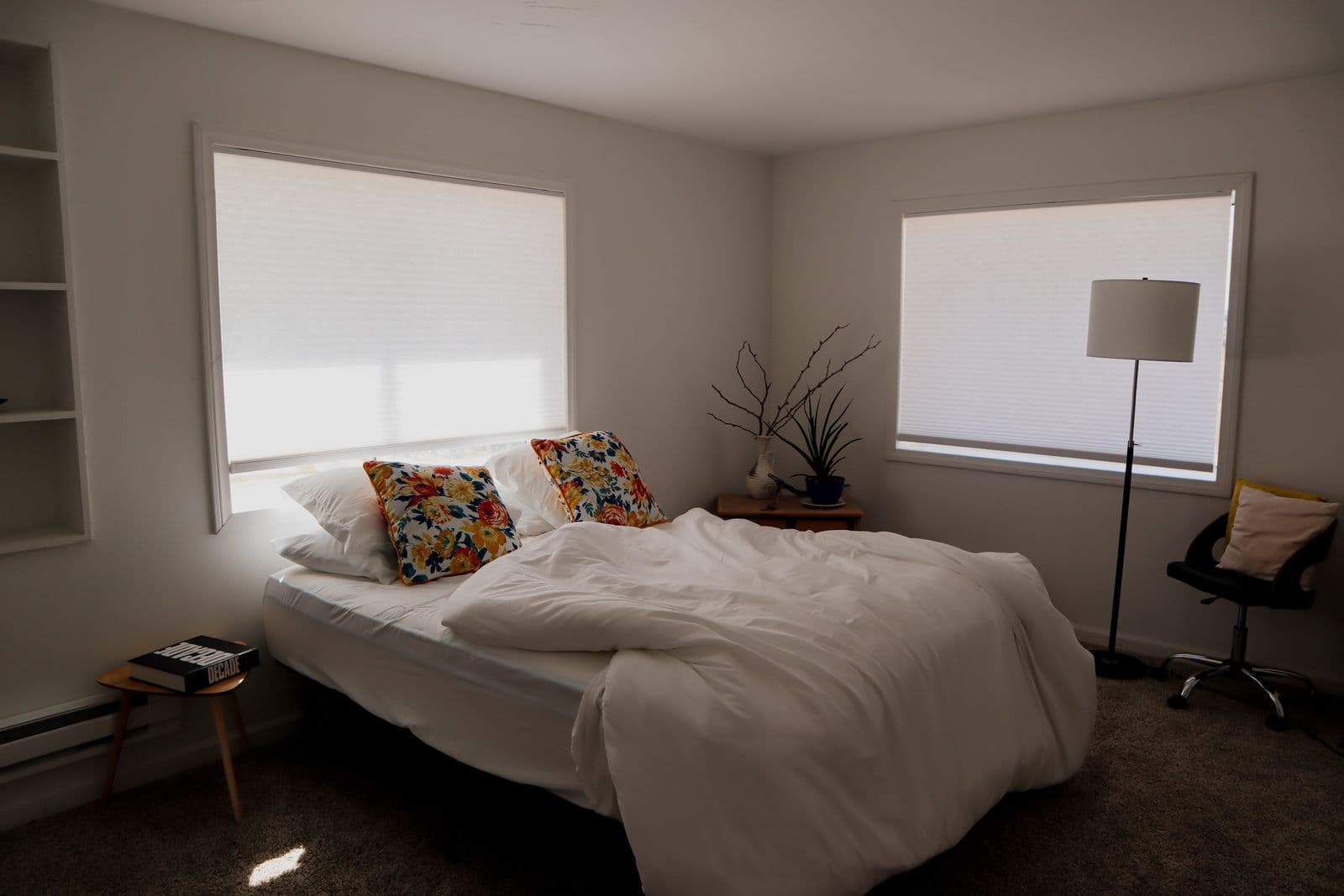
Double cell cellular shades insulate better than single cell ones, and the difference only earns its cost on genuinely bad glass - single glazing, a large north-facing window, or a room you are heating hard. On a modern double-glazed window, a well-fitted single cell shade captures most of the available benefit, and the money is better spent on getting the fit tight than on a second row of cells.
The reason is that all of a cellular shade's thermal performance comes from still air, and the fit at the edges decides how still that air is. A double cell shade with half-inch gaps down both sides performs worse than a single cell shade that seals. Cell count is the second variable; fit is the first.
Drape & Dawn earns a commission from qualifying purchases made through links on this page, at no extra cost to you. It does not change what we recommend. Full disclosure.
Mechanism
What the second cell actually does
A single cell shade is one row of honeycombs in section - a line of air pockets between the room and the glass. A double cell shade is two rows side by side, so heat crossing the shade has to pass through two separate pockets of still air and the fabric walls between them. More pockets, more resistance. That is the whole mechanism, and it is why manufacturers quote a higher R-value for double cell than for single cell in the same fabric weight.
What the second row costs is thickness. Twice the fabric folds into a deeper stack at the top of the window when the shade is raised, and the shade is physically chunkier in the recess. On a short window the stack eats a real share of the glass; the figures are compared in thermal curtains vs cellular shades.
| Single cell | Double cell | |
|---|---|---|
| Insulation | Good, and most of the benefit if the fit is tight | Better - manufacturers quote a higher R-value |
| Stack when raised | Shallower | Deeper; noticeable on a short window |
| Cell size available | Commonly larger cells, cleaner look | Smaller cells, busier texture up close |
| Stock availability | Wide - most cordless listings are single cell | Mostly made to measure in practice |
| Cost | Lower | Higher, and usually a custom order |
| Where it pays | Modern double glazing, mild climates | Single glazing, large cold windows, hard winters |
Availability
The honest problem with buying double cell
Double cell is largely a made-to-measure specification. The stock cordless cellular shades you can order today and fit this week are overwhelmingly single cell, sometimes with a liner bonded between the fabric layers to add opacity rather than a second row of cells. We will not label a shade double cell unless its listing does, so the picks below are what we can actually verify: strong single cell shades, including a lined blackout one that performs closer to a double cell than its cell count suggests.
If you want a genuine double cell shade, expect to order it to your measurements from a channel that quotes cell count explicitly, and expect the lead time that comes with it. That is a legitimate choice for a problem window - it is just not a same-week purchase.
Fit
What to get right instead of cell count
Measure the recess in three places
Width at top, middle and bottom; take the narrowest. Depth at both sides, because the shade needs the depth its listing states to sit inside the opening without the headrail protruding. How to measure for blinds sets out the method and the tolerance.
Decide inside or outside mount on thermal grounds
Inside mount gives the tight recess fit that still air needs. Outside mount gives overlap, which is what darkness needs. You cannot have both from one shade, which is why a cold and bright bedroom usually ends up with a shade inside and a curtain over the top - see inside mount vs outside mount.
Expect a light outline either way
Every inside-mounted shade leaks a thin line of light around all four edges, cell count regardless. If the room has to be dark, plan for side channels or a second layer rather than hoping a denser fabric will fix it: how to fix curtain light gaps applies to shades as well.
Methodology
How we chose
We select on published construction and materials, on fitness for the specific problem each pick addresses, and on failure patterns that recur across owner feedback. We do not lab-test shades and we publish no R-value of our own; any figure in this category comes from the manufacturer and is labeled as such. Full criteria on the methodology page.
What we’d buy
The products behind this advice
Picked against the criteria above, not the other way round. Prices are read from Amazon and refreshed daily; each link goes to the current listing.
| # | Best for | Product | Type | Fabric | Price |
|---|---|---|---|---|---|
| 1 | Best single-cell room darkening | 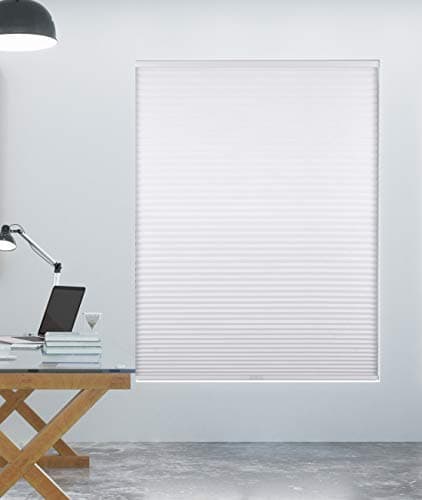 Living rooms and daytime bedrooms that want dusk, insulation and a shade you can buy in a stock size. | Cellular shade | Room darkening | $50.99 · View on Amazon #ad Price as of November 3, 2026, and it can change. How we’re funded |
| 2 | Best for darkness in a stock size | 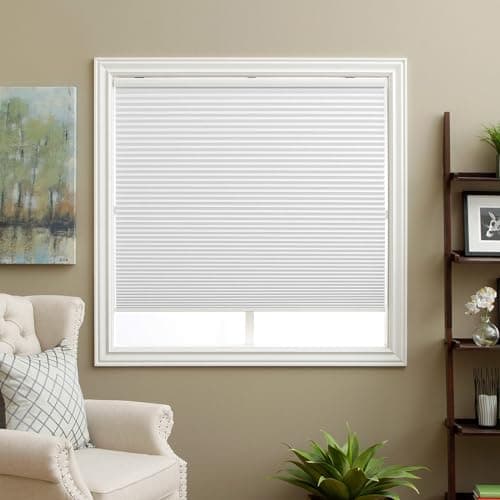 A bedroom where the lined blackout fabric matters more than the cell count. | Cellular shade | Blackout, lined | $57.99 · View on Amazon #ad Price as of November 3, 2026, and it can change. How we’re funded |
| 3 | Best for daylight plus privacy | 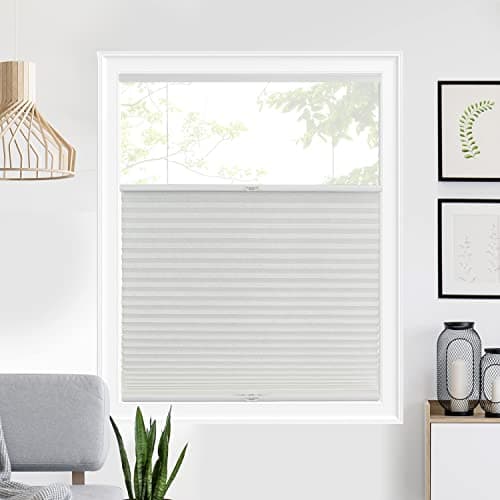 Overlooked windows where the bottom half needs covering and the top half is where the daylight comes from. | Cellular shade | Filtering or blackout | $138.95 · View on Amazon #ad Price as of November 3, 2026, and it can change. How we’re funded |
01 — Best single-cell room darkening
Single Cell Room Darkening Cordless Cellular Shades
Arlo Blinds
Room-darkening honeycomb fabric that dims a room to a comfortable dusk while it stays usable in daylight, with cordless lift and the insulation the cell structure brings.
Who it’s for: Living rooms and daytime bedrooms that want dusk, insulation and a shade you can buy in a stock size.
The catch: Room darkening, not blackout. In a bedroom that has to be dark at 5am in June this is the wrong specification.
At a glance
- Type
- Cellular shade
- Fabric
- Room darkening
- Operation
- Cordless
- Fit
- Made to size
#ad Price as of November 3, 2026, and it can change. How we’re funded
02 — Best for darkness in a stock size
Cordless Blackout Honeycomb Cellular Shades
SBARTAR
A honeycomb shade built with a liner sandwiched between two layers of polyester, aimed at light and UV blocking. The added liner is why it reads as more opaque than a plain single-cell shade of the same depth.
Who it’s for: A bedroom where the lined blackout fabric matters more than the cell count.
The catch: The extra liner stiffens the fabric, so the stack at the top is deeper when raised. On a short window that stack covers a noticeable share of the glass.
At a glance
- Type
- Cellular shade
- Fabric
- Blackout, lined
- Operation
- Cordless
- Fit
- Made to size
#ad Price as of November 3, 2026, and it can change. How we’re funded
03 — Best for daylight plus privacy
Top Down Bottom Up Cellular Shades
CHICOLOGY
Two movable rails, so the shade can be lowered from the top to cover the lower window while the daylight above keeps coming in — or closed fully at night.
Who it’s for: Overlooked windows where the bottom half needs covering and the top half is where the daylight comes from.
The catch: Costs meaningfully more than a plain lift and there is more mechanism to fail. On an unoverlooked window you would never use the feature.
At a glance
- Type
- Cellular shade
- Fabric
- Filtering or blackout
- Operation
- Cordless, dual rail
- Fit
- Made to size
#ad Price as of November 3, 2026, and it can change. How we’re funded
FAQ
Questions people actually ask
Are double cell cellular shades worth it?
On single glazing, a large north-facing window or a room you heat hard, yes - the second row of still air measurably slows heat transfer and the manufacturers' R-values reflect it. On modern double glazing in a mild climate, a tightly fitted single cell shade captures most of the benefit for less money and a shallower stack.
What is the difference between single cell and double cell shades?
Single cell has one row of honeycombs in section; double cell has two rows side by side, so heat has to cross two separate pockets of still air. Double cell insulates better and stacks deeper when raised. Everything else - cordless lift, fabric opacity, fit - is specified independently of cell count.
Do double cell shades block more light?
Not reliably. Opacity comes from the fabric and any bonded liner, not from the number of cells. A single cell blackout fabric is darker than a double cell light-filtering one. If darkness is the goal, read the fabric description rather than the cell count.
Is a bigger cell better than a smaller one?
Bigger cells hold more air per row and look cleaner on a large window; smaller cells suit short windows and give a finer texture. Neither is thermally decisive next to the fit at the edges, which is where most of the performance is won or lost.
Can I buy a double cell shade in a stock size?
Rarely. Stock cordless cellular listings are overwhelmingly single cell, sometimes with a liner added for opacity. A genuine double cell shade is usually a made-to-measure order from a channel that states cell count on the listing, with the lead time that implies.
Keep going
Read next
Compare
Best cellular shades
The best-insulating covering there is — and why the fit decides the result.
Drafts
Best insulated cellular shades
The strongest thermal performer in window coverings — if you measure the fit properly.
Blackout
Best blackout cellular shades
Honeycomb shades that darken and insulate together, and how to fit them so they do both.
Drafts
Thermal curtains vs cellular shades
Sealed air beats fabric mass — but curtains cost less and fit awkward windows.
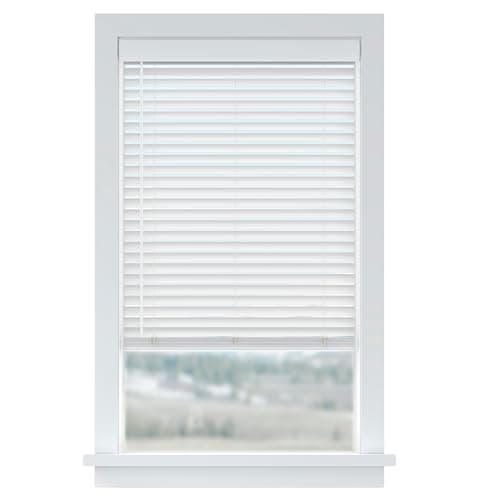
Compare
Blinds vs cellular shades
Aim the light or insulate the window — two products, two different problems.
Rods & Mounting
How to measure for blinds
Six measurements in order, plus the rounding rules that differ for inside and outside mount.
About the author
Janet H.
Janet H. is the owner of Janet Media Group and the person behind Drape & Dawn. She researches every pick against the site's published methodology.
Published by Janet Media Group · Last updated October 17, 2026