Roundup
Best insulated cellular shades
Trapped air against the glass is the only mechanism in this category that genuinely works — and the fit is what makes or breaks it.
By Janet H. · Last updated September 23, 2026 · How we choose
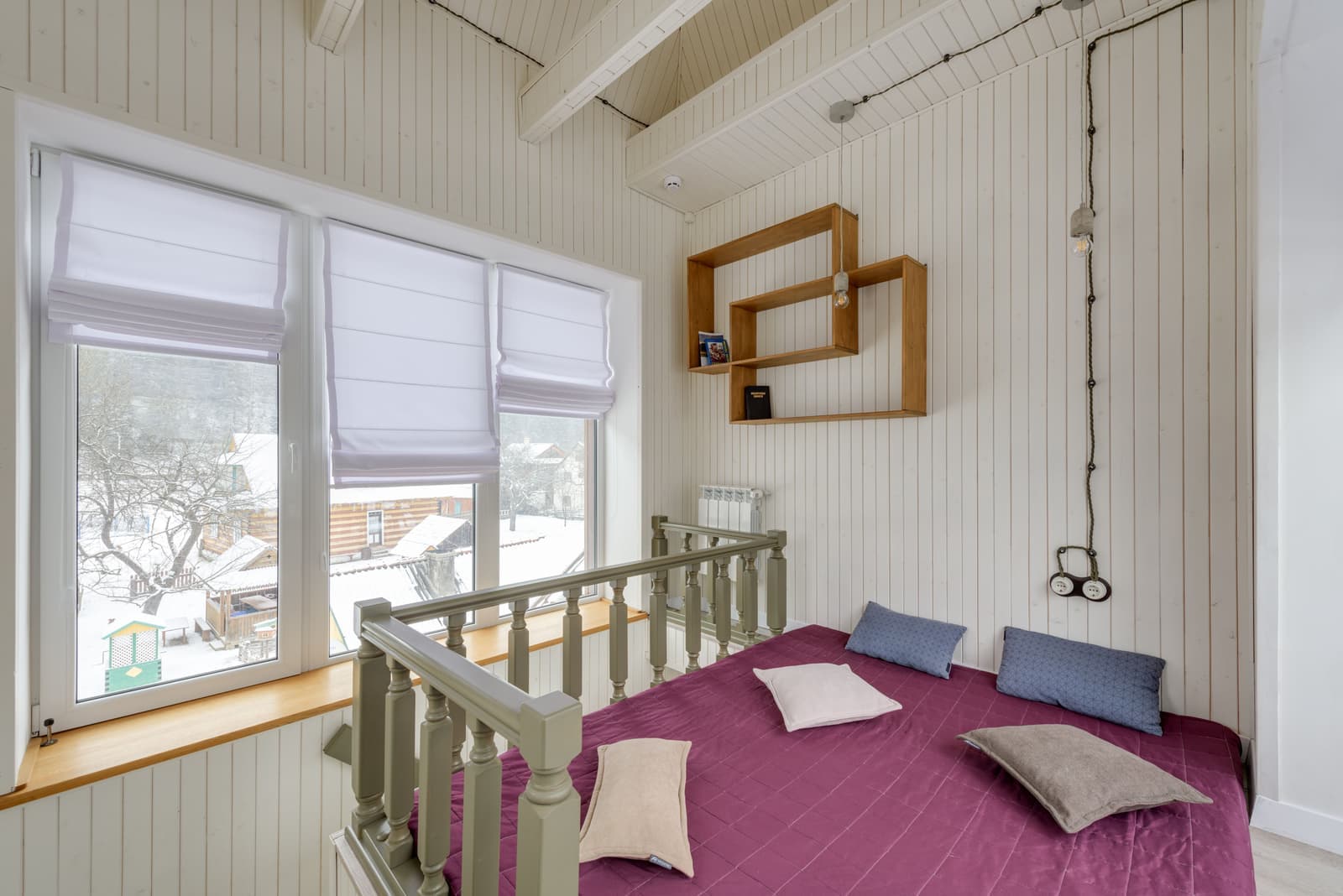
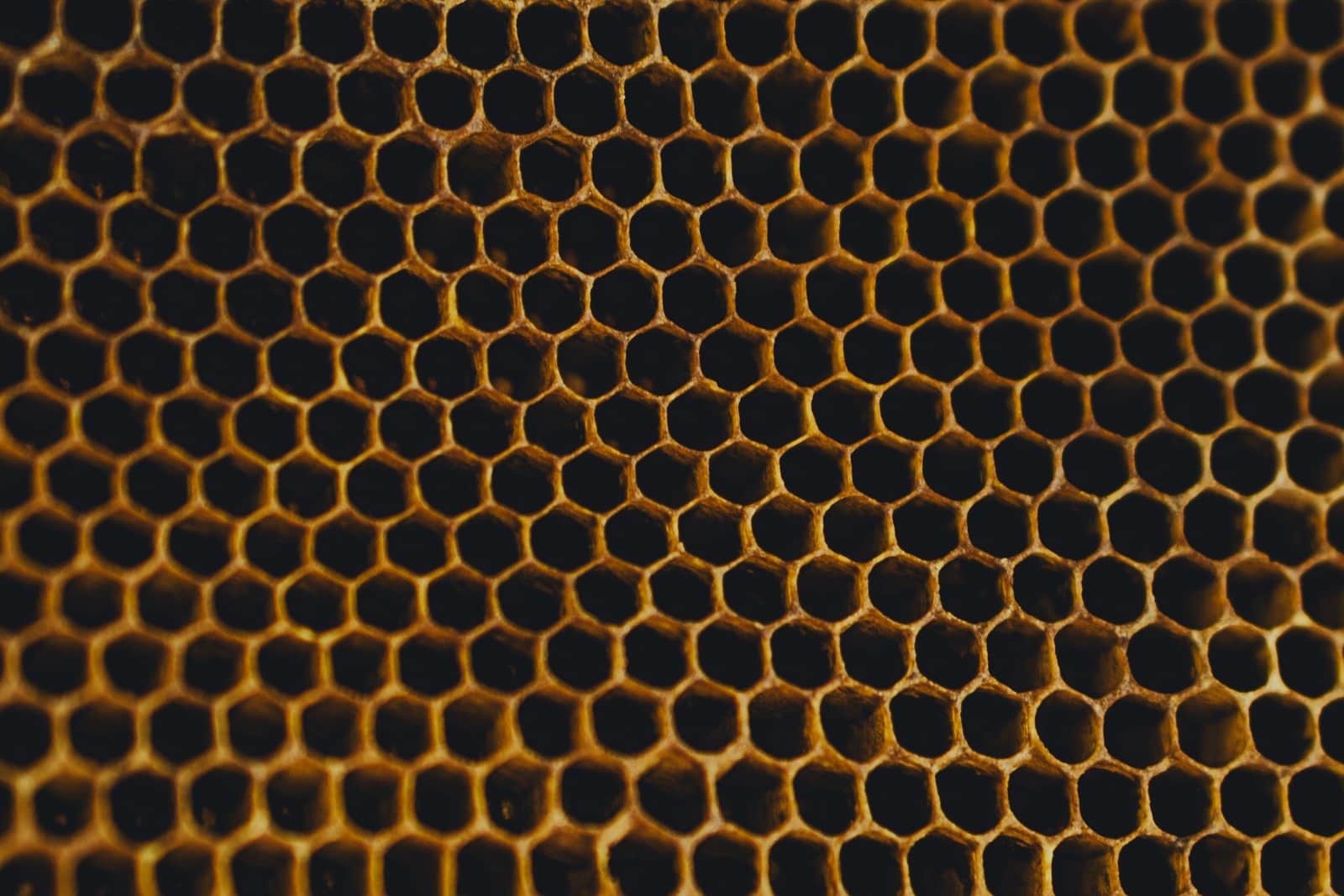
If one window covering deserves to be called insulating, it is this one. A cellular shade's honeycomb structure traps a sealed pocket of still air against the glass, which is the same principle that makes double glazing work. Nothing else in the category — not thermal curtains, not a lined blind — does anything comparable.
The catch is that the performance depends entirely on fit. The published R-value assumes the cell pocket seals against the window; a half-inch gap at each side lets room air circulate behind the shade and carries away most of the benefit. Measuring this properly is not optional — it is the whole product.
Drape & Dawn earns a commission from qualifying purchases made through links on this page, at no extra cost to you. It does not change what we recommend. Full disclosure.
Before the list
Single cell, double cell, and side channels
Single cell has one row of air pockets. Double cell has two, stacked front to back, trapping more air and insulating better at a higher price and a deeper stack when raised. On a genuinely cold window — old single glazing, a north-facing room, a window over an unheated space — double cell is worth the difference. On modern double glazing the marginal gain is smaller.
Side channels are tracks fixed to the window jambs that the shade runs inside. They close the edge gap, which is the largest single loss of both light and heat on an inside-mounted shade. If you are buying a cellular shade specifically for thermal performance, channels do more for the result than upgrading from single to double cell.
One thing that is not worth paying for on thermal grounds: blackout fabric. Blackout cell fabric insulates about the same as light-filtering cell fabric of the same depth. Choose the light level you want and let the cell count do the thermal work.
| # | Best for | Product | Cells | Fabric | Fit | Price |
|---|---|---|---|---|---|---|
| 1 | Best overall | Cordless Cellular Shades, room darkening, insulated The default for a cold bedroom or living-room window where you want the room warmer without losing the window entirely. | Single | Room darkening | Made to size | Check price on Amazon #ad We don’t show prices — check the current one on Amazon. How we’re funded |
| 2 | Best for a very cold window | Cordless Blackout Honeycomb Cellular Shades Rooms where the window is the obvious cold spot and you want the most barrier you can get from a single product. | Single, lined | Blackout | Stock and cut sizes | Check price on Amazon #ad We don’t show prices — check the current one on Amazon. How we’re funded |
| 3 | Best for a room you use in daylight | Single Cell Room Darkening Cordless Cellular Shades Home offices, living rooms and any cold room where you are awake and would rather not switch the lights on to be warm. | Single | Room darkening | Made to size | Check price on Amazon #ad We don’t show prices — check the current one on Amazon. How we’re funded |
| 4 | Best for a cold, overlooked room | Top Down Bottom Up Cellular Shades Ground-floor rooms that are cold and overlooked, where a standard shade would mean sitting in the dark to be warm. | Single | Light filtering or blackout | Made to size | Check price on Amazon #ad We don’t show prices — check the current one on Amazon. How we’re funded |
| 5 | Best cheap upgrade alongside | Indoor Window Insulator Kit Single-glazed windows, rented properties where you cannot change the glass, and anyone wanting the highest thermal return for the least money. | N/A — film | N/A | Trim to window | Check price on Amazon #ad We don’t show prices — check the current one on Amazon. How we’re funded |
01 — Best overall
Cordless Cellular Shades, room darkening, insulated
CHICOLOGY
A cordless honeycomb shade sold with a stated R-value and a room-darkening fabric, available made to size across a wide range. The combination most cold windows actually want: meaningful insulation, a comfortable light level, and a fit you can specify.
Who it’s for: The default for a cold bedroom or living-room window where you want the room warmer without losing the window entirely.
The catch: Single-cell construction, so on genuinely poor single glazing a double-cell shade will do more. And like every inside-mounted shade, it loses performance at the edges without side channels.
At a glance
- Cells
- Single
- Fabric
- Room darkening
- Fit
- Made to size
- Operation
- Cordless
- Best mount
- Inside, tight
#ad We don’t show prices — check the current one on Amazon. How we’re funded
02 — Best for a very cold window
Cordless Blackout Honeycomb Cellular Shades
SBARTAR
A honeycomb shade with a liner between the fabric layers, which adds a second barrier to the cell structure. On the coldest windows in a house — old glass, north-facing, over an unheated garage — the extra layer is doing real work.
Who it’s for: Rooms where the window is the obvious cold spot and you want the most barrier you can get from a single product.
The catch: The added liner stiffens the fabric, so the stack at the top is deeper when raised. On a short window that stack covers a noticeable share of the glass.
At a glance
- Cells
- Single, lined
- Fabric
- Blackout
- Fit
- Stock and cut sizes
- Operation
- Cordless
- Best mount
- Inside
#ad We don’t show prices — check the current one on Amazon. How we’re funded
03 — Best for a room you use in daylight
Single Cell Room Darkening Cordless Cellular Shades
Arlo Blinds
Room-darkening rather than blackout cell fabric, which insulates comparably while letting the room stay usable in daylight. On a cold room that you sit in during the day, that distinction matters more than the thermal spec does.
Who it’s for: Home offices, living rooms and any cold room where you are awake and would rather not switch the lights on to be warm.
The catch: Not blackout. If the room is also a bedroom that needs to be dark, this is the wrong fabric — buy the blackout version instead.
At a glance
- Cells
- Single
- Fabric
- Room darkening
- Fit
- Made to size
- Operation
- Cordless
- Best mount
- Inside
#ad We don’t show prices — check the current one on Amazon. How we’re funded
04 — Best for a cold, overlooked room
Top Down Bottom Up Cellular Shades
CHICOLOGY
The same insulating cell structure on a dual-rail mechanism. You can cover the lower window for privacy and warmth at floor level — which is where the cold air actually pools — while leaving the upper window clear for daylight.
Who it’s for: Ground-floor rooms that are cold and overlooked, where a standard shade would mean sitting in the dark to be warm.
The catch: Costs meaningfully more, and the extra mechanism is one more thing to go wrong. On an unoverlooked window you are paying for a feature you will not use.
At a glance
- Cells
- Single
- Fabric
- Light filtering or blackout
- Fit
- Made to size
- Operation
- Cordless, dual lift
- Best mount
- Inside
#ad We don’t show prices — check the current one on Amazon. How we’re funded
05 — Best cheap upgrade alongside
Indoor Window Insulator Kit
3M
Not a shade — shrink film that seals across the whole window opening and creates a genuine second air gap. On single glazing it does more per dollar than any covering, and it works alongside a shade rather than instead of one.
Who it’s for: Single-glazed windows, rented properties where you cannot change the glass, and anyone wanting the highest thermal return for the least money.
The catch: It looks like what it is, it seals the window shut for the season, and it is a seasonal job you repeat each autumn. Most people use it on the rooms that matter rather than the ones guests see.
At a glance
- Cells
- N/A — film
- Fabric
- N/A
- Fit
- Trim to window
- Operation
- Seasonal application
- Best mount
- On the frame, indoors
#ad We don’t show prices — check the current one on Amazon. How we’re funded
Buying guide
Getting the result you paid for
Measure three times, use the narrowest
Measure the width at the top, middle and bottom of the recess; use the narrowest. Measure the height at left, center and right; use the longest. Windows are almost never square, and an inside-mount shade ordered to the widest measurement simply will not go in. This one step prevents the most common and most annoying ordering error in the category.
Check the recess depth
Every cellular shade lists a minimum depth for an inside mount, because the headrail needs clearance. Shallow recesses — common in older houses and in rooms where the window sits nearly flush — will not take one. If yours is too shallow, mount outside the frame; you lose some of the seal but gain overlap, which partly compensates.
Cordless, and what to do when it misbehaves
All the picks here are cordless. If a cordless shade later refuses to hold position or will not come down, that is nearly always a tension or lock adjustment rather than a failure — how to fix cordless blinds walks through it before you replace anything.
Use it at the right times
A shade only insulates while it is down. In winter, raise it on windows getting direct sun — that is free heat — and lower everything as soon as the sun is off the glass. In summer, lower it before the room heats up rather than after. Timing is worth as much as the product spec, and it is covered properly in summer vs winter curtain setup.
Methodology
How we chose
Selection is on published cell construction, availability of made-to-size fitting, cordless operation, and whether the range offers the fabric and mechanism combinations a cold room actually needs. Manufacturer R-values are useful for comparing products with each other, not as a promise about your window, and we treat them that way. We do not test thermal performance. Methodology.
FAQ
Questions people actually ask
Do cellular shades actually insulate?
Yes — the trapped air in the cells works on the same principle as double glazing, and they are the strongest thermal performer among common window coverings. The published R-value assumes a tight fit, which a real installation rarely matches exactly.
Single cell or double cell for insulation?
Double cell traps more air and insulates better, which is worth paying for on old single glazing or a very cold room. On modern double glazing the difference is smaller and single cell is usually enough.
Do side channels make a real difference?
Yes, and often more than upgrading the cell count. The edge gap on an inside-mounted shade lets room air circulate behind it, which carries away much of the benefit. Channels close that path.
Does blackout fabric insulate better than light filtering?
Not meaningfully. The insulation comes from the cell structure, not the fabric's opacity. Choose the light level you want and let the cell count handle the thermal side.
Are cellular shades better than thermal curtains?
For insulation, clearly — a sealed air pocket beats fabric mass, and fitting inside the frame means far less air circulation. Curtains win on cost and on covering awkward openings. Compared in thermal curtains vs cellular shades.
Sources
What we referenced
Keep going
Read next

Drafts
Thermal curtains vs cellular shades
Sealed air beats fabric mass — but curtains cost less and fit awkward windows.

Compare
Best cellular shades
The best-insulating covering there is — and why the fit decides the result.

Drafts
How to stop window drafts
Test with a flame, seal the leak, then cover the glass. In that order.
Blackout
Best blackout cellular shades
Honeycomb shades that darken and insulate together, and how to fit them so they do both.

Drafts
Do thermal curtains save energy?
Real effect, unquantifiable savings — and the four things that decide how much you get.
About the author
Janet H.
Janet H. is the owner of Janet Media Group and the person behind Drape & Dawn. She researches every pick against the site's published methodology.
Published by Janet Media Group · Last updated September 23, 2026