Guide
Summer vs winter curtain setup
The same window wants opposite treatment in July and January. Getting the timing right is free.
By Janet H. · Last updated September 23, 2026 · How we choose
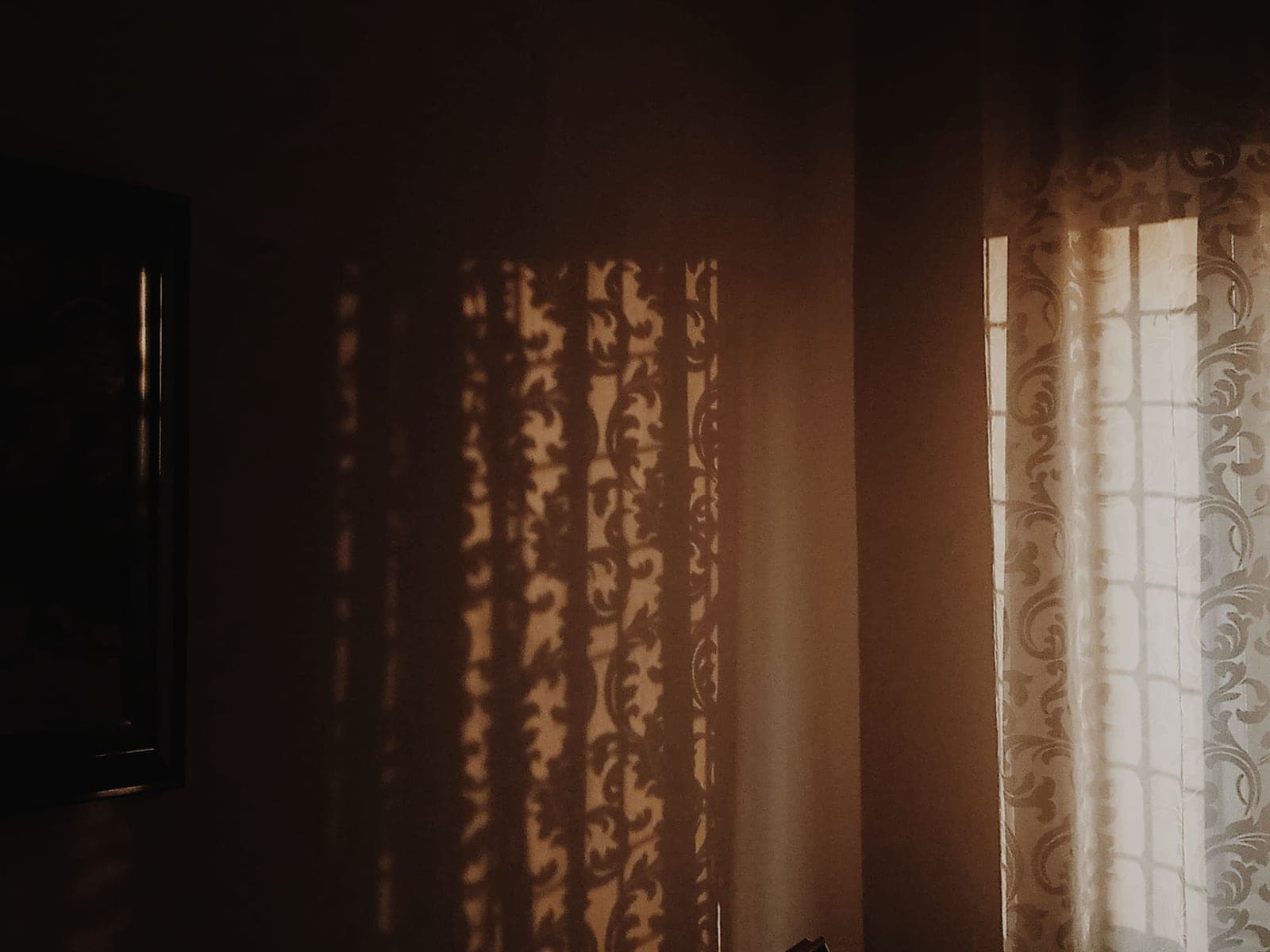
In summer, close coverings on sun-facing windows before the sun reaches them and keep them closed through the heat of the day. In winter, do the opposite — leave sun-facing windows open while the sun is on the glass, then close everything the moment it is off. Same curtains, opposite routine, and it costs nothing.
Most people run one routine all year — close at night, open in the morning — which is roughly right for winter and exactly wrong for summer.
Drape & Dawn earns a commission from qualifying purchases made through links on this page, at no extra cost to you. It does not change what we recommend. Full disclosure.
Timing
The seasonal routine
| Window faces | Summer | Winter |
|---|---|---|
| East | Close before sunrise; open by late morning | Open at sunrise for the free heat; close mid-afternoon |
| South | Close through the middle of the day | Leave open all day; close at dusk |
| West | Close by early afternoon, before the sun lands | Open until the sun goes; close immediately after |
| North | Open — little direct sun to exclude | Keep closed as much as you can live with |
| Any window, overnight | Open, if the night air is cooler than the room | Closed, everywhere |
The rule underneath the table: in summer you are trying to keep solar radiation out, so intercept it before it lands. In winter you are trying to keep heat in, so take every bit of free solar gain and then close the barrier as soon as the source stops.
The mechanism
Why closing late doesn't work in summer
Once sunlight has been on the glass for a couple of hours, the energy is already in the room — absorbed by the floor, the furniture, the walls. Closing a curtain at that point mostly traps it. Worse, the curtain itself is now a warm surface radiating into the room.
Closing before the sun arrives means the curtain intercepts the radiation at the window rather than letting it land on room surfaces. It is the same curtain, a couple of hours earlier, and the difference is real.
Setup
The one change worth making seasonally
If you are willing to change one thing rather than nothing, make it a removable liner. A ring-on blackout or thermal liner clips behind existing curtains in October and comes off in April, which gives you a heavier winter window and a lighter summer one without owning two sets of curtains. It takes minutes per window.
The other seasonal swap worth the effort is shrink film on single glazing — on in autumn, off in spring. It is the highest-return seasonal change available, with the trade that the window is sealed shut while it is on.
The failure mode
What goes wrong
- Blackout curtains on a hot west window. They block the light and absorb the heat, then radiate it inward. You end up with a dark, hot room. A reflective backing or a light-colored window-facing surface fixes it — best curtains to keep heat out.
- Curtains closed over a radiator in winter. Traps the heat between fabric and cold glass and sends it up the pane. Use sill length there.
- Everything closed all winter, including sunny windows. Throwing away free heat. Open what the sun is on.
- Night ventilation forgotten in summer. If the outside air is cooler than the room, opening up overnight does more than any covering.
If you do want to buy for one season specifically, best curtains to keep heat out covers summer and best thermal curtains covers winter.
What we’d buy
The products behind this advice
Picked against the criteria above, not the other way round. We don’t show prices because we don’t have a live price feed — each link goes to the current listing.
| # | Best for | Product | Type | Season | Price |
|---|---|---|---|---|---|
| 1 | For the summer side | Thermal Insulated Blackout Curtains, silver backed Sun-facing windows, where a reflective backing stops heat before the fabric absorbs it. | Thermal curtain | — | Check price on Amazon #ad We don’t show prices — check the current one on Amazon. How we’re funded |
| 2 | For the seasonal swap | Blackout Curtain Liners with detachable rings Clipping in a heavier layer for winter and taking it out in spring. | Blackout liner | — | Check price on Amazon #ad We don’t show prices — check the current one on Amazon. How we’re funded |
| 3 | For the winter side | Indoor Window Insulator Kit Single glazing, applied in autumn and removed in spring. | Insulation film | Autumn to spring | Check price on Amazon #ad We don’t show prices — check the current one on Amazon. How we’re funded |
01 — For the summer side
Thermal Insulated Blackout Curtains, silver backed
Deconovo
A silver-tone thermal coating facing the glass reflects solar radiation back out before the fabric can absorb it — the mechanism that separates a genuinely heat-rejecting panel from a merely heavy one.
Who it’s for: Sun-facing windows, where a reflective backing stops heat before the fabric absorbs it.
The catch: The coating is the failure point: it stiffens along fold lines and does not tolerate a hot wash or a tumble dryer. Expect a shorter life than an uncoated weave.
At a glance
- Type
- Thermal curtain
- Construction
- Woven, silver coated
- Care
- Gentle cold, no heat
- Drops
- 63 / 84 / 96 in
#ad We don’t show prices — check the current one on Amazon. How we’re funded
02 — For the seasonal swap
Blackout Curtain Liners with detachable rings
NICETOWN
Blackout liners on rings that snap open, so they go onto an existing rod behind curtains you already own without taking anything down.
Who it’s for: Clipping in a heavier layer for winter and taking it out in spring.
The catch: A liner inherits your curtains' coverage. If they are narrower or shorter than the window, the liner will be too, and the gaps stay exactly where they were.
At a glance
- Type
- Blackout liner
- Construction
- Woven blackout
- Care
- Machine wash cold
- Attachment
- Detachable snap rings
#ad We don’t show prices — check the current one on Amazon. How we’re funded
03 — For the winter side
Indoor Window Insulator Kit
3M
Shrink film taped across the whole window opening and heat-shrunk tight, creating a genuine second sealed air gap. On single glazing it is the highest thermal return per dollar of anything in this category.
Who it’s for: Single glazing, applied in autumn and removed in spring.
The catch: It seals the window shut for the season, so it is out on anything you need to open or that is an escape route. And it is visible for what it is.
At a glance
- Type
- Insulation film
- Fitting
- Tape and heat shrink
- Season
- Autumn to spring
- Best on
- Single glazing
#ad We don’t show prices — check the current one on Amazon. How we’re funded
FAQ
Questions people actually ask
Should I keep curtains closed in summer?
On sun-facing windows during the heat of the day, yes — and close them before the sun reaches the glass rather than after. On shaded or north-facing windows there is little direct sun to exclude, so leave them open.
Should I close curtains during the day in winter?
Not on windows getting direct sun — that is free heat. Close them as soon as the sun is off the glass, which in midwinter can be mid-afternoon. On north-facing windows, keeping them closed all day costs only daylight.
Does closing curtains at night actually help in winter?
Yes, and it is the highest-value habit in this whole area. Overnight is the longest cold period, and interrupting the convection loop against the glass for those hours is where most of a curtain's thermal contribution comes from.
Do I need different curtains for summer and winter?
Not usually. A removable liner gets you most of the benefit — clip it in for winter, take it out for summer — without owning two sets. What matters far more is when you open and close what you have.
What about opening windows at night in summer?
If the outside air is cooler than the room, night ventilation does more than any window covering. Open up once the outside temperature drops below the indoor one and close everything again in the morning.
Keep going
Read next

Drafts
Best curtains to keep heat out
Reflect the sun before the fabric absorbs it — and why a dark blackout panel backfires.
Drafts
Best thermal curtains
Panels worth buying — and the sealing that doubles what any of them achieve.

Drafts
Do thermal curtains save energy?
Real effect, unquantifiable savings — and the four things that decide how much you get.

Drafts
How to stop window drafts
Test with a flame, seal the leak, then cover the glass. In that order.

Glare
Outdoor and patio roller shades
Stop the sun before it reaches the glass — mounting, wind and realistic expectations.
About the author
Janet H.
Janet H. is the owner of Janet Media Group and the person behind Drape & Dawn. She researches every pick against the site's published methodology.
Published by Janet Media Group · Last updated September 23, 2026