Comparison
Thermal curtains vs new windows
One costs a hundred dollars and works when it is closed. The other costs thousands and never stops working.
By Janet H. · Last updated October 29, 2026 · How we choose

New double-pane windows fix a cold room permanently and thermal curtains do not - but curtains cost roughly one percent as much, work on the winter evenings when you are actually in the room, and can be installed this weekend. For most people in a cold room the honest answer is not one or the other: it is to do the cheap things first, live a winter with them, and then decide whether the glass still needs replacing.
This page exists because the two options get compared as if they were alternatives, and they are not really. One is a furnishing and the other is building work. What follows is an attempt to say plainly what each actually buys, so the comparison is about your room and your budget rather than about which one a salesperson or a curtain listing prefers.
Drape & Dawn earns a commission from qualifying purchases made through links on this page, at no extra cost to you. It does not change what we recommend. Full disclosure.
The decision table
Side by side
| Thermal curtains | New double-pane windows | |
|---|---|---|
| Mechanism | Trapped still air in front of the glass | Sealed gas-filled gap inside the unit |
| Cost bracket | Under a hundred dollars per window | Thousands per window, installed |
| Works when | Only while closed | Continuously, day and night |
| Daylight | Blocked while closed | Unaffected |
| Condensation on the glass | Can make it worse | Largely solved |
| Air leaks around the frame | No effect | Fixed, because the frame is replaced |
| Noise | Softens room echo only | Genuine reduction |
| Resale value | None | Counts as a building improvement |
| Renter-friendly | Yes | No |
| Reversible | Entirely | Not at all |
| Installed in | An afternoon | Weeks, with scheduling and permits |
The cheap side
What a thermal curtain actually does
A heavy lined curtain traps a layer of still air between the fabric and the glass. Still air conducts heat poorly, so that layer slows the rate at which warmth from the room reaches the cold pane and disappears through it. It is a real mechanism and it is the same one working inside a double-pane unit - just less of it, less well sealed, and only while the curtain is closed.
Two consequences follow. First, the curtain has to be mounted so the air is actually trapped: close to the wall, wide of the frame, and long enough to reach the floor, or the cold air simply spills out at the bottom and the layer never forms. A short panel on a narrow rod is barely doing anything. Second, a curtain does nothing for the hours it is open, which in a living room is most of the daylight in winter. Do thermal curtains save energy goes through what can and cannot be claimed here.
The expensive side
What new windows do that curtains cannot
Three things, and they are the reason the price gap exists. A new unit works all the time, including the eight daylight hours when your curtains are open and the room is losing heat anyway. It fixes air leakage, because the frame and the seals are replaced too - and on an old window a surprising share of the discomfort is moving air rather than cold glass. And it largely ends condensation, because the room-side surface is no longer cold enough for water to form on it.
There is a fourth, less-discussed one: noise. A curtain softens the echo inside a room and does essentially nothing about traffic outside. A double-pane unit with different glass thicknesses genuinely reduces what comes through. If the complaint is partly noise, that is a point only the window can answer - do blackout curtains block sound explains why fabric cannot.
Sequencing
The honest middle: what to do before you spend thousands
Replacing windows is a sound investment in an old house and nothing here argues against it. But the order matters, because several much cheaper interventions capture a large share of the benefit and - more usefully - tell you how much of your problem is actually the glass.
- 1Find out whether it is a draft or cold glass. Hold a lit incense stick near the closed window's edges. Moving smoke means air leakage, which is a weatherstripping and caulk problem costing a few dollars and no curtain will touch it.
- 2Seal the leaks you found. Weatherstrip the sash, caulk the frame. This is the highest return per dollar of anything on this list.
- 3Add shrink film if the glass is single pane. A sealed film layer is physically the same idea as a second pane, for the price of a takeout meal, and it is reversible in spring - best window insulation film has the kits.
- 4Hang the curtains properly. Close to the wall, wide of the frame, long enough to touch the floor. Mounting is what decides whether a thermal curtain does anything at all.
- 5Live a winter with that, then reassess. If the room is now comfortable, you have saved thousands. If it is still cold, you now know the glass is the problem and the quote is worth getting.
Deciding
Choose curtains if…
- You rent, or you expect to move within a few years.
- The discomfort is worst in the evening, when the curtains would be closed anyway.
- You also want darkness, privacy or glare control, which a new window gives you none of.
- The budget is in the tens or low hundreds rather than the thousands.
- You want it fixed this weekend rather than next quarter.
Deciding
Choose new windows if…
- The frames are rotten, the sashes do not close, or the units are fogged between the panes - at that point the window has failed and no furnishing is the answer.
- The room is cold during the day, when you need the curtains open.
- Condensation on the glass is persistent enough to be damaging paint or sills.
- Outside noise is part of the complaint.
- You own the house, plan to stay, and the cost counts as an improvement rather than an expense.
Numbers
A note on what you will be told
Both sides of this comparison are marketed with energy-savings percentages, and both should be treated carefully. Curtain listings quote fabric test figures that assume perfect coverage and a closed curtain. Window quotes cite U-factors measured on the unit in a lab, not on your wall with your installer's gaps. Neither number is dishonest and neither predicts your heating bill, which depends on your climate, your heating system, how long the curtains are closed and how leaky the rest of the house is. We publish no savings figure of our own for exactly this reason.
Methodology
How we chose
This comparison is built from the published mechanisms of each approach, manufacturers' own descriptions of what their products do, and the failure patterns owners report - curtains underperforming because of how they were hung, and replacement windows disappointing when the real problem was air leakage elsewhere. We do not test windows, do not install them, and publish no energy-savings figure of our own. Cost brackets are qualitative on purpose. Full criteria on the methodology page.
What we’d buy
The products behind this advice
Picked against the criteria above, not the other way round. Prices are read from Amazon and refreshed daily; each link goes to the current listing.
| # | Best for | Product | Type | Cost bracket | Reversible | Price |
|---|---|---|---|---|---|---|
| 1 | Do this first | 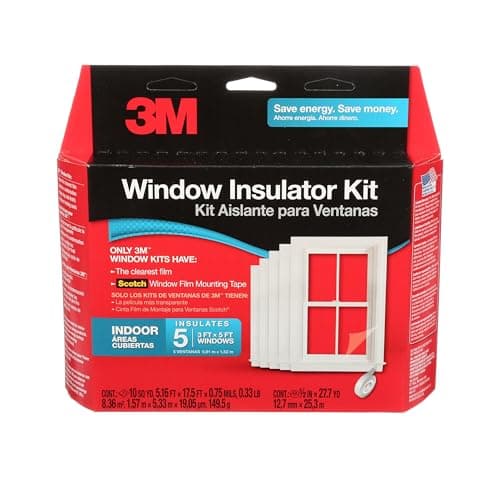 Anyone with single-pane glass - it is the cheapest real thermal gain available and it tells you how much of the problem is the glass. | Shrink film kit | — | — | $17.59 · View on Amazon #ad Price as of November 3, 2026, and it can change. How we’re funded |
| 2 | The curtain layer | 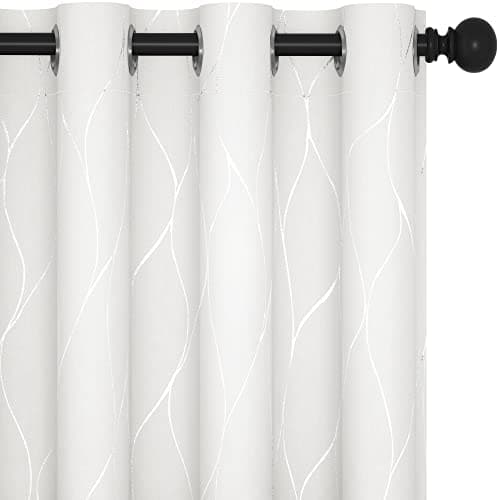 Rooms where you want the window to look furnished and still want the draft handled every evening. | Thermal curtain | — | — | $38.49 · View on Amazon #ad Price as of November 3, 2026, and it can change. How we’re funded |
| 3 | The best non-structural upgrade | 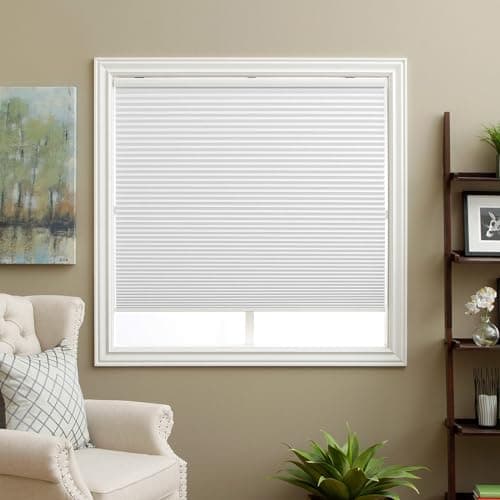 A cold window you are not replacing this year, where honeycomb cells do more than fabric alone. | Cellular shade | — | — | $57.99 · View on Amazon #ad Price as of November 3, 2026, and it can change. How we’re funded |
01 — Do this first
Indoor Window Insulator Kit, Five Pack
3M
The kit the category is measured against: pre-cut shrink film plus 3M's own double-sided mounting tape, sized for five standard windows. The tape is the part that separates a kit that lasts the winter from one that peels off in January.
Who it’s for: Anyone with single-pane glass - it is the cheapest real thermal gain available and it tells you how much of the problem is the glass.
The catch: The window is sealed for the season - you cannot open it without cutting the film and starting over. It also seals in moisture, so a room that already suffers condensation needs ventilating some other way.
At a glance
- Type
- Shrink film kit
- Covers
- 5 standard windows
- Tape
- Included, 3M
- Removal
- Peel in spring
#ad Price as of November 3, 2026, and it can change. How we’re funded
02 — The curtain layer
Thermal Insulated Blackout Curtains, silver backed
Deconovo
A silver-tone thermal coating facing the glass reflects solar radiation back out before the fabric can absorb it — the mechanism that separates a genuinely heat-rejecting panel from a merely heavy one.
Who it’s for: Rooms where you want the window to look furnished and still want the draft handled every evening.
The catch: The coating is the failure point: it stiffens along fold lines and does not tolerate a hot wash or a tumble dryer. Expect a shorter life than an uncoated weave.
At a glance
- Type
- Thermal curtain
- Construction
- Woven, silver coated
- Care
- Gentle cold, no heat
- Drops
- 63 / 84 / 96 in
#ad Price as of November 3, 2026, and it can change. How we’re funded
03 — The best non-structural upgrade
Cordless Blackout Honeycomb Cellular Shades
SBARTAR
A honeycomb shade built with a liner sandwiched between two layers of polyester, aimed at light and UV blocking. The added liner is why it reads as more opaque than a plain single-cell shade of the same depth.
Who it’s for: A cold window you are not replacing this year, where honeycomb cells do more than fabric alone.
The catch: The extra liner stiffens the fabric, so the stack at the top is deeper when raised. On a short window that stack covers a noticeable share of the glass.
At a glance
- Type
- Cellular shade
- Fabric
- Blackout, lined
- Operation
- Cordless
- Fit
- Made to size
#ad Price as of November 3, 2026, and it can change. How we’re funded
FAQ
Questions people actually ask
Do thermal curtains work as well as double pane windows?
No. A new double-pane unit works continuously, fixes air leakage around the frame, and largely ends condensation; a thermal curtain only works while it is closed and does nothing about leaks. The curtain's advantage is that it costs roughly one percent as much and can be hung this weekend.
Are thermal curtains worth it if I have double glazing already?
Less so than on single-pane glass, but still useful in the evening - the curtain adds a layer in front of a window that is already insulated, so the marginal gain is smaller. If the double-pane unit is fogged between the panes, its seal has failed and it is performing like single glazing, which puts the curtain back to being genuinely worthwhile.
What should I do before replacing my windows?
Find out whether the problem is cold glass or moving air, by holding a lit incense stick near the closed window's edges. Seal any leaks with weatherstripping and caulk, add shrink film if the glass is single pane, hang heavy curtains properly, and live a winter with that before getting quotes.
Will thermal curtains stop condensation on my windows?
They can make it worse. A closed curtain keeps warm room air away from the glass, so the pane runs colder than it otherwise would and water forms on it more readily. Condensation is a humidity and ventilation problem; new windows address it by making the room-side surface warmer.
How much do thermal curtains save on heating?
We do not publish a figure, because an honest one does not exist. The effect depends on your climate, your heating system, how many hours the curtains are closed, how well they are mounted, and how leaky the rest of the house is. Any single percentage quoted for curtains in general is a fabric test result, not a prediction for your home.
Keep going
Read next
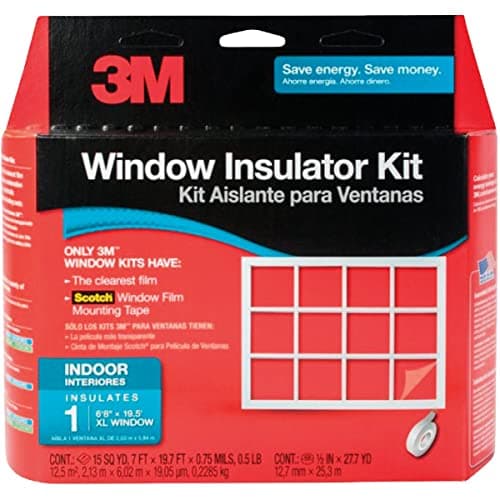
Drafts
Do thermal curtains save energy?
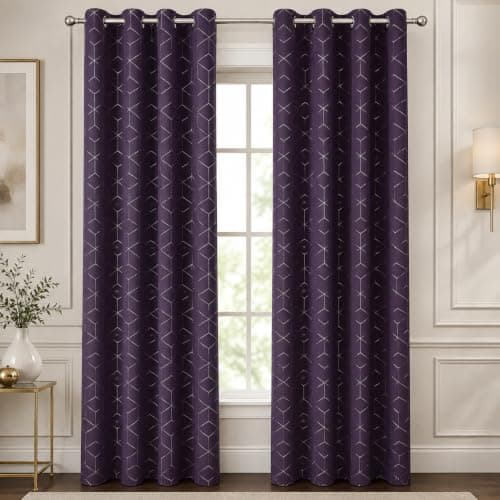
Real effect, unquantifiable savings — and the four things that decide how much you get.
Drafts
Best thermal curtains
Panels worth buying — and the sealing that doubles what any of them achieve.
Drafts
How to stop window drafts
Test with a flame, seal the leak, then cover the glass. In that order.
Drafts
Best window insulation film
The cheapest real thermal upgrade a cold window can get - and the tape that decides it.
Drafts
Insulated curtains vs window film
Film performs better and looks worse. Curtains, the reverse. Here's how to choose.
Drafts
Best insulated cellular shades
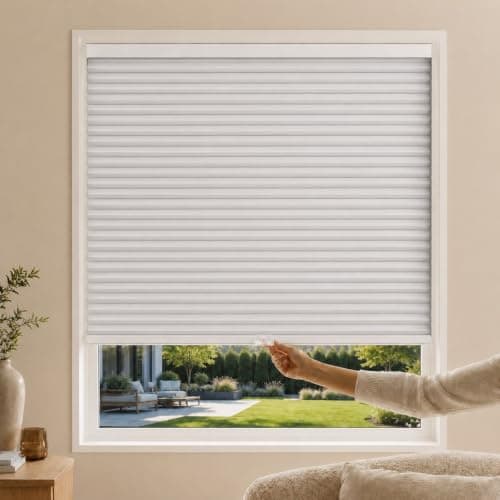
The strongest thermal performer in window coverings — if you measure the fit properly.
About the author
Janet H.
Janet H. is the owner of Janet Media Group and the person behind Drape & Dawn. She researches every pick against the site's published methodology.
Published by Janet Media Group · Last updated October 29, 2026