Roundup
Best window insulation film
Twenty dollars and an afternoon buys a second pane of glass - for one season, and only if the tape holds.
By Janet H. · Last updated October 29, 2026 · How we choose
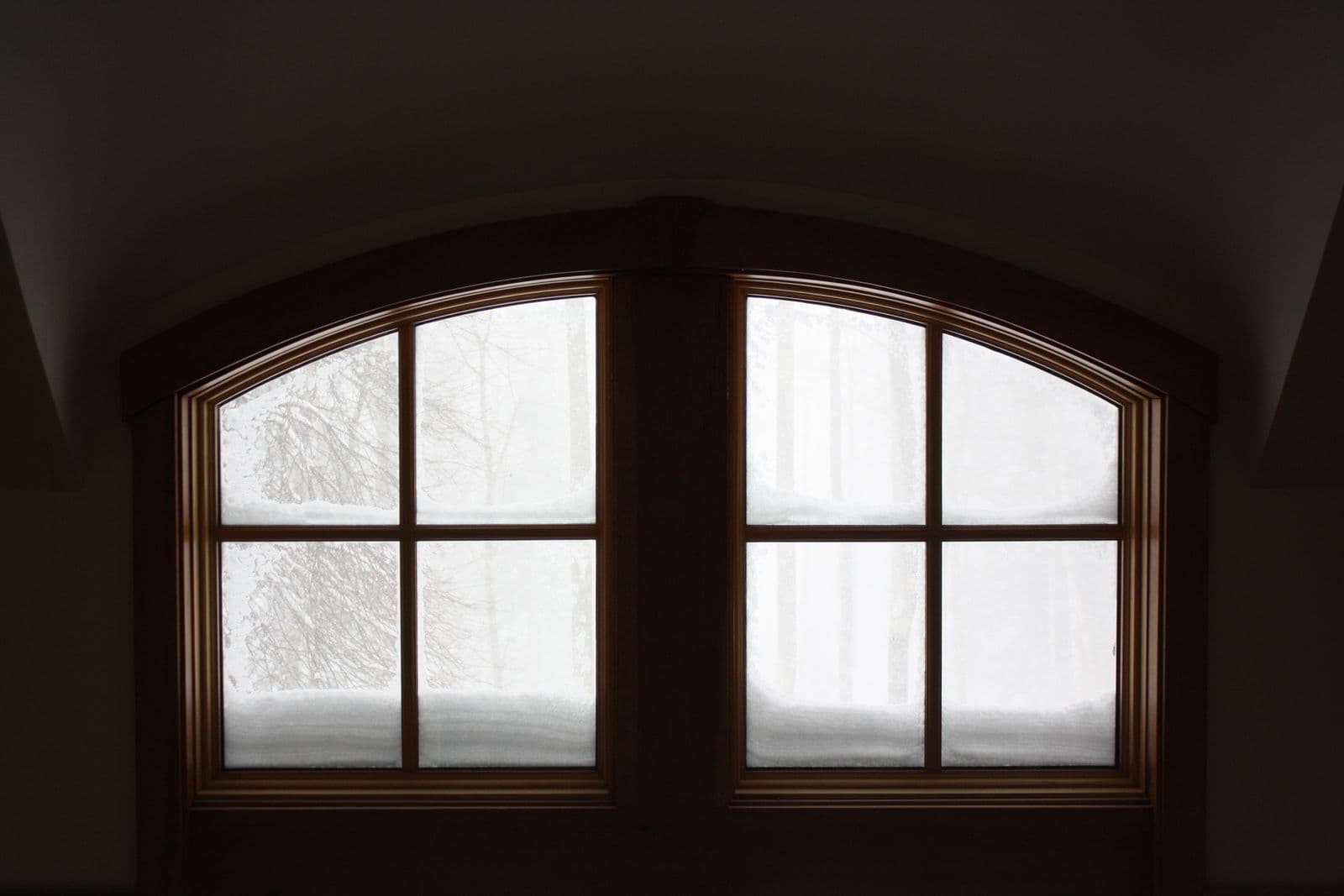
For most houses the best window insulation film is the 3M Indoor Window Insulator Kit, and the reason is the tape rather than the film: 3M's own double-sided mounting tape is the part that holds through four months of cold glass, and tape failure is why cheap kits sag in January. For windows that are all different sizes, a rolled kit you cut yourself wastes less and fits better.
Shrink film is the odd product on this site. Everything else here is furnishing you live with; this is a seasonal repair you apply in the fall, look past until March, and throw away. It is also, per dollar, the most effective thing you can do to a cold single-pane window short of replacing it - which is why it is worth being precise about when it works and when it is a waste of an afternoon.
Drape & Dawn earns a commission from qualifying purchases made through links on this page, at no extra cost to you. It does not change what we recommend. Full disclosure.
Before the list
What the film actually does
A kit is clear plastic film and double-sided tape. You tape the film to the window frame - the frame, not the glass - and shrink it tight with a hairdryer until it is drum-flat and nearly invisible. What you have built is a sealed pocket of still air between the film and the pane. Still air is a poor conductor of heat, and that trapped layer is doing the same job the gap inside a double-pane unit does.
That is the whole mechanism, and it explains the two things people get wrong about film. It is not the plastic that insulates, so a thicker film is not automatically warmer. And the pocket only works if it is genuinely sealed, so a film with one corner lifted is doing close to nothing. Both failures trace back to the tape.
Criteria
The four things that decide a kit
The tape, which is the entire product
Every kit's film is more or less the same clear polyolefin. The tape is not. Double-sided tape has to bond to a cold, sometimes slightly damp painted frame and hold a shrinking membrane under tension for four months. Cheap tape lets go at one corner in the first hard freeze, the seal opens, and the kit stops working while still looking like it is there. If you buy a budget kit, buy better tape separately - it is the single highest-value upgrade in this category.
Pre-cut sheets or a roll you cut
Pre-cut kits give you sheets sized for a standard window and are faster when your windows actually are standard. Rolled kits give you one long roll and you cut each piece to the opening in front of you. In an older house where no two windows match, the roll wastes far less and fits better; in a newer house with uniform windows, pre-cut is quicker. Measure two or three of your windows before choosing - the answer is usually obvious once you do.
Coverage, counted in windows and not in feet
Kits are sold as "fits up to N windows," which assumes a window size you may not have. Work it out in square feet instead: measure the outside of the frame you will tape to, add a couple of inches each way, and compare that against the roll or sheet dimensions. A patio door needs its own kit; it is far larger than any standard-window sheet and trying to join two pieces across it gives you a seam that will not seal.
Whether the window has to open
This is the constraint that disqualifies film more often than any other, and it is worth settling before you buy. A filmed window is sealed until spring. You cannot crack it for ventilation, and in a bedroom you should check it is not the designated fire escape route - if it is, film is the wrong answer regardless of how cold the glass is.
| # | Best for | Product | Covers | Tape | Film | Price |
|---|---|---|---|---|---|---|
| 1 | Best overall | 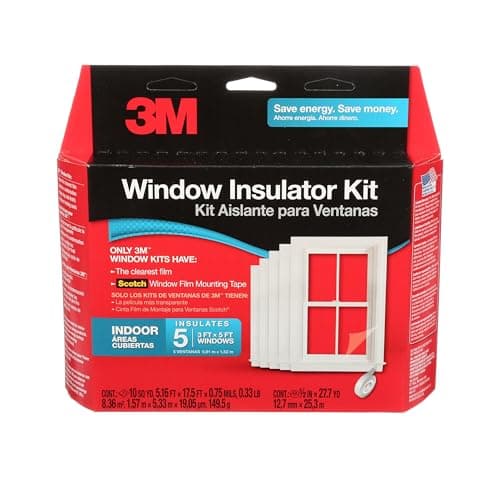 A house with several cold standard windows, where the tape holding for four months matters more than saving two dollars. | 5 standard windows | Included, 3M | — | $17.59 · View on Amazon #ad Price as of November 3, 2026, and it can change. How we’re funded |
| 2 | Best for odd-sized windows | 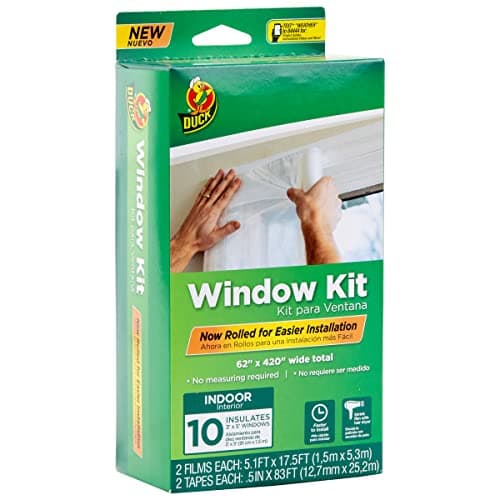 Older homes where no two windows match, and anyone who would rather cut to the opening than fight a pre-cut sheet. | Up to 10 windows | Included | — | $14.97 · View on Amazon #ad Price as of November 3, 2026, and it can change. How we’re funded |
| 3 | Best for a sliding door | 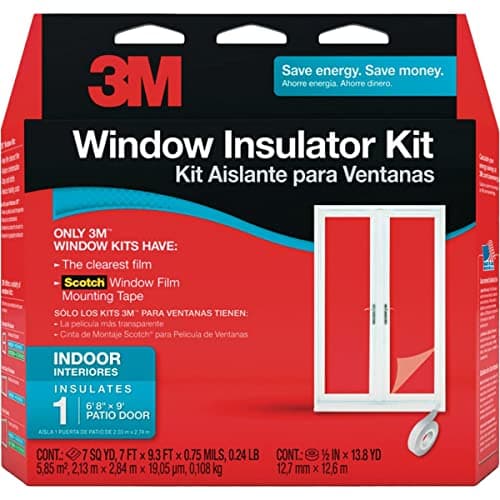 A patio door you do not use in winter - usually the single biggest cold surface in the room. | 1 patio door | Included, 3M | — | $19.21 · View on Amazon #ad Price as of November 3, 2026, and it can change. How we’re funded |
| 4 | Best for large or abused panes | 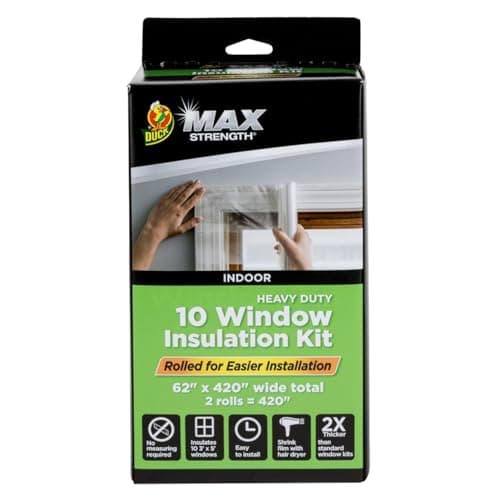 Big windows, drafty old frames, and rooms where the film gets knocked - the cases where standard film tears. | Up to 10 windows | Included | Heavy duty | $26.68 · View on Amazon #ad Price as of November 3, 2026, and it can change. How we’re funded |
| 5 | Cheapest that still works | 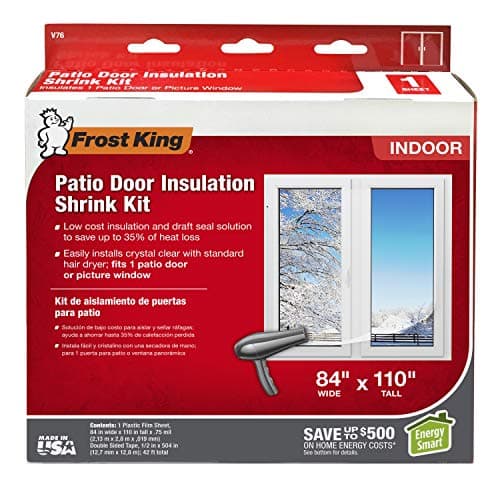 One problem window, a rental you are leaving in spring, or a first try before committing to the whole house. | 1 patio door or large window | Included | — | $7.27 · View on Amazon #ad Price as of November 3, 2026, and it can change. How we’re funded |
01 — Best overall
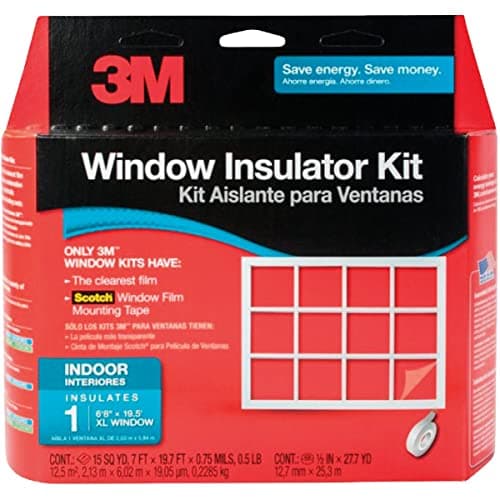
Indoor Window Insulator Kit, Five Pack
3M
The kit the category is measured against: pre-cut shrink film plus 3M's own double-sided mounting tape, sized for five standard windows. The tape is the part that separates a kit that lasts the winter from one that peels off in January.
Who it’s for: A house with several cold standard windows, where the tape holding for four months matters more than saving two dollars.
The catch: The window is sealed for the season - you cannot open it without cutting the film and starting over. It also seals in moisture, so a room that already suffers condensation needs ventilating some other way.
At a glance
- Type
- Shrink film kit
- Covers
- 5 standard windows
- Tape
- Included, 3M
- Removal
- Peel in spring
#ad Price as of November 3, 2026, and it can change. How we’re funded
02 — Best for odd-sized windows
Window Insulation Kit, rolled crystal clear film
Duck Brand
One continuous roll of film rather than pre-cut sheets, with tape included, covering up to ten windows. The roll is the practical advantage: you cut each piece to the window in front of you instead of hoping a pre-cut sheet is big enough.
Who it’s for: Older homes where no two windows match, and anyone who would rather cut to the opening than fight a pre-cut sheet.
The catch: Cutting from a roll means you waste some film on odd-shaped windows and you have to measure carefully. There is also no second chance on a piece you cut short.
At a glance
- Type
- Shrink film kit
- Covers
- Up to 10 windows
- Format
- Rolled, cut to size
- Tape
- Included
#ad Price as of November 3, 2026, and it can change. How we’re funded
03 — Best for a sliding door
Indoor Window Insulator Kit, Patio Door
3M
The same system sized for a sliding glass door, which is usually the coldest and largest single pane in the house and the one standard window kits cannot cover in one piece.
Who it’s for: A patio door you do not use in winter - usually the single biggest cold surface in the room.
The catch: It seals the door shut for the season, so this only suits a slider you genuinely do not use between November and March. On a door you walk through, a curtain is the only workable answer.
At a glance
- Type
- Shrink film kit
- Covers
- 1 patio door
- Tape
- Included, 3M
- Removal
- Peel in spring
#ad Price as of November 3, 2026, and it can change. How we’re funded
04 — Best for large or abused panes
Max Strength Window Insulation Kit
Duck Brand
A thicker film than the standard kits, aimed at windows where the ordinary stuff has previously torn or sagged - large panes, drafty old frames, and anywhere the film gets brushed against.
Who it’s for: Big windows, drafty old frames, and rooms where the film gets knocked - the cases where standard film tears.
The catch: Heavier film is less optically clear than the thin version and the extra thickness shows more at the edges. It also costs noticeably more per window than a basic kit.
At a glance
- Type
- Shrink film kit
- Covers
- Up to 10 windows
- Film
- Heavy duty
- Tape
- Included
#ad Price as of November 3, 2026, and it can change. How we’re funded
05 — Cheapest that still works
V76H Shrink Window Kit, 84 by 110 inch
Frost King
A single large sheet sized for a patio door or a picture window, at the lowest price in the category. It does the same physical job as the branded kits: a sealed air gap in front of the glass.
Who it’s for: One problem window, a rental you are leaving in spring, or a first try before committing to the whole house.
The catch: The tape supplied is the weak point and is the usual reason a cheap kit fails mid-winter. Budget for better double-sided tape if the frames are painted, textured or cold.
At a glance
- Type
- Shrink film kit
- Covers
- 1 patio door or large window
- Sheet
- 84 x 110 in
- Tape
- Included
#ad Price as of November 3, 2026, and it can change. How we’re funded
Buying guide
What else matters
Single pane or double pane changes everything
On single-pane glass, film is transformative - you are adding the second layer the window never had, and the difference is something you feel standing next to it. On an intact double-pane window, you are adding a third layer to a unit that already has a sealed gap, and the marginal gain is small. Film still earns its place on double glazing in one case: when the seal has failed and the unit is fogged between the panes, which means the gas is gone and the window is performing like single glazing again - at that point you are into thermal curtains vs new windows territory.
Condensation, which film both fixes and causes
Film usually stops condensation on the room side, because the surface you touch is no longer freezing. What it can do instead is trap moisture in the pocket, where you see water beading between the film and the glass. That means humid air got in before you sealed it - the usual cause is applying film on a damp day or over a frame that was not dry. Apply on a dry day, wipe the frame first, and ventilate the room properly all winter.
Where the draft is actually coming from
Film fixes radiant cold and conduction through the glass. It does not fix air leaking around a bad sash, which is a different complaint with a different fix. The test is simple: hold a candle or a lit incense stick near the edges of the closed window and watch the smoke. If it bends, you have an air leak and you want weatherstripping or caulk first. How to stop window drafts walks the whole diagnosis in order.
Film is not the same product as heat-blocking film
Two completely different things share the word film, and the listings do not always help. Insulation film is loose shrink plastic taped to the frame, applied for winter, thrown away in spring. Solar or heat-blocking film is an adhesive tint bonded to the glass itself, applied to keep summer sun out, and it stays for years. One is for a cold room, the other for a hot one. Best window film to block heat is the summer product, and this page is the winter one.
- 1
Clean and dry the frame
Wipe the frame with rubbing alcohol and let it dry. Tape bonds to a clean dry surface and fails on dust, grease or cold condensation - this step is why kits succeed or fail.
- 2
Tape the frame, not the glass
Run double-sided tape around the outside of the frame in a continuous line, with no gaps at the corners. Leave the backing on until all four sides are down.
- 3
Cut the film with slack
Cut the film two to three inches larger than the taped rectangle on every side. Too tight is unfixable; too loose shrinks out.
- 4
Press it on, top first
Peel the backing from the top edge and press the film on, then the sides, then the bottom, keeping it roughly flat. Wrinkles at this stage are expected.
- 5
Shrink it with a hairdryer
On a medium heat setting, a few inches away, work from the center outward until the film is drum-tight. Do not hold the dryer still - it will melt a hole.
- 6
Trim the edge
Trim the excess film close to the tape with a sharp blade. Done well, you have to look for it to see it.
Methodology
How we chose
Selection is on published coverage and film format, whether mounting tape is included and whose it is, suitability for standard windows versus patio doors, and the failure patterns owners report for this category specifically - tape letting go at a corner, film tearing on large panes, and moisture trapped behind the sheet. We do not lab-test film and publish no R-value or U-factor of our own; the physics described here is the general behavior of a sealed air gap, not a measurement of these products. Full criteria on the methodology page.
FAQ
Questions people actually ask
Does window insulation film actually work?
On single-pane glass, yes, noticeably - you are adding a sealed air gap the window never had, and the room-side surface stops being freezing. On intact double-pane glass the gain is small, because the window already has a sealed gap. The effect depends entirely on the seal being unbroken, which depends on the tape.
How long does window insulation film last?
One season. It goes on in the fall and comes off in spring, and the film is not reusable once it has been shrunk and trimmed. Kits that fail early almost always fail at the tape rather than the film, usually at a corner within the first hard freeze.
Can you open a window with insulation film on it?
No. The film seals the window shut until you cut it off and start again. Before applying it to a bedroom window, check it is not the designated fire escape route, and make sure the room has another way to ventilate through the winter.
Will insulation film stop condensation?
Usually on the room side, because the surface facing the room is no longer cold enough to condense on. You may instead see water between the film and the glass, which means humid air was sealed into the pocket. Apply on a dry day, dry the frame first, and keep ventilating the room.
Is window insulation film the same as heat-blocking film?
No, and they are opposites. Insulation film is loose shrink plastic taped to the frame for winter and discarded in spring. Heat-blocking or solar film is an adhesive tint bonded to the glass to reject summer sun, and it stays on for years.
Does insulation film damage paint or frames?
The film does not, but the tape can. On old or poorly bonded paint, removing the tape in spring sometimes lifts flakes with it. Warming the tape with a hairdryer before pulling and peeling slowly at a shallow angle is what avoids it.
Keep going
Read next
Drafts
Insulated curtains vs window film
Film performs better and looks worse. Curtains, the reverse. Here's how to choose.
Drafts
How to stop window drafts
Test with a flame, seal the leak, then cover the glass. In that order.
Drafts
Best thermal curtains
Panels worth buying — and the sealing that doubles what any of them achieve.
Drafts
Best window film to block heat
Film applied to the pane, what it realistically achieves against heat, and when shading beats it.
Drafts
Best insulated cellular shades
The strongest thermal performer in window coverings — if you measure the fit properly.
Drafts
Do thermal curtains save energy?
Real effect, unquantifiable savings — and the four things that decide how much you get.
Drafts
Thermal curtains vs new windows
What a hundred dollars of curtain really buys you against a few thousand dollars of glass.
About the author
Janet H.
Janet H. is the owner of Janet Media Group and the person behind Drape & Dawn. She researches every pick against the site's published methodology.
Published by Janet Media Group · Last updated October 29, 2026