Comparison
Blinds vs cellular shades
Aim the light, or insulate the window. These two solve almost opposite problems.
By Janet H. · Last updated September 23, 2026 · How we choose
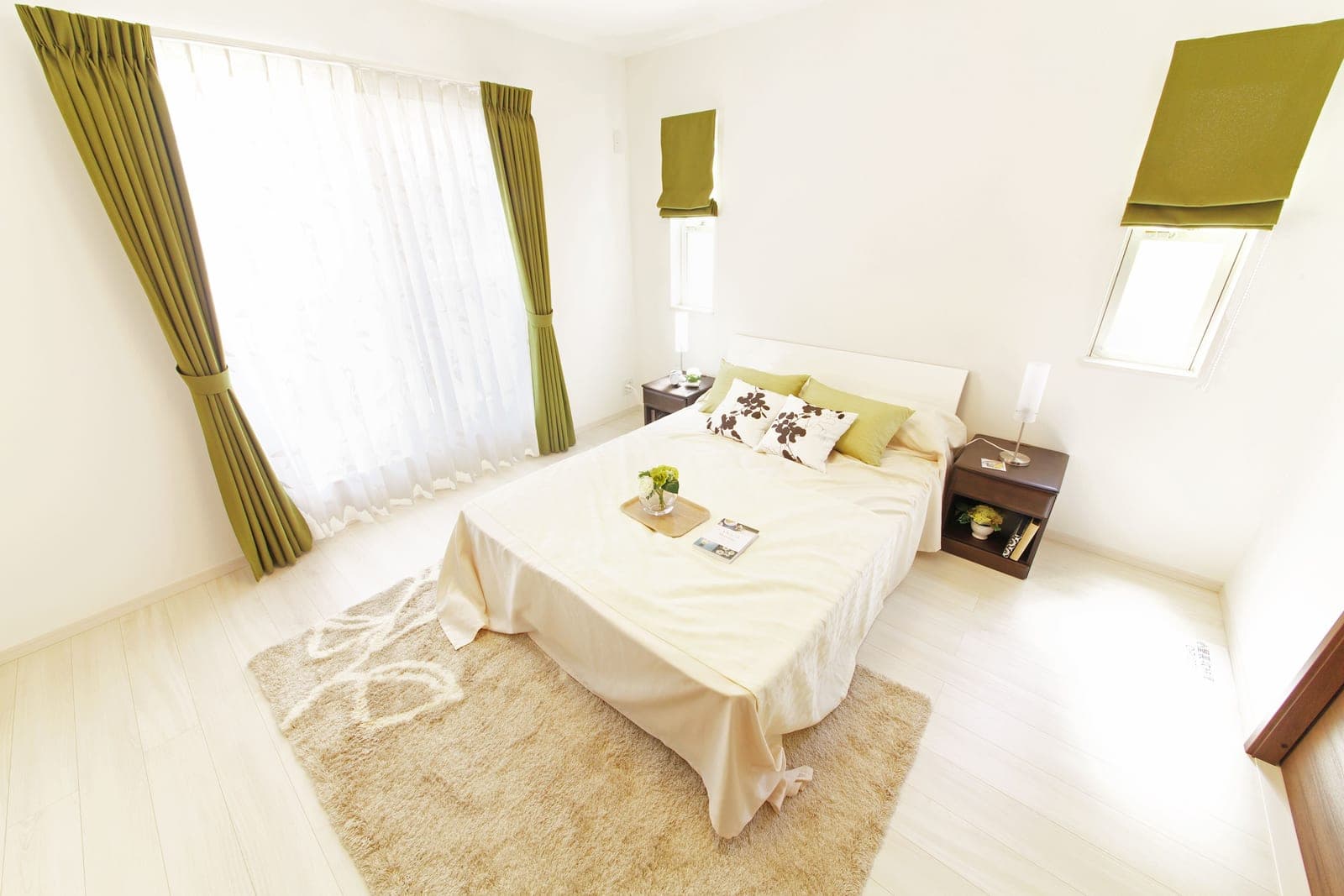
Blinds have tilting slats and let you aim light and sightlines; cellular shades are opaque honeycomb fabric that insulates and diffuses. They look like alternatives on a shop page and they solve nearly opposite problems, which is why picking on price or appearance leads people wrong so often.
The question that settles it: does your problem have a direction? If yes — a sidewalk on one side, sun from one angle — you want a blind. If no — the window is cold, or the light is generally harsh — you want a cellular shade.
Drape & Dawn earns a commission from qualifying purchases made through links on this page, at no extra cost to you. It does not change what we recommend. Full disclosure.
The decision table
Side by side
| Blinds | Cellular shades | |
|---|---|---|
| Structure | Individual tilting slats | Honeycomb cells of trapped air |
| See out while covered | Yes, tilted | No |
| Insulation | Minimal | The best of any common covering |
| Light quality | Striped, directional | Soft, even, no hotspot |
| Privacy | Aimable; route holes leak | Complete where covered |
| Blackout option | Limited by slat gaps | Yes, blackout cell fabric |
| Cleaning | Dozens of dusty horizontal faces | Vacuum brush; cells are fiddly |
| Cost | Lower | Higher, usually made to size |
| Stack when open | Slats stack tight at the top | Deeper concertina stack |
Deciding
Choose blinds if…
- The window is overlooked from a specific direction — a street, a path, a neighbor's window.
- You want to keep seeing out while the window is covered.
- It is a kitchen or bathroom where wipeable beats fabric.
- You want to bounce daylight onto the ceiling, which tilted slats do and a shade cannot.
- Cost is a real constraint across several windows.
Deciding
Choose cellular shades if…
- The window is a cold spot in winter or a heat source in summer.
- You want soft, even light with no slat stripes across the room.
- You want blackout and insulation from one product.
- Privacy matters more than seeing out.
- You would use a top-down bottom-up mechanism, which cellular shades do particularly well.
What changes
The cost and effort reality
Blinds are cheaper and far more forgiving to measure — a small error hides between slats. Cellular shades are usually made to size, cost more, and their whole value depends on a tight fit: a loose shade is a decorative one. Measure in three places and use the narrowest, and check the recess depth before ordering.
On maintenance the positions reverse. Blinds are dust magnets at eye level and a bent slat is permanent. A cellular shade needs a vacuum brush occasionally and has nothing to bend.
Picks are in best window blinds and best cellular shades. If insulation is the driver, best insulated cellular shades goes deeper.
What to buy
One of each
| # | Best for | Product | Type | Best at | Weak at | Price |
|---|---|---|---|---|---|---|
| 1 | Best blind | Basics Cordless Faux Wood Blinds, 2" routeless slats Windows overlooked from a specific direction, and rooms where you want to keep seeing out. | Slatted blind | Aiming light and sightlines | Insulation, darkness | Check price on Amazon #ad We don’t show prices — check the current one on Amazon. How we’re funded |
| 2 | Best cellular shade | Cordless Cellular Shades, light filtering Cold or hot rooms, and anywhere light quality matters. | Cellular shade | Insulation, soft light | Keeping the view | Check price on Amazon #ad We don’t show prices — check the current one on Amazon. How we’re funded |
| 3 | Best of both worlds | Top Down Bottom Up Cellular Shades Overlooked rooms that are also cold — the case where neither plain product is quite right. | Cellular, dual rail | Privacy with daylight | Cost, mechanism complexity | Check price on Amazon #ad We don’t show prices — check the current one on Amazon. How we’re funded |
01 — Best blind
Basics Cordless Faux Wood Blinds, 2" routeless slats
LEVOLOR
Routeless two-inch faux wood: proper directional control without the column of light pinholes that undermines a conventional blind's privacy.
Who it’s for: Windows overlooked from a specific direction, and rooms where you want to keep seeing out.
The catch: Essentially no thermal benefit, and horizontal slats collect dust constantly.
At a glance
- Type
- Slatted blind
- Best at
- Aiming light and sightlines
- Weak at
- Insulation, darkness
- Operation
- Cordless
#ad We don’t show prices — check the current one on Amazon. How we’re funded
02 — Best cellular shade
Cordless Cellular Shades, light filtering
CHICOLOGY
Made-to-size honeycomb that seals against the recess, insulating and diffusing at once. The only one of the two that makes a cold window meaningfully warmer.
Who it’s for: Cold or hot rooms, and anywhere light quality matters.
The catch: Opaque — no view, no tilt, no compromise position.
At a glance
- Type
- Cellular shade
- Best at
- Insulation, soft light
- Weak at
- Keeping the view
- Operation
- Cordless
#ad We don’t show prices — check the current one on Amazon. How we’re funded
03 — Best of both worlds
Top Down Bottom Up Cellular Shades
CHICOLOGY
The closest a shade gets to a blind's flexibility: cover the lower window for privacy and keep the daylight above, or close it fully. Insulation included.
Who it’s for: Overlooked rooms that are also cold — the case where neither plain product is quite right.
The catch: Costs more than either plain option, and still gives you no view through the covered part.
At a glance
- Type
- Cellular, dual rail
- Best at
- Privacy with daylight
- Weak at
- Cost, mechanism complexity
- Operation
- Cordless
#ad We don’t show prices — check the current one on Amazon. How we’re funded
FAQ
Questions people actually ask
Are cellular shades better than blinds?
For insulation and light quality, clearly. For aiming light and keeping a view while covered, no — a blind does things a cellular shade physically cannot. They are different tools rather than better and worse.
Do cellular shades give more privacy than blinds?
Where they cover, yes — it is a continuous opaque surface with no route holes or slat gaps. Blinds give adjustable privacy but always leak a little through the cord holes and the side gaps of an inside mount.
Which is cheaper?
Blinds, usually, especially in stock sizes. Cellular shades are typically made to size and priced accordingly — though the fit is also what makes them work, so a cheap ill-fitting one is a false economy.
Which is better for a bedroom?
A blackout cellular shade, for most bedrooms — it darkens and insulates together, and a bedroom window is usually both bright in the morning and cold at night.
Can I have both on one window?
You can, though it is an unusual combination and the two headrails compete for depth. The more common layering is a cellular shade inside the recess with a curtain outside it.
Keep going
Read next

Compare
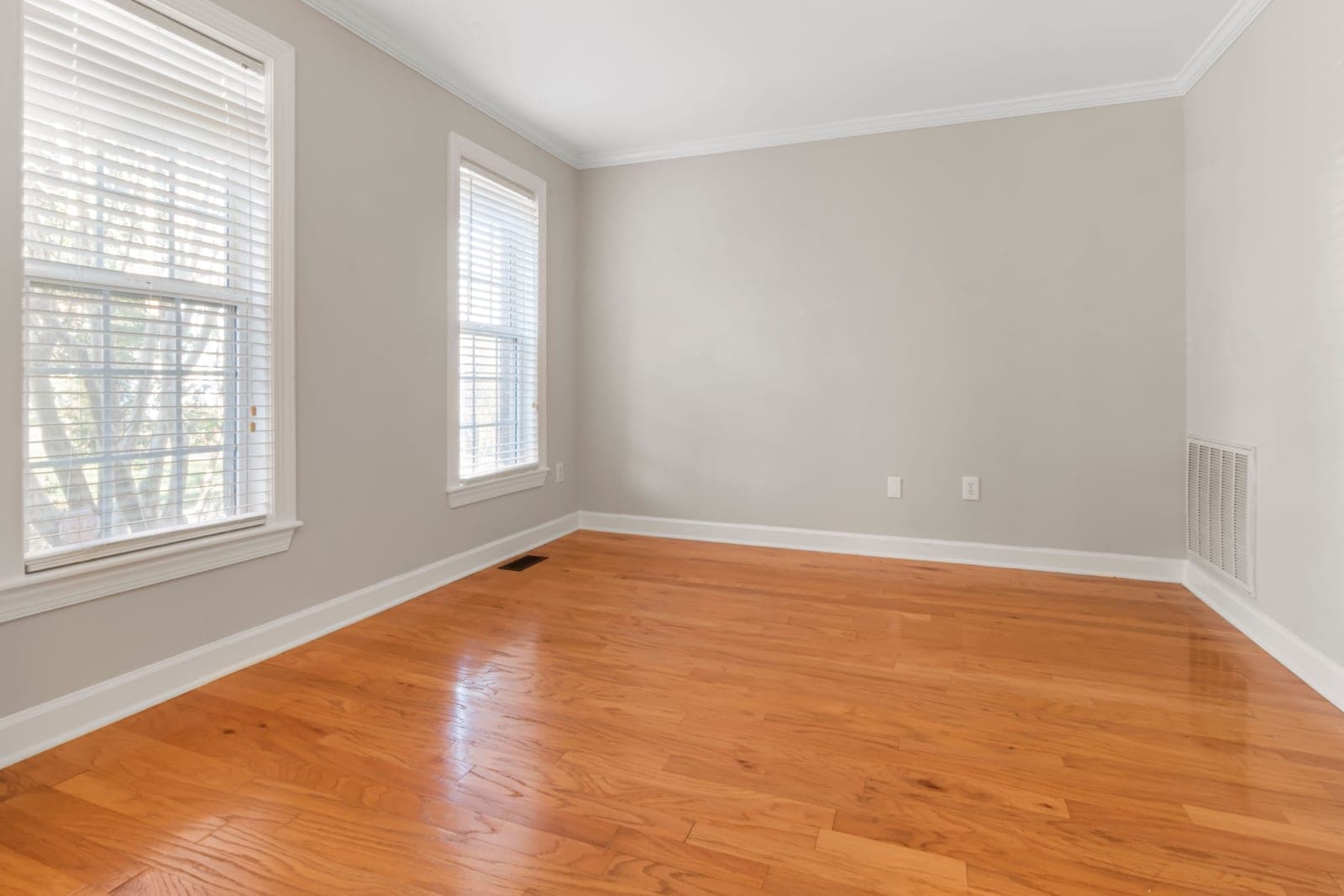
Best cellular shades
The best-insulating covering there is — and why the fit decides the result.
Compare
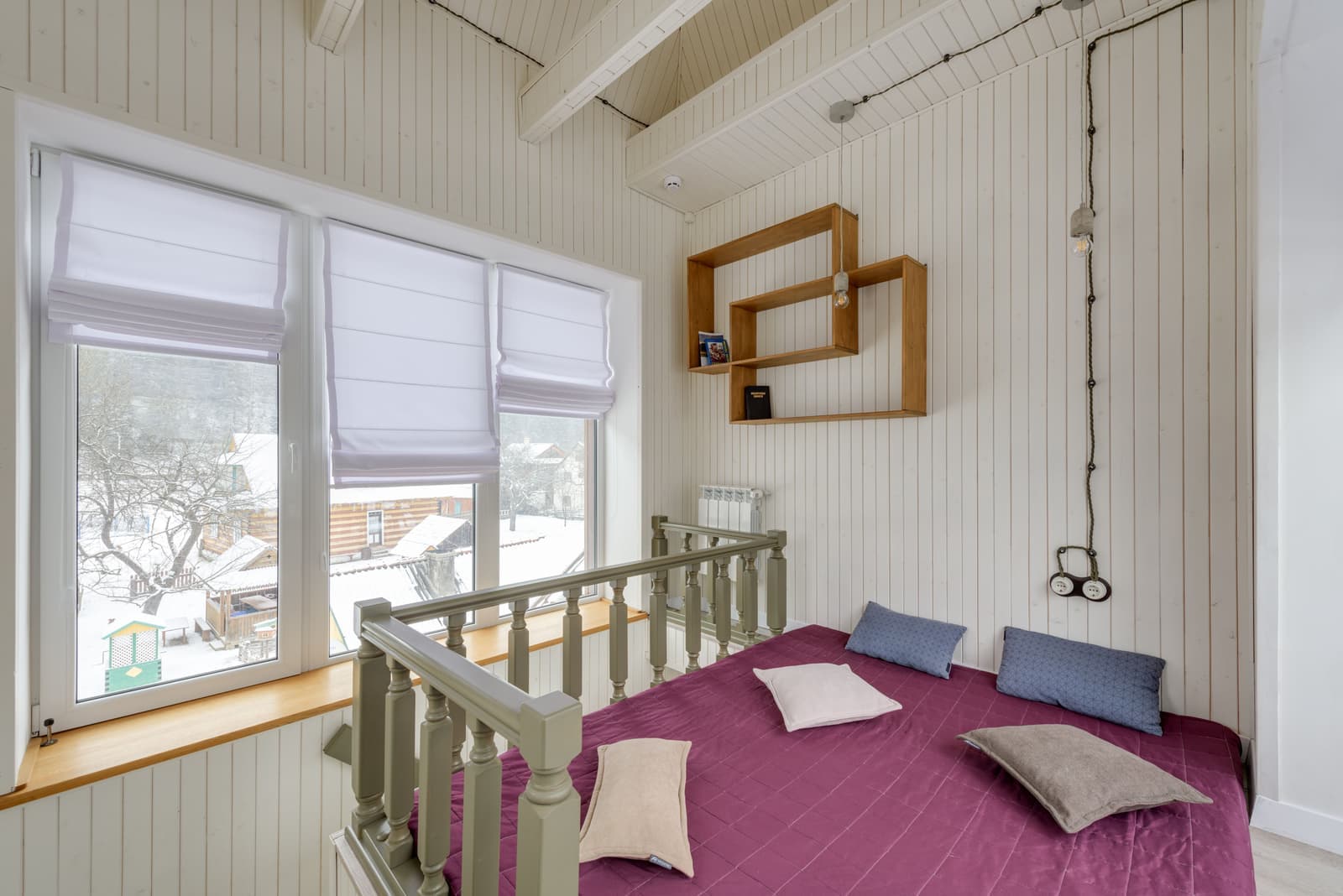
Best window blinds
The only covering you can aim — which material suits which room.
Drafts
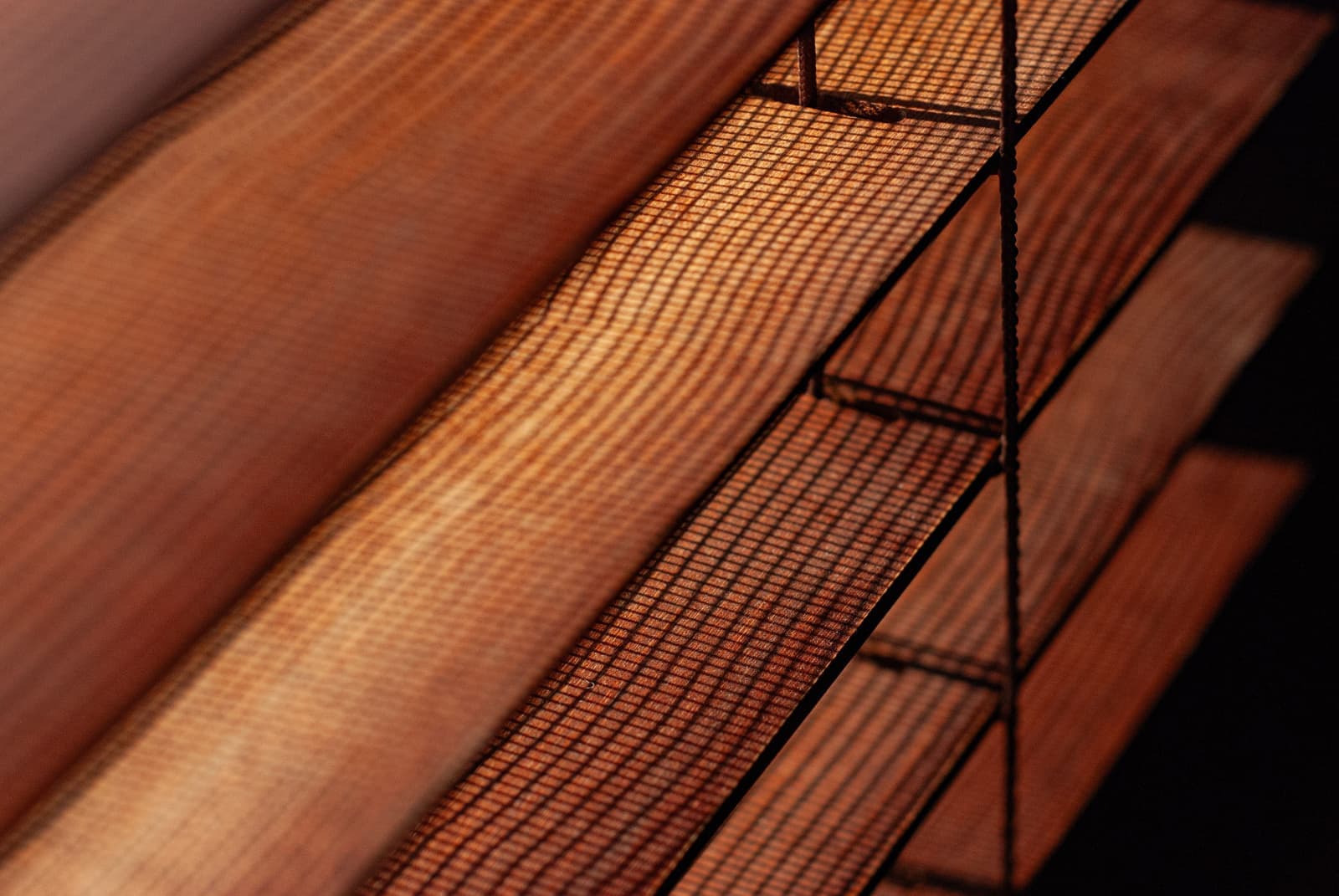
Best insulated cellular shades
The strongest thermal performer in window coverings — if you measure the fit properly.
Compare
Blinds vs shades
Slats that tilt or one piece that raises — everything else follows.

Privacy
Top down bottom up vs standard shades
Cover the half people see through, keep the half that gives you daylight.
About the author
Janet H.
Janet H. is the owner of Janet Media Group and the person behind Drape & Dawn. She researches every pick against the site's published methodology.
Published by Janet Media Group · Last updated September 23, 2026