Roundup
Best cordless blackout shades
Cordless is standard now. Five blackout shades sorted by how they fix and how much light each one still lets past.
By Janet H. · Last updated October 10, 2026 · How we choose
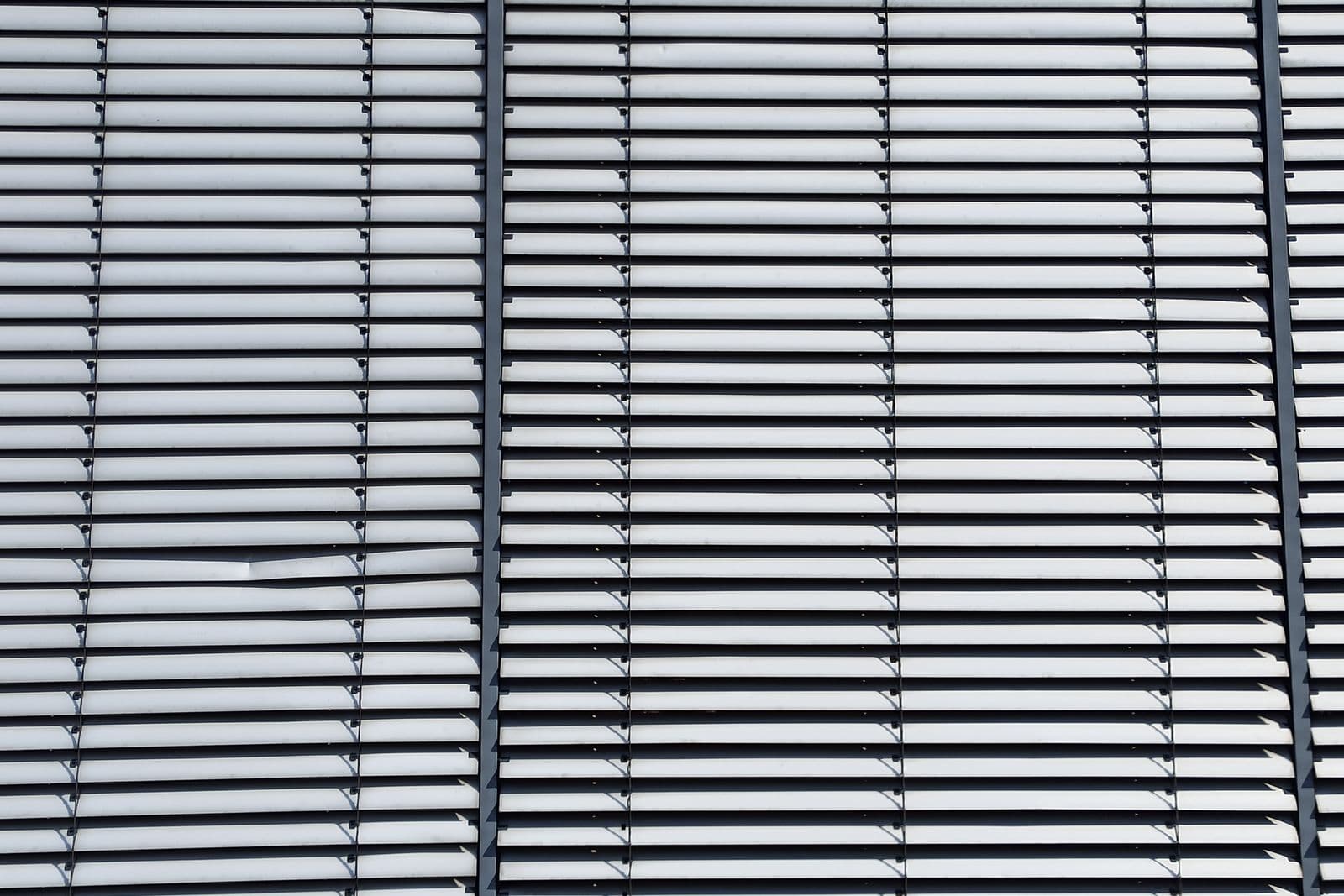
The best cordless blackout shade for most windows is a blackout honeycomb cellular shade — the SBARTAR Cordless Blackout Honeycomb Cellular Shades are the pick — because it is the only construction here that darkens and insulates at the same time. If you cannot drill, the LazBlinds no-drill cordless cellular shade does the same job on tension brackets.
Cordless is no longer a premium feature: looped operating cords have been engineered out of mainstream US retail window coverings on child-safety grounds, so the real question is not whether to buy cordless but which cordless construction — and they differ far more than the marketing suggests, mostly in how much light still gets past the edges.
Drape & Dawn earns a commission from qualifying purchases made through links on this page, at no extra cost to you. It does not change what we recommend. Full disclosure.
Before the list
What cordless actually means
A true cordless shade has no operating cord at all: you raise and lower it by pushing the bottom rail, and it holds position wherever you stop. That is different from a continuous-loop chain, which is still a loop, and different from a corded shade whose cord has been tidied onto a cleat. All the picks below are the first kind.
The trade is mechanical. A cordless lift uses a spring or a friction mechanism inside the headrail, and that mechanism is the part that wears: the recurring complaint across the whole category is a shade that slowly stops holding at the top after a few years. It is also harder to operate a very wide or very tall cordless shade one-handed, because you are lifting the whole weight of the fabric.
| # | Best for | Product | Construction | Insulates | Fixing | Price |
|---|---|---|---|---|---|---|
| 1 | Best overall | 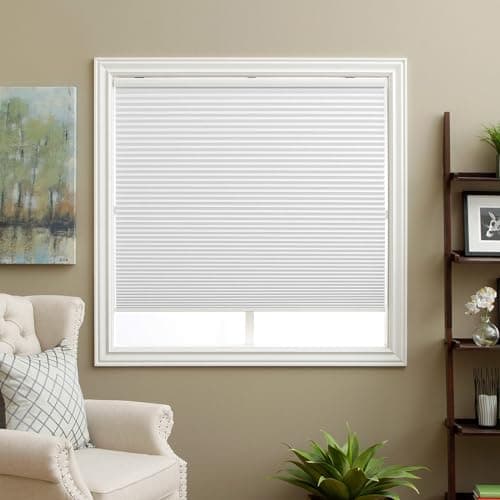 Most windows that need to be dark — bedrooms, nurseries, media rooms — and any of those where the glass is also cold. | Blackout honeycomb cellular | Yes, trapped air | Brackets, inside or outside | $57.99 · View on Amazon #ad Price as of November 3, 2026, and it can change. How we’re funded |
| 2 | Best for a shallow recess | 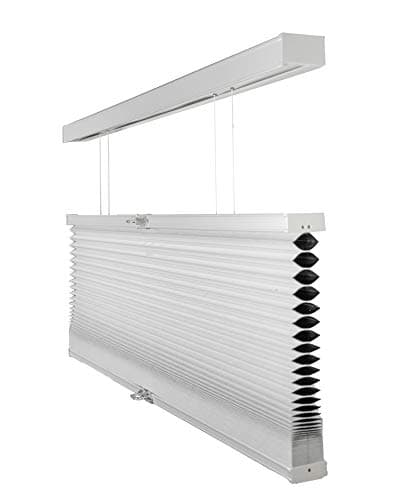 Windows where a double-cell headrail will not fit, and anyone who wants the cellular benefits in the least obtrusive form. | Single-cell blackout cellular | Yes, modestly | Brackets, inside or outside | $150.28 · View on Amazon #ad Price as of November 3, 2026, and it can change. How we’re funded |
| 3 | Best no-drill | 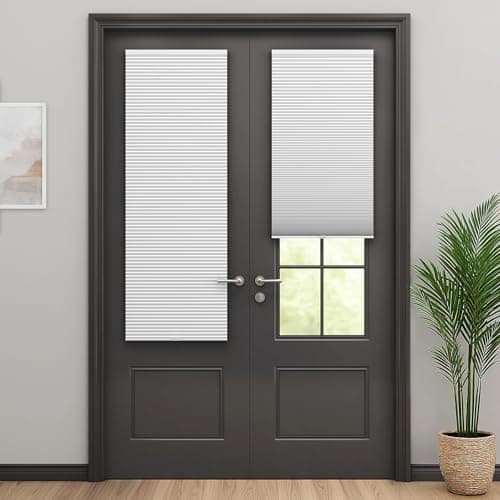 Renters, and anyone covering a door light, a sidelight or a narrow window where drilling is not an option. | Cordless cellular | Yes | Tension brackets, no drilling | $43.26 · View on Amazon #ad Price as of November 3, 2026, and it can change. How we’re funded |
| 4 | Best looking | 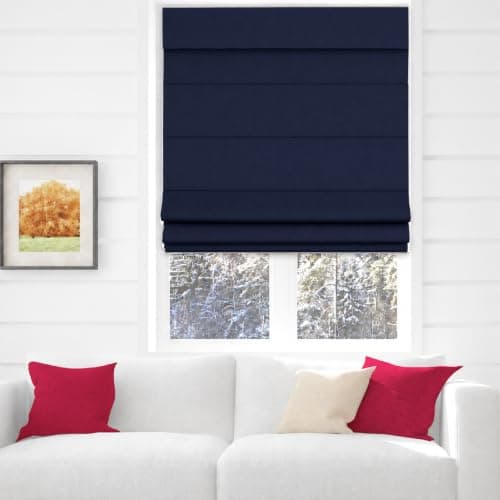 A living room, dining room or bedroom where appearance is weighted above the last ten per cent of darkness. | Lined fabric roman | Modestly, via lining | Brackets, inside mount | $46.99 · View on Amazon #ad Price as of November 3, 2026, and it can change. How we’re funded |
| 5 | Best temporary | 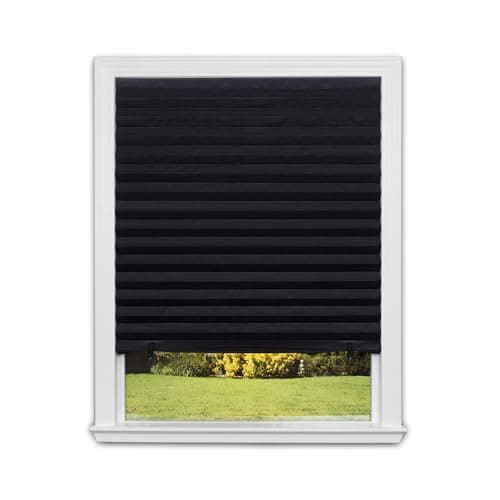 A first week in a new flat, a spare room, a nursery before you commit, or any window where the shade is disposable by design. | Pleated blackout paper | Barely | Adhesive clips, no tools | $29.97 · View on Amazon #ad Price as of November 3, 2026, and it can change. How we’re funded |
01 — Best overall
Cordless Blackout Honeycomb Cellular Shades
SBARTAR
A cordless blackout honeycomb: blackout fabric formed into cells that trap still air against the glass, so the same shade darkens the room and slows heat moving through the pane. Raises by hand and holds wherever you stop it.
Who it’s for: Most windows that need to be dark — bedrooms, nurseries, media rooms — and any of those where the glass is also cold.
The catch: The cells collect dust and cannot be washed, only vacuumed or spot cleaned, and the lift mechanism is the long-term wear point on every cordless shade.
At a glance
- Construction
- Blackout honeycomb cellular
- Insulates
- Yes, trapped air
- Fixing
- Brackets, inside or outside
- Operation
- True cordless
- Care
- Vacuum, spot clean
#ad Price as of November 3, 2026, and it can change. How we’re funded
02 — Best for a shallow recess
Blackout Cellular Shades, cordless
CHICOLOGY
A single-cell cordless blackout cellular shade with a slim headrail, which is the practical difference that matters on a shallow recess or a window with a handle sitting proud of the frame.
Who it’s for: Windows where a double-cell headrail will not fit, and anyone who wants the cellular benefits in the least obtrusive form.
The catch: A single cell insulates less than a double, and the slimmer stack means the fabric is thinner, so the margin over a plain room-darkening shade is narrower than the label suggests.
At a glance
- Construction
- Single-cell blackout cellular
- Insulates
- Yes, modestly
- Fixing
- Brackets, inside or outside
- Operation
- True cordless
- Care
- Vacuum, spot clean
#ad Price as of November 3, 2026, and it can change. How we’re funded
03 — Best no-drill
No Drill Cordless Cellular Shades for Doors
LazBlinds
A cordless cellular shade on tension brackets that clamp into the recess rather than screwing to it — no holes, nothing to make good, and the shade comes with you when the lease ends. Originally sold for door glass, which is why the sizes run narrow and tall.
Who it’s for: Renters, and anyone covering a door light, a sidelight or a narrow window where drilling is not an option.
The catch: Tension fixing needs a square recess with enough depth and grip, and it will not hold a wide or heavy shade. On an uneven opening it works loose over time.
At a glance
- Construction
- Cordless cellular
- Insulates
- Yes
- Fixing
- Tension brackets, no drilling
- Operation
- True cordless
- Care
- Vacuum, spot clean
#ad Price as of November 3, 2026, and it can change. How we’re funded
04 — Best looking
Thermal Room Darkening Fabric Roman Shades
Arlo Blinds
A cordless fabric roman with a thermal room-darkening lining that folds into soft horizontal pleats as it rises — the look of drapery in a window that has no space for a curtain to stack beside.
Who it’s for: A living room, dining room or bedroom where appearance is weighted above the last ten per cent of darkness.
The catch: Room darkening rather than blackout, and the folded stack sits lower than a rolled or cellular shade, so part of the glass stays covered even fully raised.
At a glance
- Construction
- Lined fabric roman
- Insulates
- Modestly, via lining
- Fixing
- Brackets, inside mount
- Operation
- True cordless
- Care
- Dust, spot clean
#ad Price as of November 3, 2026, and it can change. How we’re funded
05 — Best temporary
No Tools Original Blackout Pleated Paper Shade
Redi Shade
A pleated blackout paper shade that cuts to width with household scissors and sticks to the frame with adhesive clips. Because it fixes to the frame face rather than hanging inside the recess, the edge leakage is often smaller than a bracketed shade's.
Who it’s for: A first week in a new flat, a spare room, a nursery before you commit, or any window where the shade is disposable by design.
The catch: Paper. It will not survive years of raising and lowering, it tears easily, and the adhesive can lift paint from a frame when it comes off.
At a glance
- Construction
- Pleated blackout paper
- Insulates
- Barely
- Fixing
- Adhesive clips, no tools
- Operation
- Cordless, hand-raised
- Care
- Replace when damaged
#ad Price as of November 3, 2026, and it can change. How we’re funded
Buying guide
How to choose between the constructions
Cellular, for darkness plus warmth
A honeycomb cell traps a layer of still air against the glass, so a blackout cellular shade is doing two jobs: blocking light across its face and insulating the pane. Single cell is thinner and fits shallower recesses; double cell insulates more and needs more depth. This is the default unless something specific rules it out — and the detail is in best blackout cellular shades.
Roller, for a flat modern look
A blackout roller is a single coated sheet on a tube. It gives the cleanest flat face of anything here and the smallest stack when raised, and it wipes clean rather than collecting dust in cells. It does no insulating at all, and because the fabric has to clear the brackets there is a slightly larger side gap than on a cellular shade of the same width.
Roman, for softness
A lined fabric roman folds into soft horizontal pleats as it rises, bringing the look of a curtain to a window with no room for one. It is the best-looking option in this list and the worst-performing on darkness, because the lining is usually room-darkening rather than blackout and the folded stack covers part of the glass even fully raised.
No-drill, for rentals
Tension-bracket shades clamp into the recess with no screws, so nothing is drilled and nothing has to be made good at the end of a lease. They are limited to windows with a square, deep enough recess and enough grip, and they will not hold a very wide or heavy shade — but within those limits they are the full product, not a compromise. More options in best no-drill blinds and shades.
Methodology
How we chose
Selected on operating mechanism — true cordless only — then on how much light the construction leaves at its edges, then on fit tolerances and fixing method. Based on published construction and materials and on the failure patterns owners report, chiefly lift mechanisms that stop holding and headrails that will not sit in a shallow recess. No lab testing and no light-blocking figure of our own. Criteria on the methodology page.
FAQ
Questions people actually ask
What are the best cordless blackout shades?
A blackout honeycomb cellular shade for most windows — it is the only construction that darkens and insulates at the same time. A blackout roller if you want the flattest, most wipeable face, and a no-drill tension-bracket cellular shade if you cannot make holes.
Do cordless blackout shades block all the light?
The fabric does; the installation does not. A shade sits inside or just over the opening, so there is always a gap at the sides and above the headrail, and on a sunny day that shows as a bright outline. Outside-mounting the shade or adding a blackout curtain over it is what closes those edges.
Why are blackout shades cordless now?
Because looped operating cords are a strangulation hazard for young children, and mainstream US retail window coverings have been engineered to remove them. Cordless is the default rather than an upgrade, which is why price differences between corded and cordless have largely disappeared.
Do cordless shades wear out?
The lift mechanism is the wear point. A cordless shade uses a spring or friction system in the headrail, and the recurring long-term complaint across the category is a shade that gradually stops holding position at the top. Wider and taller shades, which carry more fabric weight, reach that point sooner.
Cellular or roller for a blackout shade?
Cellular if the window is also cold, because the honeycomb traps still air and insulates. Roller if you want the flattest look, the smallest stack and a face you can wipe rather than vacuum. Roller does no thermal work at all.
Keep going
Read next
Blackout
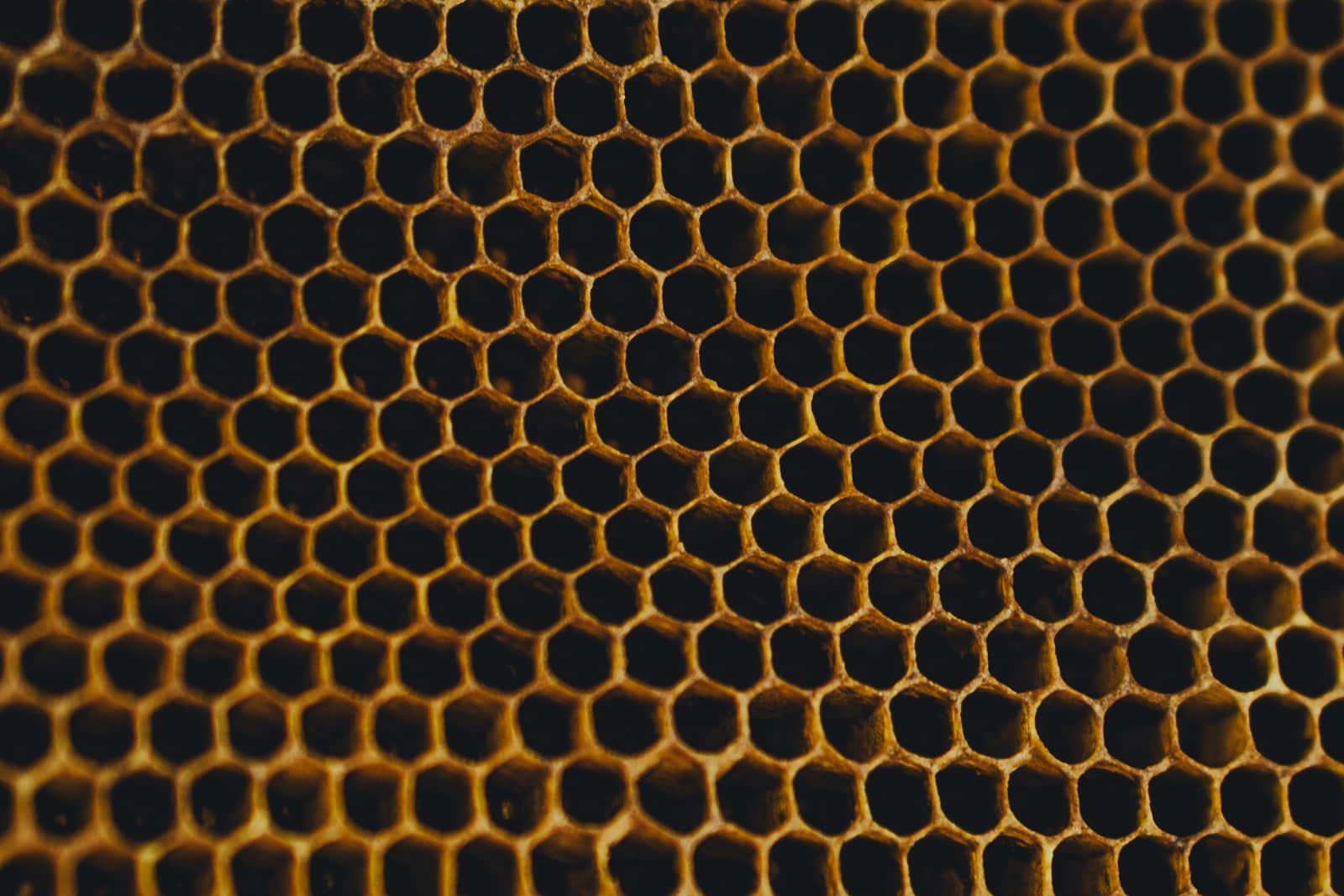
Best blackout cellular shades
Honeycomb shades that darken and insulate together, and how to fit them so they do both.
Blackout
Best blackout shades for a nursery
Cordless nursery shades for 2pm naps, and the side-gap problem nobody mentions.
Compare
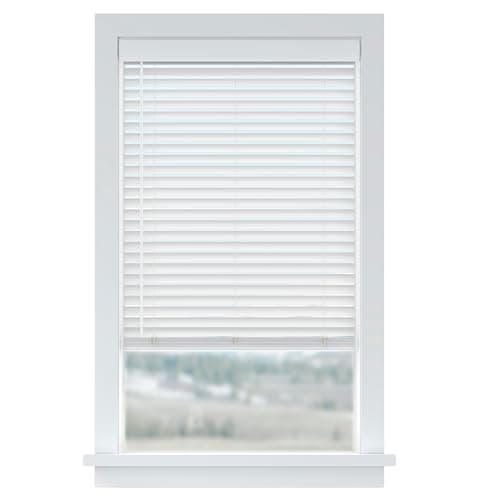
Are cordless blinds worth it?
Why cordless became standard, what the lift mechanism trades away, and when corded still wins.
Renter-Friendly
Best no-drill blinds and shades
Cut-to-size shades that clip in with no tools — plus how long each one really lasts.
Rods & Mounting
How to fix cordless blinds
Three faults, three fixes — most take ten minutes and no tools.
Rooms
Best blinds for a bedroom
Bedroom blinds for darkness, warmth and privacy, and why one alone rarely gets you dark.
About the author
Janet H.
Janet H. is the owner of Janet Media Group and the person behind Drape & Dawn. She researches every pick against the site's published methodology.
Published by Janet Media Group · Last updated October 10, 2026