Buying guide
Are cordless blinds worth it?
Cordless is the default on US retail blinds now, for a child-safety reason. What that costs you mechanically, and when it still does not suit.
By Janet H. · Last updated October 10, 2026 · How we choose
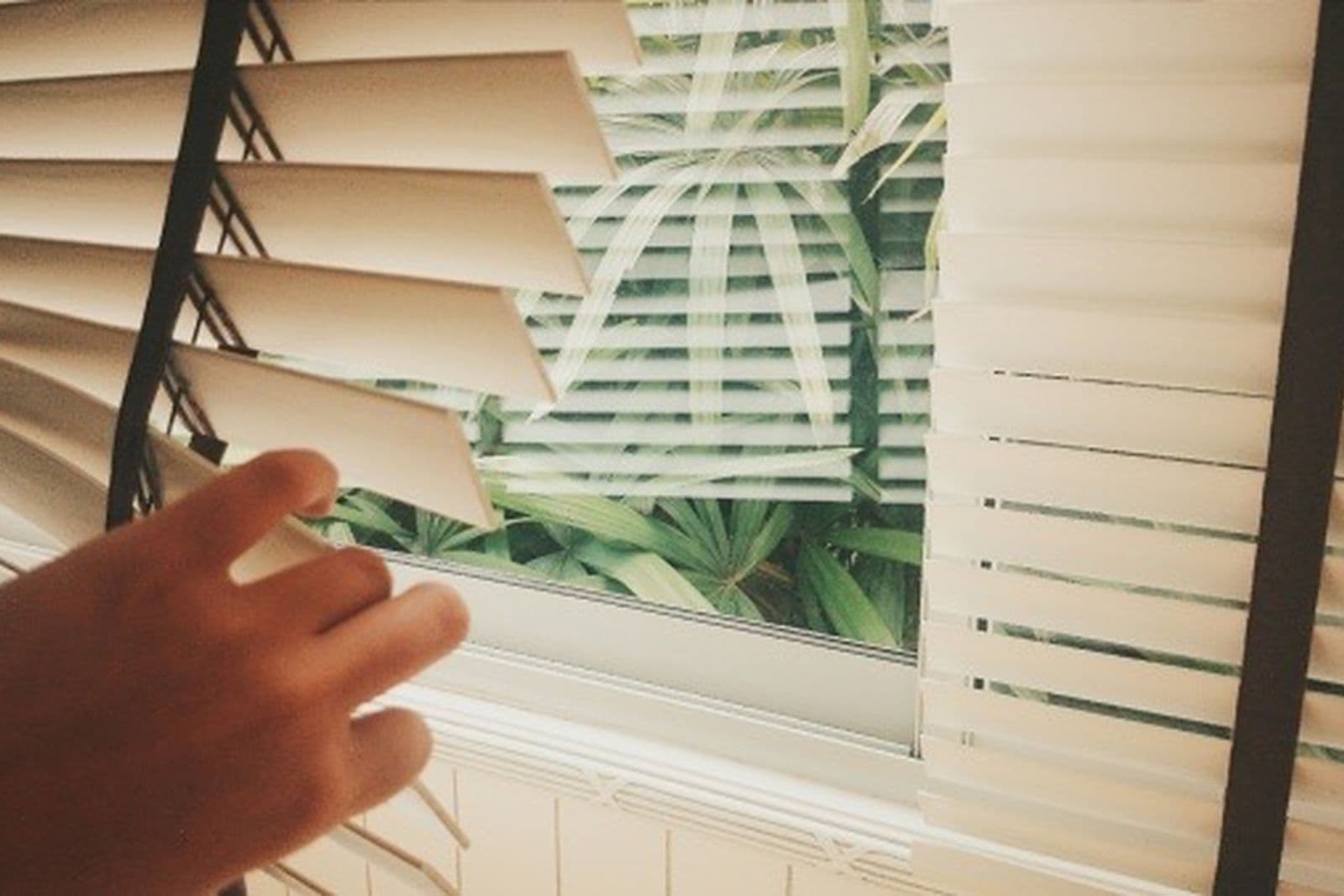
Yes — for any home with children or pets, and for most homes without, because the price gap has largely closed and the safety case is not arguable. The real trade is mechanical rather than financial: a cordless lift has a spring or friction mechanism inside the headrail, and that mechanism is the part that eventually stops holding position.
Cordless is not a premium upgrade any more. Looped operating cords on window coverings have been engineered out of mainstream US retail stock on child-safety grounds, which is why the cordless version of a blind often costs the same as the corded one did and why a corded blind is now the harder thing to find.
Drape & Dawn earns a commission from qualifying purchases made through links on this page, at no extra cost to you. It does not change what we recommend. Full disclosure.
Definitions that matter
What cordless actually means
Three things get called cordless and only one of them is. True cordless: no operating cord at all — you raise and lower the blind by pushing the bottom rail, and an internal spring or friction brake holds it where you stop. Continuous loop: a chain or cord loop that drives the mechanism. That is not cordless, it is a loop, and it is the thing being designed out. Corded with a cleat: a conventional lift cord secured to a wall cleat. That is a corded blind with a safety accessory.
There is also motorized, which is cordless by definition and solves the reach problem on a tall or awkward window at a considerably higher price, with a battery or a wire to think about.
The case for
What you gain
- No loop a child or pet can reach. This is the entire reason the category exists, and it is why cordless is standard in nurseries and children's rooms rather than optional.
- A cleaner window. Nothing hanging down one side, which on a wide window or a run of several windows is a visible difference.
- Nothing to get wet or mildew. In a bathroom or over a kitchen sink, a cord is the part that stays damp and goes moldy first.
- One-handed operation. Push the rail up, pull it down, let go. No finding a cord, no unwinding a cleat.
- No cord to fray or jam. The commonest failure on an old corded blind is the lift cord itself, and it is not an easy repair.
The case against
What you give up
- A mechanism that wears. The spring or friction brake gradually loses its grip, and the blind starts creeping down from the top. It is the defining long-term complaint about cordless and it has no simple fix.
- Effort on a big blind. You are lifting the whole fabric weight by hand, so a wide faux wood or a tall cellular shade is a two-handed job and uncomfortable over a counter.
- Reach on a tall window. With a cord you pull from standing height. Cordless means reaching the bottom rail, which on a stairwell or a window above furniture may mean a stool.
- Repair options. A worn cord can sometimes be replaced; a failed internal lift mechanism usually cannot, which makes the whole blind consumable.
The exceptions
When corded still makes sense
Genuinely rare, and worth naming honestly: a very tall or very wide blind in a room with no children, where the fabric weight makes hand-lifting impractical and motorizing is out of budget. Also an existing corded blind in good condition in an adults-only room — replacing a working blind on principle is waste, not safety. In that case secure the cord on a cleat mounted high on the wall, out of reach, and keep it there.
What is not an exception is a child's room, a nursery or any room a toddler is in unsupervised. There, a corded blind is a hazard rather than a trade-off, and the answer is replacement — see best blackout shades for a nursery.
The third option
Where motorized fits
Motorized blinds are cordless by definition and they solve the one thing hand-lift cordless does badly: a window you cannot comfortably reach. A stairwell, a window above a built-in bench, a run of six windows you would otherwise operate individually. Battery units need charging or a battery change once or twice a year; wired units need a power source near the headrail, which usually means planning it before the plaster goes on.
What they do not fix is durability. A motor and a battery are two more things that fail, and when they do the blind stops moving entirely rather than slowly losing grip. For a window you can reach, the hand-lift version is simpler and cheaper and will outlast the electronics.
The price question
What it actually costs now
On stock retail blinds the cordless premium has largely disappeared, because cordless is what gets made. You will still see a gap on made-to-measure and on specialist sizes, and on very wide blinds, where a cordless mechanism has to be specified for the fabric weight. Motorized is a genuine step up in price, often several times the hand-lift version of the same blind.
Against that, set the replacement cost of a blind whose lift mechanism eventually fails. A cheap vinyl cordless blind is inexpensive enough to treat as consumable; a wide faux wood one is not, and on that size it is worth checking what the warranty says about the mechanism specifically rather than about the slats.
Before you replace it
If a cordless blind stops holding
A cordless blind that creeps down is usually either out of balance — the mechanism tensioned for a different fabric weight after a trim — or jammed with dust in the brake. Both are sometimes recoverable. The sequence to try before buying another one is in how to fix cordless blinds.
What to buy
Cordless blinds and shades we would buy
| # | Best for | Product | Type | Lift | Best for | Price |
|---|---|---|---|---|---|---|
| 1 | Best cordless blind | 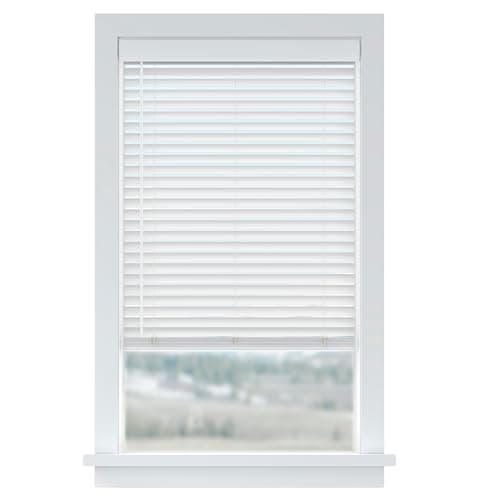 The default cordless venetian for a living room, kitchen, bathroom or home office of ordinary size. | Faux wood venetian | True cordless | Most rooms, wet rooms | $59.99 · View on Amazon #ad Price as of November 3, 2026, and it can change. How we’re funded |
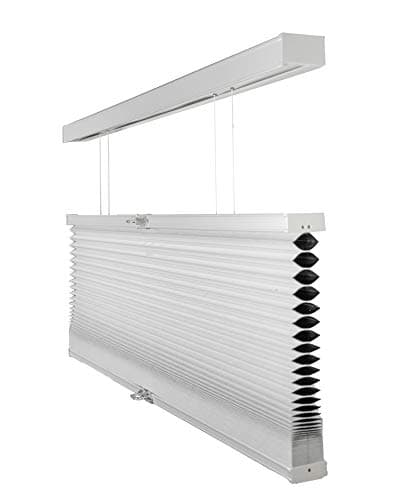
| 2 | Best cordless blackout shade | 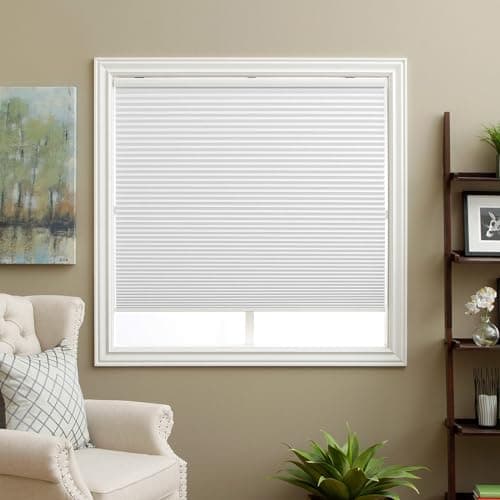 Bedrooms and nurseries, where cord safety and darkness are both requirements. | Blackout cellular shade | True cordless | Bedrooms, nurseries | $57.99 · View on Amazon #ad Price as of November 3, 2026, and it can change. How we’re funded |
| 3 | Best cheap cordless |  Replacing an inherited corded blind in a rental, a utility room or a child's room where budget is the constraint. | Vinyl mini blind | True cordless | Rentals, utility, budget swaps | $17.28 · View on Amazon #ad Price as of November 3, 2026, and it can change. How we’re funded |
01 — Best cordless blind
Basics Cordless Faux Wood Blinds, 2" routeless slats
LEVOLOR
Two-inch faux wood on a cordless lift, with routeless slats so there are no cord holes punched through the slat faces. The composite core is unbothered by humidity and the whole blind wipes clean.
Who it’s for: The default cordless venetian for a living room, kitchen, bathroom or home office of ordinary size.
The catch: Faux wood is heavy, so a wide one is a two-handed lift — which is exactly where the cordless mechanism is working hardest and wears soonest.
At a glance
- Type
- Faux wood venetian
- Lift
- True cordless
- Best for
- Most rooms, wet rooms
- Mount
- Inside or outside
- Care
- Wipe monthly
#ad Price as of November 3, 2026, and it can change. How we’re funded
02 — Best cordless blackout shade
Cordless Blackout Honeycomb Cellular Shades
SBARTAR
A cordless blackout honeycomb that darkens and insulates at once — the cell structure traps still air against the glass. Light enough that the hand-lift is genuinely one-handed at normal window sizes.
Who it’s for: Bedrooms and nurseries, where cord safety and darkness are both requirements.
The catch: Blackout fabric does not stop the side gaps every recess-mounted shade has, and the cells cannot be washed, only vacuumed.
At a glance
- Type
- Blackout cellular shade
- Lift
- True cordless
- Best for
- Bedrooms, nurseries
- Mount
- Inside or outside
- Care
- Vacuum, spot clean
#ad Price as of November 3, 2026, and it can change. How we’re funded
03 — Best cheap cordless
Cordless room darkening vinyl blinds
Achim
Plain cordless vinyl mini blinds — the cheapest way to get a corded blind out of a room, light enough to lift with two fingers, and non-porous so a damp room does not bother it.
Who it’s for: Replacing an inherited corded blind in a rental, a utility room or a child's room where budget is the constraint.
The catch: Thin vinyl slats kink permanently if knocked and bow in the middle on a wide window. It looks like what it costs.
At a glance
- Type
- Vinyl mini blind
- Lift
- True cordless
- Best for
- Rentals, utility, budget swaps
- Mount
- Inside or outside
- Care
- Wipe or wash
#ad Price as of November 3, 2026, and it can change. How we’re funded
The version with a motor instead of a spring
A motorized shade removes the cord without relying on a cordless spring, which is the part that eventually stops holding position. It costs several times as much and only makes sense on a window you cannot easily reach — best smart blinds has the detail.
FAQ
Questions people actually ask
Are cordless blinds worth the money?
Yes in almost every case, and the question is now largely historical — cordless is the default on mainstream US retail blinds, so the price gap over corded has mostly closed. The real trade is that the internal lift mechanism wears over years, where a cord can sometimes be replaced.
Are cordless blinds better than corded?
Safer, tidier and easier to operate one-handed, and there is no cord to fray, jam or mildew. Corded still has an edge on very large blinds, where pulling a cord beats hand-lifting the whole fabric weight, and on reach for a tall window.
Why are all blinds cordless now?
Because a looped operating cord within a child's reach is a strangulation hazard, and the industry engineered the loops out of mainstream retail stock rather than relying on households to fit cleats. It is the same reason cordless is standard rather than optional in nurseries.
Do cordless blinds break more easily?
They fail differently. The spring or friction brake in the headrail gradually loses grip and the blind starts creeping down from the top — the defining long-term complaint about the category. Wider and taller blinds carry more fabric weight and reach that point sooner.
Can you make a corded blind cordless?
Not practically — the lift mechanism is built into the headrail, so converting means replacing the working parts of the blind. The usual answers are to secure the existing cord on a cleat high out of reach as an interim measure, or to replace the blind, which cheap vinyl cordless units make inexpensive.
Keep going
Read next
Rods & Mounting
How to fix cordless blinds
Three faults, three fixes — most take ten minutes and no tools.
Blackout
Best cordless blackout shades
Cordless blackout shades ranked on real darkness, fixing method and what each gives up.
Blackout
Best blackout shades for a nursery
Cordless nursery shades for 2pm naps, and the side-gap problem nobody mentions.
Compare
Best window blinds
The only covering you can aim — which material suits which room.
Rooms
Best blinds for a bedroom
Bedroom blinds for darkness, warmth and privacy, and why one alone rarely gets you dark.
Rods & Mounting
How to measure for blinds
Six measurements in order, plus the rounding rules that differ for inside and outside mount.
About the author
Janet H.
Janet H. is the owner of Janet Media Group and the person behind Drape & Dawn. She researches every pick against the site's published methodology.
Published by Janet Media Group · Last updated October 10, 2026