Roundup
Best roller shades for glare
The one covering you can lower to exactly the height of the problem — and the openness number that decides everything else.
By Janet H. · Last updated September 23, 2026 · How we choose
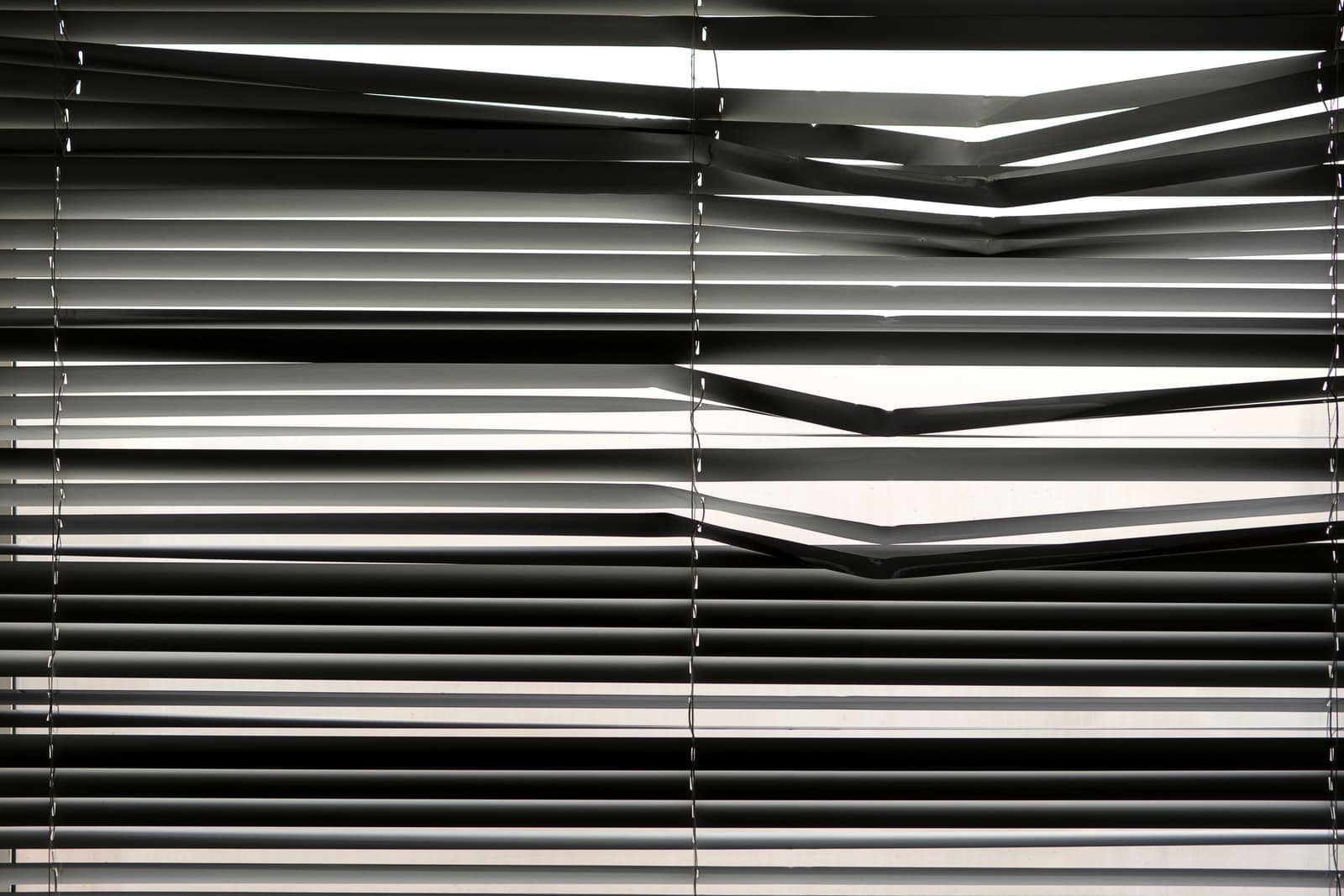
A roller shade is the right answer to glare for a reason most listings never mention: it pulls down from the top. Glare arrives at a specific height at a specific hour, so being able to cover the top third of the window and leave the rest clear is worth more than any fabric property. A curtain cannot do that. A blind can only approximate it by tilting.
The number that decides how a roller behaves is its openness factor — the percentage of the woven fabric that is actually holes. A 1% screen is nearly opaque in daylight; 5% cuts most glare while keeping a ghost of the view; 10% keeps a clear view and only takes the edge off. That figure is a far better guide than any description, and the good listings publish it.
Drape & Dawn earns a commission from qualifying purchases made through links on this page, at no extra cost to you. It does not change what we recommend. Full disclosure.
Before the list
Solar screen or blockout fabric
Roller shades come in two broad fabric families and they solve different problems. Solar screen is an open weave designed to reject solar heat and glare while letting you see out — it has an openness factor. Blockout or room-darkening fabric is a solid sheet with no openness at all; it covers the window completely and you see nothing through it.
For a glare problem you almost always want solar screen. Blockout roller shades are a blackout product that happens to roll, and if that is what you need, the blackout hub is the better starting point. The unhappy middle is buying a blockout roller for a glare problem and discovering the only two settings are "window" and "no window".
One more decision before the picks: fabric color changes what the screen does. A light-colored screen reflects more heat outward but produces more internal glare from the fabric itself. A dark screen absorbs more heat but gives a much sharper view through it and less veiling glare. For a screen you look through, dark generally wins; for pure heat rejection on a window you never look through, light wins.
| # | Best for | Product | Fabric | Operation | Fit | Price |
|---|---|---|---|---|---|---|
| 1 | Best overall | Deluxe Free-Stop Cordless Roller Shades The default for a living room or bedroom window with an afternoon glare problem, where you want to set the height by eye and leave it. | Light filtering | Cordless free-stop | Wide size range | Check price on Amazon #ad We don’t show prices — check the current one on Amazon. How we’re funded |
| 2 | Best for keeping the view | Snap-N-Glide Cordless Roller Shades A home office or living room where the window has a view worth keeping and the glare is only a problem for part of the day. | Solar screen | Cordless | Cut to size | Check price on Amazon #ad We don’t show prices — check the current one on Amazon. How we’re funded |
| 3 | Best for a window with two jobs | Everyday Cordless Zebra Shades A window that is a glare problem in the afternoon and a privacy problem at night — the combination a single-layer roller handles badly. | Dual layer sheer/opaque | Cordless | Stock and cut sizes | Check price on Amazon #ad We don’t show prices — check the current one on Amazon. How we’re funded |
| 4 | Best value zebra | Cordless Zebra Dual Roller Blinds Renters and anyone covering several windows at once, where the cost of custom shades across a whole room adds up quickly. | Dual layer sheer/opaque | Cordless | Stock sizes | Check price on Amazon #ad We don’t show prices — check the current one on Amazon. How we’re funded |
| 5 | Best for stopping heat outside | Outdoor Roller Shade with wand Rooms behind a patio door or a covered porch, where the glare is really a whole-wall-of-glass problem. | Knitted outdoor screen | Wand / cord, exterior | Stock sizes | Check price on Amazon #ad We don’t show prices — check the current one on Amazon. How we’re funded |
01 — Best overall
Deluxe Free-Stop Cordless Roller Shades
CHICOLOGY
A cordless free-stop roller: pull it to any height and it holds there, with no chain and nothing to tug. The light-filtering fabric diffuses a hard beam into ambient light, which is the mechanism that actually fixes glare rather than just dimming the room.
Who it’s for: The default for a living room or bedroom window with an afternoon glare problem, where you want to set the height by eye and leave it.
The catch: Light-filtering fabric is not a solar screen — it diffuses well but you cannot see out of it, so lowering it means losing the view rather than softening it.
At a glance
- Fabric
- Light filtering
- Operation
- Cordless free-stop
- Fit
- Wide size range
- View
- None when lowered
- Best mount
- Inside or outside
#ad We don’t show prices — check the current one on Amazon. How we’re funded
02 — Best for keeping the view
Snap-N-Glide Cordless Roller Shades
CHICOLOGY
A cordless roller available in solar-screen fabrics, which is the family with an openness factor — you keep a usable view through the weave while the screen strips out the glare and a share of the solar heat.
Who it’s for: A home office or living room where the window has a view worth keeping and the glare is only a problem for part of the day.
The catch: Solar screens reverse at night: once your lights are on, the weave shows the room clearly from outside. On a street-facing window you need a second layer for the evening.
At a glance
- Fabric
- Solar screen
- Operation
- Cordless
- Fit
- Cut to size
- View
- Partial, through the weave
- Best mount
- Inside
#ad We don’t show prices — check the current one on Amazon. How we’re funded
03 — Best for a window with two jobs
Everyday Cordless Zebra Shades
CHICOLOGY
A dual-layer roller with alternating sheer and opaque bands. Align the bands and light passes through the sheer sections; offset them and the opaque bands close the gap. One shade that slides between a filtered view and a covered window.
Who it’s for: A window that is a glare problem in the afternoon and a privacy problem at night — the combination a single-layer roller handles badly.
The catch: The dual fabric is bulkier on the tube, so the stack at the top is deeper, and the banding is visible as a stripe pattern whether or not you like the look.
At a glance
- Fabric
- Dual layer sheer/opaque
- Operation
- Cordless
- Fit
- Stock and cut sizes
- View
- Adjustable
- Best mount
- Inside
#ad We don’t show prices — check the current one on Amazon. How we’re funded
04 — Best value zebra
Cordless Zebra Dual Roller Blinds
LUCKUP
The same day-night dual-band idea at the affordable end, with a valance to hide the tube and a broad range of stock widths. For a room where you want to try the format before committing to made-to-measure, this is the sensible way in.
Who it’s for: Renters and anyone covering several windows at once, where the cost of custom shades across a whole room adds up quickly.
The catch: Stock sizing means the fit is approximate, and an approximate fit on a roller shows as an uneven gap down one side. Measure carefully and expect to mount outside the recess if your window is between sizes.
At a glance
- Fabric
- Dual layer sheer/opaque
- Operation
- Cordless
- Fit
- Stock sizes
- View
- Adjustable
- Best mount
- Inside or outside
#ad We don’t show prices — check the current one on Amazon. How we’re funded
05 — Best for stopping heat outside
Outdoor Roller Shade with wand
Coolaroo
An exterior shade for a patio, porch or pergola, in a knitted fabric the manufacturer rates at up to 90% UV block. Because it stops sun before the glass, it removes heat and glare from a room far more effectively than any interior covering on the same window.
Who it’s for: Rooms behind a patio door or a covered porch, where the glare is really a whole-wall-of-glass problem.
The catch: It is an outdoor product and needs somewhere outdoors to mount — a soffit, a beam, a pergola. It also has to be rolled up in high wind, so it wants some attention rather than being fitted and forgotten.
At a glance
- Fabric
- Knitted outdoor screen
- Operation
- Wand / cord, exterior
- Fit
- Stock sizes
- View
- Partial, through the weave
- Best mount
- Exterior only
#ad We don’t show prices — check the current one on Amazon. How we’re funded
Buying guide
What actually matters
Cordless, continuous loop, or free-stop
Cordless is safest around children and the industry default now. Free-stop mechanisms let you pull the shade to any height and it stays, which is exactly what you want for glare — you are constantly adjusting to where the sun is. Spring-roller mechanisms that snap back to fixed positions are frustrating for this use. Continuous-loop chains give precise control on big, heavy shades but reintroduce a cord, so keep them out of children's rooms.
Inside mount is fine here
Glare is the one problem where the light gap at the edges of an inside-mounted shade costs you nothing — you are not chasing darkness. That makes rollers the easiest category to fit, and it is why they work so well in rentals: a cut-to-size roller inside the recess needs no wall fixings at all. Check the recess depth against the listing before ordering; a roller's tube needs more clearance than people expect.
Width, and the light gap that does matter
A roller shade's fabric is always narrower than its stated width, because the brackets and tube take up room — typically around an inch in total. On an inside mount that means a visible gap at each side. If the glare is a narrow low beam coming through exactly that gap, an outside mount solves it. See inside mount vs outside mount.
Outdoor is a different product
Exterior roller shades for a patio or porch stop solar heat before it reaches the glass, which is fundamentally more effective than anything indoors. They are built from different material and mounted differently — covered separately in outdoor and patio roller shades.
Methodology
How we chose
Selection is on published fabric type and openness factor where the manufacturer states it, on lift mechanism, and on size range — particularly whether a product is available cut to size rather than only in stock widths. We do not measure light transmission ourselves and we do not quote a figure as if we had. Methodology.
FAQ
Questions people actually ask
What openness factor should I choose for a roller shade?
3% or 5% for a work screen — enough to kill the glare while keeping some view. 10% if you mainly want to take the edge off and keep the window clear. Below 3% you have effectively bought a room-darkening shade with a different name.
Do roller shades block heat?
Solar screen fabric does, meaningfully, because it is designed to reject a share of solar radiation. Plain light-filtering fabric does much less. And any interior shade works less well than an exterior one, because by the time the sun reaches an interior shade it is already through the glass.
Can you see through roller shades at night?
Through a solar screen, yes — once your lights are on and it is dark outside, the brightness difference reverses and the weave shows the room clearly. Light-filtering and blockout fabrics do not have this problem because they have no openness.
Roller shade or cellular shade?
Roller if you want to keep any view or need a specific height set; cellular if insulation matters more and you are happy for the covering to be opaque. Full comparison in roller shades vs cellular shades.
Will a roller shade fit inside my window recess?
Check the depth, not just the width — the tube and brackets need more clearance than people expect, and the required figure is on the listing. If the recess is shallow, mount outside the frame instead; for glare, an outside mount costs you nothing.
Sources
What we referenced
Keep going
Read next
Glare
Roller shades vs cellular shades
Keep the view or keep the heat — the one trade-off that decides between them.
Glare
Outdoor and patio roller shades
Stop the sun before it reaches the glass — mounting, wind and realistic expectations.

Glare
How to stop screen glare from windows
Diagnose reflected versus veiling glare, then fix it — starting with the free option.

Compare
Best cellular shades
The best-insulating covering there is — and why the fit decides the result.
Rooms
Window treatments for a living room
Glare, evening privacy and a big opening — handled with two light layers, not one heavy one.
About the author
Janet H.
Janet H. is the owner of Janet Media Group and the person behind Drape & Dawn. She researches every pick against the site's published methodology.
Published by Janet Media Group · Last updated September 23, 2026