Room
Window treatments for a living room
The room people decorate instead of diagnosing. Usually it needs two light layers, not one heavy one.
By Janet H. · Last updated September 23, 2026 · How we choose
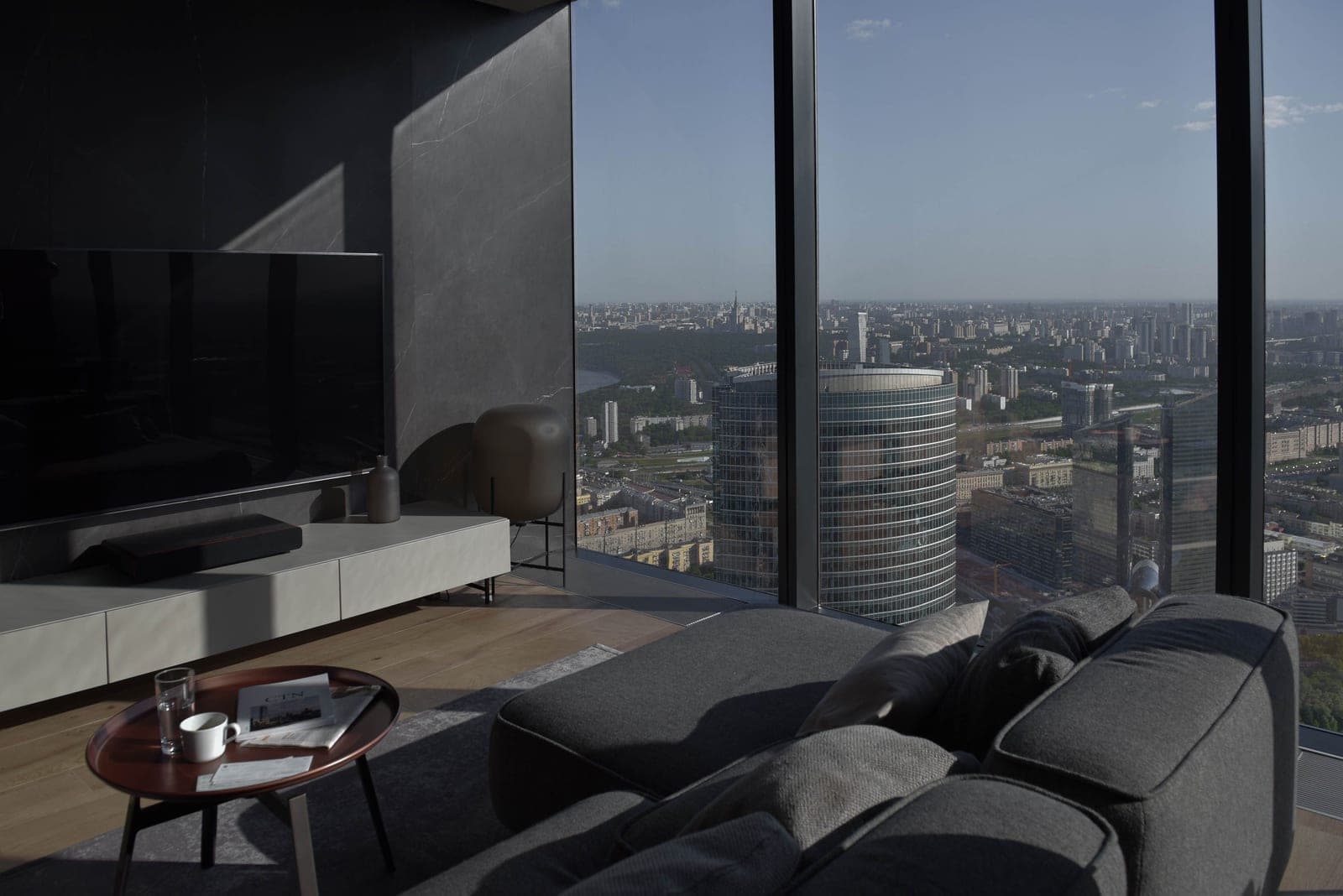
The living room is the most over-bought room in the house. It is the room people decorate rather than diagnose, so it often ends up with heavy lined panels solving a problem that a sheer and a roller shade would have handled for less — while keeping the daylight everybody actually wanted.
Three things usually need solving here, and none of them calls for a dark room: glare on a screen or in your eyes in the afternoon, privacy in the evening, and covering an opening that is often large or oddly shaped.
Drape & Dawn earns a commission from qualifying purchases made through links on this page, at no extra cost to you. It does not change what we recommend. Full disclosure.
Glare
Problem one — afternoon glare
Two distinct complaints hide under one word. A reflection on the TV is the window's image sitting on the screen — check with the set off and you will see it. General harshness is a bright window overwhelming everything else in view.
A reflection is a geometry problem: cover the band of window that reflects, usually the upper part, with a roller or top-down shade lowered to that height. General harshness is a diffusion problem: sheers across the whole window scatter the light and often make the room feel brighter, not darker. See best curtains for TV glare and best sheer curtains.
Privacy
Problem two — being visible in the evening
Sheers and light-filtering shades give daytime privacy and none at all once your lamps are on — the brightness difference reverses and silhouettes show clearly. Most living rooms need something opaque for the evening, which is what curtains are for here.
If the room is at street level, a top-down bottom-up shade is worth serious consideration: it covers the lower window, where people can see through, and leaves the daylight above. It is the difference between a room with the blinds shut all day and one that stays bright. Top down bottom up vs standard shades.
Scale
Problem three — the opening is big
Living-room windows are often wide, sometimes a bay, sometimes a wall of glass onto a patio. Two practical consequences: you need more panel width than you think — combined panel width of at least twice the opening — and you need hardware that carries it, which means a 1-inch rod and a center support over about 60 inches.
For a bay, a straight rod across the front wastes the recess; you want corner connectors or a purpose-built bay set. Best curtain rods for bay windows.
What to buy
The setup most living rooms want
Sheers or a solar-screen roller for the day, opaque curtains for the evening. Two light layers on a double rod, or a shade inside the recess with curtains outside it. The point is that neither layer has to be heavy — and the room keeps its daylight, which is the whole reason you liked the window.
| # | Best for | Product | Layer | Job | Mount | Price |
|---|---|---|---|---|---|---|
| 1 | Best daytime layer | Faux linen sheer curtains The daytime layer on almost any living-room window. | Inner sheer | Diffusing daylight | Inner rod or double rod | Check price on Amazon #ad We don’t show prices — check the current one on Amazon. How we’re funded |
| 2 | Best for glare at a specific hour | Deluxe Free-Stop Cordless Roller Shades Rooms with a TV opposite a window, or a west-facing window with a bad two hours. | Inner shade | Glare at a set height | Inside the recess | Check price on Amazon #ad We don’t show prices — check the current one on Amazon. How we’re funded |
| 3 | Best evening layer | 100% Blackout Curtains with black liner Street-facing living rooms and any room used after dark. | Outer curtain | Evening privacy | Outside, wide | Check price on Amazon #ad We don’t show prices — check the current one on Amazon. How we’re funded |
| 4 | Best for a street-level room | Top Down Bottom Up Cellular Shades Ground-floor and street-facing living rooms. | Inner shade | Daytime privacy with light | Inside the recess | Check price on Amazon #ad We don’t show prices — check the current one on Amazon. How we’re funded |
01 — Best daytime layer
Faux linen sheer curtains
Deconovo
Textured faux-linen sheers scatter a hard beam into soft ambient light and keep the room bright. The cheapest and often the most effective fix for general afternoon harshness.
Who it’s for: The daytime layer on almost any living-room window.
The catch: No privacy after dark at all, and they crease badly from the packet — expect to steam them.
At a glance
- Layer
- Inner sheer
- Job
- Diffusing daylight
- Mount
- Inner rod or double rod
- Width
- 2.5–3× the window
#ad We don’t show prices — check the current one on Amazon. How we’re funded
02 — Best for glare at a specific hour
Deluxe Free-Stop Cordless Roller Shades
CHICOLOGY
Pull it to any height and it stays there, so you cover exactly the band of window causing the reflection or the beam and leave the rest clear. The right geometry for a glare problem.
Who it’s for: Rooms with a TV opposite a window, or a west-facing window with a bad two hours.
The catch: Light-filtering fabric is opaque — lowering it means losing the view of whatever it covers.
At a glance
- Layer
- Inner shade
- Job
- Glare at a set height
- Mount
- Inside the recess
- Width
- To the opening
#ad We don’t show prices — check the current one on Amazon. How we’re funded
03 — Best evening layer
100% Blackout Curtains with black liner
Deconovo
Lined panels that stop a silhouette completely at night while keeping a room-side color you actually want to look at. Drawn in the evening, open in the day.
Who it’s for: Street-facing living rooms and any room used after dark.
The catch: Bulky when open — check you have wall space beside the window, or the stack covers the glass.
At a glance
- Layer
- Outer curtain
- Job
- Evening privacy
- Mount
- Outside, wide
- Width
- 2–2.5× the window
#ad We don’t show prices — check the current one on Amazon. How we’re funded
04 — Best for a street-level room
Top Down Bottom Up Cellular Shades
CHICOLOGY
Covers the lower half of the window, where people can see in, and leaves the daylight above. For a ground-floor living room it is the difference between lights on all day and a bright room.
Who it’s for: Ground-floor and street-facing living rooms.
The catch: Costs more than a plain shade, and on an unoverlooked window the dual mechanism is wasted.
At a glance
- Layer
- Inner shade
- Job
- Daytime privacy with light
- Mount
- Inside the recess
- Width
- To the opening
#ad We don’t show prices — check the current one on Amazon. How we’re funded
First step
Before you buy
Measure the rod width — opening plus 8 to 12 inches — and check you actually have that much wall beside the window. In living rooms the constraint is often a corner or a piece of furniture rather than the window itself. How to measure for curtains.
FAQ
Questions people actually ask
What window treatments are best for a living room?
Usually two light layers rather than one heavy one: sheers or a solar-screen roller for the day, opaque curtains for the evening. That handles glare and privacy without giving up the daylight.
How do I stop glare on the TV without darkening the room?
Cover only the band of window that reflects — usually the top third — with a roller or top-down shade. A blackout curtain solves it by removing the daylight too, which is more than the problem requires.
Are sheers enough on their own in a living room?
During the day, often yes. At night, no — sheers show silhouettes clearly once the lamps are on. If the room is used after dark you need a second, opaque layer.
How many curtain panels do I need for a big living room window?
Enough that the combined width is at least twice the window width — so a 96-inch opening wants around 192 inches of panel, typically four standard panels. Two panels stretched across it will hang flat and leak light.
What about a bay window?
You need a rod that turns each corner: adjustable corner connectors joining separate rods, or a purpose-built bay set. A straight rod across the front of the bay wastes the recess and looks wrong.
Keep going
Read next
Problem hub
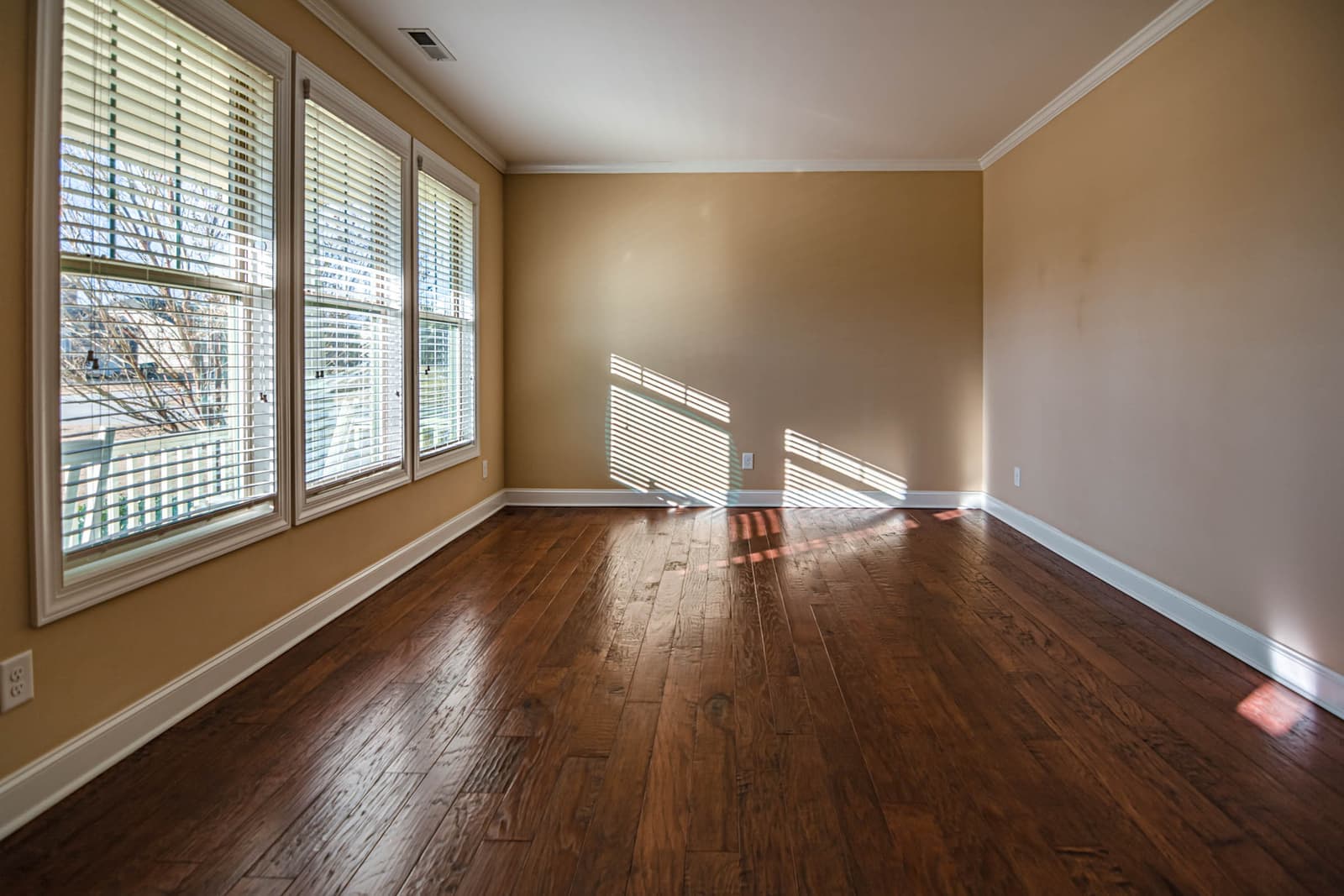
Glare: when you need the light, just not in your eyes
For the screen you can't read at 3pm, the sun stripe across the sofa, and the room you refuse to make dark just to fix one hour of the day.
Problem hub
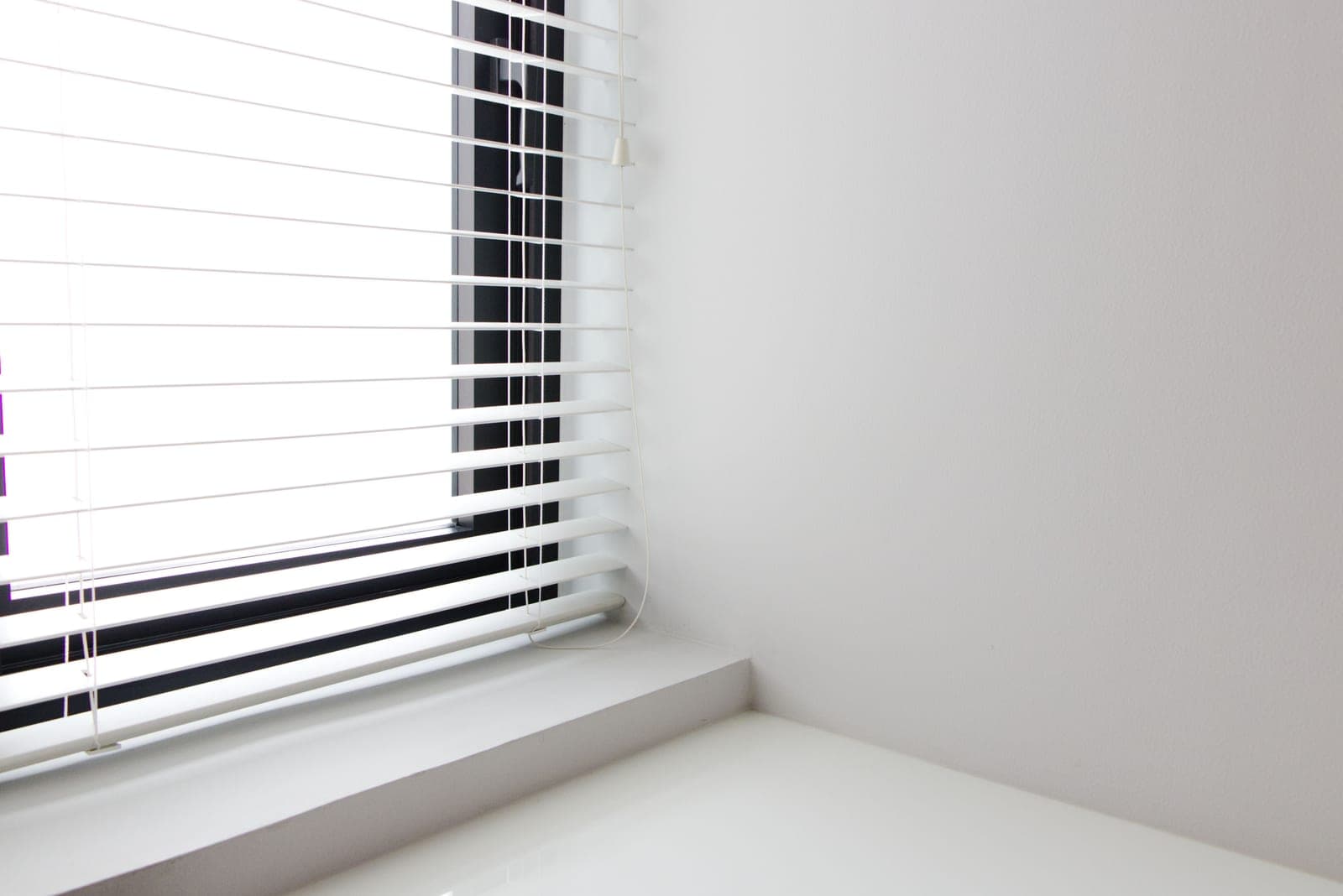
Privacy: being seen when you didn't plan to be
Street-facing glass, a neighbor's window ten feet away, a bathroom that overlooks a path — and the awkward fact that privacy reverses after dark.
Index
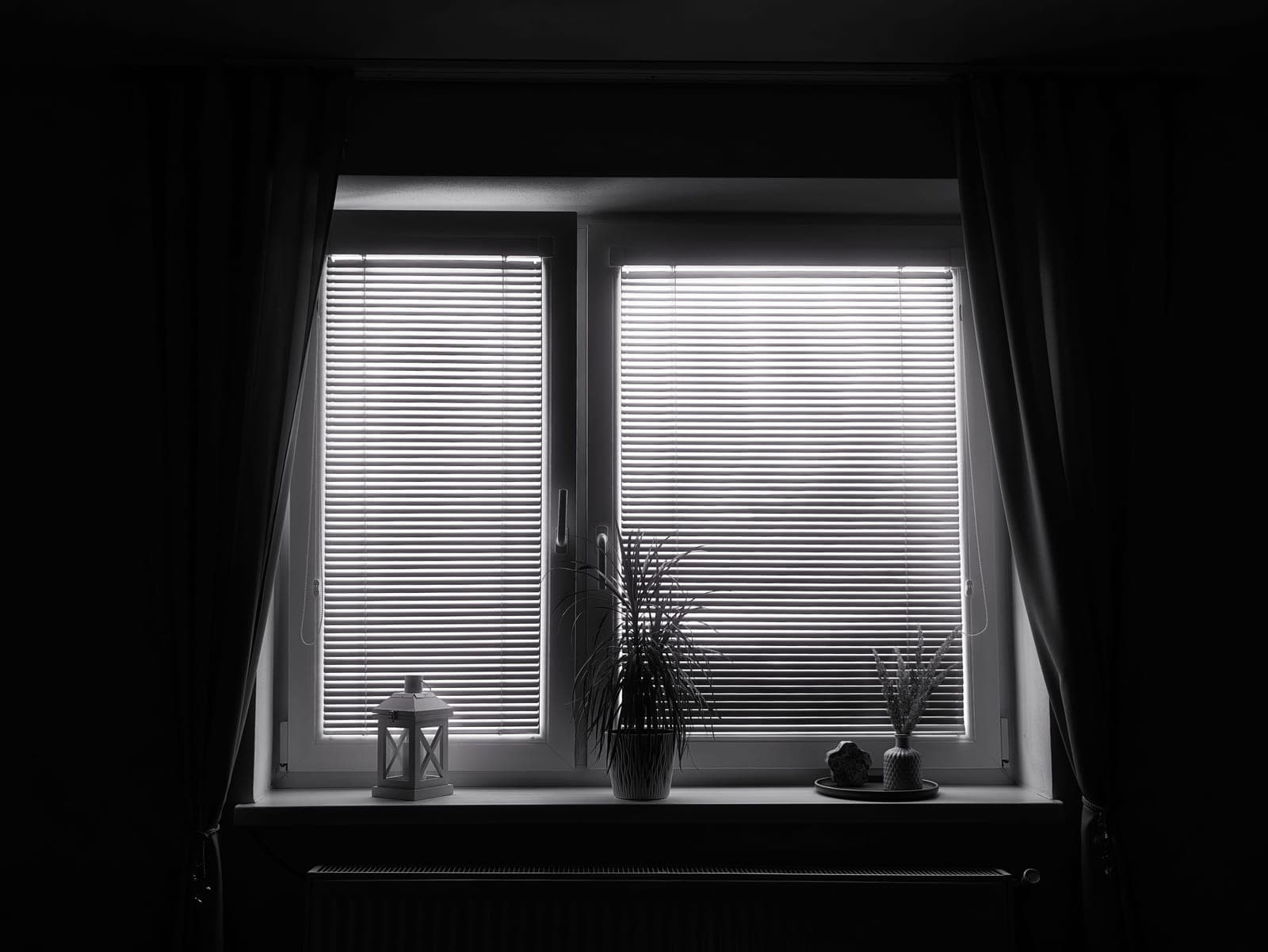
Which type do I even need?
Curtains, drapes, blinds, shades, shutters. What each one is, what it does well, and the head-to-heads that settle it.
Glare
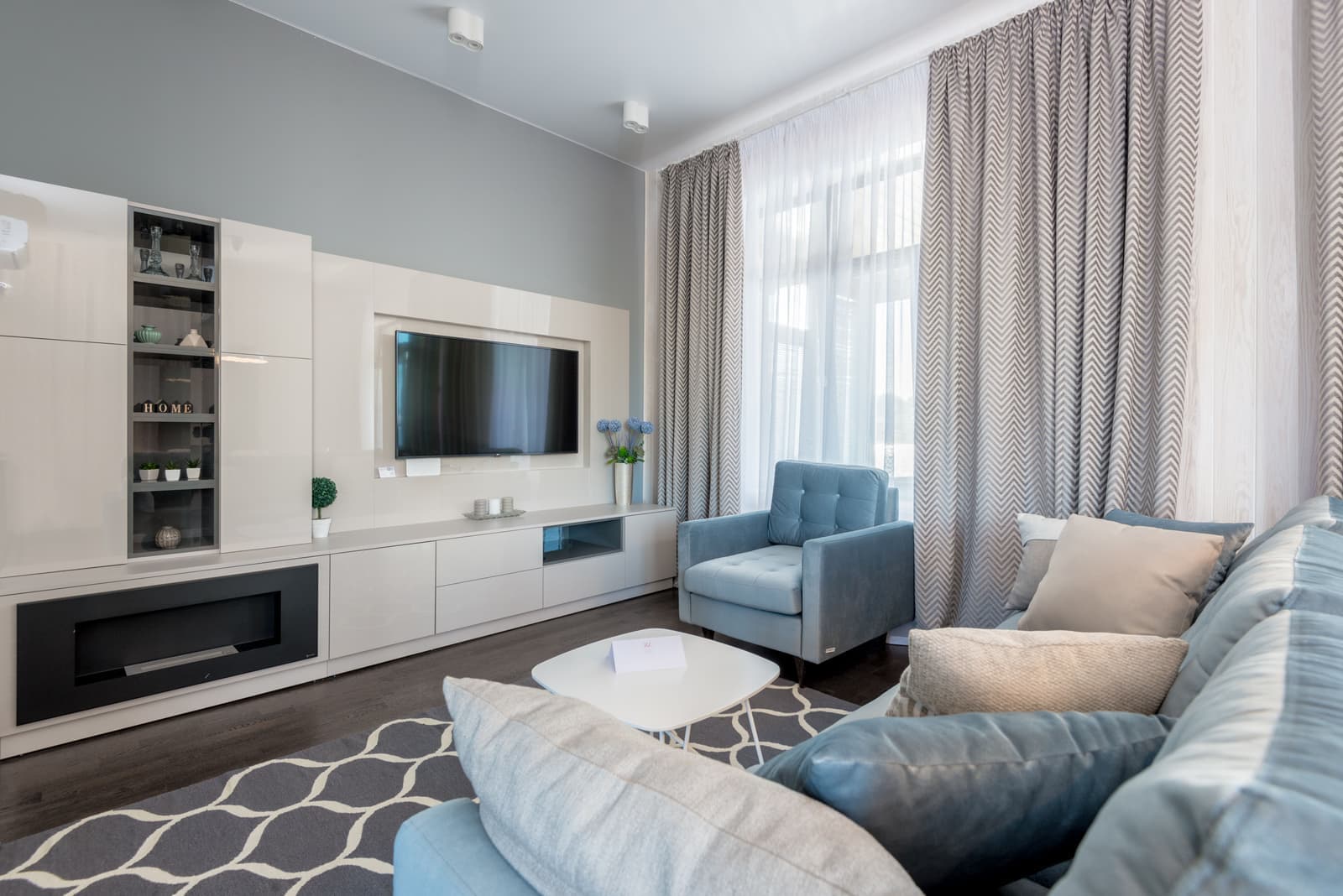
Best curtains for TV glare
Kill the reflection on the screen without turning the living room into a cinema at 2pm.
Glare
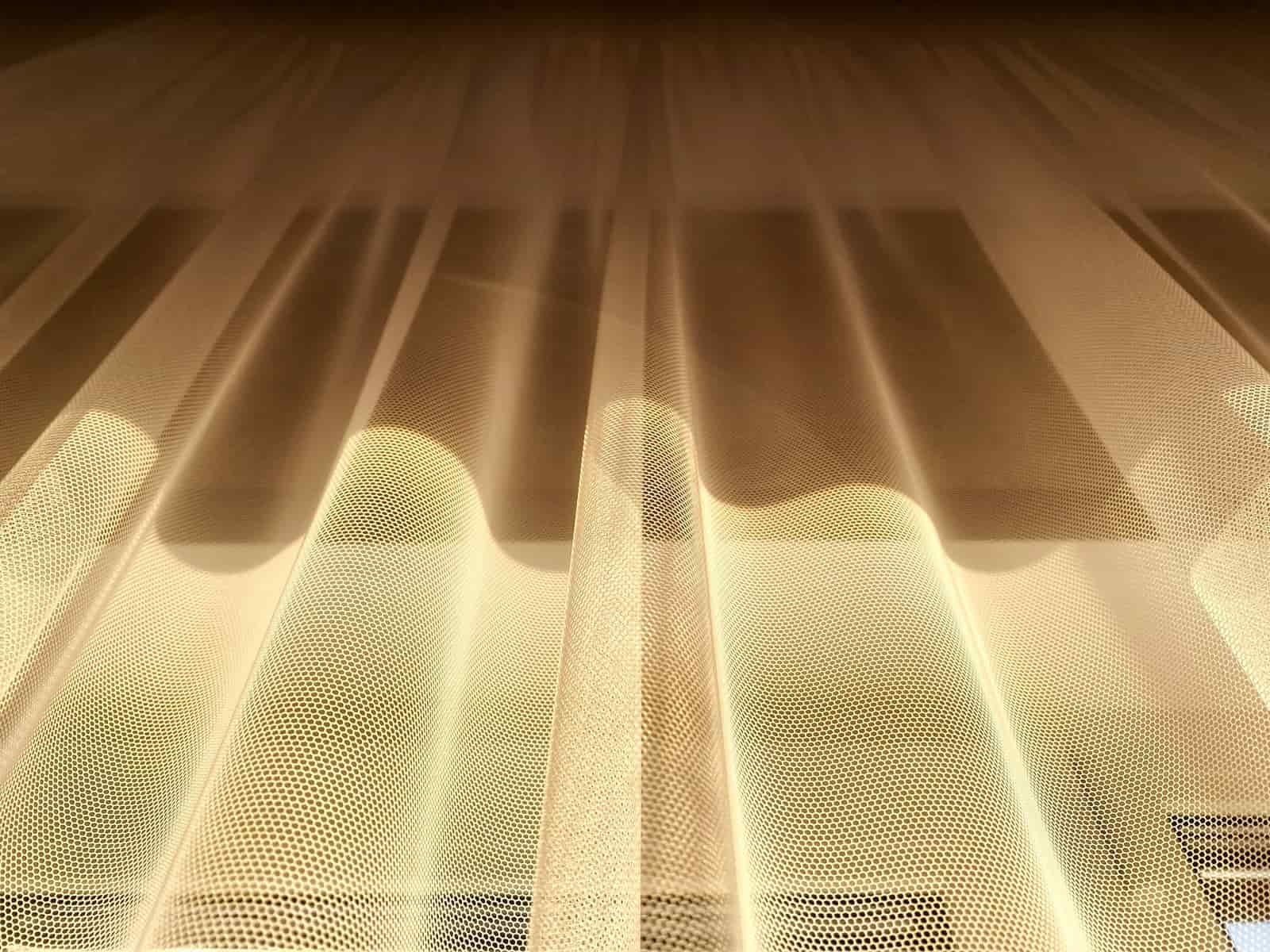
Best sheer curtains
Diffuse harsh daylight without darkening the room — plus the width rule sheers really depend on.
Rods & Mounting
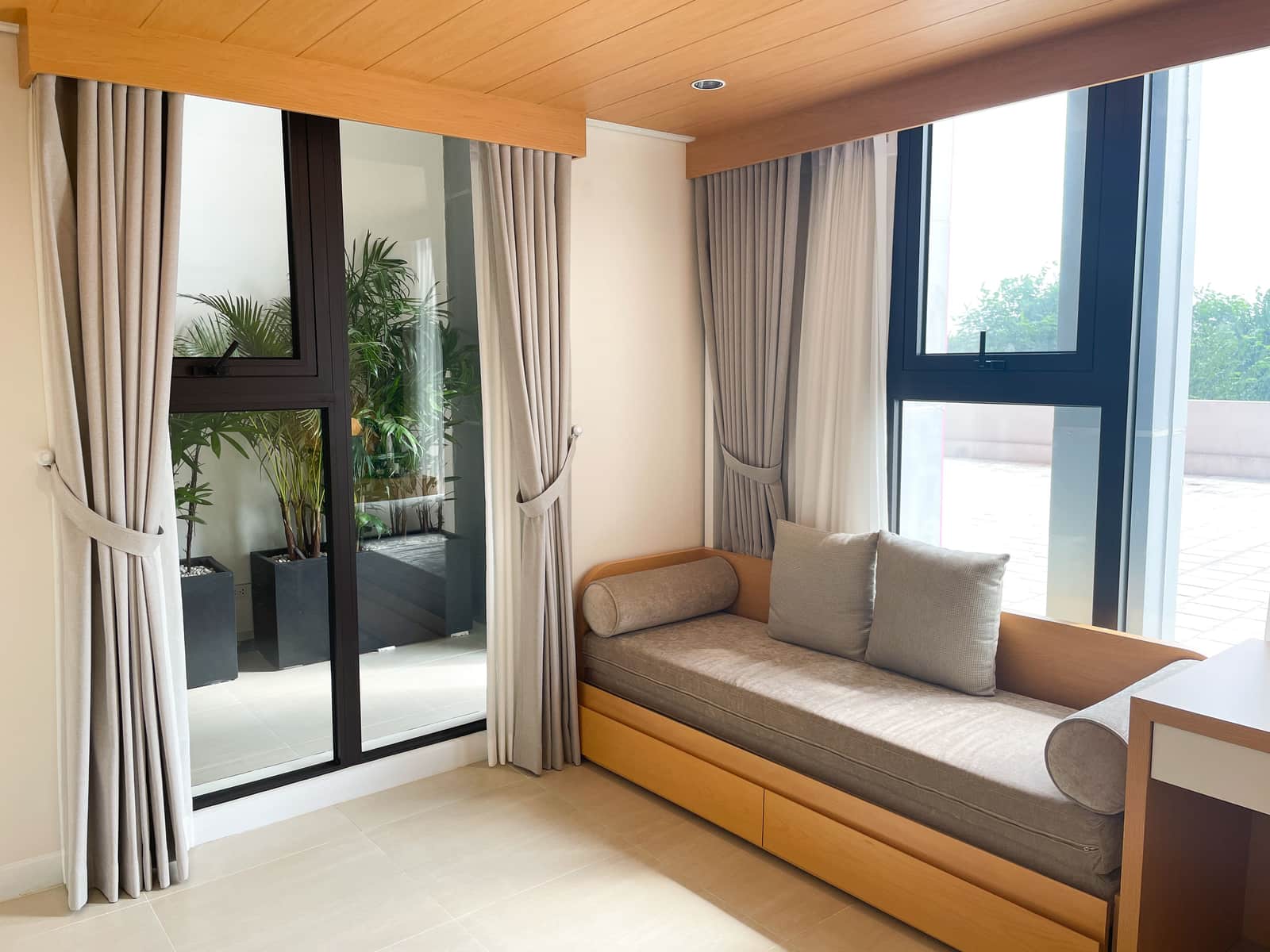
Best curtain rods for bay windows
Connector sets and bay rods for a three-sided opening — and how to measure the angles.
About the author
Janet H.
Janet H. is the owner of Janet Media Group and the person behind Drape & Dawn. She researches every pick against the site's published methodology.
Published by Janet Media Group · Last updated September 23, 2026