Roundup
Best curtains for sliding glass doors
A sliding door is eight feet of glass with a door handle in the way. Four panels sized for it, and the hardware that makes them usable.
By Janet H. · Last updated October 10, 2026 · How we choose
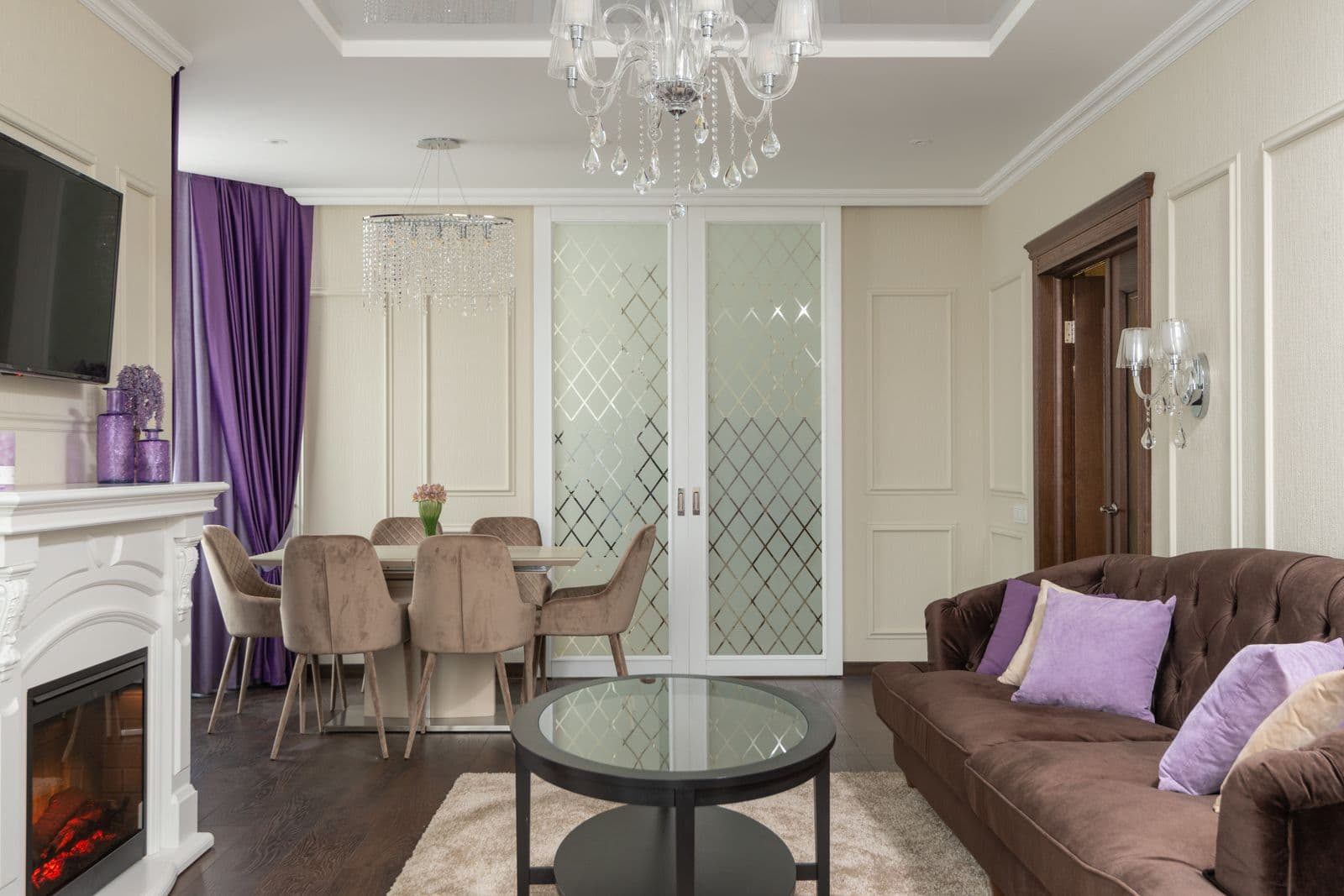
For most sliding glass doors the right buy is a set of long-drop blackout panels — the NICETOWN Thermal Insulated Blackout Curtains in a 95 or 108-inch drop — on a wrap-around rod mounted at least four inches above the frame and extending a foot past each side. The drop and the rod matter more than the fabric here.
What makes a sliding door different from a window is not the size, it is the traffic. The covering has to move out of the way every time someone goes outside, clear a handle that sticks out from the glass, and not get trodden on or caught in the track. Most sliding door curtain complaints are about one of those three things, not about light.
Drape & Dawn earns a commission from qualifying purchases made through links on this page, at no extra cost to you. It does not change what we recommend. Full disclosure.
Before the list
The three measurements that decide everything
Drop. A sliding door is typically 80 inches of glass in an 82 to 84-inch frame. Add the 4 to 6 inches the rod sits above the frame and you need a 95 or 96-inch panel minimum, or 108 inches if you are mounting near the ceiling. The common 84-inch panel that fits a window is several inches short here, and a short panel on a door looks like a mistake from across the room.
Width. Fullness still wants 2 to 2.5 times the opening. A 72-inch door wants roughly 144 to 180 inches of panel; a 96-inch door wants 192 to 240. Stack. Those panels have to live somewhere when the door is open, and they need around a fifth of their width per side of wall to stack onto. If there is no wall beside the door, the panels will sit over the glass permanently and you want a one-way draw instead of a pair.
| # | Best for | Product | Drop | Opacity | Best for | Price |
|---|---|---|---|---|---|---|
| 1 | Best overall | 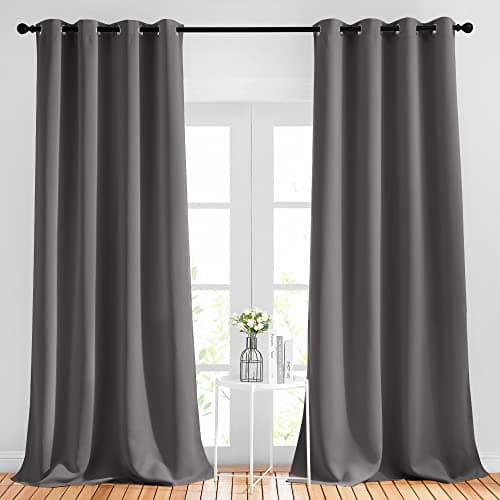 Almost any sliding door: it has the drop, the width options and enough body to do thermal work on a big pane. | 95 / 100 / 108 in | Blackout | Most sliding doors | $31.89 · View on Amazon #ad Price as of November 3, 2026, and it can change. How we’re funded |
| 2 | Best looking |  A sliding door in a room you entertain in, where the curtain is a major part of how the room looks. | 84 / 96 in typical | Total blackout | Living rooms | $43.99 · View on Amazon #ad Price as of November 3, 2026, and it can change. How we’re funded |
| 3 | Best daytime layer | 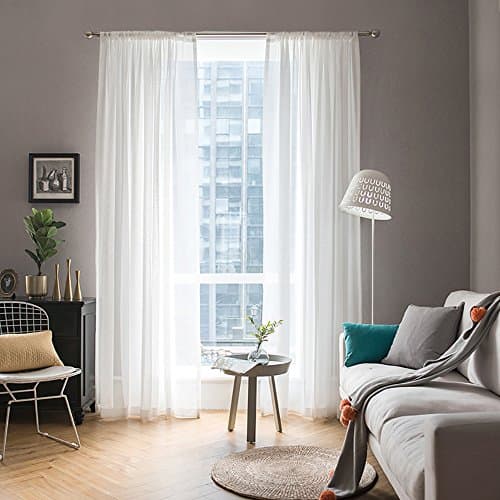 A door that is overlooked during the day, or one where afternoon sun makes the room next to it unusable. | 84 / 96 in typical | Sheer | Daytime glare and sightlines | $7.93 · View on Amazon #ad Price as of November 3, 2026, and it can change. How we’re funded |
| 4 | The rod that makes it work | 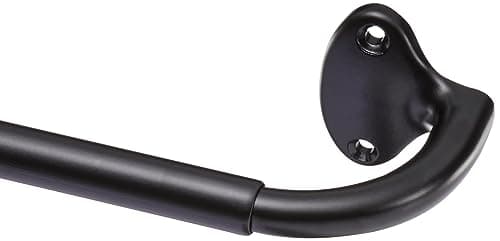 Anyone hanging curtains on a sliding door, and essential if the door has a proud handle or an existing vertical blind headrail. | N/A | N/A | Handle and headrail clearance | $29.97 · View on Amazon #ad Price as of November 3, 2026, and it can change. How we’re funded |
01 — Best overall
Thermal Insulated Blackout Curtains, long drops
NICETOWN
The triple-weave blackout panel in the long drops a door needs — 95, 100 and 108 inches — sold as single panels so you can buy the three or four it takes to cover a wide opening properly instead of being forced into pairs.
Who it’s for: Almost any sliding door: it has the drop, the width options and enough body to do thermal work on a big pane.
The catch: The grommet header leaves a gap at the wall, so light comes over the top. On a door that faces a security light or a street lamp, pair it with a deep-projection rod or accept the glow.
At a glance
- Drop
- 95 / 100 / 108 in
- Opacity
- Blackout
- Best for
- Most sliding doors
- Header
- Grommet
- Care
- Machine wash cold
#ad Price as of November 3, 2026, and it can change. How we’re funded
02 — Best looking
Faux Linen 100% Total Blackout Curtains
Deconovo
A faux-linen face over a total blackout construction, so the panel reads as furnishing fabric from inside the room rather than as a blackout product — which matters when it is the largest soft surface in the living space.
Who it’s for: A sliding door in a room you entertain in, where the curtain is a major part of how the room looks.
The catch: Heavier than a plain triple-weave, so the stack is bulkier and the rod needs to be rated properly. Check the available drops against your door before assuming it comes long enough.
At a glance
- Drop
- 84 / 96 in typical
- Opacity
- Total blackout
- Best for
- Living rooms
- Header
- Grommet
- Care
- Machine wash cold
#ad Price as of November 3, 2026, and it can change. How we’re funded
03 — Best daytime layer
Solid color sheer voile panels
MIULEE
Plain voile in long drops, as the inner layer on a double rod: it softens hard sun coming through a wall of glass and blurs the sightline from a garden or a shared patio without giving up the view or the daylight.
Who it’s for: A door that is overlooked during the day, or one where afternoon sun makes the room next to it unusable.
The catch: Sheers reverse after dark — with the room lit, the door becomes a display window. This is the inner half of a two-layer scheme, not a complete answer.
At a glance
- Drop
- 84 / 96 in typical
- Opacity
- Sheer
- Best for
- Daytime glare and sightlines
- Header
- Grommet / rod pocket
- Care
- Machine wash cold, low heat
#ad Price as of November 3, 2026, and it can change. How we’re funded
04 — The rod that makes it work
Room Darkening Blackout Curtain Rod, wrap-around
Amazon Basics
A wrap-around rod that curves back to the wall at each end. On a sliding door it does two jobs at once: the projection holds the panels clear of the door handle, and the returns close the side gap that light and drafts come through.
Who it’s for: Anyone hanging curtains on a sliding door, and essential if the door has a proud handle or an existing vertical blind headrail.
The catch: Telescoping rods have a maximum span; check yours covers the door plus a foot each side, and plan on a center support bracket on anything over about six feet.
At a glance
- Drop
- N/A
- Opacity
- N/A
- Best for
- Handle and headrail clearance
- Header
- N/A
- Care
- N/A
#ad Price as of November 3, 2026, and it can change. How we’re funded
Buying guide
What actually matters on a door
Rod projection, because of the handle
A sliding door handle projects an inch or two from the glass, and a standard rod mounted close to the wall puts the panel right against it — the curtain catches every time the door opens. A wrap-around or deep-projection rod holds the fabric clear of the handle and, as a side effect, closes the gap between curtain and wall that side light comes through. This is the single most useful piece of hardware on a sliding door.
One-way draw versus a pair
If only one leaf of the door slides, a one-way draw — all the panels stacking to the fixed side — keeps the operating side permanently clear. It is simply a matter of which end you hang them from, and it transforms how usable the door is. A pair that splits in the middle looks more symmetrical and gets in the way twice as often.
Length off the floor
On a door, half an inch clear of the floor rather than brushing it. A puddled or floor-brushing panel on a doorway gets stepped on, dragged into the track and caught under the slider, and the hem wears out at the edge where it is walked over. Full detail in the curtain length guide.
Heat, because it is a wall of glass
A sliding door is usually the largest single area of glass in the house, so it is the largest heat loss in winter and the largest solar gain in summer. A lined or thermal panel that reaches the floor and sits close at the top is doing real thermal work here, far more than the same panel on a small window. Do thermal curtains save energy covers how much.
What else to plan for
The privacy problem a door has and a window does not
A sliding door usually opens onto a garden, a patio, a balcony or a shared walkway, which means the sightline is at ground level and close. During the day a sheer handles it: it blurs the view in without removing the daylight or the view out, which is the reason the door is there. After dark it reverses — the room is lit and the garden is not — and anything semi-transparent becomes a display window. That is the case for the second, opaque layer, and it is why a single sheer on a patio door almost always disappoints by the first evening.
There is also the security-light problem, which is specific to doors. A motion light on a neighboring wall or a lamp over a shared path will throw a hard beam straight at eight feet of glass several times a night. A blackout panel on a deep-projection rod with proper returns is the only arrangement that reliably kills it, because the light is arriving at an angle that a blind headrail and a recess-mounted shade simply pass around.
The common starting point
What to do about the vertical blinds already there
Most sliding doors arrive with builder-fitted vertical blinds, and most people want them gone. Removing them is the obvious move and usually the wrong one if you rent, because the headrail is screwed into the frame and the holes are the landlord's. Cover instead: a rod mounted on the wall above and outside the frame clears the headrail entirely, the curtain hides the track, and the blinds stay behind the fabric as a working light-control layer you can still tilt. On the day you move, the rod comes down and the blinds are untouched.
If you own the door and the blinds are going, measure the headrail depth before you buy a rod anyway. Many of these headrails are three to four inches deep and sit proud of the frame, and the projection you need to clear one is the same projection that clears the door handle — so it is worth getting a rod that handles both whether you keep the blinds or not.
If curtains are not the answer here
Where there is no wall for panels to stack onto, or the door opens onto a busy walkway, a wide roller or cellular shade mounted outside the frame is the better fit. Best blinds for sliding glass doors goes through those options.
Methodology
How we chose
Picked on available drops and widths — most of this category simply does not come long enough for a door — then on construction, on handle clearance, and on the failure patterns reported by owners of sliding doors specifically: hems worn by treading, panels catching in the track, rods bowing over an eight-foot span. No lab testing. Criteria on the methodology page.
FAQ
Questions people actually ask
What length curtains for a sliding glass door?
95 to 96 inches for a standard 80-inch door with the rod 4 to 6 inches above the frame, or 108 inches if you are mounting close to the ceiling. The 84-inch panel that fits a window is several inches too short for a door.
How wide should curtains be for a sliding glass door?
Two to two and a half times the opening width in combined panel width, so a 72-inch door wants roughly 144 to 180 inches of panel and a 96-inch door wants 192 to 240. Allow about a fifth of the panel width per side of wall for the open panels to stack onto.
Should sliding door curtains touch the floor?
Half an inch clear of the floor. Anything that brushes or puddles gets trodden on, dragged into the door track and caught under the slider, and the hem wears through at the edge people walk over.
Can you hang curtains over sliding door vertical blinds?
Yes — mount a wrap-around or deep-projection rod on the wall above and outside the frame so the panels hang clear of the blind headrail. It is the standard renter answer, because nothing has to come down. Walkthrough in how to hang curtains over vertical blinds.
One-way draw or a pair of panels on a sliding door?
One-way draw if only one leaf slides, stacking everything on the fixed side, because it keeps the operating side permanently clear. A center-split pair looks more symmetrical but gets in the way at both ends.
Keep going
Read next
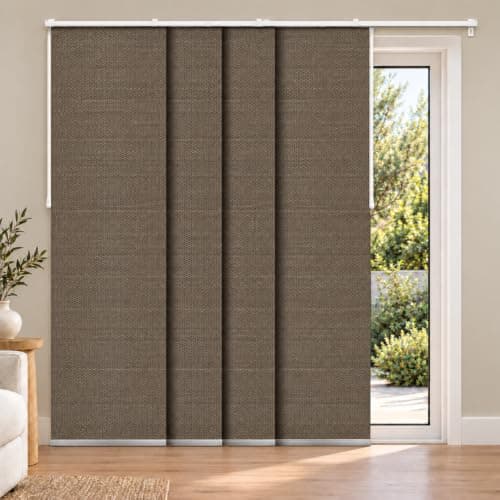
Rooms
Best window treatments for sliding glass doors
Panel tracks, verticals, curtains and no-drill shades for a patio door, ranked by the problem each one fixes.
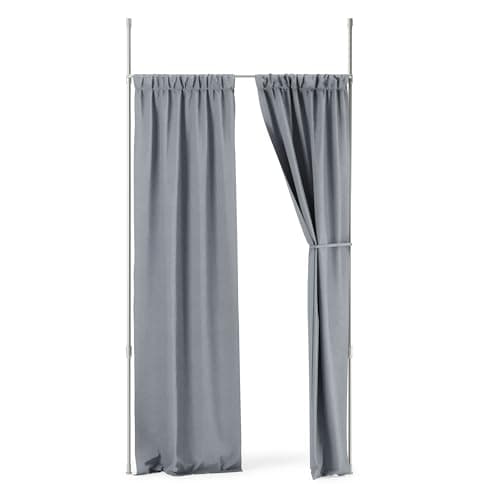
Rooms
Window treatments for sliding glass doors
Wide, walked through daily, and usually the coldest surface in the room.
Renter-Friendly
How to hang curtains over vertical blinds
Cover the landlord's verticals without touching them — three routes that clear the track.
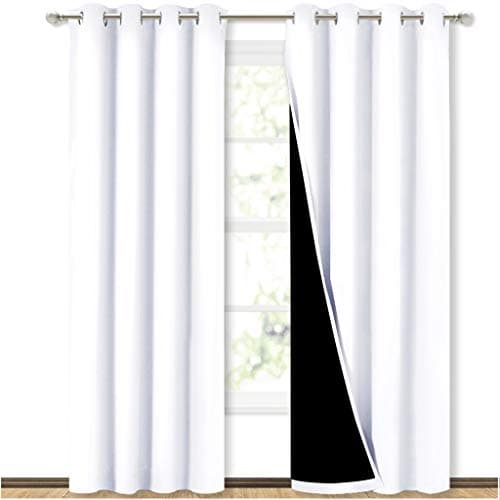
Rods & Mounting
Curtain length guide
Standard drops, six hem finishes, and the measurement everyone gets wrong.
Rods & Mounting
How many curtain panels do I need?
The 2x fullness rule, worked for common window widths, and why pairs go wrong.
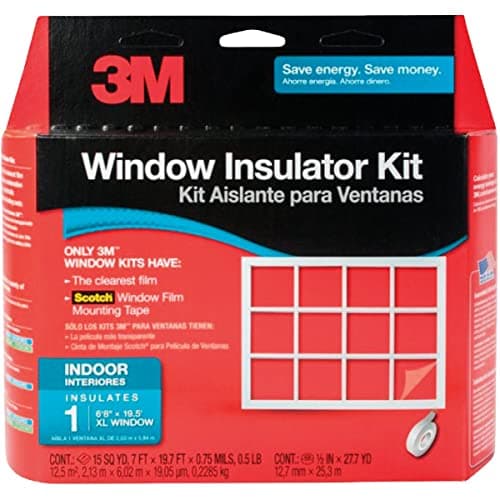
Drafts
Do thermal curtains save energy?
Real effect, unquantifiable savings — and the four things that decide how much you get.
Rooms
Best window treatments for large windows
Covering a picture window with stock-size products, and what each approach gives up.
About the author
Janet H.
Janet H. is the owner of Janet Media Group and the person behind Drape & Dawn. She researches every pick against the site's published methodology.
Published by Janet Media Group · Last updated October 10, 2026