Guide
How to hang curtains over vertical blinds
Leave the landlord's blinds exactly where they are — and hide them completely.
By Janet H. · Last updated September 23, 2026 · How we choose
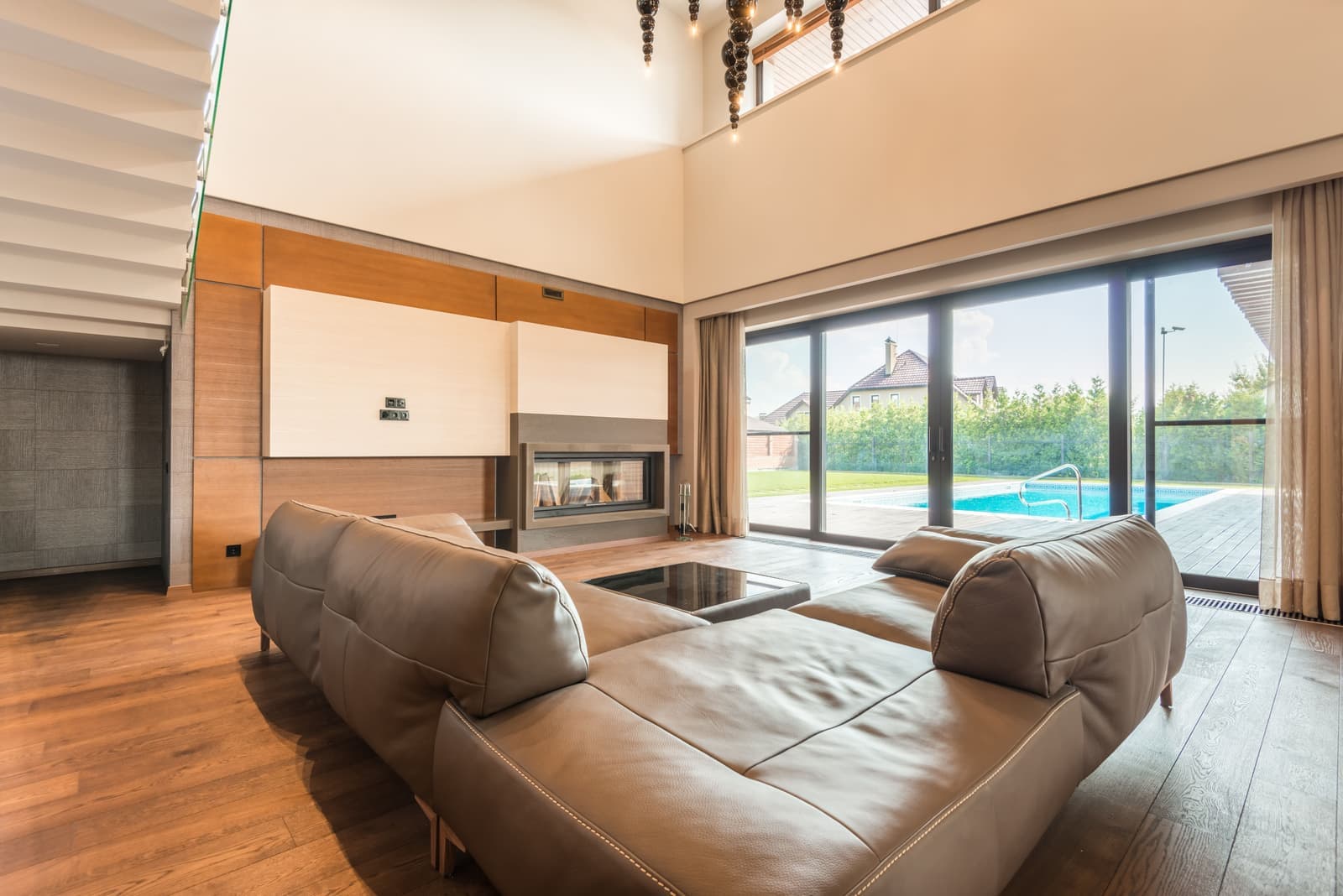
Hang the curtain in front of the blinds on a rod that clears the track, and leave the blinds untouched. The three routes that work: a floor-to-ceiling tension pole set just inside the blind track, a tension rod above the track if there is a recess, or a rod on tap-in brackets fixed to the trim beside the opening.
Vertical blinds are the standard fitting on rental sliding doors and wide windows, and almost nobody likes them. The good news is that they are also the easiest thing to cover, because they sit on a headrail that a curtain rod can clear entirely — no removal, no argument, no deposit risk.
Drape & Dawn earns a commission from qualifying purchases made through links on this page, at no extra cost to you. It does not change what we recommend. Full disclosure.
What you're working around
The clearance problem
A vertical blind headrail projects further from the wall than most people register — the track, the carriers and the slats themselves all need room, and the slats swing as they rotate. A curtain rod mounted too close will foul the slats, and the blind will stop working or the curtain will hang against it and look bunched.
Measure the projection from the wall to the front face of the slats, add an inch or two, and that is the minimum clearance your rod needs. This is why a standard shallow-projection bracket usually will not do and why the floor-to-ceiling route is popular — it can sit wherever you like.
Methods
Three routes that work
- 1
Floor-to-ceiling tension pole, in front of the track
Set the vertical poles on the floor just inside the blind track and run the curtain rod between them. It needs no wall fixing, carries heavy panels, and clears the headrail completely because you choose where it sits. The best answer for a sliding door.
- 2
Tension rod above the track
If the opening has a recess deep enough to take a tension rod above the blind headrail, this is the cheapest route. Check the depth first — many sliding-door openings have no recess at all, which rules it out.
- 3
Tap-in brackets with a deep projection rod
If there is wooden trim beside or above the opening, tap-in brackets with a 3-inch projection carry a rod clear of the track. This carries the most weight of the no-drill options and leaves only pinholes.
Practicalities
Keeping the blinds usable
- Leave the wand accessible. If the curtain covers the control wand you will stop adjusting the blinds entirely, which throws away the light control you already have. Position the curtain so the wand is reachable at one end.
- Pull the blinds fully open before closing the curtain if you want the softest look — a stack of slats behind a curtain creates a visible lump.
- Or use the blinds as your blackout layer. Vertical blinds closed behind a curtain do a reasonable job on light, which means the curtain can be lighter and prettier than it would otherwise need to be.
- Watch for door clearance. On a sliding door, make sure the curtain and its rod do not foul the handle or the door's travel.
The failure mode
What goes wrong
Rod too close to the track. The most common mistake. The curtain hangs against the slats, the slats cannot rotate, and both look wrong. Measure the projection properly before buying brackets.
Curtain too short. A sliding-door opening is usually taller than a window, and standard 84-inch panels will float above the floor. Measure the drop from where the rod will actually sit — see the curtain length guide.
Not enough panel width. A sliding door is wide, and covering it needs serious fullness — two standard panels stretched across a 72-inch opening look thin and let light down every gather. Budget for three or four.
Hardware for all three routes is in best no-drill curtain rods, and the sliding-door case is covered in full in window treatments for sliding glass doors.
What we’d buy
The products behind this advice
Picked against the criteria above, not the other way round. We don’t show prices because we don’t have a live price feed — each link goes to the current listing.
| # | Best for | Product | Type | Clearance | Price |
|---|---|---|---|---|---|
| 1 | Best clearance | Anywhere Expandable Curtain Rod and Room Divider Sliding doors, where you choose exactly where the rod sits relative to the track. | Floor-to-ceiling tension | — | Check price on Amazon #ad We don’t show prices — check the current one on Amazon. How we’re funded |
| 2 | If there's wooden trim | Single Curtain Rod Brackets, tap-in Openings with casing beside or above them, using a deep-projection rod. | Tap-in bracket | — | Check price on Amazon #ad We don’t show prices — check the current one on Amazon. How we’re funded |
| 3 | The curtain itself | Thermal Insulated Blackout Curtains Long drops for a door opening — plan on three or four panels, not two. | Blackout curtain | — | Check price on Amazon #ad We don’t show prices — check the current one on Amazon. How we’re funded |
01 — Best clearance
Anywhere Expandable Curtain Rod and Room Divider
Umbra
Vertical poles jammed between floor and ceiling carry a horizontal rod, so the load runs to the floor rather than into a wall. It handles weight no bracket-free wall mount will, and works where there is no usable trim at all.
Who it’s for: Sliding doors, where you choose exactly where the rod sits relative to the track.
The catch: The poles take floor space and are plainly visible. This is furniture rather than hidden hardware, and the height range is fixed.
At a glance
- Type
- Floor-to-ceiling tension
- Load
- Heavy
- Needs
- Floor and ceiling clearance
- Leaves
- Nothing
#ad We don’t show prices — check the current one on Amazon. How we’re funded
02 — If there's wooden trim
Single Curtain Rod Brackets, tap-in
Kwik-Hang
Brackets with built-in pins that tap into the top of a wooden window casing with a hammer. The manufacturer rates each at up to 20 lb, so they carry lined and blackout panels that no other no-drill mount will.
Who it’s for: Openings with casing beside or above them, using a deep-projection rod.
The catch: Needs real wood trim at least half an inch wide. The manufacturer advises against hardwoods, PVC, MDF, metal trim and crown molding — which rules out many newer apartments.
At a glance
- Type
- Tap-in bracket
- Load
- Manufacturer states 20 lb each
- Needs
- Wood trim ≥ ½ in
- Leaves
- Two pinholes
#ad We don’t show prices — check the current one on Amazon. How we’re funded
03 — The curtain itself
Thermal Insulated Blackout Curtains
NICETOWN
Triple-weave polyester with no coating to crack or peel, machine washable, and sold in a wider ladder of drops than most ranges — including the 108-inch length a near-ceiling rod needs.
Who it’s for: Long drops for a door opening — plan on three or four panels, not two.
The catch: The grommet header holds the panel an inch off the wall with open gaps between grommets, so light still comes over the top. Add a pelmet, or choose a back-tab version, if that is your problem.
At a glance
- Type
- Blackout curtain
- Construction
- Triple-weave, uncoated
- Care
- Machine wash cold
- Drops
- 63 / 84 / 96 / 108 in
#ad We don’t show prices — check the current one on Amazon. How we’re funded
FAQ
Questions people actually ask
Can I hang curtains over vertical blinds without removing them?
Yes, and you should — removing the blinds risks your deposit. Mount a rod that clears the headrail using a floor-to-ceiling pole, a tension rod above the track, or tap-in brackets with a deep projection.
How far from the wall does the rod need to be?
Measure from the wall to the front of the slats and add an inch or two. Standard shallow-projection brackets usually do not clear a vertical blind track, which is why deep-projection or floor-standing mounts are the usual answer.
Should I keep using the vertical blinds behind the curtain?
It is worth it — closed slats behind a curtain do a decent job on light, which lets you choose a lighter, better-looking curtain. Just make sure the control wand stays reachable.
How many curtain panels do I need for a sliding door?
Usually three or four. A sliding-door opening is wide, and fullness needs the combined panel width to be about twice the opening. Two panels stretched across it look thin and leak light.
What length curtains for a sliding glass door?
Measure from where the rod will actually sit — above the blind headrail — down to the floor. That is usually taller than a standard 84-inch panel, so 96 or 108 inches is common.
Keep going
Read next
Rooms
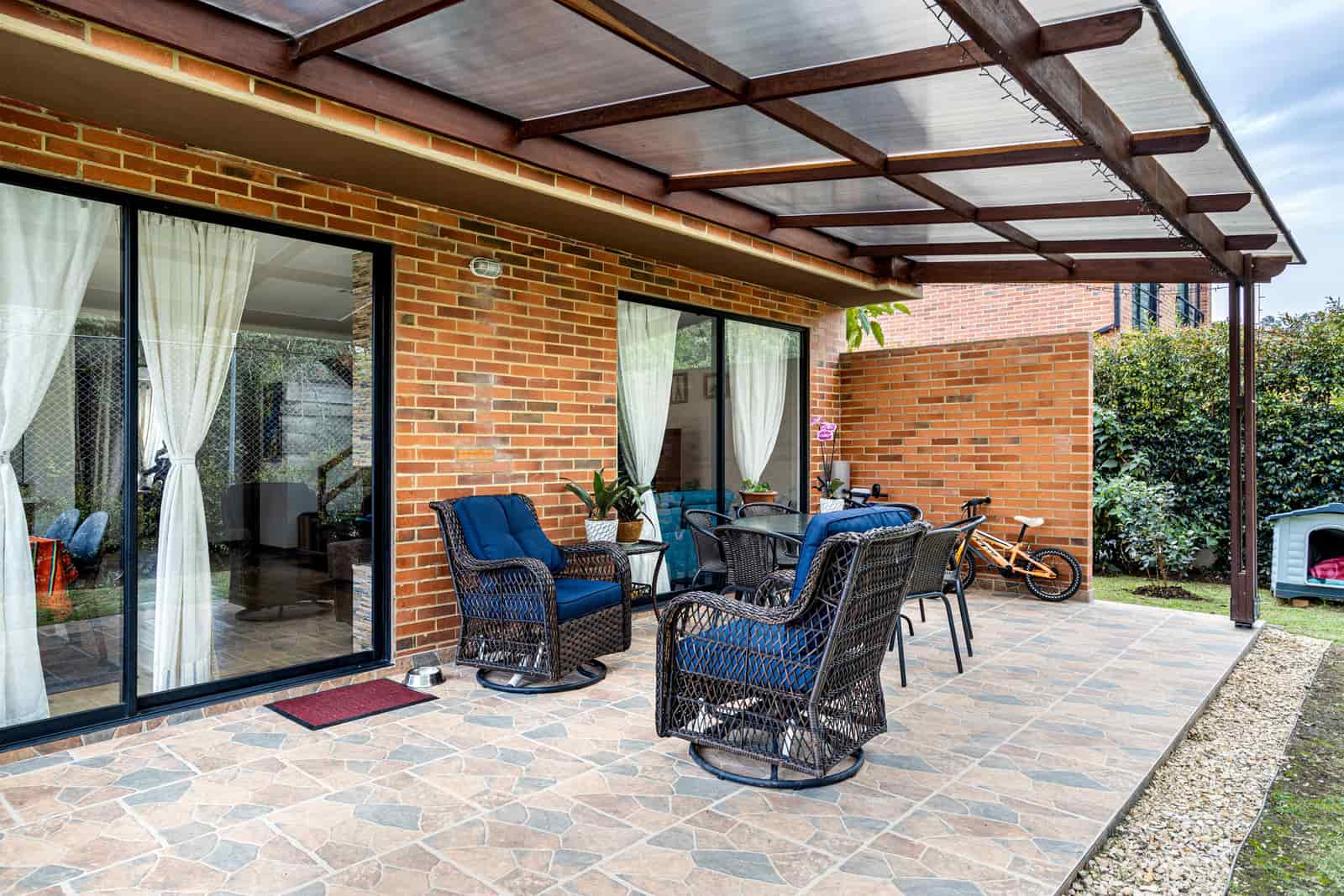
Window treatments for sliding glass doors
Wide, walked through daily, and usually the coldest surface in the room.

Renter-Friendly
Best no-drill curtain rods
Match the mount to the weight and surface — what each no-drill option really holds.
Renter-Friendly
Window treatments for renters
Everything that works without a drill, organized by the problem you're solving.
Rods & Mounting
Curtain length guide
Standard drops, six hem finishes, and the measurement everyone gets wrong.
Compare
Curtains vs blinds
Complete coverage versus precise adjustment — and why most rooms want both.
About the author
Janet H.
Janet H. is the owner of Janet Media Group and the person behind Drape & Dawn. She researches every pick against the site's published methodology.
Published by Janet Media Group · Last updated September 23, 2026