Comparison
Sheer vs light filtering curtains
One you can see through, one you can't. That single difference decides privacy, glare control and how the room feels.
By Janet H. · Last updated September 23, 2026 · How we choose
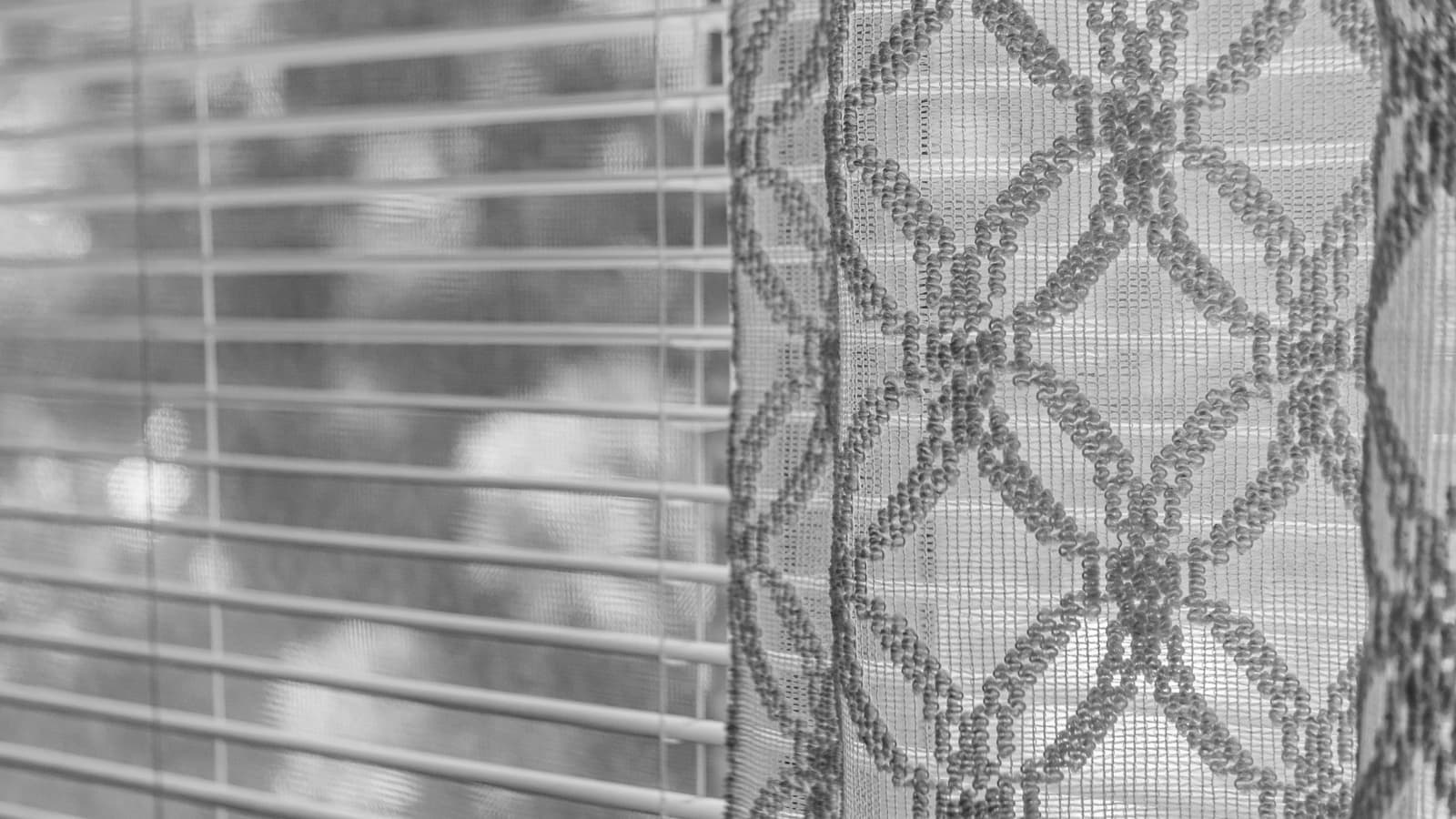
A sheer is transparent: you can see shapes through it. Light-filtering fabric is translucent: light passes through but you cannot see through it. That is the whole distinction, and everything else — privacy, how much glare each one kills, how bright the room stays — follows from it.
Both sit between "nothing on the window" and "room darkening", which is why they get confused. They are not interchangeable.
Drape & Dawn earns a commission from qualifying purchases made through links on this page, at no extra cost to you. It does not change what we recommend. Full disclosure.
The decision table
Side by side
| Sheer | Light filtering | |
|---|---|---|
| See through it? | Yes — shapes and movement | No |
| Light through | Most of it | A good share, heavily diffused |
| Glare control | Softens a beam | Removes a beam |
| Daytime privacy | Partial, at a distance | Good |
| Night privacy | None | Silhouettes only |
| Room brightness | Stays bright | Noticeably softer |
| Keeps the view | Yes, hazily | No |
| Typical use | Layered under heavier panels | Used on its own |
| Feel | Airy, barely there | Substantial, like a proper curtain |
Deciding
Choose a sheer if…
- You want the window softened but the room to stay as bright as it is.
- The view matters and you would rather haze it than lose it.
- You are layering — sheers by day, heavier panels at night.
- The window is decorative and the covering is mostly about how the room looks.
- The room is north-facing and already short of light, where anything more substantial would make it gloomy.
Deciding
Choose light filtering if…
- You want daytime privacy without a second layer.
- The glare is strong enough that softening it is not enough — you need it gone.
- It is a single-layer window and you want one product to do the job.
- You are covering a bathroom or a ground-floor room where being seen matters.
- You want the room comfortable in the afternoon rather than bright at any cost.
What changes
The cost and effort reality
Sheers are cheaper per panel, and you need more of them — proper fullness for a sheer is 2.5 to 3 times the window width, against 2 to 2.5 for anything heavier. Those two facts roughly cancel out, so budget similarly for either.
Where the cost genuinely diverges is the layered setup. Sheers plus heavier panels means a double rod or two rods, more brackets, and twice the fabric — but it also gives you a window that works properly at every hour of the day, which a single layer never quite does. If you can only do one thing now, light filtering on its own gets you further; if you are building up over time, start with sheers and add.
What we’d buy
The products behind this advice
Picked against the criteria above, not the other way round. We don’t show prices because we don’t have a live price feed — each link goes to the current listing.
| # | Best for | Product | Type | Care | Price |
|---|---|---|---|---|---|
| 1 | If you chose sheer | Faux linen sheer curtains Rooms where you want the window softened and the brightness kept. | Sheer curtain | Machine wash cold | Check price on Amazon #ad We don’t show prices — check the current one on Amazon. How we’re funded |
| 2 | If you chose light filtering | Deluxe Free-Stop Cordless Roller Shades Windows needing daytime privacy and real glare control from one layer. | Roller shade | — | Check price on Amazon #ad We don’t show prices — check the current one on Amazon. How we’re funded |
| 3 | Light filtering, in fabric | Cordless Fabric Roman Shades, light filtering Rooms where a roller would read as too technical and you want textile. | Roman shade | — | Check price on Amazon #ad We don’t show prices — check the current one on Amazon. How we’re funded |
01 — If you chose sheer
Faux linen sheer curtains
Deconovo
Slubbed faux-linen sheers that scatter a hard beam into soft ambient light. The texture is the point — it diffuses more unevenly and therefore more effectively than a flat voile.
Who it’s for: Rooms where you want the window softened and the brightness kept.
The catch: No privacy after dark at all, and the fabric creases badly out of the packet. Expect to steam them or live with fold lines for weeks.
At a glance
- Type
- Sheer curtain
- Weave
- Faux linen
- Care
- Machine wash cold
- Width
- ~52 in per panel
#ad We don’t show prices — check the current one on Amazon. How we’re funded
02 — If you chose light filtering
Deluxe Free-Stop Cordless Roller Shades
CHICOLOGY
Pull it to any height and it holds there — which is exactly what a glare problem needs, because you are constantly setting the cover to wherever the sun is.
Who it’s for: Windows needing daytime privacy and real glare control from one layer.
The catch: Light-filtering fabric diffuses well but is not see-through, so lowering it trades the view for the comfort.
At a glance
- Type
- Roller shade
- Fabric
- Light filtering
- Operation
- Cordless free-stop
- Fit
- Wide size range
#ad We don’t show prices — check the current one on Amazon. How we’re funded
03 — Light filtering, in fabric
Cordless Fabric Roman Shades, light filtering
Arlo Blinds
Real fabric folding into horizontal pleats on a cordless lift — positional control with the softness of textile rather than the look of hardware.
Who it’s for: Rooms where a roller would read as too technical and you want textile.
The catch: The folded stack sits deep at the top of the window when raised, which on a short window covers a real share of the glass.
At a glance
- Type
- Roman shade
- Fabric
- Light filtering
- Operation
- Cordless
- Fit
- Stock and made to size
#ad We don’t show prices — check the current one on Amazon. How we’re funded
FAQ
Questions people actually ask
Is light filtering the same as sheer?
No. A sheer is transparent — you can see shapes through it. Light-filtering fabric is translucent: light passes through but you cannot see through it. That changes privacy and glare control completely.
Which gives more privacy?
Light filtering, by a clear margin, during the day. At night neither is genuinely private — a sheer shows shapes plainly and a light-filtering fabric shows silhouettes.
Can I use both?
Yes, and it is the standard arrangement: sheers on an inner rod for daytime diffusion, a heavier light-filtering or room-darkening panel on an outer rod for the evening. A double rod does it on one set of brackets.
Which one is better for glare?
Light filtering removes a beam; a sheer softens it. For a workspace or a screen, light filtering. For a living room where the glare is general harshness rather than a specific beam, a sheer is usually enough and keeps more light.
Do either of them block heat?
Barely. Both are thin single layers with no thermal backing. If heat is part of the problem, you want a solar screen shade or a thermal panel — see best curtains to keep heat out.
Keep going
Read next
Glare
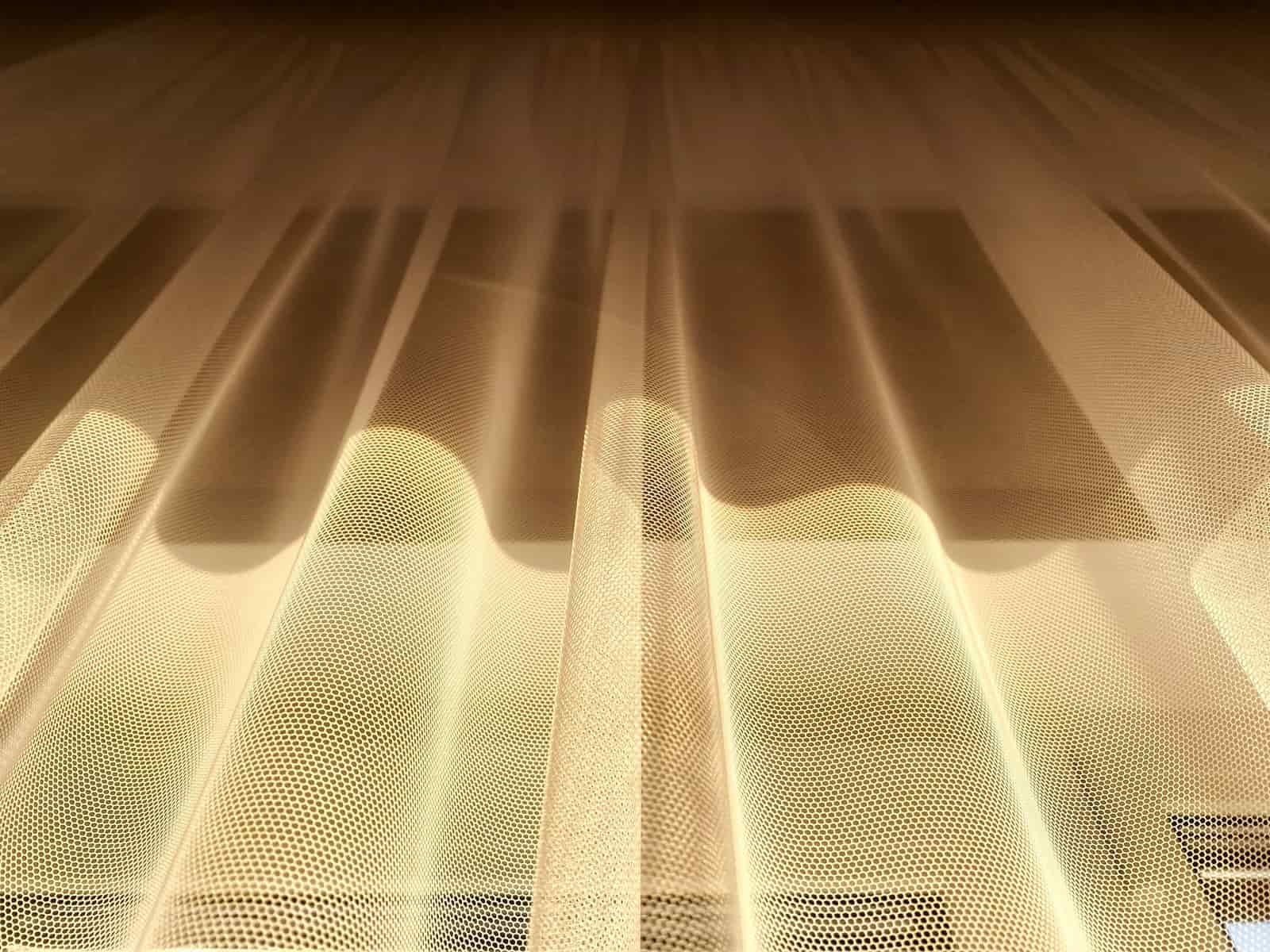
Best sheer curtains
Diffuse harsh daylight without darkening the room — plus the width rule sheers really depend on.
Glare
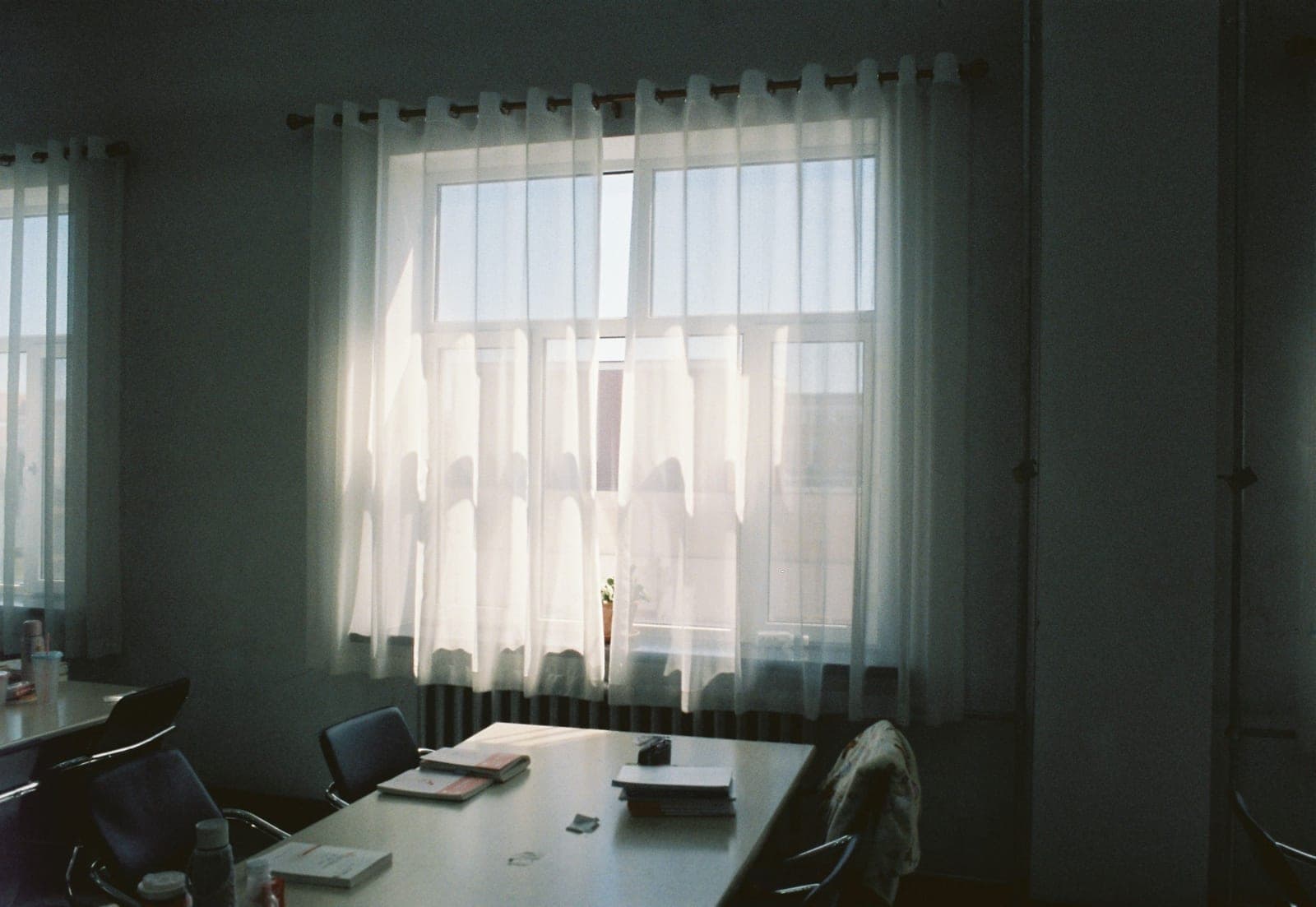
Do sheer curtains reduce glare?
Yes — for direct sun through the panel. No — for a low sun arriving underneath it.
Glare
Best roller shades for glare
Lower it to exactly the height of the glare — and the openness number that decides the rest.
Problem hub
Privacy: being seen when you didn't plan to be
Street-facing glass, a neighbor's window ten feet away, a bathroom that overlooks a path — and the awkward fact that privacy reverses after dark.

Compare
Curtains vs drapes
Weight and lining are the real difference — and they decide light, warmth and cost.
About the author
Janet H.
Janet H. is the owner of Janet Media Group and the person behind Drape & Dawn. She researches every pick against the site's published methodology.
Published by Janet Media Group · Last updated September 23, 2026