Comparison
Cellular shades vs roman shades
One is engineering you barely notice. The other is fabric you are meant to notice. They are not really competing for the same window.
By Janet H. · Last updated October 17, 2026 · How we choose
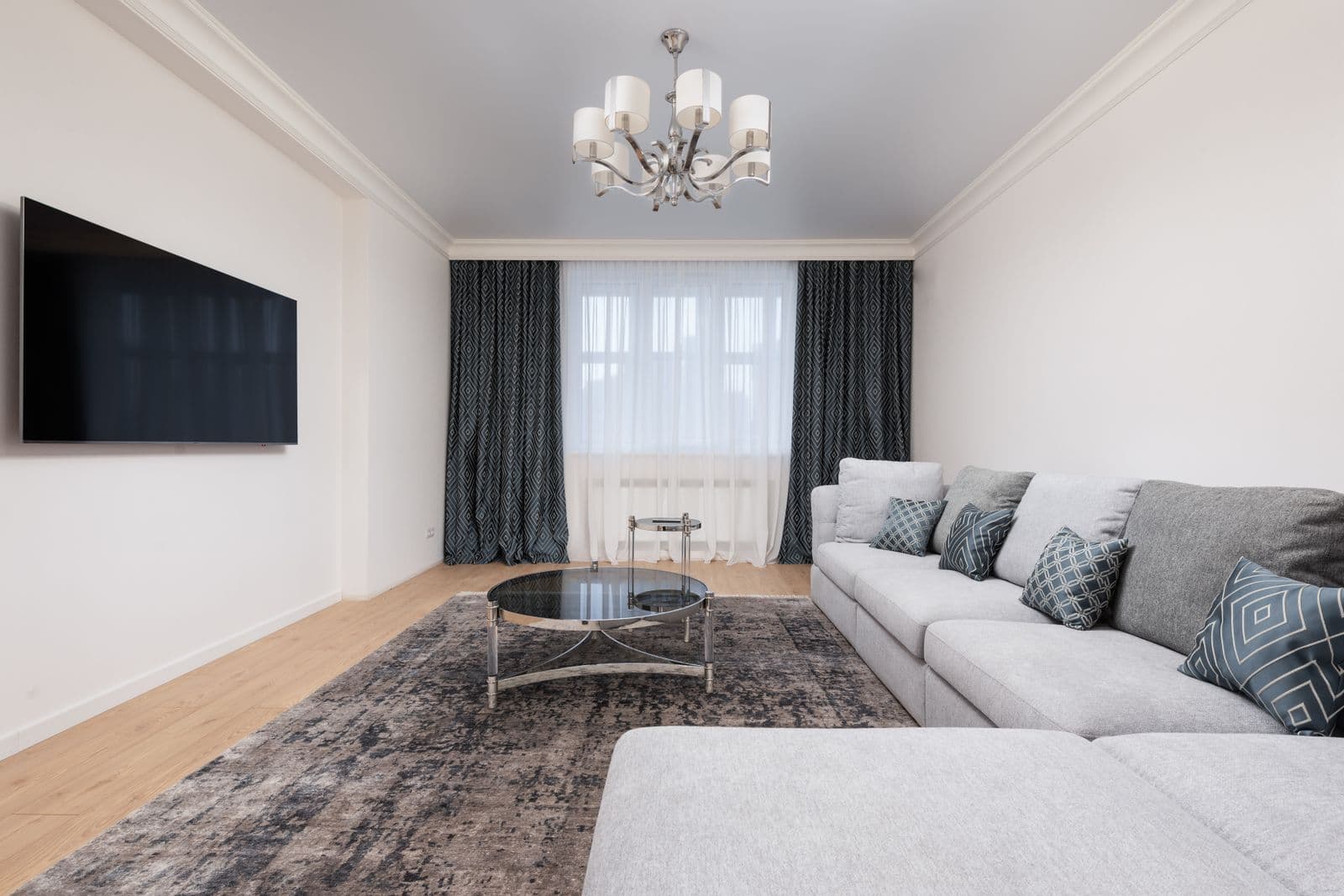
Choose a cellular shade if the window is cold, hot or has to be dark; choose a roman shade if the window is part of the room's decoration and comfort is already fine. Cellular wins on thermal performance and on even, hotspot-free daylight. Roman wins on appearance, and it is not close in either direction.
People put these two side by side because both raise into a stack at the top of the window and both come cordless. Structurally they have almost nothing in common: one is a honeycomb of trapped air, the other is a flat length of lined fabric that folds. That difference decides everything that follows.
Drape & Dawn earns a commission from qualifying purchases made through links on this page, at no extra cost to you. It does not change what we recommend. Full disclosure.
Structure
How each one works
A cellular shade is pleated into honeycomb cells that hold still air between the room and the glass. Fitted tightly in the recess, that air is the insulation, and the pleated fabric diffuses daylight evenly across the whole window with no bright band anywhere. It is the strongest thermal performer among common window coverings.
A roman shade is a single panel of fabric, usually lined, that gathers into horizontal folds as cords draw it up. There is no trapped air by design, though a thermal lining adds some resistance. What you get instead is drapery: real fabric weight, a soft edge, and the option of a pattern - on a window too narrow for curtains to stack beside.
| Cellular shade | Roman shade | |
|---|---|---|
| Insulation | Strongest of the common coverings, with a tight fit | Modest, and only with a thermal lining |
| Daylight | Even glow, no hotspot | Even, but heavier fabric reads darker |
| Darkness available | Yes, in blackout fabric | Room darkening at best in most stock fabrics |
| Stack when raised | Shallow, compresses tightly | Deep - commonly 8 to 12 in of folded fabric |
| Look | Technical, recedes into the window | Decorative; the point of buying one |
| Humidity | Fabric cells hold moisture; not for a shower window | Lined fabric, same caution |
| Cleaning | Vacuum and spot clean only | Vacuum and spot clean only |
Decision
Choose cellular when
- The glass is the cold spot in the room, or the room overheats in the afternoon.
- You want even daylight with no bright band - a desk, a screen, a nursery during naps.
- The room must be dark, and you can accept side channels or a curtain over the top to close the edge leak.
- The window is short and you cannot give up 10 inches of glass to a stack.
Decision
Choose a roman when
- The window is seen - a living room, dining room or bay - and the covering is part of the scheme.
- There is no wall beside the window for curtains to stack onto, but you still want fabric.
- Comfort is already fine, so you are spending on appearance rather than on R-value.
- You want the softness of drapery without floor-length panels in a room where they would be in the way.
Shared limits
The thing both of them do badly
Neither shade can overlap the window frame from inside the recess, so both leak a line of light around all four edges. Neither can be washed - it is vacuuming and spot cleaning for the life of the product, which rules both out of a window over a stove and makes both a doubtful choice directly over a shower. And neither gives you the tilt control of a slatted blind: the window is covered or it is not, with no in-between position that keeps the view. If you need that, blinds vs shades is the comparison to read.
Both
What a layered answer looks like
In a living room that is cold in winter and should look finished, the common resolution is a cellular shade inside the recess doing the thermal work and a curtain or a decorative roman mounted outside over it. The shade is invisible when raised; the fabric carries the room. It costs more than either alone and it is why so many well-dressed windows have two layers - see curtains vs blinds vs shades.
Methodology
How we chose
We select on published construction and materials, on fitness for the specific problem each pick addresses, and on failure patterns that recur across owner feedback rather than headline scores. We do not lab-test shades and publish no insulation figure of our own. Full criteria on the methodology page.
What we’d buy
The products behind this advice
Picked against the criteria above, not the other way round. Prices are read from Amazon and refreshed daily; each link goes to the current listing.
| # | Best for | Product | Type | Operation | Price |
|---|---|---|---|---|---|
| 1 | If you chose cellular | Cordless Cellular Shades, light filtering Cold or hot windows, and recesses where a tight fit is possible — the fit is where the insulation comes from. | Cellular shade | Cordless | Check price on Amazon #ad No current price for this one — check it on Amazon. How we’re funded |
| 2 | If you chose a roman | 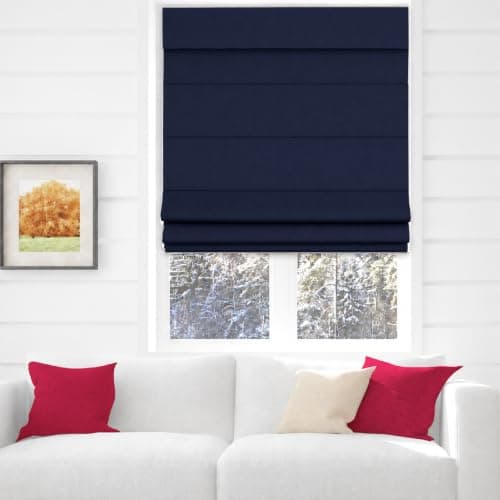 Living and dining rooms where the covering is part of the decoration and softness matters more than R-value. | Roman shade | Cordless | $46.99 · View on Amazon #ad Price as of November 3, 2026, and it can change. How we’re funded |
| 3 | If the look is the whole point | 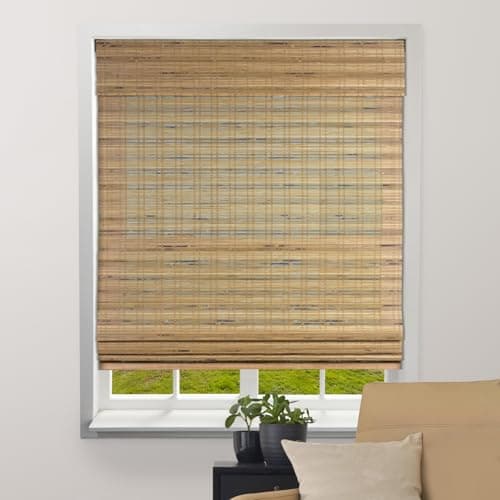 Unoverlooked windows in a room where texture is wanted and darkness is not required. | Woven wood shade | Cordless | $50.99 · View on Amazon #ad Price as of November 3, 2026, and it can change. How we’re funded |
01 — If you chose cellular
Cordless Cellular Shades, light filtering
CHICOLOGY
Made-to-size honeycomb that seals against the recess, diffusing daylight into an even glow with no hotspot while insulating the glass behind it.
Who it’s for: Cold or hot windows, and recesses where a tight fit is possible — the fit is where the insulation comes from.
The catch: Opaque, including the light-filtering fabric — lowering it means losing the view entirely. There is no partial-view position.
At a glance
- Type
- Cellular shade
- Fabric
- Light filtering
- Operation
- Cordless
- Fit
- Made to size
#ad No current price for this one — check it on Amazon. How we’re funded
02 — If you chose a roman
Thermal Room Darkening Fabric Roman Shades
Arlo Blinds
A cordless fabric roman with a thermal room-darkening lining that folds into soft horizontal pleats as it rises — the look of drapery on a window with no room for a curtain to stack beside it.
Who it’s for: Living and dining rooms where the covering is part of the decoration and softness matters more than R-value.
The catch: Room darkening rather than blackout, and the folded stack sits lower than a rolled or cellular shade, so part of the glass stays covered even fully raised.
At a glance
- Type
- Roman shade
- Fabric
- Thermal room darkening
- Operation
- Cordless
- Fit
- Stock and made to size
#ad Price as of November 3, 2026, and it can change. How we’re funded
03 — If the look is the whole point
Bamboo and woven wood Roman shades
Arlo Blinds
Natural woven bamboo that filters daylight into a warm, textured glow, on a cordless lift. It is the best-looking covering in this category and it turns a plain window into a feature.
Who it’s for: Unoverlooked windows in a room where texture is wanted and darkness is not required.
The catch: The weave is open, so it is not private after dark and it does not darken a room. An overlooked window needs the optional privacy liner, which changes both the look and the price.
At a glance
- Type
- Woven wood shade
- Fabric
- Bamboo weave
- Operation
- Cordless
- Fit
- Stock and made to size
#ad Price as of November 3, 2026, and it can change. How we’re funded
FAQ
Questions people actually ask
Which is better, cellular or roman shades?
Cellular, if the window is cold, hot or needs to be dark - trapped air makes it the strongest thermal performer among common coverings. Roman, if the window is part of the room's decoration and comfort is already fine. They are rarely the right answer to the same question.
Do roman shades insulate at all?
A little, with a thermal lining - a lined fabric panel against the glass slows the convection current that runs down a cold pane. It is nowhere near a cellular shade of the same size, because a roman has no trapped air by design.
Which stacks smaller when raised?
Cellular, clearly. Pleated honeycomb compresses into a shallow band at the headrail, while a roman's folded fabric is commonly 8 to 12 inches deep on a full drop. On a short window that difference is a visible share of the glass.
Can either one be made blackout?
Cellular yes - blackout honeycomb fabric is a standard option, though an inside mount still leaks at the edges. Roman shades in stock sizes are usually room darkening rather than blackout; a blackout roman is generally a made-to-measure order with a bonded liner.
Are either of them washable?
No. Both are vacuum and spot clean only. If you need something that goes in a machine, you want a curtain - the reason curtains stay the answer for kitchens and children's rooms is in curtains vs shades.
Keep going
Read next
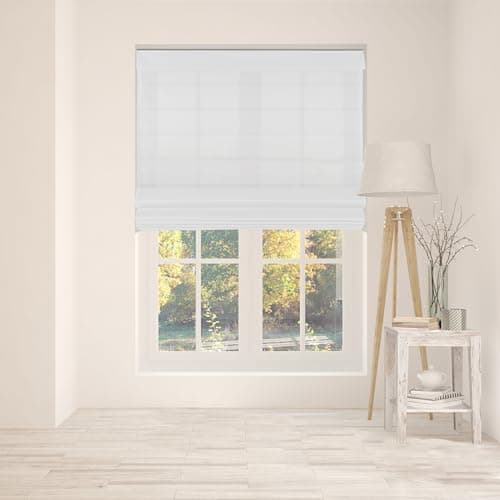
Compare
Best roman shades
Fabric softness with a shade's precision — plus the stack depth nobody mentions.

Compare
Best cellular shades
The best-insulating covering there is — and why the fit decides the result.
Compare
Curtains vs roman shades
Both are fabric. One hangs beside the window and one inside it — that decides everything.
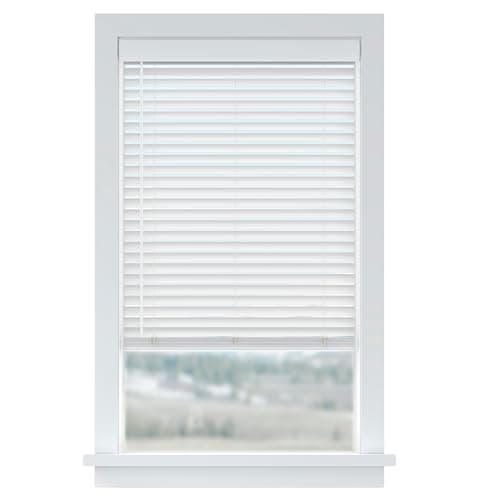
Compare
Blinds vs cellular shades
Aim the light or insulate the window — two products, two different problems.
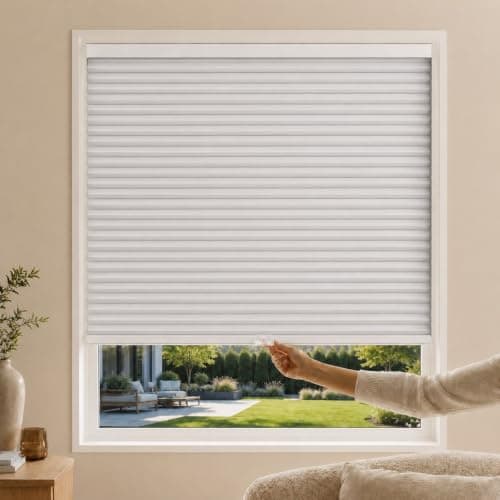
Drafts
Best insulated cellular shades
The strongest thermal performer in window coverings — if you measure the fit properly.
About the author
Janet H.
Janet H. is the owner of Janet Media Group and the person behind Drape & Dawn. She researches every pick against the site's published methodology.
Published by Janet Media Group · Last updated October 17, 2026