Comparison
Curtains vs no curtains
Some windows are better bare. Most are not, and the ones that are not usually give away which they are at 5am or at 9pm.
By Janet H. · Last updated October 17, 2026 · How we choose
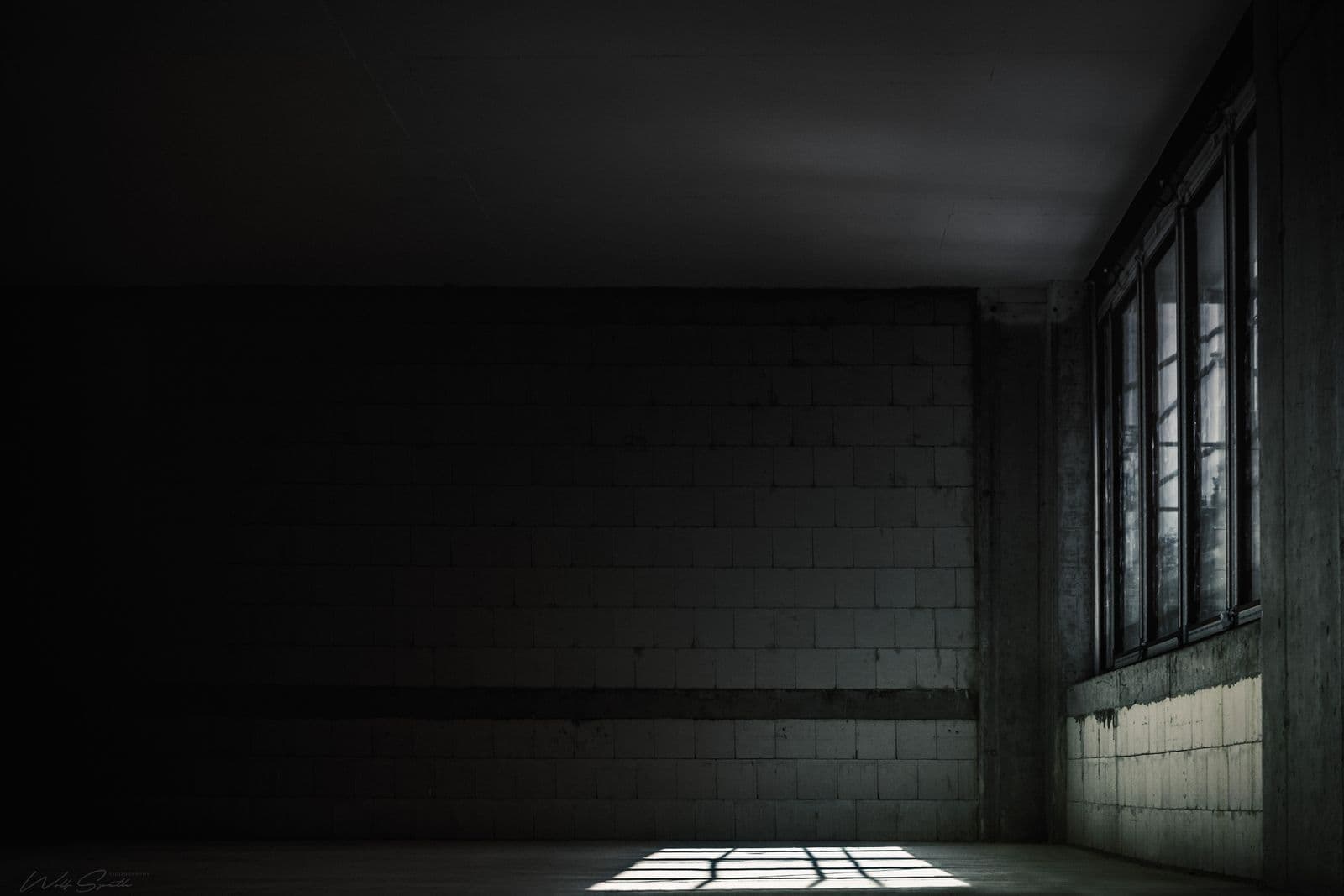
Leave a window bare when nobody sleeps in the room, nobody can see in, and the glass is not the uncomfortable surface - a stairwell, a high transom, a shaded north-facing window in a hallway. Everywhere else, something on the window pays for itself, and in a bedroom it is not optional. The question is not whether bare windows are acceptable; it is which of the four jobs a covering does you are prepared to go without.
Those four jobs are darkness, temperature, privacy and sound. A bare window does none of them. It does, in exchange, give you the whole view, the maximum daylight, no dust-collecting fabric, and an architectural window shown as the architect drew it - which on the right window is a genuinely better outcome than a curtain.
Drape & Dawn earns a commission from qualifying purchases made through links on this page, at no extra cost to you. It does not change what we recommend. Full disclosure.
When nothing is right
The case for leaving it bare
A window exists to let light in and be looked through, and anything hung on it reduces both. On a shaped window - an arch, a circle, a tall narrow transom - a curtain also hides the shape that cost the most to build. Bare glass is the correct answer when all of the following hold: nobody sleeps there, nothing in the room needs hiding from the street, the room is comfortable year round, and the window is not where you sit.
There is also a maintenance argument. Fabric collects dust and takes up floor space when open; shades need vacuuming; film is permanent once applied. In a stairwell or a utility room that nobody lingers in, the lowest-maintenance covering is none.
The four jobs
What a bare window costs you
| Job | Bare window | What a covering changes |
|---|---|---|
| Darkness | Sunrise enters at sunrise, all year | A lined panel with overlap is the only reliable fix |
| Heat and cold | Glass radiates in and out freely | Still air at the pane, or reflection outside it |
| Privacy | None after dark, when your lights are on | Frosted film works both ways; sheers do not |
| Sound | No absorption at all | Mass helps a little with mid and high frequencies |
| Furniture and floors | UV fades what sits in the beam | Any covering, even a sheer, slows it |
The one people underestimate is the fade. Direct sun across a sofa arm or a wood floor does visible damage over a couple of summers, and nothing undoes it. A sheer or a solar screen costs little and stops most of it.
Privacy reverses
The 9pm test
Daytime privacy is a brightness difference: outside is brighter than inside, so the glass reads as a mirror from the street. After dark that reverses, and a bare window becomes a lit stage. Stand outside your own house at 9pm with the lights on and look - this is the test that settles most arguments about whether a window needs covering. Privacy at night without losing daylight covers the options.
Middle ground
Three answers short of full curtains
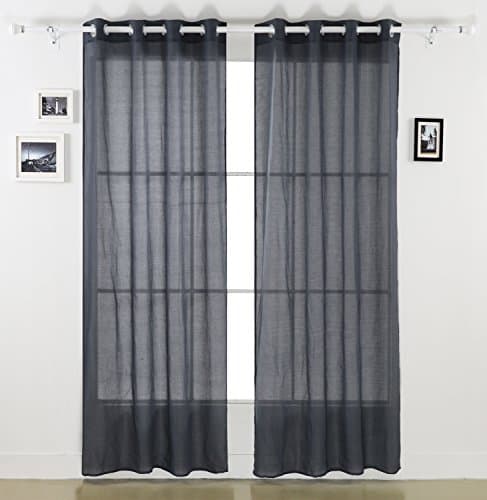
- 1A sheer panel. Keeps the daylight and most of the view, cuts the hard beam, slows fade, and takes the bare edge off the room. No privacy after dark.
- 2Frosted film on the lower half. Physically scatters light, so it works at 9pm as well as 9am, and leaves the top of the window clear. Permanent while it is on.
- 3A cafe curtain or tier on the bottom sash. Covers what the sidewalk sees and leaves the daylight above it, which is why it has survived in kitchens for a century.
Hard cases
Where bare is not a defensible choice
A bedroom used by anyone who sleeps past sunrise, a nursery with daytime naps, a ground-floor room facing a sidewalk, and a single-glazed window in a room you heat. In each of these, the bare window has a measurable cost in sleep, in safety or on the heating bill, and the cheapest covering that addresses it beats nothing. Bedrooms are covered in best curtains for a bedroom.
Methodology
How we chose
We select on published construction and materials, on fitness for the specific problem each pick addresses, and on failure patterns that recur across owner feedback. We do not lab-test these products and publish no fade or insulation figures of our own. Full criteria on the methodology page.
What we’d buy
The products behind this advice
Picked against the criteria above, not the other way round. Prices are read from Amazon and refreshed daily; each link goes to the current listing.
| # | Best for | Product | Type | Operation | Price |
|---|---|---|---|---|---|
| 1 | If the answer is yes, for sleep | 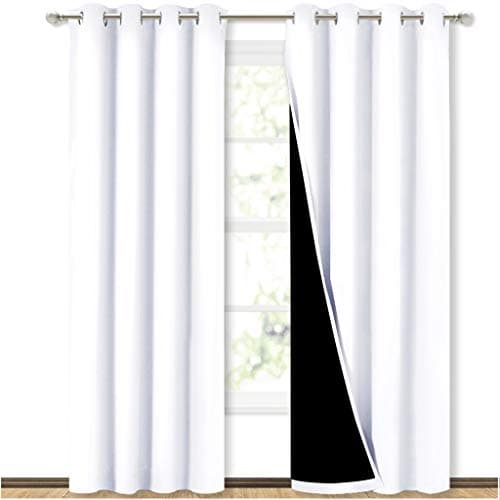 Bedrooms, nurseries and any room where the reason for covering the window is darkness. | Blackout curtain | — | $19.99 · View on Amazon #ad Price as of November 3, 2026, and it can change. How we’re funded |
| 2 | If you want the light and some cover | 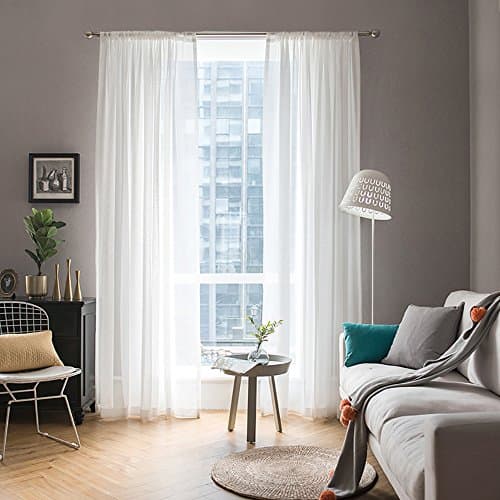 Rooms you keep bright but do not want to feel exposed in — the compromise between bare glass and a closed curtain. | Sheer curtain | — | $7.93 · View on Amazon #ad Price as of November 3, 2026, and it can change. How we’re funded |
| 3 | If you want nothing hanging there | 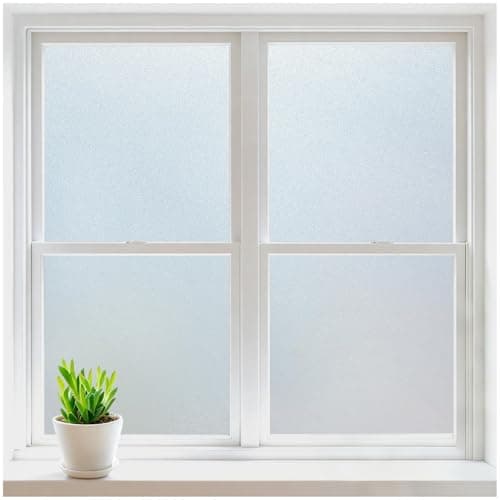 Bathrooms, stairwells and architectural windows where fabric would spoil the window but the glass still needs covering. | Privacy film | — | $5.97 · View on Amazon #ad Price as of November 3, 2026, and it can change. How we’re funded |
01 — If the answer is yes, for sleep
Thermal Insulated Blackout Curtains
NICETOWN
Triple-weave polyester with no coating to crack or peel, machine washable, and sold in a wider ladder of drops than most ranges — including the 108-inch length a near-ceiling rod needs.
Who it’s for: Bedrooms, nurseries and any room where the reason for covering the window is darkness.
The catch: The grommet header holds the panel an inch off the wall with open gaps between grommets, so light still comes over the top. Add a pelmet, or choose a back-tab version, if that is your problem.
At a glance
- Type
- Blackout curtain
- Construction
- Triple-weave, uncoated
- Care
- Machine wash cold
- Drops
- 63 / 84 / 96 / 108 in
#ad Price as of November 3, 2026, and it can change. How we’re funded
02 — If you want the light and some cover
Solid color sheer voile panels
MIULEE
A light, smooth voile that filters sunlight without blocking airflow, which suits a window you actually open.
Who it’s for: Rooms you keep bright but do not want to feel exposed in — the compromise between bare glass and a closed curtain.
The catch: Light enough to billow in any moving air. Not the choice beside a door, a vent, or an opening window in a windy spot.
At a glance
- Type
- Sheer curtain
- Weave
- Smooth voile
- Care
- Machine wash cold, gentle
- Width
- ~54 in per panel
#ad Price as of November 3, 2026, and it can change. How we’re funded
03 — If you want nothing hanging there
Frosted Glass Window Privacy Film, static cling
rabbitgoo
Non-adhesive frosted film applied with water alone. Because it scatters light physically rather than relying on a brightness difference, it stays private after dark — which mirrored films do not.
Who it’s for: Bathrooms, stairwells and architectural windows where fabric would spoil the window but the glass still needs covering.
The catch: Permanent while it is on and not adjustable. It obscures the view day and night until you peel it off.
At a glance
- Type
- Privacy film
- Attachment
- Static cling
- Night privacy
- Yes
- Removal
- Peels clean
#ad Price as of November 3, 2026, and it can change. How we’re funded
FAQ
Questions people actually ask
Is it OK to have no curtains?
Yes, where nobody sleeps in the room, nobody can see in after dark, and the glass is not making the room uncomfortable - stairwells, hallways, high transoms and shaped architectural windows. In a bedroom or a ground-floor room facing a sidewalk, a bare window has a real cost in sleep and privacy.
Do curtains make a room look bigger or smaller?
Hung high and wide - rod 4 to 6 inches above the frame and 8 to 12 inches wider - they make a window read taller and a wall read less interrupted. Hung at the frame, inside the opening, they do the opposite. The height rule is in how high to hang curtains.
Will a bare window make my heating bill worse?
On single glazing, noticeably - glass radiates heat out all night and nothing slows the convection current that runs down the cold pane. On modern double glazing the effect is smaller. Either way the covering only helps if it fits closely; the mechanism is in do thermal curtains save energy.
What is the minimum I can put on a window?
Frosted film is the least intrusive covering that actually does a job: no hardware, no stack, permanent privacy day and night, and it leaves the window shape visible. A sheer panel is the least intrusive thing that still lets you see out.
Do I need curtains if I have blinds?
Only if the blind is not doing the whole job. An inside-mounted blind leaks light at all four edges and insulates poorly, so a bedroom often wants a curtain over it. A living room with a blind that handles glare usually does not need one.
Keep going
Read next
Compare
Curtains vs blinds
Complete coverage versus precise adjustment — and why most rooms want both.
Compare
Best window treatments
One pick per window problem - light, heat, glare, privacy, renting - and what each one gives up.
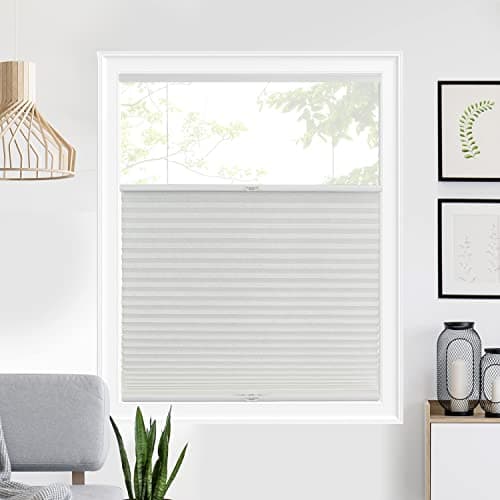
Privacy
Privacy at night without losing daylight
Daytime tricks reverse after dark — the layered setups that handle both.
Glare
Best sheer curtains
Diffuse harsh daylight without darkening the room — plus the width rule sheers really depend on.
Privacy
Best window privacy film
Renter-safe privacy with no hardware — and why mirrored film is the one to avoid.
About the author
Janet H.
Janet H. is the owner of Janet Media Group and the person behind Drape & Dawn. She researches every pick against the site's published methodology.
Published by Janet Media Group · Last updated October 17, 2026