Roundup
Best faux wood blinds
The covering that looks like timber, tolerates a bathroom, and costs a third of what real wood does — with one honest weight problem.
By Janet H. · Last updated October 11, 2026 · How we choose
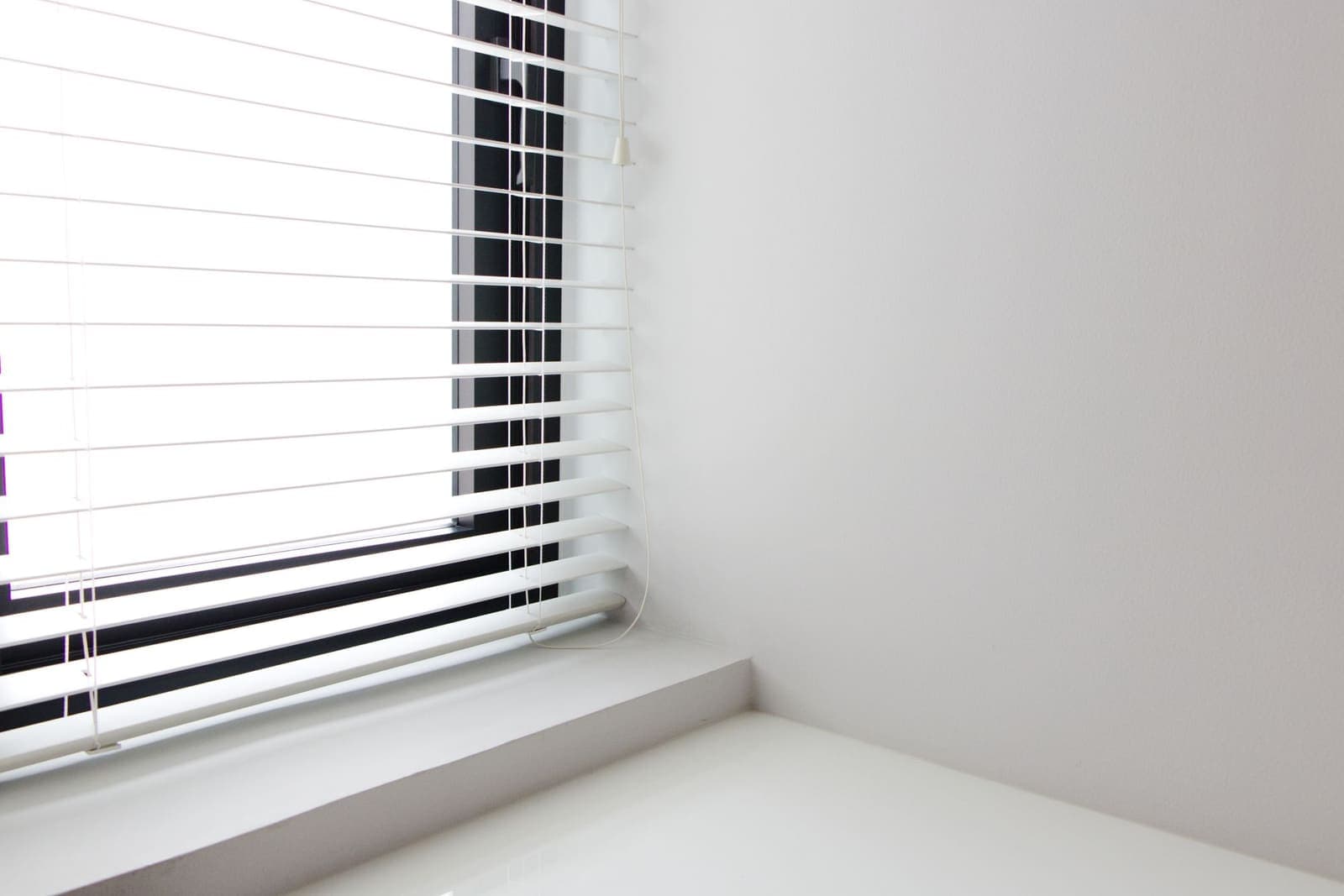
The best faux wood blind for most windows is the LEVOLOR Basics Cordless Faux Wood Blind with 2-inch routeless slats — the routeless construction removes the row of light holes that every standard blind has drilled through it. If the blind is part of how the room looks rather than purely functional, the Arlo Blinds 2-inch faux wood with a crown valance hides the headrail an outside mount otherwise exposes.
Faux wood exists because real wood fails in exactly the rooms people want wood blinds in. A PVC or composite slat does not swell in bathroom steam, does not warp in a south-facing window, and costs a fraction of timber. What you pay is weight: a wide faux wood blind is genuinely heavy to raise, and that is the one thing to check before ordering.
Drape & Dawn earns a commission from qualifying purchases made through links on this page, at no extra cost to you. It does not change what we recommend. Full disclosure.
Before the list
What faux wood actually is
A faux wood slat is PVC, or a composite of wood flour and polymer, finished in a grain or a flat paint. The composite versions are stiffer and look closer to timber; solid PVC is lighter, cheaper and slightly more plasticky at close range. Both are dimensionally stable in humidity, which is the property that matters. Real wood is lighter and looks better, and it is the wrong choice over a bath or a sink.
The decision almost everyone gets wrong is routeless slats. A standard blind has a lift cord threaded through a hole drilled in every slat, and when the blind is closed those holes line up into a column of small bright dots across the window. Routeless slats move the cord to a notch at the back edge, so the closed blind has no holes at all. In a bedroom that is the single biggest difference between two blinds that otherwise look identical.
| # | Best for | Product | Material | Slat | Route holes | Price |
|---|---|---|---|---|---|---|
| 1 | Best overall | 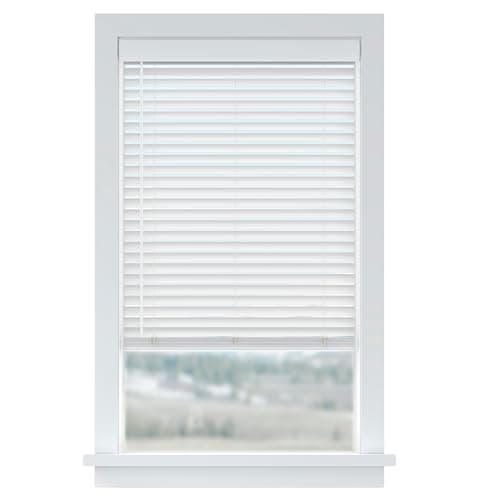 Bedrooms and street-facing rooms — anywhere the blind spends time fully closed and the light dots would be visible. | Faux wood | 2 in | None (routeless) | $59.99 · View on Amazon #ad Price as of November 3, 2026, and it can change. How we’re funded |
| 2 | Best finish | 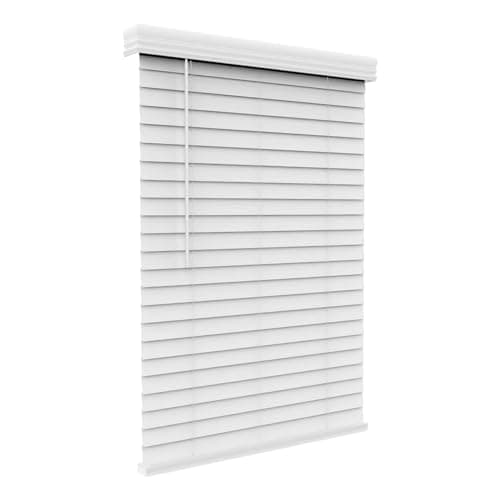 Living and dining rooms where the blind is part of the decor, and any window shallow enough that an outside mount is the only option. | Faux wood | 2 in | Standard | $41.99 · View on Amazon #ad Price as of November 3, 2026, and it can change. How we’re funded |
| 3 | Best budget alternative | 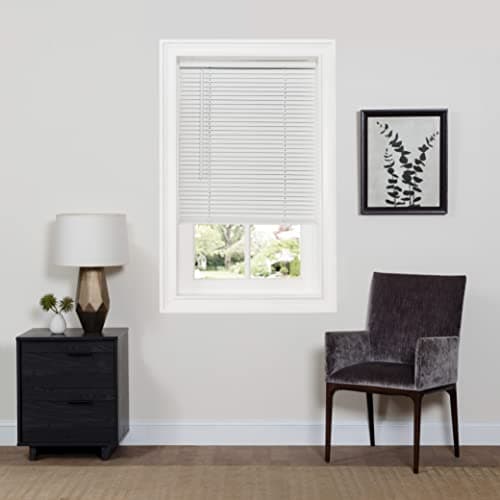 Windows where the blind is a function rather than a feature, and any window too wide to want faux wood's weight. | Vinyl | 1 in | Standard | $17.28 · View on Amazon #ad Price as of November 3, 2026, and it can change. How we’re funded |
| 4 | Best looking natural alternative | 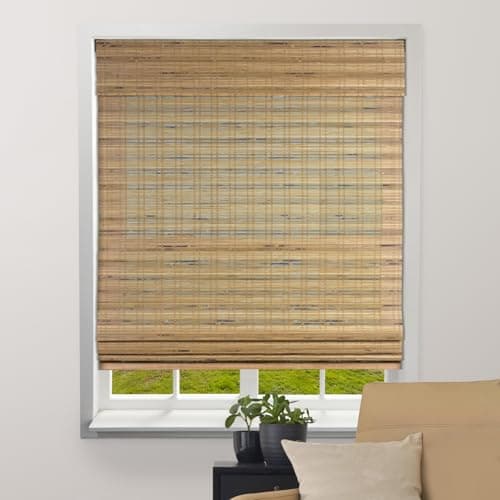 Windows with no overlooking where the covering should be a feature of the room rather than a neutral background. | Woven bamboo | N/A | None | $50.99 · View on Amazon #ad Price as of November 3, 2026, and it can change. How we’re funded |
01 — Best overall
Basics Cordless Faux Wood Blinds, 2" routeless slats
LEVOLOR
Two-inch faux wood with routeless privacy slats, so the closed blind has no column of light holes across it, on a cordless lift. It is the version of the standard faux wood blind with the one upgrade that changes how the window looks at night.
Who it’s for: Bedrooms and street-facing rooms — anywhere the blind spends time fully closed and the light dots would be visible.
The catch: Faux wood is heavy. On a window over about five feet the cordless spring is working hard, and a strained spring is the part that eventually stops holding position.
At a glance
- Material
- Faux wood
- Slat
- 2 in
- Route holes
- None (routeless)
- Operation
- Cordless
- Best mount
- Inside or outside
#ad Price as of November 3, 2026, and it can change. How we’re funded
02 — Best finish
2" Faux Wood Blinds with crown valance
Arlo Blinds
Two-inch faux wood with a crown valance concealing the headrail, which is the part of a blind that looks unfinished on an outside mount. Made-to-size options cover awkward openings that stock widths miss.
Who it’s for: Living and dining rooms where the blind is part of the decor, and any window shallow enough that an outside mount is the only option.
The catch: The valance adds depth at the top, so check the recess depth before planning an inside mount. Standard route holes mean the closed blind shows the usual column of light dots.
At a glance
- Material
- Faux wood
- Slat
- 2 in
- Route holes
- Standard
- Operation
- Cordless
- Best mount
- Inside or outside
#ad Price as of November 3, 2026, and it can change. How we’re funded
03 — Best budget alternative
Cordless room darkening vinyl blinds
Achim
Not faux wood — plain vinyl slats, much lighter and much cheaper. Worth knowing about because on a garage, utility room or rental window the only thing faux wood adds is a grain finish nobody will look at, and vinyl can be washed in a bath.
Who it’s for: Windows where the blind is a function rather than a feature, and any window too wide to want faux wood's weight.
The catch: Thin slats bend easily and a bent slat never sits flat again, leaving a permanent gap in a closed blind. Treat them as replaceable rather than permanent.
At a glance
- Material
- Vinyl
- Slat
- 1 in
- Route holes
- Standard
- Operation
- Cordless
- Best mount
- Inside
#ad Price as of November 3, 2026, and it can change. How we’re funded
04 — Best looking natural alternative
Bamboo and woven wood Roman shades
Arlo Blinds
Woven natural material that turns daylight into a warm, textured glow. Strictly a shade rather than a slatted blind, and it is here because it is what a lot of people actually want when they go looking for wood blinds.
Who it’s for: Windows with no overlooking where the covering should be a feature of the room rather than a neutral background.
The catch: Open weave, so no privacy at night and no darkening at all. Add the privacy liner if the window is overlooked — it changes both the look and the price.
At a glance
- Material
- Woven bamboo
- Slat
- N/A
- Route holes
- None
- Operation
- Cordless
- Best mount
- Inside or outside
#ad Price as of November 3, 2026, and it can change. How we’re funded
Buying guide
What actually matters
Slat width: 2 inch is the default for a reason
Two-inch slats are the standard faux wood size. They stack into a shorter pile at the top of the window than 1-inch slats, so you lose less glass when the blind is raised, and they give a cleaner line across a large window. One-inch slats suit small windows and shallow recesses where a 2-inch stack would crowd the opening. Wider than 2 inches is a specialty item and the weight problem gets worse quickly.
Weight, and the window that is too wide
This is the honest limitation of the category. Faux wood is denser than real wood, aluminum or vinyl, so a blind over about five feet wide is a two-handed lift and a strain on the headrail. On a wide kitchen window you have to raise one-handed over a counter, it is the wrong product; a cellular or roller shade weighs a fraction as much. Two narrower blinds on one window share the load and leave a seam in the middle — usually the better trade at that size.
Depth, valances and the outside mount
A faux wood headrail is deeper than a roller tube, and a crown valance adds more. Measure the recess depth before planning an inside mount, and if it is shallow, mount outside the frame — but then the valance earns its money, because a bare headrail on an outside mount is the part that looks unfinished. Inside mount vs outside mount has the rules; how to measure for blinds has the numbers.
Cordless, and what it costs you
Cordless lift is the safe default around children and pets, and it is now standard on most ranges. It also adds a spring mechanism that is the part most likely to fail on a heavy blind — the common complaint is a wide faux wood blind that will no longer hold position after a couple of years. Are cordless blinds worth it weighs that properly, and how to fix cordless blinds covers the repair.
What faux wood does not do
It does not insulate. Slats are an open structure with air moving freely through them, so a faux wood blind will shade a room from direct sun and do essentially nothing about cold glass in January — see best blinds to keep heat out. It also does not make a room dark; even with routeless slats, light comes through the gaps between slats and down the sides of the headrail. If darkness is the goal, read how to block light from windows.
Methodology
How we chose
Selection is on published slat material and width, whether the slats are routeless, lift mechanism, available size range, and the failure patterns owners report for heavy blinds specifically. We do not lab-test slats and publish no durability figure of our own. Methodology.
Go deeper
Before you commit to faux
The straight material comparison, including where real timber still wins, is in faux wood vs real wood blinds. If you have not settled on slats at all, best window treatments sorts the five categories by the problem each one solves.
FAQ
Questions people actually ask
Are faux wood blinds better than real wood?
In any room with moisture or strong direct sun, yes — faux wood does not swell or warp and real wood does. Real wood is lighter, which matters on a wide window, and looks better at close range. For a bathroom, kitchen or laundry the answer is faux wood without argument.
What are routeless faux wood blinds?
Blinds where the lift cord runs through a notch at the back edge of each slat rather than through a hole drilled in the middle. With no holes, a closed blind shows no column of light dots. It is the single upgrade most worth paying for in a bedroom.
What slat width should I choose?
Two inches for most windows: a shorter stack at the top, less glass lost when raised, and a cleaner line across a wide window. One inch for small windows and shallow recesses, where a 2-inch stack crowds the opening.
Are faux wood blinds too heavy for a wide window?
Often, yes. Faux wood is denser than timber, aluminum or vinyl, so a blind over about five feet becomes a two-handed lift and strains a cordless spring. Either split the window into two blinds or use a cellular or roller shade, which weigh a fraction as much.
Do faux wood blinds keep heat out?
Only by shading. Slats are an open structure with air gaps throughout, so there is no trapped layer and essentially no insulation. Tilted against the sun they reduce direct radiation onto furniture; they do very little for the room's air temperature. See best blinds to keep heat out.
Keep going
Read next
Compare
Best window blinds
The only covering you can aim — which material suits which room.
Compare
Blinds vs shutters
Same tilt control, very different commitment — when shutters actually earn the cost.
Rooms
Best blinds for kitchen windows
Blinds that survive steam, splashes and grease over a sink or hob.
Rods & Mounting
How to measure for blinds
Six measurements in order, plus the rounding rules that differ for inside and outside mount.
About the author
Janet H.
Janet H. is the owner of Janet Media Group and the person behind Drape & Dawn. She researches every pick against the site's published methodology.
Published by Janet Media Group · Last updated October 11, 2026