Roundup
Best window shades
One pick per shade type, chosen by the problem each one is actually good at - not by which looks best in a catalog.
By Janet H. · Last updated November 22, 2026 · How we choose
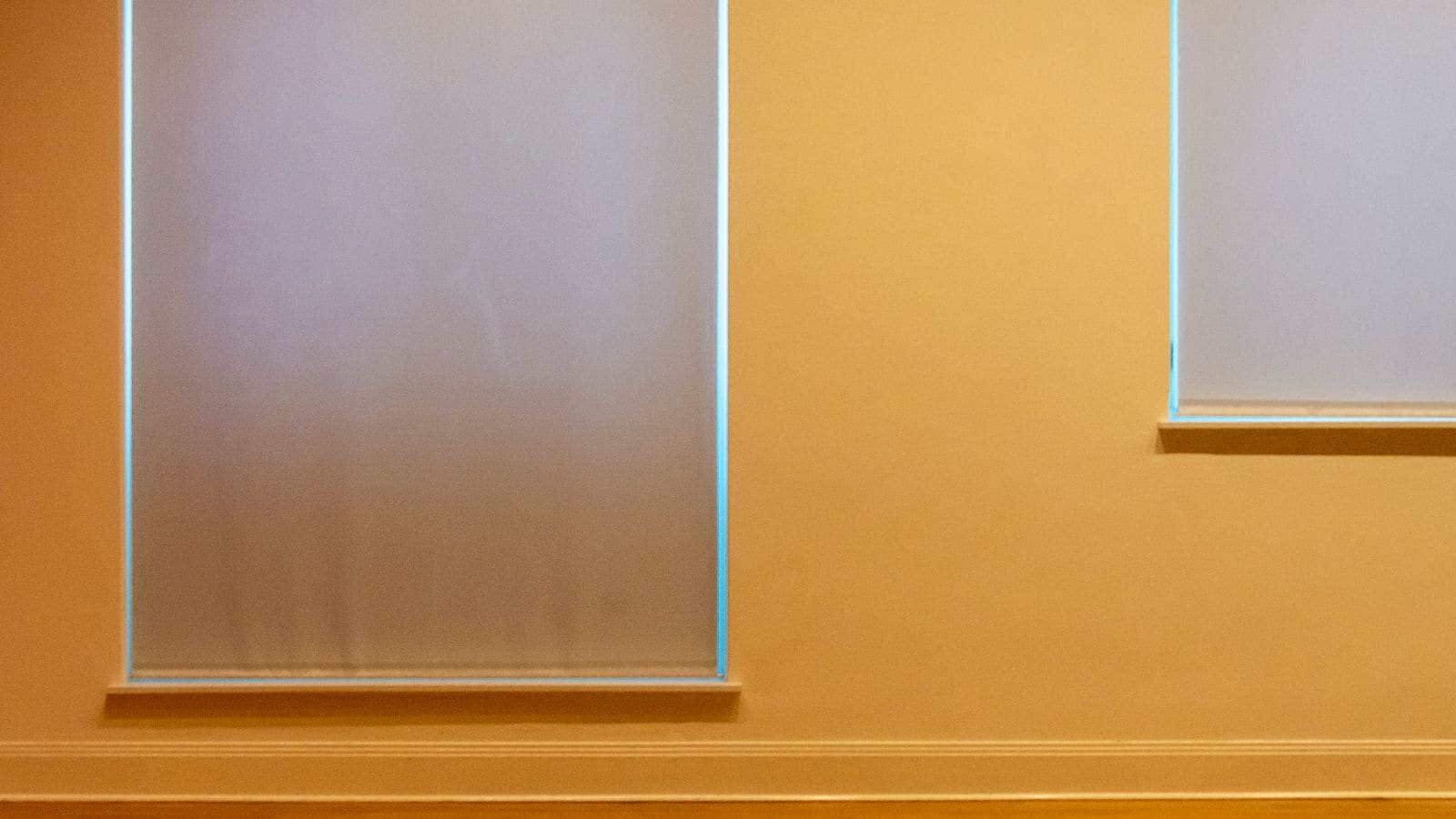
The best all-round window shade is a cordless cellular shade, and the CHICOLOGY insulated version is the one to buy: honeycomb cells trap air against the glass, so one shade handles light, privacy and a cold or hot window at once. Where a shade is temporary or the room is a stopgap, the Redi Shade pleated paper blackout shade is the budget pick - cheap, trimmed with scissors, and deliberately disposable.
Shade is not one product. It is at least five, and they fail at completely different things. A cellular shade insulates and gives you no view. A zebra shade gives you a view and no darkness. A woven wood shade is the best-looking and the least private. A roller is the flattest and the most wipeable. A pleated paper shade is cheap and will not last. Picking by looks is how people end up with the wrong one; picking by the problem is this page.
Drape & Dawn earns a commission from qualifying purchases made through links on this page, at no extra cost to you. It does not change what we recommend. Full disclosure.
Start here
Match the type to the complaint
| Your complaint | Shade type | Why |
|---|---|---|
| The room is cold or the glass is old | Cellular | Honeycomb cells hold still air at the pane |
| The room has to be dark | Blackout cellular or roller | Opaque fabric, ideally outside mounted |
| Glare on a screen, but keep the view | Zebra or banded | Offset bands screen light without blanking the window |
| The window looks bare | Woven wood or roman | Texture and fold; the most furnishing-like shades |
| Temporary, or a room in flux | Pleated paper | Cheap, trims with scissors, no tools |
| Needs wiping constantly | Vinyl roller or faux wood blind | Fabric shades are spot-clean only |
Buying guide
What to look for whatever the type
Where the shade mounts, which decides edge light
Every shade fitted inside the opening leaves a gap at the sides and above the headrail. The fabric does not decide darkness - the mount does. If you need a dark room, mount the shade outside the opening so it overlaps the frame, or layer a curtain over the top. Inside mount vs outside mount sets out the trade.
Stock sizes or made to measure
A stock shade is manufactured in a ladder of widths and you accept the nearest. Made to measure is cut to your opening and puts the measuring risk on you. The test is free: measure your opening width at the top, middle and bottom. Within an eighth of an inch, a stock shade will sit square. Half an inch out, which is normal in an older house, and a stock shade will leave a visible wedge of daylight.
Cordless operation, now the default
Child-safety rules pushed looped cords out of mainstream retail window coverings, so almost every shade worth buying lifts by hand or runs on a free-stop clutch. The mechanism is the consumable part: expect to adjust a brake on a heavily used shade long before the fabric wears.
What the shade does after dark
Daytime privacy and night privacy are opposite problems, because the bright side swaps. Anything translucent - woven wood, a sheer-banded zebra, a light-filtering cellular - hides the room by day and shows it in outline once the lamps are on. If the window is overlooked in the evening, the shade has to be opaque or lined.
| # | Best for | Product | Type | Light | Operation | Price |
|---|---|---|---|---|---|---|
| 1 | Best overall | 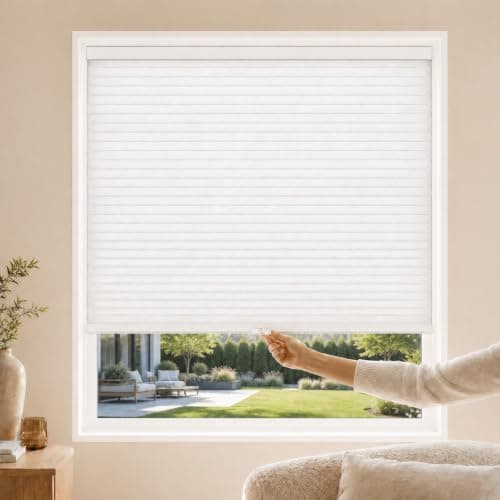 Almost any room where you want one shade to solve several problems at once, and bedrooms in particular. | Cellular honeycomb | Room darkening | Cordless lift | $29.99 · View on Amazon #ad Price as of November 24, 2026, and it can change. How we’re funded |
| 2 | Budget pick | 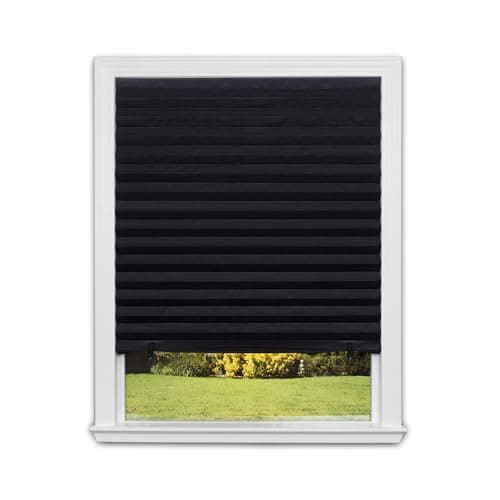 A first week in a new place, a spare room, a nursery before you commit - any window where the shade is meant to be temporary. | Pleated paper | Blackout, maker states 99% | Cordless, clip-in | $29.97 · View on Amazon #ad Price as of November 24, 2026, and it can change. How we’re funded |
| 3 | Best for a dark room | 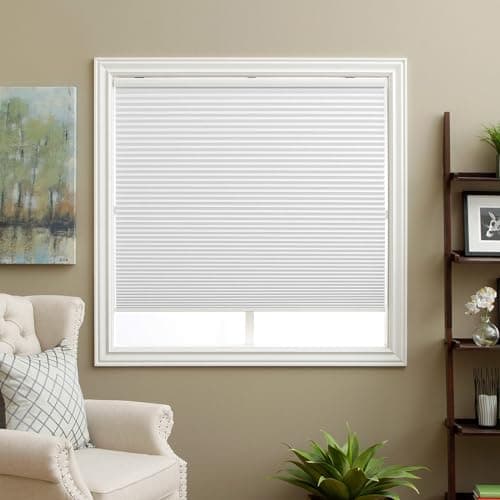 Bedrooms, nurseries and media rooms where darkness is the requirement rather than a bonus. | Blackout cellular | Very high blocking | Cordless lift | $57.99 · View on Amazon #ad Price as of November 24, 2026, and it can change. How we’re funded |
| 4 | Best for glare with a view | 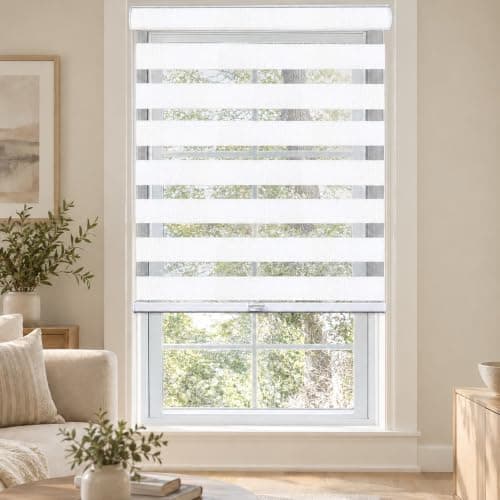 A home office or living room where screen glare is the problem and giving up the view is not an acceptable fix. | Dual-layer zebra | Adjustable screening | Cordless | $36.02 · View on Amazon #ad Price as of November 24, 2026, and it can change. How we’re funded |
| 5 | Best looking | 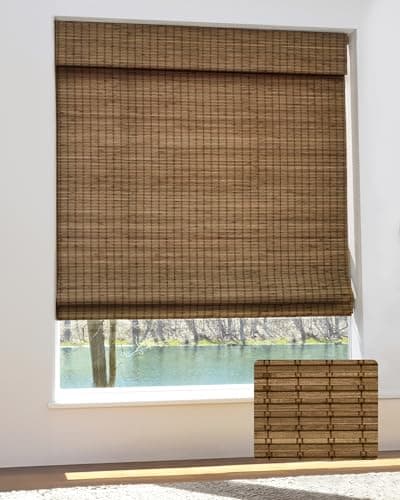 A living room, dining room or sunroom where the window looks bare and texture is what it is missing. | Woven wood | Filtering, textured | Cordless lift | $38.41 · View on Amazon #ad Price as of November 24, 2026, and it can change. How we’re funded |
01 — Best overall
Cordless Cellular Shades, insulated
CHICOLOGY
A cordless honeycomb shade in a room-darkening fabric, listed at R-3 by the manufacturer. The cells trap air at the glass, so the same shade handles light, privacy and the temperature of the window - no other format in this price range does all three.
Who it’s for: Almost any room where you want one shade to solve several problems at once, and bedrooms in particular.
The catch: Opaque when lowered, so there is no partial-view position, and a single-cell construction does less on genuinely poor glazing than a double cell.
At a glance
- Type
- Cellular honeycomb
- Light
- Room darkening
- Operation
- Cordless lift
- Insulates
- R-3, per manufacturer
- Night privacy
- Yes
#ad Price as of November 24, 2026, and it can change. How we’re funded
02 — Budget pick
No Tools Original Blackout Pleated Paper Shade
Redi Shade
A cordless pleated paper shade you trim to width at home and clip into the frame with no drill and no tools. The manufacturer states it blocks 99% of light. Cheap enough to treat as disposable, which matters in a room whose layout may change twice in a year.
Who it’s for: A first week in a new place, a spare room, a nursery before you commit - any window where the shade is meant to be temporary.
The catch: It is paper. It creases, it does not enjoy being raised and lowered daily, and the adhesive can lift paint from a frame when it comes off.
At a glance
- Type
- Pleated paper
- Light
- Blackout, maker states 99%
- Operation
- Cordless, clip-in
- Insulates
- Barely
- Night privacy
- Yes
#ad Price as of November 24, 2026, and it can change. How we’re funded
03 — Best for a dark room
Cordless Blackout Honeycomb Cellular Shades
SBARTAR
A cordless honeycomb with a liner between the fabric layers, aimed squarely at light and UV blocking. The honeycomb structure gives the insulating benefit alongside the darkness, which matters in a bedroom that runs cold at night or hot in the afternoon.
Who it’s for: Bedrooms, nurseries and media rooms where darkness is the requirement rather than a bonus.
The catch: Opaque by design, so lowered you lose the window completely. And like every inside-mounted shade it leaks at the edges - outside-mount it or layer a curtain if you want real darkness.
At a glance
- Type
- Blackout cellular
- Light
- Very high blocking
- Operation
- Cordless lift
- Insulates
- Yes
- Night privacy
- Yes
#ad Price as of November 24, 2026, and it can change. How we’re funded
04 — Best for glare with a view
Everyday Cordless Zebra Shades
CHICOLOGY
A dual-layer roller with alternating sheer and opaque bands. Align the bands and light passes through the sheer sections; offset them and the opaque bands close the gap. One shade that slides between a filtered view and a covered window.
Who it’s for: A home office or living room where screen glare is the problem and giving up the view is not an acceptable fix.
The catch: The dual fabric is bulkier on the tube, so the stack at the top is deeper, and the banding shows as a stripe pattern whether or not you like the look. No darkness, and no privacy after dark.
At a glance
- Type
- Dual-layer zebra
- Light
- Adjustable screening
- Operation
- Cordless
- Insulates
- Barely
- Night privacy
- No
#ad Price as of November 24, 2026, and it can change. How we’re funded
05 — Best looking
Bamboo Roman Shades with valance
UNISHADES
A stock-size cordless bamboo shade with the valance included, sold across a wide ladder of widths. The cheapest honest way to put real woven wood on a window rather than a printed lookalike.
Who it’s for: A living room, dining room or sunroom where the window looks bare and texture is what it is missing.
The catch: Stock sizing means rounding down and accepting a light gap at the sides, and the open weave gives no darkness and no privacy after dark without a liner.
At a glance
- Type
- Woven wood
- Light
- Filtering, textured
- Operation
- Cordless lift
- Insulates
- No
- Night privacy
- No
#ad Price as of November 24, 2026, and it can change. How we’re funded
Context
Where shades beat curtains, and where they do not
A shade wins where there is no wall beside the window for a curtain to stack on, where a radiator or a window seat occupies the floor, and where you want the glass visually uncovered when it is raised. A curtain wins on darkness, because fabric can overlap the frame on every side, and on warmth, because mass and a closed edge do more than a thin shade does. A great many rooms end up with both, which is not indecision - it is the shade doing light control and the curtain doing darkness and insulation. Curtains vs shades has the full comparison.
Methodology
How we chose
One pick per shade type, selected on what that type is structurally good at rather than on which is best overall - a comparison a cellular shade and a woven wood shade cannot meaningfully have. Based on published construction and materials and on the failure patterns owners report. No lab testing, no light-blocking figures of our own, no ratings. Criteria on the methodology page.
FAQ
Questions people actually ask
What is the best type of window shade?
A cellular shade for most windows, because it is the only common type that handles light, privacy and the temperature of the glass at once. A blackout cellular or roller for a room that must be dark, a zebra shade where you want glare control with the view intact, and a woven wood or roman shade where the window needs to look furnished.
What is the difference between shades and blinds?
A blind is made of slats or vanes that tilt, so you can adjust light without raising it. A shade is a continuous piece of fabric or paper that only goes up and down. That single structural difference drives everything else: blinds are better at fine light control, shades are better at insulating, darkening and looking soft.
Do window shades keep heat in?
Cellular honeycomb shades do, measurably, because the cells hold a layer of still air against the glass. Roller, roman and woven wood shades do very little by comparison, and no inside-mounted shade performs at its edges - the gaps at the sides are where the convection happens.
Are shades private at night?
Only the opaque ones. Woven wood, sheer-banded zebra and light-filtering cellular fabrics hide a room in daylight and show it in outline once the lamps are on, because the bright side has swapped. For an overlooked window in the evening the shade has to be room darkening, blackout or lined.
Should I get shades or curtains?
Shades where there is no wall beside the window for a curtain to stack on, or a radiator or window seat in the way. Curtains where darkness and warmth matter, because fabric can overlap the frame on all four sides. Many rooms end up with both - a shade doing daytime light control and a curtain closing the room down at night.
Keep going
Read next
Compare
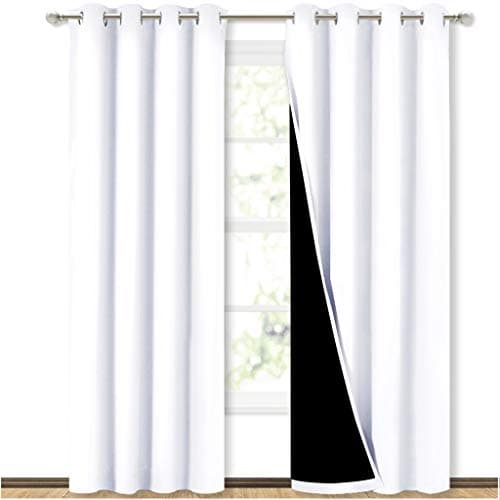
Curtains vs shades
Covering the wall around the window versus covering the opening — and what follows from it.

Compare
Best cellular shades
The best-insulating covering there is — and why the fit decides the result.
Compare
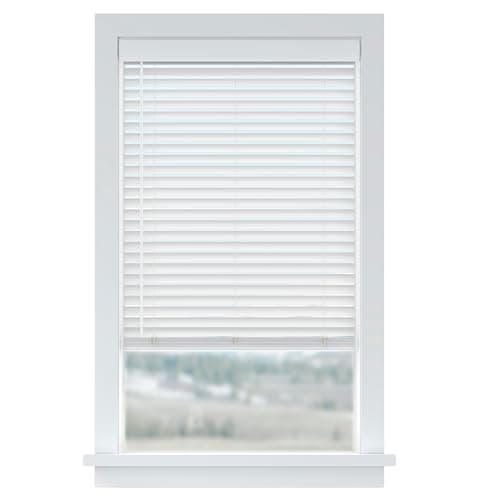
Blinds vs shades
Slats that tilt or one piece that raises — everything else follows.
Compare
Best window treatments
One pick per window problem - light, heat, glare, privacy, renting - and what each one gives up.
About the author
Janet H.
Janet H. is the owner of Janet Media Group and the person behind Drape & Dawn. She researches every pick against the site's published methodology.
Published by Janet Media Group · Last updated November 22, 2026