Roundup
Best tension rods for curtains
Three variables decide whether it holds: span, surface and weight. Get those right and a cheap rod lasts years.
By Janet H. · Last updated September 23, 2026 · How we choose
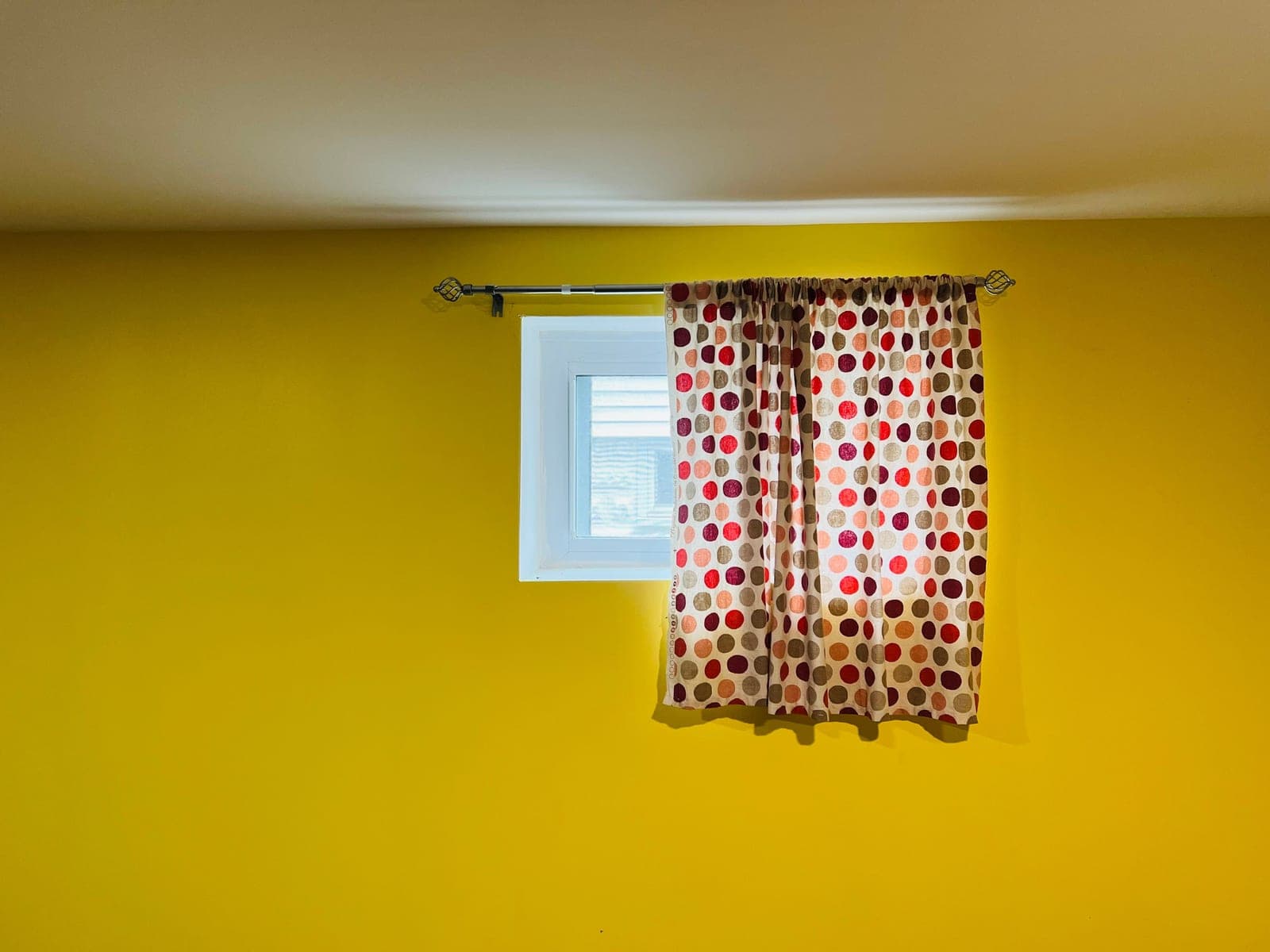
A tension rod is a spring or a screw thread pushing outward against two opposing surfaces. It is held up by friction, nothing else, which means everything about whether it stays up comes down to how much friction it can generate and how much load you hang from it.
Three variables decide it. Span: friction is fixed but leverage grows with length, so a wide rod is doing a much harder job. Surface: rubber grips matte paint and slides on gloss. Weight: a pair of lined panels can be several times the load of a sheer. Get those three in balance and a modest rod lasts for years.
Drape & Dawn earns a commission from qualifying purchases made through links on this page, at no extra cost to you. It does not change what we recommend. Full disclosure.
Before the list
Spring or camlock
Spring rods use an internal spring to push the two halves apart. Simple, cheap, and they relax — the spring loses a little tension over months, which is why a rod that felt solid in March comes down in July.
Camlock or twist-and-lock rods extend to length and then lock mechanically, usually by twisting one half against the other. The lock does not relax, so the pressure it sets is the pressure it keeps. For anything beyond a light sheer, this is the mechanism to look for.
Diameter matters too, and it is mostly about sag rather than grip: a wider rod bows less under the same load across the same span. A thin rod carrying medium panels across 48 inches will visibly dip in the middle even if it never slips.
| # | Best for | Product | Mechanism | Span range | Best load | Price |
|---|---|---|---|---|---|---|
| 1 | Best overall | Rogers Twist & Fit No Tools Camlock Tension Rod Anyone who has already had a spring rod come down, and any span at the upper end of what a tension rod should be doing. | Camlock twist-lock | 28–48 in and other sizes | Light to medium | Check price on Amazon #ad We don’t show prices — check the current one on Amazon. How we’re funded |
| 2 | Best for small windows | No Drill Spring Tension Curtain Rod, 24–36 in Bathroom windows, café curtains, kitchen tiers and any small recess where a sheer or light panel is all you need. | Spring tension | 24–36 in | Light | Check price on Amazon #ad We don’t show prices — check the current one on Amazon. How we’re funded |
| 3 | Best for a wide opening | No Drill Spring Tension Curtain Rod, wide spans Sliding-door openings and wide recesses where the alternative is a floor-to-ceiling system. | Spring tension | 78–108 in | Light only | Check price on Amazon #ad We don’t show prices — check the current one on Amazon. How we’re funded |
| 4 | Best when a tension rod won't do | Anywhere Expandable Curtain Rod and Room Divider Heavy panels, room dividers, and openings with no usable recess at all. | Floor-to-ceiling tension | ~35–66 in wide | Heavy | Check price on Amazon #ad We don’t show prices — check the current one on Amazon. How we’re funded |
01 — Best overall
Rogers Twist & Fit No Tools Camlock Tension Rod
Kenney
Steel construction with a camlock that holds the extension mechanically rather than relying on a spring. Because the lock does not relax, it keeps the pressure it was set at — which is the difference between a rod that lasts a year and one that slips in a month.
Who it’s for: Anyone who has already had a spring rod come down, and any span at the upper end of what a tension rod should be doing.
The catch: Still friction-mounted. On a glossy recess with heavy panels it will slip eventually, camlock or not — this improves the odds, it does not change the physics.
At a glance
- Mechanism
- Camlock twist-lock
- Span range
- 28–48 in and other sizes
- Best load
- Light to medium
- Diameter
- 5/8 in
- Needs
- Parallel recess
#ad We don’t show prices — check the current one on Amazon. How we’re funded
02 — Best for small windows
No Drill Spring Tension Curtain Rod, 24–36 in
Amazon Basics
The short-span spring rod, with a manufacturer-stated capacity around 7 lb and a choice of finishes. On a short span a spring rod is in its element — leverage is low and the friction it generates is more than enough.
Who it’s for: Bathroom windows, café curtains, kitchen tiers and any small recess where a sheer or light panel is all you need.
The catch: A spring relaxes over time, so expect to re-tension it occasionally. The finials are decorative plastic end caps rather than real hardware.
At a glance
- Mechanism
- Spring tension
- Span range
- 24–36 in
- Best load
- Light
- Diameter
- 3/4–7/8 in
- Needs
- Parallel recess
#ad We don’t show prices — check the current one on Amazon. How we’re funded
03 — Best for a wide opening
No Drill Spring Tension Curtain Rod, wide spans
Amazon Basics
The same mechanism in spans up to and beyond 108 inches, for patio doors and wide openings where nothing shorter reaches. On spans this long the grip trick with tape or rubber pads stops being optional.
Who it’s for: Sliding-door openings and wide recesses where the alternative is a floor-to-ceiling system.
The catch: Leverage across this span is substantial, so it wants genuinely light fabric and it will sag visibly in the middle under anything heavier. Two rods would be better if the opening allows.
At a glance
- Mechanism
- Spring tension
- Span range
- 78–108 in
- Best load
- Light only
- Diameter
- 3/4–7/8 in
- Needs
- Parallel recess, added grip
#ad We don’t show prices — check the current one on Amazon. How we’re funded
04 — Best when a tension rod won't do
Anywhere Expandable Curtain Rod and Room Divider
Umbra
Included because the honest answer for a heavy curtain in a rental is often "not a tension rod". This routes the load to the floor and ceiling instead of the recess sides, so it carries weight a window tension rod cannot.
Who it’s for: Heavy panels, room dividers, and openings with no usable recess at all.
The catch: Visible vertical poles and floor space used. It is a piece of furniture rather than a hidden fixing, and priced accordingly.
At a glance
- Mechanism
- Floor-to-ceiling tension
- Span range
- ~35–66 in wide
- Best load
- Heavy
- Diameter
- N/A
- Needs
- Ceiling clearance ~7–10 ft
#ad We don’t show prices — check the current one on Amazon. How we’re funded
Buying guide
Making it hold
Add grip to a glossy recess
This is the highest-value trick in the category and it costs almost nothing. A small square of painter's tape, a rubber furniture pad, or a piece of shelf liner at each contact point transforms the grip on gloss and semi-gloss paint — which is what rental recesses are almost always painted in. It also stops the rod ends marking the paint, which matters at move-out.
Keep the span short
If you can split a wide window into two rods, do. Two 30-inch spans are dramatically more stable than one 60-inch span, and on a window where two panels meet in the middle anyway the join is invisible.
Use lightweight curtains
Sheers, voiles and unlined cotton are what tension rods are for. If you need blackout, either move to a mount that carries weight properly — best no-drill curtain rods — or put the darkness on a cut-to-size shade behind the rod and keep the curtain light.
Check the recess is parallel
Tension rods need two opposing surfaces roughly parallel to each other. A splayed or tapered recess — common in older houses — gives the rod ends a surface angled away from them, and the rod will walk downward over time no matter how tight you set it.
Methodology
How we chose
Selection is on mechanism type, published capacity where available, span range and diameter. We do not load-test these rods and do not state a capacity of our own. Methodology.
FAQ
Questions people actually ask
How much weight can a tension rod hold?
Less than most people assume, and it falls as the span grows. Short spring rods are commonly rated around 7 lb by their manufacturers. A pair of lined blackout panels well exceeds that, which is why they end up on the floor.
How do I stop a tension rod from slipping?
Add grip at the contact points — painter's tape, rubber furniture pads or a piece of shelf liner. Rental recesses are usually painted in gloss, which is the worst surface for a rubber end cap, and this fixes it for pennies.
Are camlock tension rods better than spring ones?
Yes, for anything beyond a light sheer. A spring relaxes over months and loses the tension that holds it; a camlock holds the extension mechanically and keeps the pressure it was set at.
Can I use a tension rod for blackout curtains?
Usually not — they are too heavy, especially across a wide span. Use tap-in brackets or a floor-to-ceiling pole for the curtain, or put the blackout on a cut-to-size shade and keep the curtain light.
Will a tension rod mark the paint?
It can leave compressed shiny marks where the end caps press. A magic-eraser pad usually removes them. Painter's tape at the contact points prevents them entirely and adds grip at the same time.
Sources
What we referenced
Keep going
Read next

Renter-Friendly
Best no-drill curtain rods
Match the mount to the weight and surface — what each no-drill option really holds.

Renter-Friendly
Tension rod vs adhesive brackets
Both are light-duty — the question is which one your surfaces will accept.

Renter-Friendly
How to hang curtains without drilling
Four methods ranked by what they hold — match the mount to weight and surface.

Rods & Mounting
What size curtain rod do I need?
Window plus 8 to 12 inches — with the full size table and support rules.
Renter-Friendly
Window treatments for renters
Everything that works without a drill, organized by the problem you're solving.
About the author
Janet H.
Janet H. is the owner of Janet Media Group and the person behind Drape & Dawn. She researches every pick against the site's published methodology.
Published by Janet Media Group · Last updated September 23, 2026